Tips for Creating a Comfortable Rest Space for Adopted Pets
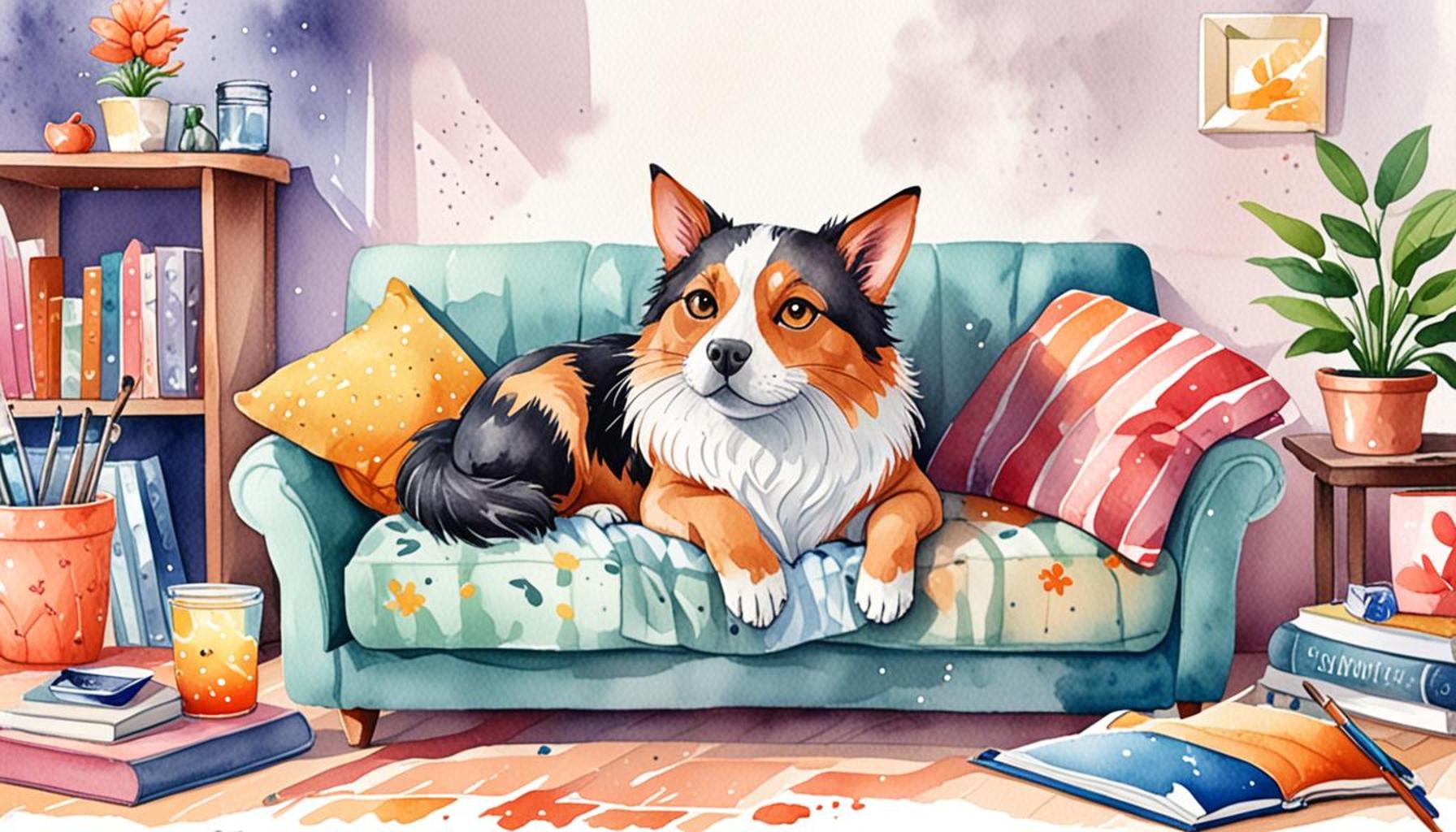
Creating a Sanctuary for Your Adopted Pet
Bringing an adopted pet into your home is a joyous occasion, but it comes with the responsibility of ensuring their comfort and well-being. Creating a cozy rest space can significantly enhance your furry friend’s adjustment to their new environment. Every pet deserves a designated area that feels safe, relaxing, and inviting.
To craft the perfect sanctuary, consider a few essential factors:
- Location is Key: Choose a quiet corner away from traffic and noise, where your pet can feel secure. For instance, a spot in a low-traffic room or at the end of a hallway can often provide the peace your pet needs. You might also consider setting up the rest space near a window, allowing your pet to watch the outside world while still enjoying their safe space.
- Comfort Matters: Invest in a quality bed that suits your pet’s size and sleeping habits. If you have a larger breed, such as a Great Dane, opt for a spacious orthopedic bed to support their joints. Cats, on the other hand, often enjoy beds that mimic the coziness of a cave, so consider a covered cat bed for your feline friend.
- Personal Touch: Incorporate familiar items, like toys or a blanket from their previous home. This familiarity can help ease the transition for your new pet. If possible, include their favorite toy or even a piece of clothing that smells like their former owner or shelter. This can serve as a comforting reminder, allowing your pet to feel more at home in their new surroundings.
In the United States, pets are increasingly considered family members, and their comfort is paramount. Research shows that a well-designed rest space can lead to better sleep and reduced anxiety for adopted animals. For example, adopting a dog from the local shelter can combine behavioral benefits with comfort, as studies indicate that dogs placed in a tranquil environment are less likely to exhibit stress-related behaviors. Tailoring your space with thoughtful touches not only facilitates adjustment but also fosters a bond between you and your new companion.
By understanding key features that make a rest space ideal, you’re on your way to creating a haven that will be treasured by your pet. Consider utilizing calming elements, such as pheromone diffusers or soft lighting, to create a serene atmosphere. Engaging in regular interactions and gentle play will further enhance your pet’s sense of security and belonging.
Stay tuned as we explore essential tips to transform any corner of your home into the ultimate sanctuary for your furry friend, ensuring they have a space that feels uniquely theirs and fosters a deep and lasting connection with you.
DISCOVER MORE: Click here
Understanding Your Pet’s Needs
Every adopted pet comes with its own unique set of needs and preferences. Understanding these aspects can greatly assist in creating a comfortable rest space that caters specifically to them. One critical factor is the animal’s previous experiences—whether they were strays, came from a shelter, or have lived in a home before. These backgrounds can influence how quickly they adapt to new environments and what kinds of spaces they feel secure in.
Start by observing your pet’s behavior. Do they seek high places for sleeping, or do they prefer enclosed spaces? Is your dog an avid burrower, or does your cat enjoy sprawling out in the open? Taking note of their sleeping habits can guide you in designing a rest area that aligns with their comfort zone.
Here are some key considerations to keep in mind when crafting that perfect sanctuary:
- Personalized Features: Consider your pet’s breed and personality. For nature-loving dogs, a bed positioned in a sunlit area can provide warmth and comfort, while a minimalist cat might prefer a simple mat in a quieter corner. Tailor the space to reflect what your pet gravitates toward naturally.
- Temperature Control: Keep your pet’s comfort in mind, especially during extreme weather. Ensure the rest area is not too drafty in winter or too hot in summer. Adding blankets can offer warmth in colder months, while providing cooling mats can help during the sweltering summer days.
- Safe Materials: Be cautious about the materials you use for the pet’s bed and surrounding space. Choose non-toxic, pet-safe fabrics and foams. Also, consider the ease of cleaning; removable and washable covers will help maintain hygiene.
- Separation for Privacy: If you have multiple pets, it’s essential to provide a distinct space for each. This helps prevent resource guarding and offers them a place they can retreat to when they need solitude or rest. A small pet gate can serve as a physical boundary that maintains peace.
Creating a comfortable rest space goes beyond simply placing a bed in a corner. It involves keen observation, understanding your pet’s unique needs, and crafting an environment that feels genuinely secure and inviting. Encourage your furry companion to explore their new sanctuary by adding a few enticing toys or a blanket that carries familiar scents.
Utilizing this knowledge not only helps your adopted pet find comfort in their new home but also demonstrates your commitment to their well-being. The love and care reflected in their rest space will surely foster a bond that transcends mere ownership, leading to a lasting friendship that both of you will cherish.
Tips for Creating a Comfortable Rest Space for Adopted Pets
Creating a sanctuary for adopted pets is crucial to help them adjust and thrive in their new environment. Below are some insightful tips to make your furry friends’ resting area both stylish and comfortable.
| Category | Description |
|---|---|
| Soft Bedding | Choose plush beds and blankets that offer warmth and security. |
| Safe Space | Create a quiet zone free from loud noises or sudden interruptions. |
| Ambient Lighting | Consider soft lighting options to promote calmness during the night. |
The bedding you choose plays a significant role in your pet’s comfort. Soft, fluffy materials not only invite them to snuggle in but also provide adequate support for their joints. Opt for non-toxic, machine-washable fabrics to maintain hygiene without compromising coziness.Moreover, introduced pets often require a period of adjustment, making it essential to create a safe space where they can retreat to feel secure. This could be a cozy corner in your living room or a dedicated spot in a quiet room. It’s important to reduce environmental stressors to ensure their comfort and wellbeing.Consider adding ambient lighting to the space. Dim, soft lights create a warm atmosphere, reducing anxiety that can come from harsh, bright lights. This small change can greatly affect your pet’s ability to relax, especially during the evening when bedtime rolls around.
DON’T MISS: Click here to learn why socialization is key for your puppy
Enhancing the Rest Space with Comfort and Safety
When crafting a comfortable rest space for your adopted pet, the finer details can make a significant difference in both their contentment and sense of security. It’s essential to go beyond just aesthetics and truly consider how the environment will serve your pet’s needs during their downtime.
Quality Bedding: The selection of bedding is crucial; thus, investing in high-quality, orthopedic pet beds can provide your furry friend with the comfort they deserve, especially for older pets or those with previous injuries. Orthopedic beds can help alleviate pressure on joints, while soft padded beds can create a cozy nook for smaller animals. Moreover, beds with bolsters offer a sense of security for pets that like to lean against something while resting.
Introducing Calming Elements: Consider adding calming aids to the rest area. Items like a soothing pheromone diffuser or a cozy blanket infused with a calming scent can ease anxiety, making your pup or kitty feel more relaxed. Additionally, playing soft, ambient music or using a white noise machine can drown out jarring sounds that may disturb your pet’s peaceful slumber.
Proper Lighting: Evaluate the lighting in the rest space. While natural light is important, overly bright or glaring light can be uncomfortable for your pets. Opt for soft lighting during the evening hours—this can be achieved with bedroom lamps, making the space feel calmer and more inviting, which is particularly helpful for nervous cats or dogs who may need additional encouragement to settle in.
Creating Zones for Different Activities
Helping your pet establish a routine is critical. Designate specific areas within their rest space for various activities. Create a snuggly sleep zone, a play area with toys, and perhaps a corner for meals. Pets thrive on routine and knowing they have a dedicated place for relaxation can help them feel secure.
Accessibility: Make sure that the rest space is easily accessible for your adopted pet, especially if they are older or have mobility issues. Avoid high rises or steps that may be challenging for them to navigate. A simple ramp can also serve as a practical addition for both small and large dogs, ensuring they can reach their resting area without strain.
Incorporating Interactive Features
While not solely a resting zone, adding a few interactive features can make the space even more appealing. For instance, a window perch for cats enhances their natural inquisitiveness by allowing them to watch birds outside, while dogs may enjoy a chew toy or puzzle feeder to stimulate their minds. Engaging your pet’s senses will foster an emotionally fulfilling atmosphere that promotes relaxation.
Cleanliness and Maintenance: Finally, ensure the area is easy to clean. Adopted pets can often bring a variety of odors or messes, so materials that repel hair and are easy to wipe down can help maintain cleanliness. Regular vacuuming and wipe-downs can keep their space fresh, ensuring your pet always has a hygienic area to retreat to.
By combining these elements, you can meticulously create a space that is not just a resting spot but a sanctuary that promotes happiness and comfort for your newly adopted friend. A thoughtful approach to crafting this environment can positively impact their acclimatization, fostering a serene atmosphere that encourages connection and trust between you both.
DIVE DEEPER: Click here to discover how natural nutrition can enhance your pet’s longevity
Final Thoughts on Crafting the Ideal Rest Space
Creating a comfortable rest space for your adopted pet is more than just a design project; it’s a vital aspect of their overall well-being. By integrating elements such as quality bedding, calming aids, and interactive features, you are actively contributing to their happiness and security. Remember, each adopted furry companion is unique, and their comfort needs may vary based on their background and personality. Observing your pet and adjusting their space accordingly will help fine-tune it to their preferences.
Moreover, establishing a routine with distinct activity zones not only gives your pet a sense of structure but also fosters confidence within their new environment. The importance of accessibility cannot be overstated, especially for older or disabled pets, and should be a priority in your design effort. It is not just about making a space functional—it’s about crafting a sanctuary where they can heal, relax, and thrive.
Finally, maintaining cleanliness and ensuring the area remains a safe haven cannot be overlooked. Regular upkeep not only enhances comfort but also promotes good health. Every effort you put into creating this space will not just help your pet adjust; it will deepen the bond between you two. Adopted pets deserve a warm and inviting atmosphere to call their own, and with these tips for creating a comfortable rest space, you’re well on your way to providing your furry family member with the peace they need to feel at home.
Related posts:
The role of patience in the adaptation of adopted pets to a new home
How to Choose the Ideal Pet for Adoption: Factors to Consider
How to Understand the Behavior of Your Adopted Pet: Signs and Needs
How to Deal with Separation Anxiety in Adopted Pets
How to Create an Exercise Routine for Adopted Pets: Maintaining Health and Energy
Essential Healthcare for Adopted Pets: What You Need to Know

Linda Carter is a writer and pet care expert specializing in pet health, grooming, and wellness. With extensive experience helping pet owners create safe, loving, and enriching environments for their animals, Linda shares her knowledge on our platform. Her goal is to empower readers with practical advice and strategies to ensure their pets thrive and lead joyful, healthy lives.