The Role of Self-Efficacy in Building Resilience: Applying Growth Mindset Techniques

Understanding Self-Efficacy and Resilience
In today’s fast-paced world, the ability to bounce back from challenges is crucial. The interplay between self-efficacy and resilience forms a robust framework for personal growth. How we perceive our capabilities can significantly influence our capacity to face adversity. Individuals equipped with both self-efficacy and resilience are often better prepared to navigate life’s uncertainties, from the pressures of work to personal relationships, ultimately leading to a more fulfilling life.
The Importance of Self-Efficacy
Self-efficacy refers to our belief in our ability to succeed in specific situations, which psychologist Albert Bandura highlighted as a key factor in human motivation. This belief impacts various aspects of life:
- Motivation: Higher self-efficacy often leads to greater motivation to tackle problems. For example, students who believe in their ability to learn complex subjects like math are more likely to engage with challenging coursework than those who doubt their abilities.
- Persistence: Individuals with strong self-efficacy are more likely to endure setbacks. A classic example can be seen in athletes; runners who believe they can improve their race times are more likely to train hard and push through physical discomfort.
- Goal Setting: They are inclined to set more challenging goals for themselves. A manager with high self-efficacy might set ambitious sales targets for their team, believing they can achieve these heights through collective effort and innovation.
Building Resilience through a Growth Mindset
A growth mindset fosters the idea that abilities can be developed through dedication and hard work. This concept, popularized by Carol Dweck, can be particularly effective in enhancing resilience. Here’s how applying growth mindset techniques can bolster one’s resilience:
- Embracing Challenges: Viewing obstacles as opportunities for learning encourages individuals to step outside their comfort zones. For instance, someone who sees a failed business venture not as a defeat but as a valuable lesson is likely to approach their next entrepreneurial effort with renewed vigor.
- Learning from Criticism: Accepting feedback as a valuable tool for improvement can transform setbacks into stepping stones. Professionals who welcome constructive criticism are better equipped to refine their skills and advance in their careers.
- Celebrating Efforts: Focusing on the journey rather than the immediate outcome can lead to sustained motivation and satisfaction. Athletes and artists alike often find joy in their practice and dedication, recognizing that mastery comes over time.
In the following sections, we will explore how leveraging self-efficacy alongside growth mindset techniques can pave the way for enhanced resilience. By continuously reinforcing these attributes, individuals can equip themselves with the tools needed to thrive in uncertain times, ultimately leading to richer and more rewarding lives. Understanding these concepts is particularly relevant in the United States, where cultural norms often emphasize the importance of perseverance and self-belief in various fields, from education to personal development.
DISCOVER MORE: Click here to learn about positive reinforcement strategies
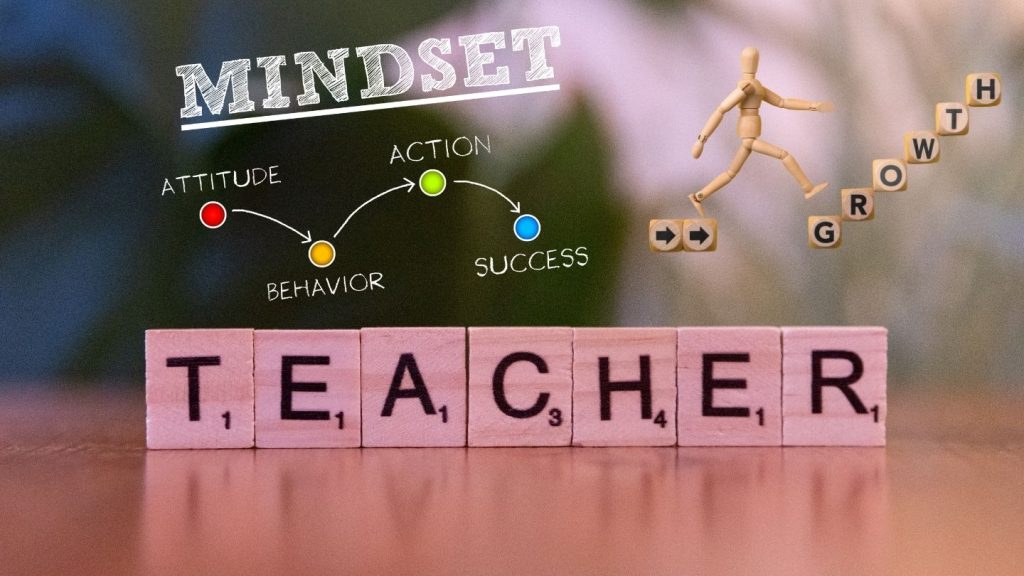
Leveraging Self-Efficacy to Enhance Resilience
To truly grasp the relationship between self-efficacy and resilience, we must delve into how self-belief can become a powerful ally in facing challenges. Research indicates that individuals with a strong sense of self-efficacy are more likely to engage in problem-solving behaviors, thus reinforcing their capacity to cope with stressors. This is particularly relevant in an era where mental fortitude is tested daily, whether one is navigating through a demanding job market or grappling with personal life changes. Below are key insights that illuminate the value of self-efficacy in building resilience:
- Enhanced Coping Strategies: Individuals with high self-efficacy perceive stressors as manageable, which leads them to formulate effective coping strategies. For instance, a teacher facing a challenging classroom may employ diverse teaching methods to engage students effectively, instead of becoming overwhelmed. This proactive approach not only mitigates stress but also fosters a resilient mindset.
- Positive Outlook: Self-efficacy encourages a positive perspective on setbacks. Those who believe in their capabilities often view failures as temporary and surmountable. A notable example is that of entrepreneurs who, despite facing multiple business failures, harness their self-efficacy to pivot and try again, ultimately leading to eventual success.
- Increased Confidence to Act: When individuals trust in their abilities, they are more likely to step out of their comfort zones and seize new opportunities. This is particularly crucial in the United States, where innovation and risk-taking are celebrated. For instance, professionals in dynamic industries like tech are often driven by their belief in their skills to experiment with groundbreaking projects, notwithstanding the potential for failure.
The foundation of resilience is not solely built on overcoming hardships but rather in the confidence to confront them head-on. With self-efficacy acting as a catalyst, individuals can cultivate an enduring ability to recover from setbacks, nurturing resilience in all aspects of their lives. As we further explore the synergy between self-efficacy and the growth mindset, it becomes evident that this relationship is paramount in developing the mental agility required to thrive amidst life’s uncertainties.
Practicing Growth Mindset Techniques to Reinforce Self-Efficacy
Once an understanding of self-efficacy has been established, the next step is to harness it through practices grounded in a growth mindset. Techniques rooted in this philosophy can significantly bolster one’s resilience. Here are several strategies that implement growth mindset principles:
- Set Realistic Challenges: Engage in setting incremental challenges that stretch your capabilities. By accomplishing small tasks progressively, individuals can witness their growth firsthand, enhancing their self-efficacy.
- Reflect on Learning: After facing a challenge, take time to reflect on the lessons learned. This reinforces the understanding that each experience, favorable or unfavorable, contributes to personal and professional development.
- Surround Yourself with Growth-Minded Individuals: Engage with peers who possess a growth mindset. Their attitudes can inspire and motivate you to maintain high levels of self-efficacy and resilience.
In the subsequent sections, we will examine specific real-life examples and applications of these techniques, demonstrating how individuals across various fields in the United States can leverage self-efficacy and a growth mindset to navigate challenges and achieve success.
Self-efficacy, defined as the belief in one’s capabilities to achieve a goal or an outcome, plays a pivotal role in fostering resilience. Individuals with high self-efficacy are more likely to approach challenges with a constructive and positive attitude. This mindset not only affects how they confront obstacles but also how they rebound from setbacks. By applying growth mindset techniques—where individuals view challenges as opportunities for growth rather than insurmountable barriers—self-efficacy can be significantly enhanced.For instance, embracing constructive feedback is a hallmark of a growth mindset that strengthens self-efficacy. When individuals perceive feedback as a tool for improvement, they develop a greater willingness to engage in challenging tasks, enhancing their problem-solving skills and coping mechanisms. This shift in perspective paves the way for increased resilience, as those who continuously learn and adapt from their experiences build a reservoir of successful strategies they can draw upon during difficult times.Moreover, setting achievable yet challenging goals is a key element of both self-efficacy and resilience. When individuals set and accomplish these goals, they reinforce their belief in their abilities, subsequently boosting their motivation to tackle new challenges. This cycle of setting goals, receiving feedback, and achieving success encapsulates the dynamic interplay between self-efficacy and resilience—one enhances the other, creating a robust framework for personal growth and perseverance.Furthermore, social modeling, or the observation of others successfully overcoming obstacles, provides a powerful source of inspiration and reinforces self-efficacy. By witnessing peers or mentors embrace challenges, individuals begin to internalize the belief that they too can overcome difficulties. This modeling effect is essential in cultivating a resilient mindset, as it introduces real-world examples of how a growth mindset can lead to success.Incorporating practices that promote self-reflection and mindfulness is also instrumental in this process. These techniques enable individuals to step back, evaluate their experiences objectively, and learn from their outcomes, further solidifying the resilience built through self-efficacy. By fostering a culture of self-reflection, individuals are encouraged to reassess their beliefs and attitudes towards challenges, ultimately aiding their development of a more resilient and growth-oriented mindset.
DIVE DEEPER: Click here to discover how to turn setbacks into strengths
Transforming Challenges into Opportunities Through Self-Efficacy
As we dive deeper into the relationship between self-efficacy and resilience, it’s important to highlight how individuals can use their self-belief not just to cope but to transform obstacles into stepping stones for future success. The following elements illustrate how self-efficacy promotes a proactive approach to life’s difficulties and fosters a culture of perseverance and growth.
- Embracing a Fail-Forward Mentality: In an ever-competitive landscape, particularly in the United States, the fear of failure can paralyze even the most talented individuals. However, those who harness self-efficacy develop a “fail-forward” mentality. This educational approach, popularized by entrepreneurs and leaders alike, encourages individuals to view failure as an essential part of the learning process. For instance, many successful tech innovators, such as Elon Musk, have emphasized that their groundbreaking achievements are deeply rooted in their ability to embrace failures as learning experiences that inform future endeavors.
- Utilizing Feedback Constructively: Rather than viewing feedback as criticism, resilient individuals with high self-efficacy embrace constructive criticism as a gateway to improvement. Whether it’s performance reviews at work or feedback on a project, this perspective allows for continuous personal development. A study conducted by the Harvard Business Review revealed that employees who adopt a growth mindset show a significantly higher retention of information from feedback and apply it effectively in their roles. This feedback loop not only enhances individual capabilities but also strengthens their resilience, enabling them to adapt to evolving circumstances.
- The Power of Goal Setting: Setting achievable yet challenging goals is a crucial technique for reinforcing self-efficacy. The process of setting, pursuing, and achieving these goals creates a pathway for realizing one’s potential. In educational settings, for instance, teachers who utilize personalized goal-setting strategies often witness greater student engagement and achievement. A report by the American Psychological Association highlighted that students who are encouraged to set realistic and attainable objectives typically exhibit higher levels of academic resilience—an essential characteristic for lifelong success.
- Seeking Out Challenges: Individuals with high self-efficacy actively seek challenges as opportunities for personal growth. This willingness to step outside comfort zones can lead to remarkable insights and accomplishments. One inspiring example can be found in the world of sports, where athletes often push their limits not only to compete but to break records. The resilience cultivated through challenging physical regimes directly correlates with their mental fortitude in other life areas, including academics and careers.
By redefining the narratives surrounding challenges, individuals can foster resilience through enhanced self-efficacy. The implications of such transformations extend beyond personal anecdotes and experiences; they have the potential to cultivate resilient communities and workplaces. As we continue to explore these principles, the focus will shift towards practical applications and real-life success stories that exemplify the enduring link between self-efficacy, resilience, and a growth mindset in the American context.
DISCOVER MORE: Click here to learn about the impact of positive reinforcement
Conclusion: The Transformative Potential of Self-Efficacy in Resilience Building
In summary, the intricate relationship between self-efficacy and resilience underscores the vital role of self-belief in navigating life’s complexities. By adopting a growth mindset and implementing techniques such as embracing failures, utilizing constructive feedback, setting achievable goals, and actively seeking challenges, individuals can significantly enhance their resilience. The ability to transform setbacks into opportunities is not merely a personal asset but also a cornerstone for thriving communities and organizations.
The insights gleaned from the intersection of self-efficacy and resilience suggest that fostering environments that celebrate growth and adaptability can yield remarkable outcomes. Organizations that prioritize these principles often witness increased employee engagement and productivity, while educators who emphasize a growth mindset instill resilience in students, preparing them for future challenges. Furthermore, research indicates that resilient individuals positively influence those around them, creating a ripple effect that strengthens communal bonds and collective resilience.
The journey to resilience is ongoing, and by continually cultivating self-efficacy through practical strategies, everyone—from students to professionals—can prepare themselves to confront adversity with confidence and determination. As we explore real-life success stories and practical applications of these concepts, we are reminded that embracing the power of self-efficacy not only transforms personal narratives but also champions a broader cultural shift towards resilience and growth. With this understanding, we stand at the precipice of a new era where resilience is not the exception but the expectation in our ever-evolving world.
Related posts:
Developing Resilience Through Empathy: Interpersonal Connections and Growth Mindset
Resilience Strategies in Times of Crisis: How a Growth Mindset Facilitates Adaptation and Overcoming
The Importance of Vulnerability in Building Resilience: How a Growth Mindset Can Transform Challenge...
Daily Practices to Strengthen Resilience: Growth Mindset Techniques That Can Be Incorporated into Ro...
Building Resilience Through Vulnerability Growth Mindsets Role
Growth Mindset and Resilience: Learning from Mistakes to Strengthen Character

Linda Carter is a writer and growth mindset specialist with expertise in cognitive development and resilience training. With extensive experience helping individuals transform limiting beliefs and unlock their potential, she shares practical mindset strategies on our platform. Her goal is to empower readers with science-backed techniques to cultivate adaptability, embrace challenges, and achieve continuous personal and professional growth.