The Role of Resilience in Adopting a Growth Mindset

The Importance of Resilience in Facing Challenges
In today’s rapidly evolving world, the ability to adapt is far more than a skill; it’s a necessity. Embracing challenges and navigating setbacks can define our personal and professional journeys. A crucial element that facilitates this adaptability is resilience. This inherent quality empowers individuals to recover from disappointments swiftly and approach their goals with renewed vigor, regardless of the obstacles they face.
The connection between resilience and a growth mindset reveals powerful paths to success. Individuals with a growth mindset view challenges not as insurmountable barriers but rather as opportunities for learning and growth. Here are insightful dimensions that highlight this relationship:
- Resilience allows for learning: Resilient individuals are typically more inclined to view failure as a necessary step toward success. For example, J.K. Rowling famously faced numerous rejections before finally publishing the Harry Potter series, which went on to become a global phenomenon. Each ‘no’ she received bolstered her resolve, shaping her into the iconic author she is today.
- Adaptability is crucial: The ability to pivot in response to new and often unexpected challenges is a hallmark of resilience. In the workplace, this might manifest as embracing new technologies or adapting to sudden shifts in market dynamics. Companies like Kodak, which failed to modernize and adapt, serve as cautionary tales while tech-savvy firms like Netflix illustrate the value of resilience through their successful transitions from DVD rentals to streaming services.
- Emotional strength builds capability: Maintaining composure during adversity not only prepares individuals for future challenges but also fosters a mindset aimed at progress. Consider the story of Thomas Edison, who famously failed over a thousand times before inventing the lightbulb. His unwavering emotional strength during repeated failures was fundamental in realizing his vision, demonstrating how resilience fuels innovation.
By consciously incorporating these traits into our everyday lives, we lay the groundwork for transformation. Nurturing resilience enables us to cultivate a growth mindset, which is essential for achieving both personal aspirations and professional advancements. It encourages curiosity, creativity, and a willingness to take calculated risks.
Delving further into the synergy between resilience and a growth mindset reveals actionable strategies for overcoming barriers. By learning how resilience influences our attitudes, enhances our capabilities, and opens doors to new opportunities, we become better equipped to face the inevitable challenges of life. Ultimately, fostering resilience not only enriches our current experiences but also sets the stage for future successes in a world that is ever in flux.
DISCOVER MORE: Click here to learn effective goal-setting strategies
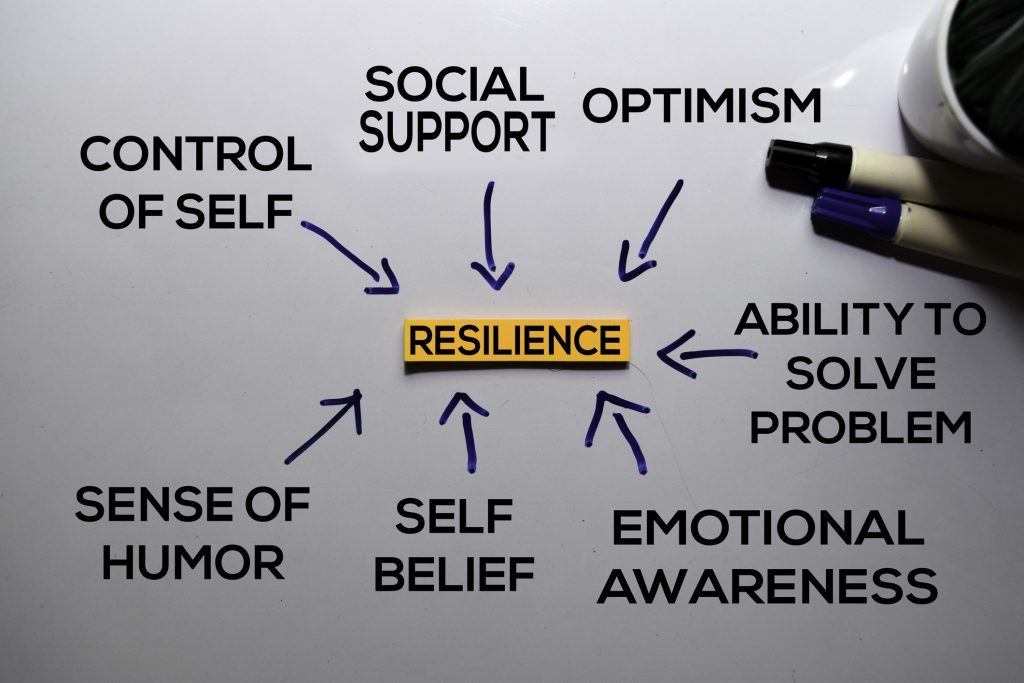
Unlocking Potential Through Resilience
Resilience serves as the backbone of a growth mindset, enabling individuals to thrive in the face of adversity and setbacks. In an era characterized by rapid technological advancements and market fluctuations, cultivating resilience not only eases the burden of challenges but also illuminates pathways previously obscured by fear and uncertainty. By understanding the pivotal role of resilience, we can better appreciate how it emboldens our inclination toward growth.
At its core, resilience can be defined as the ability to recover from difficulties and maintain a sense of purpose amidst chaos. This quality is not merely an innate trait; it can be developed and strengthened over time through consistent effort and practice. Importantly, the transformation of challenges into opportunities significantly contributes to an individual’s capacity for innovation and personal development.
Here are several aspects illustrating how resilience enhances the adoption of a growth mindset:
- Embracing Failure: Resilient individuals often perceive failure as a learning experience rather than a defeat. A prime example is the story of Oprah Winfrey, who faced numerous obstacles in her career, including a challenging upbringing and setbacks in her early career as a news anchor. Yet, her resilience transformed these challenges into stepping stones to success, leading her to become a prominent media mogul. This mindset shift encourages exploration and experimentation, essential components of growth.
- Persistence in the Face of Challenges: Resilience equips individuals with the tenacity needed to persist despite obstacles. The journey of athletes provides a compelling illustration of this. Consider Michael Jordan, who was famously cut from his high school basketball team. Rather than being discouraged, he doubled down on practice and training, demonstrating that resilience in the face of initial failure ultimately paved the way for extraordinary achievements. This relentless pursuit of improvement is what defines a growth mindset.
- Building a Support System: Resilience often thrives within a community. Individuals who cultivate supportive relationships tend to bounce back from setbacks more effectively. Building connections with mentors, peers, and community members creates a network that fosters encouragement and feedback, essential for personal and professional growth. Programs like mentorship initiatives in schools and workplaces are excellent opportunities for developing resilience through collaboration.
As we explore these dimensions of resilience, it becomes increasingly evident that our capacity to learn and evolve is deeply intertwined with how we manage adversity. In a landscape where change is constant and often overwhelming, embracing resilience allows us to adopt a growth mindset effectively. It forms the essence of progress, encouraging individuals to push boundaries, challenge norms, and ultimately redefine success on their own terms. By integrating resilience into our daily routines, we not only fortify ourselves against setbacks but also lay the groundwork for a fulfilling, dynamic future.
| Advantage | Description |
|---|---|
| Enhanced Problem-Solving Skills | Resilience encourages individuals to view challenges as opportunities for learning, ultimately improving their problem-solving abilities. |
| Increased Motivation | Those with a growth mindset, supported by resilience, are generally more motivated to pursue their goals despite setbacks, creating a cycle of continuous self-improvement. |
Resilience is an essential component for nurturing a growth mindset, primarily because it allows individuals to bounce back from failures and learn valuable lessons along the way. For example, when faced with obstacles, resilient individuals often analyze their approaches, adapting and modifying strategies which lead to enhanced problem-solving capabilities. This adaptive thinking can transform failures into stepping stones for growth.Moreover, resilience instills a sense of determination. This drive enhances motivation, encouraging individuals to remain focused on their goals despite setbacks. As people encounter and overcome adversity, they reinforce the belief that abilities can improve over time. This is a critical aspect of the growth mindset—recognizing the value of persistence leads to higher achievement and personal growth. Understanding these elements is vital for anyone looking to cultivate a mindset that embraces both challenges and opportunities for improvement.
DISCOVER MORE: Click here to learn about positive reinforcement strategies
The Intersection of Resilience and Adaptability
Resilience is not only about bouncing back from challenges; it plays a crucial role in enhancing adaptability. In today’s world, the ability to pivot and adjust to new circumstances is paramount. Resilient individuals are often better equipped to embrace change, as they possess the mindset that obstacles are temporary and change leads to growth. This adaptability is integral to fostering a growth mindset, where individuals view challenges as opportunities rather than roadblocks.
Many entrepreneurs exemplify the symbiotic relationship between resilience and adaptability. For instance, the story of Elon Musk illustrates this dynamic remarkably well. After experiencing initial failures with SpaceX, including multiple launch failures, Musk’s resilience and willingness to learn from mistakes ultimately led to significant advancements in space technology. His journey underscores how adaptability, rooted in resilience, can drive innovation and progressive outcomes.
Furthermore, resilience enhances our ability to focus on the process rather than solely on the results. This shift in perspective is vital in developing a growth mindset. When individuals prioritize learning and effort over immediate success, they cultivate a deeper appreciation for the journey of personal and professional development. Strategies such as reflection and goal-setting can bolster resilience, leading to increased persistence and engagement in growth-oriented activities.
- Cultivating a Positive Self-Talk: Resilience thrives on the mindset that champions positive self-talk. By replacing negative thoughts with affirmations, individuals cultivate a mental environment conducive to growth. A study published in the Journal of Positive Psychology demonstrated that participants who engaged in positive self-talk reported greater resilience and improved performance in challenging situations.
- Seeking Feedback: Resilient individuals actively seek feedback to foster growth. They view constructive criticism as a pathway to improvement rather than a personal attack. This desire for input enables them to adjust their strategies and continually refine their approach. For example, in the tech industry, many successful developers routinely solicit feedback during beta testing to understand user experiences and enhance product quality—highlighting the power of resilience in accepting and acting on feedback.
- Mindfulness Practices: Incorporating mindfulness techniques can significantly bolster resilience. Practices such as meditation and deep-breathing exercises have been shown to improve emotional regulation, reducing stress levels and enhancing overall resilience. These techniques foster a growth mindset by promoting a calm, focused attitude even when faced with adversity, allowing for more thoughtful responses to challenges.
Resilience serves as a bridge to adaptability, fostering an environment where individuals feel empowered to explore new ideas and perspectives. As workplaces evolve and personal challenges persist, the ability to sustain resilience while surrendering rigidity becomes essential. Recognizing that growth stems from ongoing learning and adaptation can herald a new wave of opportunities and insights applicable in both personal and professional domains. The intertwining of resilience and adaptability highlights its undeniable value in adopting a robust growth mindset, giving individuals the confidence to pursue their aspirations relentlessly.
DISCOVER MORE: Click here to learn about resilience
Conclusion: Embracing Resilience for Sustainable Growth
In the quest for personal and professional development, resilience emerges as a fundamental pillar that empowers individuals to adopt a growth mindset. The interplay between these two vital attributes enables people to navigate obstacles with agility and determination, transforming setbacks into stepping stones for success. By fostering resilience, individuals not only learn to embrace change but also enhance their capacity for adaptability, a crucial skill in today’s fast-paced world.
The examples of innovators like Elon Musk, who demonstrate resilience in the face of challenges, remind us that failure is often a precursor to significant breakthroughs. The journey of growth is reinforced by practices such as positive self-talk, seeking feedback, and engaging in mindfulness—each a pathway to cultivate a resilient mindset. These strategies encourage a focus on learning and process rather than mere outcomes, paving the way for ongoing development.
Ultimately, the role of resilience in adopting a growth mindset extends beyond individual experiences; it influences team dynamics and organizational cultures, fostering environments where creativity and open-mindedness flourish. As more individuals recognize the importance of resilience in their growth journey, they open the door to endless possibilities and transformation. Investing in resilience is not just a necessity but a strategic advantage that can lead to sustainable success in an ever-evolving landscape.
Related posts:
Transforming Fears into Motivation: Embracing Challenges as a Tool for Growth
The Art of Embracing the Unknown: How Unexpected Challenges Can Stimulate Creativity
Building Trust Through Overcoming: How Facing Challenges Can Strengthen Your Self-Esteem
Cultivating a Growth Mindset: Daily Practices to Face Challenges with Confidence
Boost Personal Resilience Embrace Challenges for Growth Strength
How Overcoming Challenges Drives Personal Development

Linda Carter is a writer and growth mindset specialist with expertise in cognitive development and resilience training. With extensive experience helping individuals transform limiting beliefs and unlock their potential, she shares practical mindset strategies on our platform. Her goal is to empower readers with science-backed techniques to cultivate adaptability, embrace challenges, and achieve continuous personal and professional growth.