The role of hydration in pet nutrition: how to ensure your pet drinks enough water
Understanding Hydration in Pets
Every pet owner knows that hydration is essential, but the nuances of pet nutrition often get overlooked. Water is not just a basic need; it’s a critical component of your furry friend’s overall health. Proper hydration can influence everything from digestion to energy levels and even cognitive function.
Key Benefits of Adequate Hydration
Ensuring your pet drinks enough water offers a plethora of benefits that are vital for their well-being:
- Maintains body temperature – Water is crucial in helping to regulate your pet’s body temperature, particularly during the warmer months. Dogs and cats can easily overheat, and sufficient hydration helps cool their system.
- Promotes joint health – Adequate hydration is essential for lubricating joints, thus enhancing mobility and comfort, especially in older pets. This can prevent conditions like arthritis from worsening.
- Enhances digestion – Proper hydration aids in nutrient absorption, ensuring that your pet can benefit from their food. Additionally, it helps to prevent constipation and reduce the risk of urinary tract issues, which are particularly prevalent in cats.
Yet, many pet owners are unaware of how much water their pets actually need. Factors such as age, size, and activity level all significantly affect hydration requirements. For example, puppies and kittens may require more water relative to their weight compared to adult pets because they are still growing. Likewise, highly active dogs need extra hydration to replace fluids lost during play and exercise.
Encouraging Your Pet to Drink More Water
Are you wondering how to encourage your pet to drink more? Here are some practical strategies:
- Provide fresh water daily – Ensure that your pet has access to clean water at all times. Consider using a refillable water bowl and change the water regularly to keep it enticing.
- Utilize pet-friendly water fountains – Many pets are attracted to running water. Using a pet water fountain can stimulate their interest and encourage them to drink more.
- Incorporate wet food into their diet – Wet food has a higher moisture content, which can significantly boost your pet’s overall hydration. Mixing wet and dry food can provide the benefits of both.
Moreover, you can consider adding flavor to the water, such as low-sodium broth, to encourage drinking. For certain pets, even ice cubes can be a fun way to engage them with their water bowl.
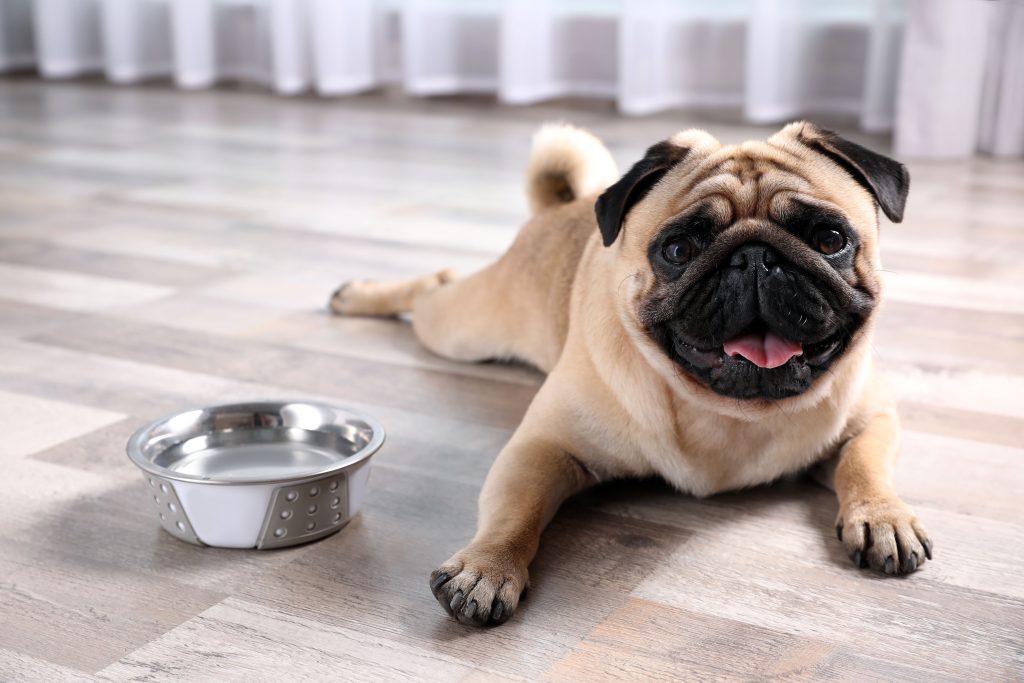
By actively focusing on hydration, you set the stage for a thriving and energetic pet. It’s not just about keeping them hydrated; it’s about enhancing their quality of life. Dive deeper into the essential role of hydration in pet nutrition and discover practical tips on keeping your beloved companion well-hydrated. Remember, a well-hydrated pet is a happy, healthy pet!
DISCOVER MORE: Click here to find your family’s perfect pet
Understanding Your Pet’s Water Needs
Just as we measure our daily water intake, understanding your pet’s hydration requirements is fundamental in maintaining their health and vitality. While it may seem straightforward, several factors influence how much water your pet needs, and being aware of these can help you make informed decisions. On average, pets should consume about 1 ounce of water per pound of body weight each day, but this can vary significantly based on factors such as age, diet, and climate.
Factors Influencing Hydration Requirements
Being mindful of various elements that affect hydration can empower you to tailor your pet’s water intake. Here are some key points to consider:
- Age – Puppies and kittens are primarily composed of water, requiring more hydration compared to adult pets. As they grow, their water needs may stabilize.
- Diet – If your pet primarily eats dry kibble, they will need additional water to compensate for the lack of moisture in their food. In contrast, pets consuming wet food can maintain hydration through their meals.
- Activity Level – High-energy pets that play regularly or undergo rigorous exercise will naturally lose more fluids through panting and perspiration and thus require higher hydration levels.
- Environmental Conditions – Pets living in warmer climates or those exposed to air conditioning may experience increased fluid loss. Keeping an eye on the temperature and humidity could inform your hydration strategy.
These factors not only inform your pet’s basic water needs but also reflect the importance of keeping a consistent check on their hydration status. Pay attention to subtle signs of dehydration, such as lethargy, dry gums, or decreased elasticity of the skin. If you observe any of these symptoms, it may indicate your pet is not drinking enough water, necessitating immediate attention.
Creative Ways to Boost Your Pet’s Water Intake
If your pet is reluctant to drink adequate water, several creative solutions can enhance their hydration journey:
- Interactive Bowls – Invest in specially designed feeding bowls that engage your pet and encourage them to drink more frequently.
- Ice Treats – Consider freezing water or low-sodium broth in ice cube trays to create tasty ice cubes that pets can enjoy, especially during warmer months.
- Smart Water Dispensers – Automated and sensor-activated fountains not only keep the water fresh but also engage pets with the movement of water, making it more appealing.
Taking these creative measures can support your furry friend in not just meeting their hydration needs, but also enriching their daily water-drinking routine. By understanding the multifaceted role hydration plays in pet nutrition, you lay the groundwork for a healthier and happier companion.
Continuing our exploration of the crucial role of hydration in pet nutrition, it’s essential to understand the various factors that influence how much water your pet needs. Just like humans, pets require adequate hydration to maintain their overall health, support digestion, and promote effective metabolic functions. However, the amount of water needed can vary significantly based on several parameters.
One of the primary factors is activity level. More active pets typically need more water to stay hydrated, especially after playtime or exercise. Pet owners should monitor their pets’ behavior, as increased thirst can be a tell-tale sign that they’re burning through more fluids than usual. Additionally, weather plays a vital role; on hot days, pets lose water more rapidly through panting and increased respiration, necessitating more frequent drinking.
Understanding Different Needs
Moreover, dietary choices can affect hydration. Wet food not only provides nutrition but also contributes to your pet’s water intake, often making them drink less from their water bowl. On the flip side, if your pet primarily consumes dry kibble, it’s crucial to ensure they have easy access to fresh water at all times. Understanding your pet’s specific nutritional needs can guide you in providing a balanced diet that supports proper hydration.
The age of your pet also plays a role in hydration needs. Senior pets may not drink as much due to health issues such as kidney disease, which is more common in older animals. In such cases, owners must be vigilant and proactive, offering water at frequent intervals and considering consulting a veterinarian for tailored advice on maintaining adequate hydration levels.
Tips for Managing Water Intake
To encourage your pet to drink more, consider using a pet water fountain. These devices mimic flowing water, which can intrigue pets and prompt them to drink more frequently. Additionally, adding water to their food or incorporating ice cubes into their bowl not only makes drinking more fun but also enriches their eating experience.
Overall, ensuring your pet drinks enough water is a proactive measure that contributes significantly to their long-term health. With awareness and tailored strategies, pet owners can help their companions thrive through proper hydration.
| Hydration Aspect | Impact on Pet Health |
|---|---|
| Activity Level | Higher activity increases thirst, leading to better hydration. |
| Dietary Influence | Wet food can help with hydration, while dry food requires more drinking. |
| Age Considerations | Older pets may need monitoring for adequate water intake due to health issues. |
| Weather Conditions | Hot weather increases water loss, requiring pets to drink more. |
DON’T MISS: Click here for essential adoption tips
Practical Tips for Monitoring Water Intake
Ensuring your pet remains properly hydrated is not merely a passive endeavor; it requires active monitoring and engagement. Fortunately, there are numerous practical strategies that can assist you in keeping track of your pet’s water consumption, thus supporting their overall health and well-being.
Utilizing Measurement Techniques
One of the most effective methods for monitoring your pet’s hydration levels is to measure their water intake. This can be accomplished using the following techniques:
- Water Bowl Measurements – Begin the day by filling your pet’s water bowl with a measured amount of water. At the end of the day, subtract the remaining water to estimate how much your pet has consumed.
- Weighted Water Bowls – A more precise method involves using a digital scale. Place the full bowl on the scale, note the weight, and then weigh it again once your pet has had access to it for several hours to calculate the water consumed.
By being conscious of how much water your pet is drinking, you can quickly identify any concerning trends and take action as necessary.
Incorporating Hydration into Daily Routines
Integrating hydration practices into your pet’s daily routine can also make a substantial difference. Here are some innovative ideas:
- Establishing a Drinking Schedule – Just like humans may hydrate at specific times, setting regular intervals for your pet to drink can encourage them to consume water habitually.
- Hydration as Play – Use water-related games to promote drinking. For instance, you could set up water fetch games with toys that can be filled with water, enticing your pet to engage in play and hydration simultaneously.
These methods encourage an ongoing dialogue about hydration, making the act of drinking more enticing and less of a chore for your pet.
The Importance of Fresh, Clean Water
The quality of water offered to your pet plays a vital role in ensuring adequate hydration. Pets are known to be sensitive to taste and smell, and if the water they drink is stale or contaminated, they may avoid it altogether. Here are some ideas to guarantee your pet has access to clean, fresh water at all times:
- Daily Refills – Change your pet’s water at least once a day. A good practice is to wash their water bowl with soap and water to eliminate any buildup of bacteria.
- Filtered Water – Just like humans, pets can benefit from the purity of filtered water. Consider using a pet water filter to remove impurities that may deter your pet from drinking.
- Use Preferred Container – Some pets prefer ceramic or stainless steel bowls over plastic due to the latter’s ability to retain odors. Experiment to find what your pet prefers.
By ensuring that your pet has access to clean, appealing water, you can significantly improve their willingness to drink.
Monitoring and encouraging proper hydration goes hand in hand with your commitment to the overall health of your pet. By understanding their needs and employing engaging and practical strategies, you can play an essential role in ensuring that they drink enough water daily, leading to longer, healthier lives for your furry companions.
DON’T MISS: Click here for essential tips on preparing your home for a new pet
Conclusion
In the realm of pet nutrition, hydration emerges as a cornerstone of overall health and vitality. Just as a well-balanced diet is crucial for your furry friend, adequate water intake is indispensable for ensuring their well-being. By recognizing the importance of hydration, pet owners can take proactive steps to safeguard their pets against the adverse effects of dehydration, which can lead to serious health issues such as kidney disease and urinary problems.
Through monitoring water intake with practical techniques or by instilling hydration habits in your pet’s daily routine, you can make a noticeable difference in their overall health. Remember, the quality of water also matters—a commitment to providing fresh, clean water can greatly enhance your pet’s willingness to drink, ensuring they stay hydrated. As guardians of your pets, it is your responsibility to tailor these hydration strategies to fit their unique needs, whether they are playful puppies or wise senior companions.
In conclusion, prioritizing hydration not only supports your pet’s physical health but also fosters a deeper bond between you and your beloved companion. Embracing the role of hydration in pet nutrition will lead to happier, healthier lives for your pets, encouraging exploration and joy in their everyday activities. As you continue on this journey of pet care, let hydration be a vital part of the conversation, leading both you and your pet to a thriving existence together.
Related posts:
The effects of nutrition on the coat and skin of pets
How Nutrition Can Help Prevent Chronic Diseases in Cats
Homemade Food for Pets: Benefits and Risks Associated with Personalized Nutrition
Essential Nutrients for the Healthy Development of Puppies
The influence of nutrition on the longevity of pets
Balanced Nutrition for Long-Term Dog Cat Health Why It Matters

Linda Carter is a writer and pet care expert specializing in pet health, grooming, and wellness. With extensive experience helping pet owners create safe, loving, and enriching environments for their animals, Linda shares her knowledge on our platform. Her goal is to empower readers with practical advice and strategies to ensure their pets thrive and lead joyful, healthy lives.