The relationship between nutrition and mental health in pets
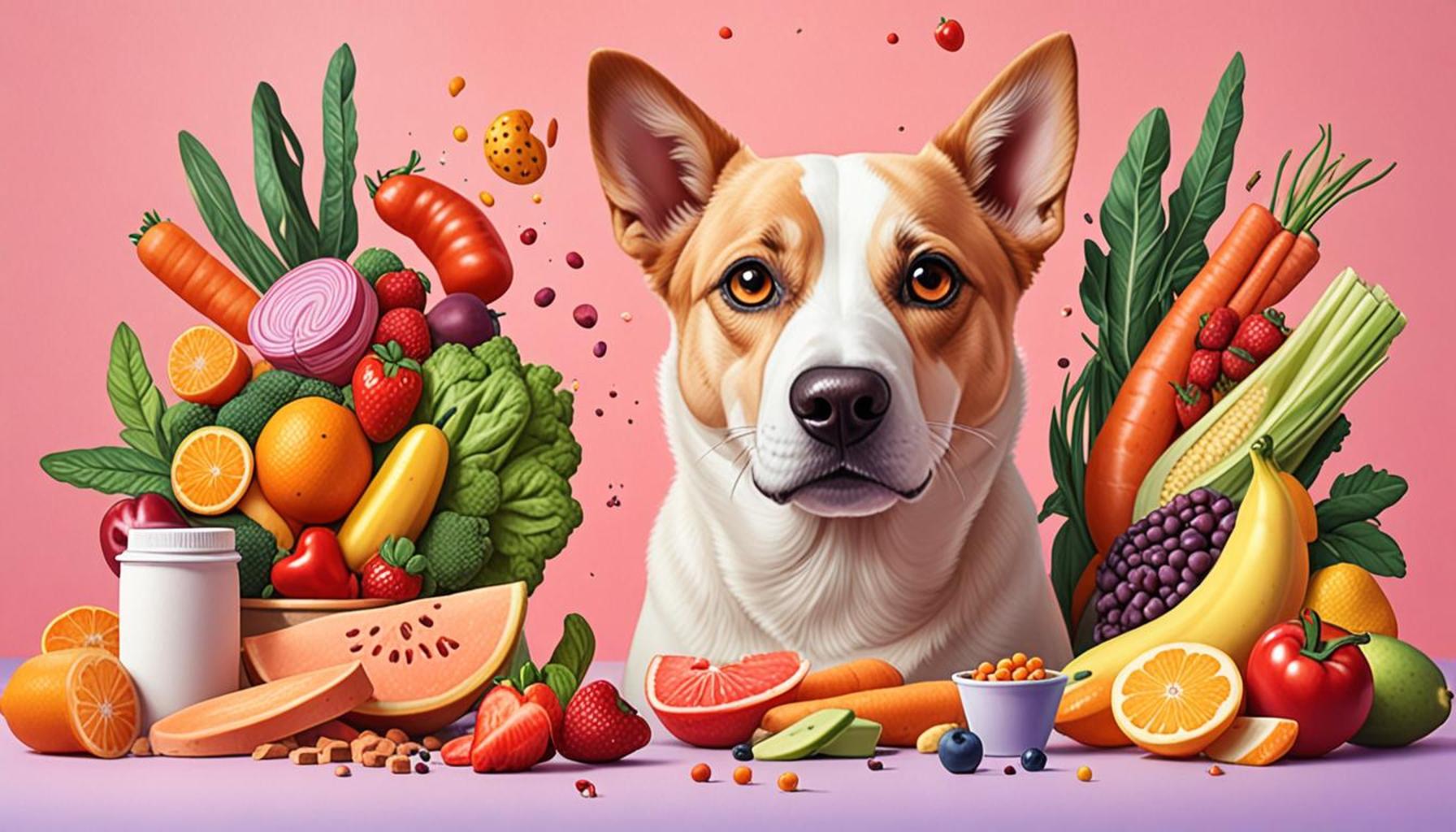
The Role of Nutrition in Pet Mental Health
Nutrition plays a crucial role in the mental well-being of our beloved pets. Just like humans, pets can experience fluctuations in their mental health, often influenced by what they consume. A balanced diet not only fuels their bodies but also supports their minds. Pet owners must pay attention to what their furry companions eat, as it can be the key to not just physical health, but emotional stability.
The Key Aspects of Nutrition and Mental Health
- Essential Nutrients: Omega-3 fatty acids and antioxidants are vital for maintaining cognitive function. Omega-3s, found in fish oil and flaxseed, can enhance brain health and reduce symptoms of stress and anxiety. Antioxidants, which are present in fruits like blueberries, help protect brain cells from damage, improving overall mood. In fact, studies have shown that dogs supplemented with omega-3s display lower stress levels during challenging situations.
- Dietary Impact: Poor nutrition can lead to significant behavioral issues such as anxiety and aggression. For example, a diet lacking in essential vitamins may increase irritability in pets, making them more prone to mood swings. A study published in the journal Journal of Veterinary Behavior highlights that dogs with poorer nutrition exhibited more aggressive behaviors compared to those with balanced diets. This connection emphasizes the importance of healthy eating in preventing behavioral problems.
- Type of Food: The choice between commercial kibble and homemade diets can affect your pet’s mood and energy levels. While some pet owners may prefer the convenience of commercial food, it’s critical to assess the ingredient quality. Kibble with fillers and artificial additives can lead to lethargy and moodiness. Conversely, a well-planned homemade diet can boost energy and improve overall mental health, provided it meets nutritional guidelines.
Understanding this intricate relationship between diet and mental health is essential for every pet owner who wants to enhance their furry friend’s quality of life. Incorporating the right ingredients can boost not only their physical health but also their emotional stability. For instance, introducing a variety of proteins and whole grains can help alleviate moodiness and enhance their overall vitality. Observing how your pet responds to dietary changes can offer valuable insights into their mental well-being.
What’s Coming Up
This article will delve into how proper nutrition contributes to a happy and well-adjusted pet. Explore the various nutrients that can enhance your pet’s mental health, alongside tips for choosing the right diet. From understanding the benefits of specific vitamins to discussions on the pros and cons of various diet types, discover how you can make informed decisions that pave the way for a healthier, happier companion.
DIVE DEEPER: Click here for essential tips on preparing your home for a new pet
Understanding the Nutritional Needs of Pets for Optimal Mental Health
To fully grasp the connection between nutrition and mental health in pets, it is essential to recognize the specific nutritional needs that support cognitive function and emotional well-being. A pet’s diet should consist of a balanced mix of proteins, carbohydrates, fats, vitamins, and minerals, each playing a pivotal role in maintaining not only physical health but also psychological stability. Let’s explore how these nutrients contribute to a pet’s mental state.

Essential Nutrients for Cognitive Function
Just as humans require a range of nutrients for optimal health, pets also depend on a variety of key ingredients to support their mental capacities. Most notably, amino acids, which are the building blocks of proteins, are crucial for the production of neurotransmitters that regulate mood and behavior. For instance, the amino acid tryptophan is necessary for serotonin production—a chemical linked to feelings of happiness and tranquility.
- Vitamins and Minerals: Micronutrients such as B vitamins, zinc, and selenium have been linked with cognitive performance. B vitamins, particularly B6, B12, and folate, are vital for brain health, aiding in the production of neurotransmitters that influence mood. A diet deficient in these vitamins can contribute to depressive symptoms and behavioral issues.
- Omega-3 Fatty Acids: These polyunsaturated fats are abundant in fish oil and flaxseed. They not only support brain development but also help regulate inflammation that could exacerbate mental health issues. Research has demonstrated that pets receiving omega-3 fatty acids in their diet exhibit reduced anxiety levels and improved cognitive functions.
- Fiber: While often overlooked, the digestive health of pets affects their overall mood. A high-fiber diet can aid gut health, which has been increasingly linked to mental health—a connection often referred to as the “gut-brain axis.” This relationship suggests that a well-balanced diet promoting healthy digestion can lead to an improved emotional state.
Moreover, the timing and frequency of meals can further influence a pet’s mood and behavior. Studies suggest that feeding pets regular, scheduled meals can reduce anxiety, as they learn to anticipate when food will be available, fostering a sense of security. Conversely, erratic feeding schedules or an irregular diet can lead to stress and unpredictable behavior in pets.
Real-Life Implications: Observing Changes in Your Pet
As pet owners revise their pets’ dietary habits, close observation is key. Changes in behavior may signal a need for dietary adjustments. For example, a pet that becomes less active or more irritable may benefit from an enriched diet with essential nutrients. Healthy, balanced nutrition could potentially lead to improved energy levels and a more stable mood over time. Recognizing and tracking these changes can help owners make informed decisions about their pet’s diet and general well-being.
By understanding these essential components of a pet’s diet, owners can take proactive steps toward fostering better mental health for their furry companions. Awareness of how nutrition directly impacts behavior and mood can make all the difference in ensuring a happy, healthy pet.
| Category | Details |
|---|---|
| Nutrient-Rich Diets | A well-balanced diet boosts mental health by improving mood and cognitive function in pets. |
| Omega-3 Fatty Acids | These acids are linked to reduced anxiety and improved behavior, enhancing overall pet welfare. |
| Antioxidants | Antioxidants support brain health, helping prevent cognitive decline, especially in older pets. |
| Probiotics | A healthy gut contributes to a healthy mind, underscoring the gut-brain connection in pets. |
In the exploration of the connection between nutrition and mental health in pets, it becomes critical to understand how various dietary components can significantly influence behavior and emotional well-being. A nutrient-rich diet, for instance, serves as the foundation for optimal brain function, aiding in the management of mood and anxiety levels.For pet owners, incorporating foods high in Omega-3 fatty acids is particularly beneficial. These fats, found in fish oils and certain seeds, have been associated with lower levels of anxiety and aggression in pets, promoting a calmer demeanor. Similarly, the inclusion of antioxidants—such as vitamins C and E—can lend invaluable support to cognitive health, particularly in senior pets, helping stave off cognitive decline effectively.Moreover, the growing body of research supports the role of probiotics in maintaining mental wellness. As studies delve deeper into the gut-brain axis, the connection between digestive health and emotional stability becomes increasingly apparent. Understanding the profound impact of a pet’s diet on its mental health encourages further investigation into nutritional strategies that could enhance the overall quality of life for our beloved companions.
DISCOVER MORE: Click here to learn why exercise is essential for your pet’s well-being
The Role of Diet in Behavioral Issues and Mental Health Disorders
Beyond basic cognitive functions, a pet’s diet plays a critical role in the management of various behavioral issues and mental health disorders. Many pet owners may not realize that certain eating patterns and food types can exacerbate conditions such as anxiety, depression, or even aggression. Moreover, just like in humans, some pets may experience sensitivities or intolerances to certain ingredients, triggering changes in behavior. Understanding these elements can empower pet owners to make more informed choices regarding their companions’ dietary needs.
Common Behavioral Issues Linked to Nutrition
A plethora of research highlights the strong association between nutrition and behavioral issues in pets. For example, a diet high in synthetic additives, excessive sugars, or low-quality proteins can result in hyperactivity or irritability. Ingredients such as artificial colors and preservatives, which are commonly found in mainstream pet foods, may irritate the gastrointestinal tract and lead to increased anxiety or aggression in sensitive pets.
- Food Sensitivities: Pets can develop sensitivities to specific proteins or carbohydrates such as beef, chicken, or grains. Common symptoms may include digestive distress, skin issues, and behavioral changes. For instance, a pet experiencing discomfort from a food intolerance may exhibit signs of anxiety or aggression due to unresolved physical pain.
- Poor Quality Ingredients: Diets lacking sufficient nutrition can lead to deficiencies that affect both physical and mental well-being. Ingredients with minimal biological value—like low-quality fillers—can deprive pets of essential nutrients, therefore impacting their mood and behavior. A noticeable behavior change or increased lethargy can signal the need for a dietary reevaluation.
- Overfeeding and Obesity: Overweight pets are not only at risk for physical health issues but can also suffer from mental health conditions. Obesity is often associated with an increased likelihood of anxiety and depression in pets. Ensuring a healthy weight can lead to improved behavior and emotional stability, demonstrating the connection between a proper diet and a happier pet.
Nutritional Strategies for Enhancing Mental Health
To tackle behavioral issues and promote positive mental health, pet owners can implement various nutritional strategies. One effective approach is to choose high-quality, species-appropriate diets that prioritize whole food ingredients and essential nutrients. Custom-formulated diets or natural food options can help address specific needs, often yielding faster results in behavior improvement.
Additionally, gradually introducing new foods can help pets adjust better and avoid gastrointestinal disturbance, which can exacerbate anxiety. Introducing probiotics—beneficial bacteria that support gut health—can also contribute to a happier, more stable mood. A healthy gut microbiome is increasingly recognized as a factor in mental wellness, underscoring the complex interrelations between diet and mental health.
Moreover, supplementation with natural mood enhancers, such as L-theanine (an amino acid) and specific vitamins, can also promote a sense of calm in anxious pets. Many products on the market today focus heavily on restoring balance and promoting serenity through nutrition. When combined with a proper and wholesome diet, these supplements can make a significant impact on a pet’s mental health.
As discussions about the connection between nutrition and mental health continue to evolve, an openness to reevaluating dietary choices will be pivotal for pet owners seeking to foster a better emotional state in their companions. Not only does complete nutrition enhance cognitive function, but it also forms the foundation upon which emotional resilience can flourish.
DISCOVER MORE: Click here to learn how natural nutrition can enhance your pet’s life
Conclusion: The Vital Link Between Nutrition and Mental Health in Pets
The intricate connection between nutrition and mental health in pets emphasizes the crucial role that diet plays in enhancing not just physical well-being but also emotional stability. As pet owners, recognizing the impact of dietary choices on behavioral issues can lead to significant improvements in our companions’ quality of life. From understanding how food sensitivities can cause anxiety and aggression, to the effects of poor-quality ingredients resulting in irritability or lethargy, it is clear that a well-balanced diet is pivotal in addressing these concerns.
Moreover, armed with the knowledge of various nutritional strategies, such as opting for species-appropriate foods, introducing probiotics, and utilizing natural mood-enhancing supplements, pet owners can proactively manage their pets’ mental health. These interventions offer not just a means of alleviating distress but also foster overall emotional resilience.
As we further delve into this evolving field, it becomes imperative for pet owners to continually reassess their furry friends’ nutritional needs. Through informed dietary choices, we can pave the way for happier, healthier pets, ultimately creating a fulfilling bond that enriches both their lives and our own. The journey towards optimal mental health in pets is undeniably influenced by our commitment to their nutrition—making conscious, informed choices today can lead to a brighter, calmer tomorrow for our cherished companions.
Related posts:
The importance of proper nutrition in feeding dogs and cats
Specific diets for pets with food allergies: options and necessary care
The role of hydration in pet nutrition: how to ensure your pet drinks enough water
Natural Food vs Commercial Pet Food Best Nutrition for Your Pets
The effects of nutrition on the coat and skin of pets
The relationship between diet and behavior in pets

Linda Carter is a writer and pet care expert specializing in pet health, grooming, and wellness. With extensive experience helping pet owners create safe, loving, and enriching environments for their animals, Linda shares her knowledge on our platform. Her goal is to empower readers with practical advice and strategies to ensure their pets thrive and lead joyful, healthy lives.