The Relationship between Long-Term Goals and Intrinsic Motivation in a Growth Mindset

Exploring the Interplay Between Long-Term Goals and Intrinsic Motivation
In a world that constantly pushes us for immediate results and quick gratification, understanding our internal drivers becomes not just beneficial but essential for navigating life’s complexities. The nuanced relationship between long-term goals and intrinsic motivation serves as a key mechanism in cultivating a resilient growth mindset. As individuals strive to harmonize these two aspects, they find not only purpose but also an enhanced capacity for both personal and professional growth.
To contextualize this relationship, let’s examine its fundamental components:
- Long-Term Goals: These are more than just distant aspirations; they provide a compass for our lives. By establishing purpose-driven objectives, individuals can make informed choices that align with their core values. For instance, a college student aiming to become a physician may dedicate significant time to studying, as that aligns with their ultimate dream of helping others in the medical field.
- Intrinsic Motivation: Engaging in tasks for the sheer joy or satisfaction they bring can lead to increased creativity and persistence. A writer crafting stories or a musician honing their craft may feel an inherent joy that fuels their passion, leading to a higher quality of work and more original contributions.
- Growth Mindset: This psychological framework emphasizes the belief that abilities and intelligence can be developed. When individuals embrace challenges and view setbacks as opportunities for growth, they are more likely to pursue their long-term goals with tenacity. Consider athletes who, despite injuries, remain committed to training, fueled by a desire to improve and achieve their long-term aspirations.
Numerous studies underpin the advantages of aligning long-term goals with intrinsic motivations. For example:
- Academic Achievement: Research indicates that students who pursue their passions within their academic studies tend to achieve higher grades and report greater satisfaction in their educational journey. This speaks to the importance of finding a personal connection to one’s coursework.
- Career Success: Employees who take the initiative to develop skills relevant to their career path, driven by interest rather than obligation, often exceed expectations and contribute significantly to their organizations. Consider tech professionals who continuously learn new programming languages—they often find themselves at the forefront of innovation and leadership.
- Personal Well-Being: Individuals dedicated to meaningful pursuits report elevated levels of happiness. For instance, volunteers engaging in community service often speak of profound joy and fulfillment, which reinforces their commitment to such work.
As we navigate this compelling narrative, we will delve into effective strategies for setting long-term goals that can inspire intrinsic motivation. By learning to craft and pursue ambitions that resonate deeply, individuals can not only enhance their growth mindset but also redefine their potential for success across various spheres of life. Prepare yourself for insights that could pivot your approach toward achieving both personal satisfaction and professional excellence.
DISCOVER MORE: Click here
Understanding the Connection between Long-Term Goals and Intrinsic Motivation
The dynamic interplay between long-term goals and intrinsic motivation is central to fostering a robust growth mindset. When individuals set long-term goals, they create a vision for their future that transcends immediate challenges. This vision acts as a beacon that guides daily actions and decisions, ultimately enhancing intrinsic motivation. Intrinsic motivation emerges when individuals engage in activities for their inherent satisfaction rather than external rewards, allowing them to pursue their goals with sustained passion and commitment.
Research substantiates the connection between these components. A well-established framework for understanding this relationship is outlined in the Self-Determination Theory, which emphasizes the role of intrinsic motivation in fostering persistent engagement towards achieving long-term aspirations. According to this theory, fulfilling the psychological needs for autonomy, competence, and relatedness directly fuels intrinsic motivation. When individuals feel empowered and skilled in their pursuits, they are more likely to remain focused on their long-term goals.
To illustrate this further, consider the following examples of how this relationship plays out in different contexts:
- Educational Settings: Students motivated by a genuine interest in their subjects often excel academically. Their intrinsic desire to learn can lead them to engage deeply with the material, ultimately resulting in a higher comprehension and retention of information. A student who is excited about environmental science might dedicate countless hours to projects and research, driven not by grades but by a passion for sustainability.
- Professional Development: In the workplace, employees who pursue their career ambitions based on personal interests tend to flourish. Take the case of a marketing professional who immerses themselves in the latest digital trends out of genuine fascination; this individual not only enhances their skill set but also stands out as a valuable asset to their organization. Such intrinsic motivation can propel them to pursue innovative projects that align with their long-term career goals.
- Personal Growth: On a personal level, individuals engaged in hobbies that resonate with their core values—such as painting or physical fitness—often find significant joy and fulfillment. This joy inspires them to continually strive for improvement and mastery in those areas, reinforcing their long-term objectives, such as becoming an accomplished artist or achieving a personal fitness milestone.
As individuals learn to align their long-term goals with their intrinsic motivations, they can effectively navigate the hurdles that life presents. A growth mindset encourages embracing difficulties as opportunities for learning rather than deterrents. Cultivating this mindset enables individuals to transform challenges into stepping stones that propel them toward their aspirations.
In the next section, we will delve deeper into practical strategies for aligning long-term goals with intrinsic motivation, providing valuable insights for those seeking to enhance their personal and professional journeys.
| Advantage | Description |
|---|---|
| Enhanced Focus | Setting long-term goals fosters a stronger intrinsic motivation, enabling individuals to concentrate better on achieving these objectives. |
| Increased Resilience | A growth mindset helps individuals remain committed to their long-term goals, facilitating perseverance through challenges and setbacks. |
| Greater Satisfaction | The intrinsic motivation tied to long-term aspirations leads to enhanced life satisfaction, as individuals achieve meaningful milestones. |
| Continuous Learning | Embracing a growth mindset encourages lifelong learning, which is vital for adapting and evolving towards one’s goals. |
The interplay between long-term goals and intrinsic motivation reveals profound implications for personal and professional growth. As individuals define and strive for their long-term objectives, they cultivate a sense of purpose that fuels their intrinsic motivation. This motivation is not dictated by external pressures but arises from a deep-seated desire to grow and learn. For instance, those who embrace challenges are more likely to see failures as opportunities to learn rather than as setbacks, underscoring the essence of a growth mindset. Moreover, intrinsic motivation can substantially increase engagement levels in various tasks, fostering a more enjoyable and fruitful learning process. As motivation stems from within, individuals are more inclined to overcome obstacles, ensuring progress along their journey toward achieving significant long-term goals. Exploring these interconnections further opens avenues for self-discovery, education, and unexpected achievements.
DISCOVER MORE: Click here to learn about resilience and growth mindset
Strategies to Cultivate Intrinsic Motivation through Long-Term Goals
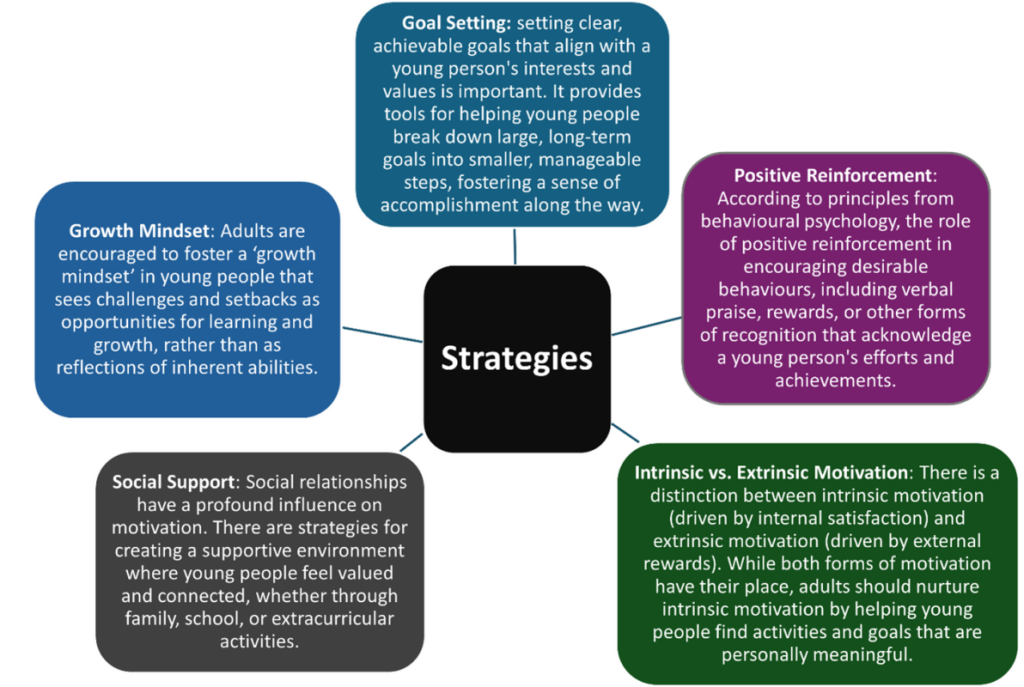
Aligning long-term goals with intrinsic motivation not only ignites passion but also fosters resilience, an essential quality for anyone striving for success in a growth mindset. However, achieving this alignment requires intentional strategies and self-reflection. It is crucial to understand how to create an environment that nurtures intrinsic motivation while keeping long-term aspirations at the forefront.
One effective approach is to set SMART goals—specific, measurable, achievable, relevant, and time-bound. This framework enables individuals to break down their long-term goals into manageable milestones. For example, an aspiring author may aim to write a novel. By dividing this larger goal into smaller, actionable tasks such as writing a certain number of words daily or completing chapters by specific deadlines, the process becomes less daunting. The satisfaction derived from achieving these smaller milestones compounds over time, leading to enhanced intrinsic motivation as the author witnesses tangible progress toward their overarching goal.
Moreover, fostering an environment that emphasizes autonomy is vital. When individuals feel they have the freedom to explore their interests and pursue projects aligned with their passions, their intrinsic motivation flourishes. For instance, workplaces that encourage employees to choose projects that excite them not only see improved morale but also enhanced creativity and productivity. Companies like 3M and Google, known for their innovation, allow their employees time for personal projects, leading to groundbreaking new products and ideas born out of intrinsic motivation.
In educational settings, teachers can boost students’ intrinsic motivation by allowing them to engage in project-based learning. This method enables students to explore topics of interest related to the curriculum, letting them delve deeper and engage with the material on a personal level. Research from the National Education Association indicates that when students are given choice in their projects, they typically perform better academically due to heightened engagement and enthusiasm, firmly aligning with their long-term academic goals.
Maintaining a supportive social network is another critical factor. Surrounding oneself with those who encourage and share similar aspirations can greatly enhance intrinsic motivation. This support system provides accountability and encouragement, which are crucial when setbacks occur. Peer groups or mentorship programs, for instance, can foster a sense of community that motivates individuals to persist in the pursuit of their long-term goals. Individuals who share their experiences and challenges are more likely to experience renewed vigor toward their aspirations, reinforcing their growth mindset.
Finally, embracing a culture of self-reflection is essential for understanding one’s intrinsic motivations. Taking the time to regularly assess personal values, interests, and the reasons behind specific goals helps individuals remain connected to their pursuits. Journaling, participating in reflective practice groups, or engaging in discussions with mentors can provide deeper insights and clarity, allowing individuals to pivot when necessary and stay aligned with their core motivations. This ongoing dialogue with oneself is crucial in maintaining a strong connection to both long-term goals and intrinsic motivation.
The commitment to actively cultivate these strategies can lead to a more enriching experience as individuals traverse the path of their aspirations. As they grow more adept at aligning their long-term goals with their intrinsic motivations, they not only enhance their personal fulfillment but also contribute positively to their environments—creating a cycle of growth that benefits the greater community.
DIVE DEEPER: Click here to discover more strategies for fostering creativity and innovation
Conclusion
In exploring the relationship between long-term goals and intrinsic motivation within a growth mindset, it becomes clear that this dynamic interplay is vital for personal and professional development. The alignment of intrinsic motivation with long-term aspirations not only fosters resilience but also promotes sustained engagement and creativity. By employing strategic methods like setting SMART goals, emphasizing autonomy, and nurturing supportive networks, individuals can effectively cultivate intrinsic motivation that propels them toward their objectives.
Moreover, the role of self-reflection cannot be overstated. Regularly assessing one’s motivations ensures that individuals stay connected to their pursuits, allowing them to navigate challenges with clarity and purpose. This reflective practice creates a deeper understanding of personal values, reinforcing the commitment to long-term goals while enhancing psychological well-being.
As data suggests, environments—be it in the workplace or educational settings—that promote autonomy and encourage exploration lead to increased intrinsic motivation and overall achievement. Therefore, by investing in these foundational principles, individuals not only advance toward their long-term goals but also contribute positively to their communities, fostering a culture of growth that benefits all. Embracing this intricate relationship opens doors to new opportunities and emphasizes the power of a growth mindset in achieving lasting success.
Ultimately, aligning long-term goals with intrinsic motivation establishes a pathway for continual learning and adaptation, reinforcing the idea that the journey is just as significant as the destination. As we further unravel the potential within ourselves, it is worth reflecting on how our personal missions resonate and inspire those around us.
Related posts:
The Role of Visualization in Goal Setting and Developing a Growth Mindset
How Goal Setting Can Facilitate Autonomy and Decision-Making in Adolescents
How to Overcome Procrastination Through Clear and Achievable Goals
The Connection Between Short-Term Goals and the Development of a Sustainable Growth Mindset
The Importance of Setting SMART Goals to Foster a Growth Mindset
Integrating Personal and Professional Goals: A Path to Balance and Growth

Linda Carter is a writer and growth mindset specialist with expertise in cognitive development and resilience training. With extensive experience helping individuals transform limiting beliefs and unlock their potential, she shares practical mindset strategies on our platform. Her goal is to empower readers with science-backed techniques to cultivate adaptability, embrace challenges, and achieve continuous personal and professional growth.