The relationship between diet and behavior in pets
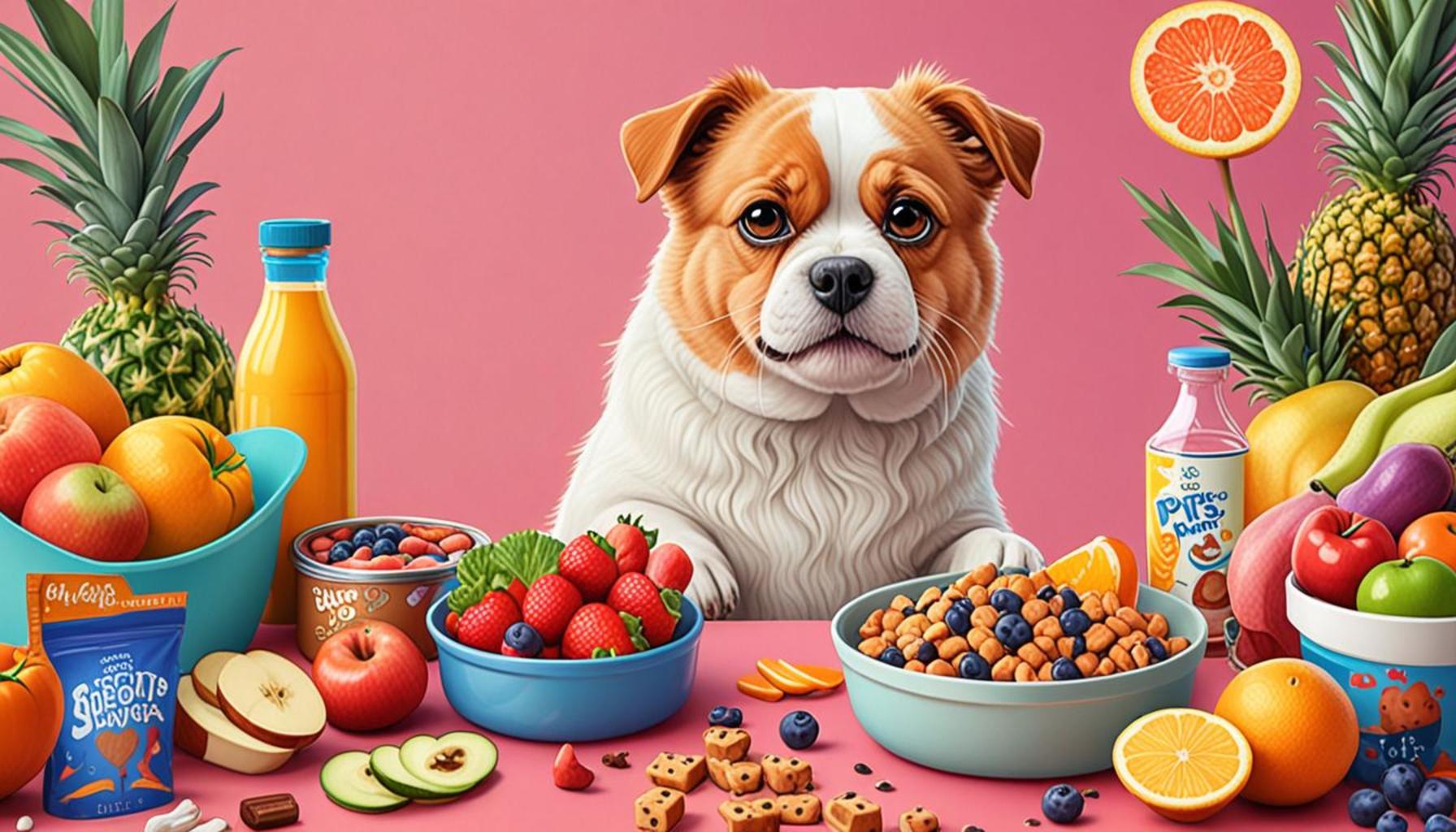
Understanding the Connection
The relationship between the nourishment provided by pet owners and the subsequent behaviors exhibited by their furry companions is a complex and significant one. Recent studies suggest that diet plays a pivotal role in not only affecting physical health but also influencing emotional well-being and behavior in pets. Delving into the correlation between what pets consume and how they act reveals essential insights that can empower pet owners to improve their pets’ lives.
The Importance of Nutrition
- Quality of Food: It is increasingly evident that high-quality ingredients can lead to better behavior in pets. For example, premium dog foods often include whole meats and vegetables, which can promote more stable energy levels and improved mood, whereas lower-quality options with fillers may lead to irritability and hyperactivity.
- Specific Dietary Needs: Just as humans have individualized nutritional requirements, pets also have their unique dietary needs based on breed, age, and health conditions. For instance, large breeds may require diets formulated for joint health to prevent issues such as dysplasia, which can affect their temperament if left unaddressed.
- Food Allergies: Some pets may demonstrate behavioral changes due to allergic reactions to certain ingredients, such as corn or wheat. Symptoms of discomfort might include excessive scratching, irritability, or withdrawal, which can create a misunderstanding between pet and owner regarding the pet’s true needs.
Consider how a balanced diet rich in omega-3 fatty acids can promote calmness in cats or reduce anxiety in dogs. Research has shown that pets eating a well-rounded diet are often more sociable and happy. The right combination of nutrients can enhance a pet’s energy levels, leading to increased playfulness and a more interactive demeanor. In contrast, poor dietary choices can provoke aggression or lethargy, clearly showcasing the significance of nutritional decisions.
Animal Behavior Patterns
Understanding the behaviors that are closely associated with diet enables pet owners to make informed choices about their pets’ nutrition. Experts have identified several behavior patterns that are noticeably influenced by a pet’s dietary habits:
- Increased Anxiety: Poor nutrition is often linked to symptoms of anxiety. For instance, dogs fed diets lacking in essential nutrients may demonstrate excessive barking or destructive behaviors.
- Attention Span: Certain nutrients, such as DHA (a type of omega-3 fatty acid), can enhance cognitive function, leading to an improved attention span. Pets lacking these nutrients may exhibit difficulty focusing during training sessions.
- Social Interaction: A pet that receives a complete and balanced diet is likely to be more outgoing and eager to engage with both humans and other animals. This could be evidenced by a dog’s willingness to meet new friends at the park or a cat’s playful behavior towards its human family members.
As we delve deeper into this captivating relationship between diet and behavior, pet owners are encouraged to explore how simple adjustments to their pets’ diets can lead to significantly improved behaviors and healthier, happier lives. By understanding these dietary influences, we can foster more meaningful connections with our beloved pets.
DISCOVER MORE: Click here to learn about the benefits of pets for mental health in the elderly</

Exploring Nutritional Influences on Pet Behavior
The food we provide for our pets serves as the foundation for their overall health, yet it extends beyond just physical well-being. The psychological and emotional state of pets is deeply intertwined with their diet. Understanding how various ingredients affect behavior can lead to better training outcomes, enhanced interactions, and ultimately, a deeper bond between pets and their owners. As we dig deeper into this complex relationship, pet owners may discover surprising implications of their dietary choices.
Behavior and Mood Regulation
Food doesn’t just fuel the body; it also plays a crucial role in regulating mood and behavior. Similar to humans, pets can exhibit mood swings influenced by their diet. Certain nutrients are vital for brain health, impacting neurotransmitter levels and emotional stability. For instance, a balanced diet rich in omega-3 fatty acids has been linked to lower aggression and anxiety levels in both dogs and cats. These fatty acids, found in fish oil and certain plant sources, can assist in managing stress-related behaviors, providing a calmer environment for both pets and their owners.
Understanding Diet-Driven Behavioral Changes
When we observe behavioral shifts in our pets, it’s important to consider their nutrition. There are several common behavioral changes that can be traced back to dietary influences:
- Hyperactivity: Pets that consume high-sugar or overly processed foods often exhibit erratic behavior. Hyperactivity can manifest through excessive barking, jumping, or inability to settle down.
- Destructive Tendencies: A lack of specific nutrients can lead to boredom or anxiety, prompting pets to engage in destructive behaviors such as chewing furniture or digging. A well-balanced diet that includes fiber and proteins can bolster satiety and reduce these tendencies.
- Social Withdrawal: Pets lacking essential vitamins may appear withdrawn or less sociable. For example, deficiencies in vitamin B can lead to lethargy, which affects a pet’s willingness to engage in play or interaction with their owners.
Research increasingly supports the view that nutrition directly influences behavior. For instance, a study conducted by a leading veterinary school found that dogs fed a diet tailored to their unique requirements exhibited fewer behavioral issues and demonstrated better training outcomes than those on generic diets. The implications of these findings extend beyond mere training; they highlight the importance of a comprehensive approach to pet care that encompasses emotional and psychological health through nutritional practices.
As pet owners, making informed food choices offers powerful opportunities to enhance our pets’ quality of life. By understanding the connection between diet and behavior, we can foster a healthier environment that enables pets to thrive, leading to more joyful and harmonious living experiences.
The Relationship Between Diet and Behavior in Pets
Understanding the intricate connection between a pet’s diet and its behavior is an essential aspect of responsible pet ownership. Many pet owners might not realize that what their pets consume can significantly influence their temperament, energy levels, and overall demeanor. Research supports that a balanced diet, rich in essential nutrients, can lead to improved behavior and a healthier lifestyle for pets.
The following table highlights key advantages of maintaining a proper diet for pets and their associated behavioral benefits:
| Dietary Component | Behavioral Impact |
|---|---|
| Protein | Supports energy levels and promotes a playful demeanor. |
| Omega-3 Fatty Acids | Enhances cognitive function, reducing anxiety and aggression. |
| Fiber | Aids digestion, contributing to calmness and comfort. |
| Vitamins and Minerals | Boosts overall health, leading to a more balanced temperament. |
Feeding pets a nutritionally balanced diet can create a profound change in their behaviors, leading to a happier, healthier companion. As responsible pet parents, it’s crucial to pay attention not only to what is fed but also to how different foods can influence specific behaviors. The relationship between diet and behavior is not merely an interesting fact; it’s a vital aspect of pet care that deserves further exploration.
DIVE DEEPER: Click here to discover the benefits and challenges of natural pet food
The Role of Specific Nutrients in Behavior Management
To truly grasp the impact of nutrition on pet behavior, it’s essential to examine specific nutrients that can influence emotional and psychological states. Certain deficiencies or imbalances can exacerbate behavioral issues, while optimal levels of certain nutrients can foster a more stable demeanor.
Protein and Playfulness
A key component of a pet’s dietary regime, protein is not just vital for physical development; it also fuels cognitive function and energy levels. Dogs and cats require amino acids from protein to stimulate the production of neurotransmitters such as serotonin and dopamine, which regulate mood and motivation. For instance, a lack of protein in a pet’s diet might contribute to an overall lack of enthusiasm for play or reduced engagement with their environment. Conversely, a diet enriched with high-quality proteins can reinvigorate a pet’s energy levels, encouraging a lively disposition and interactive play, enhancing the bond between pet and owner.
Carbohydrates and Cognitive Function
While often viewed as a source of excess energy, carbohydrates are also critical in providing the necessary glucose for brain function. Complex carbohydrates, such as whole grains, legumes, and vegetables, stabilize blood sugar levels and enhance cognitive performance. A lack of adequate carbohydrates may leave pets feeling irritable or distracted, complicating training efforts and reducing overall amenability to commands. Focusing on balanced carbohydrate intake can support better concentration and learning capabilities, making it simpler for owners to teach their pets desired behaviors.
The Importance of Micronutrients
Micronutrients, including vitamins and minerals, also play significant roles in modifying behaviors. For example, magnesium can promote relaxation and reduce stress, while deficiencies in B vitamins have been tied to increased anxiety and aggressive behaviors in some pets. Omega-3 fatty acids, as mentioned earlier, not only play a role in reducing anxiety but can also aid in managing conditions like separation anxiety and hyperactivity. By ensuring a diet rich in these micronutrients, pet owners can potentially alleviate behavioral symptoms and support a more balanced emotional state in their pets.
The Benefits of Probiotics
Interestingly, recent studies have even highlighted the impact of gut health on behavior, leading many pet owners to explore the role of probiotics in their pets’ diets. A healthy gut microbiome is linked to improved emotional well-being, potentially mitigating symptoms of anxiety and depression in pets. Probiotic-rich foods or supplements can be introduced in conjunction with a balanced diet to promote a healthy digestive system and, consequently, a happier pet. Ongoing research continues to shed light on how a connection exists between gut bacteria and brain function, suggesting a promising avenue for addressing behavioral issues through diet.
As we continue to uncover the intricate relationship between what our pets eat and how they behave, it becomes increasingly critical for owners to consider nutrition as a foundational element of pet care. Small changes in diet and a focus on balanced, nutrient-rich foods may lead to significant improvements in behavior, thereby enhancing the quality of life for both pets and their families.
DISCOVER MORE: Click here for essential tips on keeping your pet healthy
Conclusion: The Intricate Connection Between Pet Diet and Behavior
In exploring the relationship between diet and behavior in pets, it becomes clear that nutrition serves as a pivotal pillar of emotional and psychological well-being in our furry companions. From the foundational roles that proteins, carbohydrates, and micronutrients play in shaping behavior to the emerging evidence of gut health and its profound impact, pet owners are encouraged to take a holistic approach to their pets’ diets.
By prioritizing a balanced diet rich in essential nutrients, pet owners not only pave the way for improved physical health but also foster a more stable and positive temperament in their pets. An enriched diet can transform a lethargic or anxious pet into a more vibrant and engaged family member. Moreover, incorporating probiotics is increasingly recognized as a beneficial strategy for addressing behavioral concerns, adding depth to the conversation about how gut bacteria can influence mood and behavior.
The key takeaways emphasize that small dietary adjustments can yield significant behavioral changes, leading to stronger bonds between pets and their owners. As ongoing research continues to illuminate the complexities of nutrition and behavior, pet guardians are encouraged to remain informed and proactive about dietary choices. Exploring high-quality, nutrient-dense options could be the gateway to unlocking a happier, healthier, and more harmonious pet life, ultimately enriching the experiences shared within the household.
Related posts:
How Nutrition Can Help Prevent Chronic Diseases in Cats
Balanced Nutrition for Long-Term Dog Cat Health Why It Matters
The influence of nutrition on the longevity of pets
Superfoods for Pets: What They Are and How to Incorporate Them into Animals' Diets
The relationship between nutrition and mental health in pets
The Importance of Balanced Nutrition for Pet Health

Linda Carter is a writer and pet care expert specializing in pet health, grooming, and wellness. With extensive experience helping pet owners create safe, loving, and enriching environments for their animals, Linda shares her knowledge on our platform. Her goal is to empower readers with practical advice and strategies to ensure their pets thrive and lead joyful, healthy lives.