The importance of the presence of pets in the mental health of the elderly
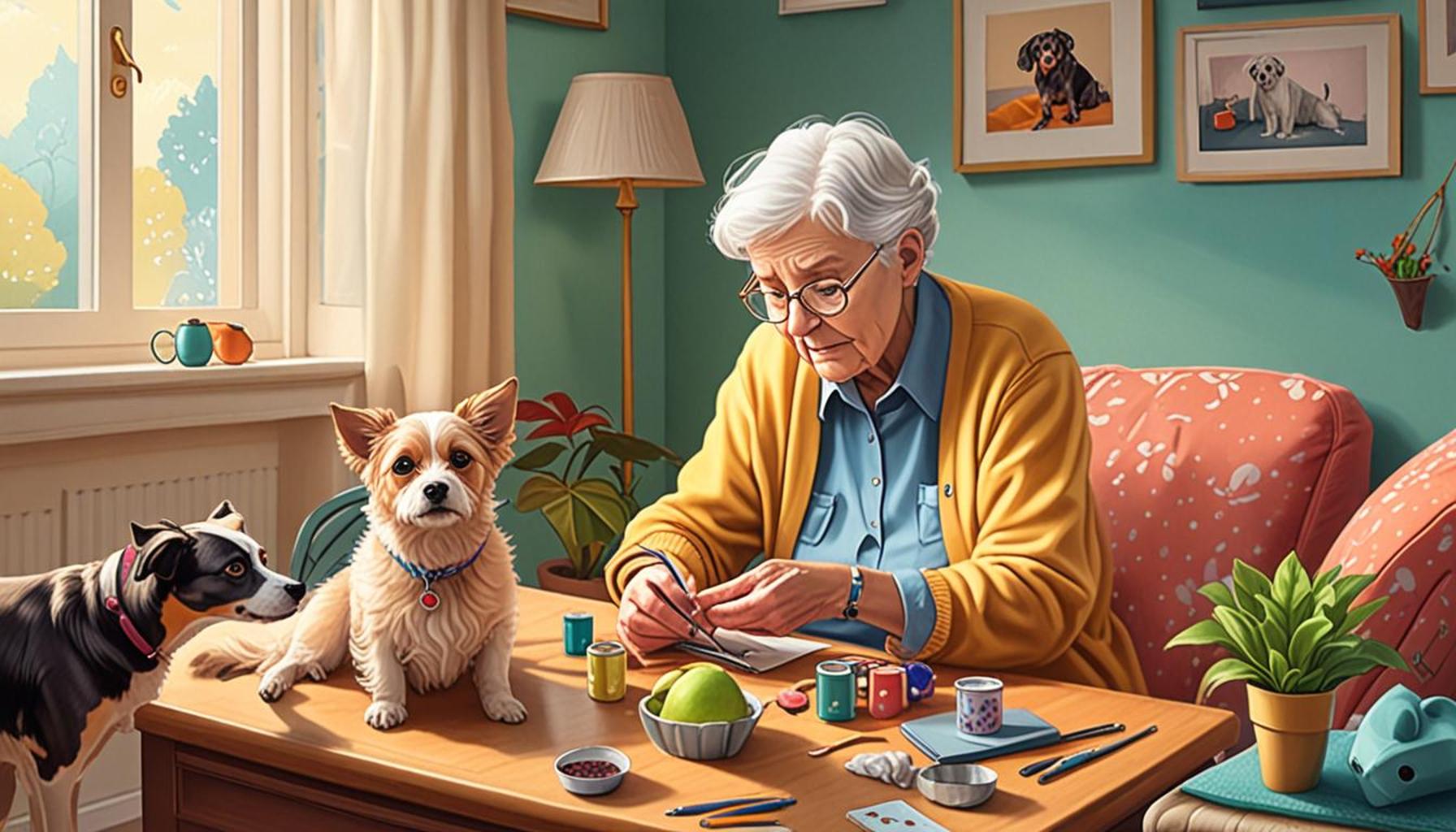
The Impact of Pet Ownership on Mental Health
As society increasingly acknowledges the myriad psychological advantages that pets can provide, the focus is clearly shifting toward the elderly population. The challenges faced by older adults, such as social isolation and emotional distress, make furry companions not just a luxury but a formidable ally in the battle for better mental health. Studies consistently illustrate that these relationships can be life-changing, especially for the aging demographic.
Improving Mood Through Companionship
One of the most compelling benefits of pet ownership is the ability to enhance an individual’s mood. Animals, particularly dogs and cats, offer a unique form of unconditional love and support. A 2019 study published in the Journal of Psychiatric Research found that elderly individuals who adopted pets reported a significant reduction in depressive symptoms. The emotional bond formed with pets can be incredibly powerful; the act of petting a dog or cat releases dopamine and serotonin in the human brain, chemicals responsible for feelings of happiness and pleasure.
Combating Anxiety and Stress
The calming presence of pets contributes to a natural way to manage anxiety. The rhythmic act of stroking a pet or simply having one nearby can provide profound comfort. Different studies have shown that older adults with pets experience lower levels of cortisol, a hormone frequently associated with stress. For instance, an interesting example is the use of therapy dogs in nursing homes, where residents often exhibit lower anxiety levels during interactions with these friendly canines.
Encouraging Social Interaction
Pets can serve as social catalysts, encouraging older adults to engage with their communities more actively. For instance, regular dog walks can lead to spontaneous conversations with fellow dog owners, facilitating new friendships and social bonds that might otherwise not develop. The organization Pet Partners highlights that pet ownership can lead to regular interactions with neighbors and other pet owners, helping to build a sense of community among elderly individuals.
Physical Activity and Purpose
Moreover, owning a pet instills a sense of responsibility, which is particularly beneficial for older adults. The routine involved in caring for a pet—feeding, grooming, and exercising—encourages physical activity, which is vital for maintaining overall health as people age. Engaging in daily walks or playtime can promote cardiovascular health and improve mobility. A study by the American Heart Association found that pet ownership was associated with significantly lower cholesterol levels and a reduced risk of cardiovascular disease.
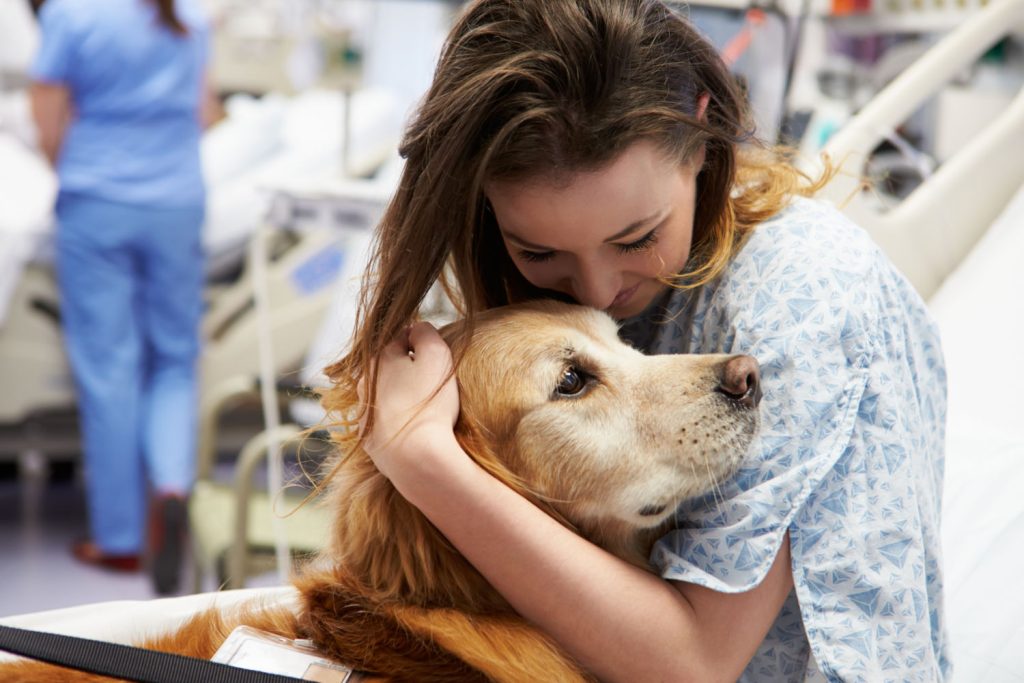
In conclusion, the emotional and psychological rewards of pet companionship undeniably enhance the quality of life for elderly individuals. By recognizing the profound impact that animals can have on mental health, society can better support older adults in overcoming the challenges of aging. As we continue to explore these dynamics, it becomes increasingly clear that pets are not merely companions; they are vital partners in promoting mental health and well-being in the elderly community.
DISCOVER: Click here to learn more about positive reinforcement in dog training
Enhancing Emotional Stability Through Pet Companionship
The significance of pets in the mental health of the elderly cannot be overstated, as numerous studies indicate that these furry companions offer essential emotional support. For many older adults, the presence of a pet shapes their daily routine, granting them a sense of stability that is often disrupted in later years. The ritual of caring for a pet translates to emotional investment and brings about a sense of purpose that might be diminished due to retirement or loss of loved ones.
Reducing Feelings of Loneliness
Loneliness is a prevalent issue among the elderly, often exacerbated by factors such as limited mobility, health complications, or the passing of friends and family. Pets serve as constant companions that can alleviate these feelings of isolation. A survey conducted by the ASPCA found that 65% of pet owners reported feeling less lonely due to their pet’s companionship. This sense of togetherness fosters a nurturing environment where older adults can openly express love and affection.
The Therapeutic Effects of Animal Interactions
Interacting with pets has observed therapeutic benefits that significantly enhance wellbeing. The act of caring for an animal and the joy that follows can help mitigate symptoms of anxiety and depression. Research from the University of Missouri revealed that elderly individuals who spent time with therapy animals exhibited improved mental health outcomes. Regular interaction with pets can lead to:
- Increased feelings of happiness: Engaging with pets can prompt the release of oxytocin, often referred to as the “bonding hormone,” which plays a critical role in building emotional connections.
- Lower levels of anxiety: The presence of a pet can induce a calming effect, which may reduce the physiological symptoms associated with anxiety, such as rapid heartbeat and elevated blood pressure.
- Improved cognitive function: Activities related to pet care, such as feeding and grooming, can enhance cognitive engagement and mental alertness in older adults.
The multifaceted relationship between pets and their owners is a testament to how emotional support can manifest through simple yet profound interactions. As community efforts continue to promote the integration of pets in senior care facilities, the positive impacts are becoming increasingly clear. Recognizing how these interactions contribute to an elderly person’s mental health can pave the way for more inclusive policies surrounding pet ownership in this vulnerable population.
Creating a Sense of Routine and Stability
The structure that pet ownership provides can be incredibly beneficial for seniors. Having a daily schedule for feeding, walking, and socializing with a pet creates a rhythm that can be quite comforting. Research has shown that a predictable routine can lead to better emotional regulation, making it easier for elderly individuals to cope with life’s ups and downs. The responsibility of caring for a pet can offer a renewed sense of direction and engagement with the world, fostering emotional well-being during difficult times.
In summary, the presence of pets significantly enhances the mental health of the elderly, offering emotional stability, companionship, and purpose. As we delve deeper into the various aspects of pet ownership, it becomes increasingly evident that pets are not just animals; they are vital companions that contribute greatly to the overall mental health and well-being of older adults.
| Benefits of Pets | Impact on Mental Health |
|---|---|
| Companionship | Pets provide unconditional love and support, reducing loneliness. |
| Routine | Caring for pets helps maintain a daily schedule, enhancing a sense of purpose. |
| Physical Activity | Walking dogs or playing with pets encourages regular exercise, promoting well-being. |
| Stress Reduction | Interactions with pets can trigger the release of oxytocin, lowering stress levels. |
The presence of pets in the lives of the elderly offers remarkable psychological benefits. Studies have shown that pet owners experience lower rates of depression, anxiety, and related disorders. The simple act of petting an animal releases serotonin and dopamine, chemicals that induce feelings of happiness and relaxation. Additionally, pets can act as conversation starters, helping to foster social connections in communities where seniors often feel isolated. Engaging with others about pets creates shared experiences and bonds that are invaluable. Thus, it’s clear that the companionship of pets not only enhances the emotional well-being of the elderly but also serves as a vital element in promoting social engagement.By introducing pets into their routine, elderly individuals can rediscover joy and purpose, significantly improving their quality of life. The enhancement of mental health through the companionship of animals cannot be overstated, making it essential for caregivers and family members to consider the profound impact that pets may have in the lives of their elderly loved ones.
DISCOVER MORE: Click here for essential tips on welcoming a new pet
The Social Benefits of Pet Ownership
The role pets play in enhancing social interactions for the elderly is another vital aspect of their contribution to mental health. Social isolation can be a significant challenge for many seniors, leading to depression and worsened health conditions. Pets often serve as a social catalyst—facilitating connections with others. For instance, pet owners frequently engage in conversations with fellow pet owners at parks or pet stores, fostering relationships that can combat loneliness and create a sense of community.
Encouraging Physical Activity
Physical activity is crucial for maintaining mental health, yet many elderly individuals may struggle to find the motivation to exercise. Pets, particularly dogs, require regular walks and playtime, which inadvertently promotes an active lifestyle. A study published in the British Journal of Sports Medicine found that seniors who walked their dogs tended to be more physically active than their counterparts without pets. Beyond the cardiovascular benefits, such activity releases endorphins, further improving mood and mental well-being.
The Healing Power of Pet Therapy
Pet therapy, involving trained animals interacting with individuals in therapeutic settings, has emerged as a powerful tool for enhancing mental health among the elderly. Programs that incorporate therapy animals are now being utilized in nursing homes and rehabilitation facilities across the U.S. Research has demonstrated that interactions with therapy animals can lead to:
- Reduced stress levels: The soothing presence of a gentle therapy dog can diminish feelings of stress and anxiety, promoting a calmer environment.
- Enhanced social skills: Engaging with therapy animals can help seniors improve their social skills and communication, even encouraging those with cognitive impairments to express themselves.
- Fostering emotional connections: Being around animals can evoke feelings of compassion and love, aiding individuals who may feel emotionally disconnected due to physical or mental health issues.
The growing acceptance and understanding of pet therapy highlight not only the importance of animals in promoting mental wellness but also essential aspects of holistic care approaches in elderly care facilities. This incorporation of animals demonstrates a progressive shift towards recognizing and addressing the emotional facets of aging.
Financial Benefits of Pet Ownership on Mental Health
While pet ownership involves certain costs, various programs and resources are available to support seniors with animals. Organizations such as the Humane Society advocate for pet ownership among the elderly, offering low-cost veterinary services and provisions for pet food. Furthermore, pet ownership among seniors may reduce healthcare costs in the long run due to lower occurrences of anxiety and depression—conditions that can lead to more significant expenses. These financial benefits, coupled with the immense emotional support from pets, make pet ownership an attractive option for enhancing mental health in the elderly population.
As research continues to grow surrounding the impact of pets on senior mental health, it becomes increasingly essential for society to prioritize pet-friendly policies, advocating for the presence of pets in various settings. The profound connection between pets and elderly mental wellness is a compelling reason to recognize animals as an integral part of holistic care for older adults.
DISCOVER MORE: Click here to learn about the best nutrition for your pets
Conclusion: Embracing the Bond Between Pets and Mental Health in the Elderly
The profound benefits of pet ownership for the elderly go far beyond companionship; they form a vital component of enhancing mental health in seniors. The interplay between pets and mental wellness manifests through increased opportunities for social interaction, encouragement of physical activity, and the therapeutic effects of animal companionship. As highlighted, the presence of pets not only serves to combat loneliness and isolation but also fosters a sense of purpose and responsibility among older adults.
Furthermore, the integration of pet therapy into elder care programs has showcased the remarkable ability of animals to aid emotional recovery and alleviate anxiety, ultimately leading to improved quality of life. As our society continues to recognize the intricate relationship between pets and human well-being, the financial implications become evident—investing in pet-friendly policies and supportive resources can alleviate healthcare burdens for individuals and families alike.
It is imperative for caregivers, health professionals, and families to advocate for the inclusion of pets in the lives of seniors. By doing so, we not only enrich their lives but also embrace a holistic approach to mental health that values the emotional bonds we share with animals. As we navigate an aging population, understanding the importance of these relationships will be key in fostering resilient, happy, and healthy aging.
In summary, the case for including pets as an integral component of mental health strategies for the elderly is compelling and ripe for further exploration. The journey to a more pet-inclusive world for our seniors is an endeavor worth pursuing for the greater good of our society.
Related posts:
The Impact of Pet Adoption on the Emotional Health of Adults
How Living with Pets Contributes to an Active and Healthy Lifestyle
How Pet Ownership Can Increase Longevity for Owners
The Benefits of Meditation with Pets for Mental Well-Being
Benefits of Animal Therapy for Children with Special Needs
How Pets Contribute to an Active and Healthy Lifestyle

Linda Carter is a writer and pet care expert specializing in pet health, grooming, and wellness. With extensive experience helping pet owners create safe, loving, and enriching environments for their animals, Linda shares her knowledge on our platform. Her goal is to empower readers with practical advice and strategies to ensure their pets thrive and lead joyful, healthy lives.