The Importance of Socialization in the Lives of Pets
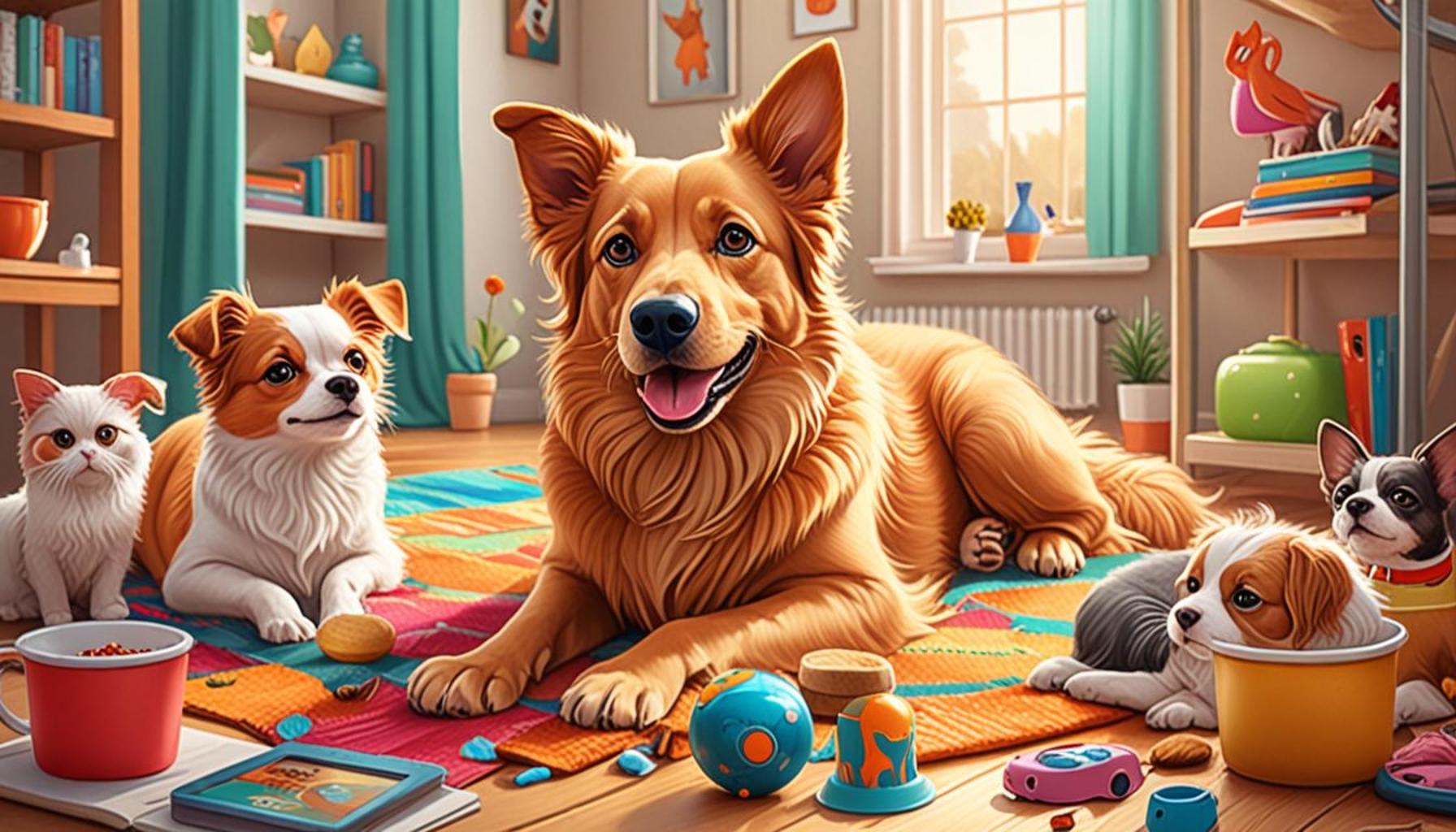
The Essential Role of Socialization for Pets
Socialization is not just a nicety; it is a fundamental component of pet ownership that significantly influences a pet’s well-being. The process of socialization involves exposing pets to various environments, people, and other animals, fostering a more balanced and content disposition. Engaging pets in social activities can enhance their behavioral tendencies, mental state, and overall happiness, effectively creating a healthier dynamic between pets and their owners.
Pets, like dogs and cats, thrive on interaction, which leads to development in several pivotal areas:
- Behavioral Development: Socialization can effectively mitigate behavioral issues such as aggression, excessive barking, or anxiety. For instance, a dog that regularly interacts with other dogs is less likely to react fearfully or aggressively when confronted with unfamiliar animals. This can be crucial for their safety and the safety of others.
- Mental Stimulation: Exposure to different environments and interactions provides vital stimulation that keeps pets alert and engaged. Whether it’s a new toy, a visit to the local dog park, or simply a car ride, these experiences contribute to a well-rounded lifestyle, reducing boredom-related behaviors.
- Adaptation Skills: Pets that are well-socialized can handle various situations more effortlessly. For instance, a cat that has been exposed to bustling environments may be more comfortable during annual check-ups at the vet. Socialized pets are generally less stressed in unfamiliar settings, enabling both pets and owners to enjoy a more harmonious relationship.
Exposing pets to a wide range of experiences during their formative months is essential. Young pets should meet different dog breeds, encounter various types of animals, and be exposed to diverse environments and sounds. By arranging playdates or attending social events with other pets, owners can effectively facilitate this exposure.
Research supports that pets lacking in social skills often struggle with daily activities, leading to increased anxiety and behavioral issues. A study published in the Journal of Veterinary Behavior shows that dogs who were appropriately socialized during their early stages were less likely to exhibit problematic behaviors as adults. As responsible pet owners in the United States, prioritizing the socialization of pets can lead to not just a happier lifestyle for our furry friends but also a more enriching experience for us as their caregivers.
In conclusion, investing time and effort into socializing pets reaps significant benefits. By understanding its importance and proactively providing the necessary interactions and experiences, pet owners can ensure that their companions lead joyful and fulfilling lives. Regular visits to dog parks, attending pet-friendly events, and even enrolling in training classes can foster this essential growth, strengthening the bond between pets and their owners while contributing to a more harmonious community overall.
DISCOVER MORE: Click here for in-depth insights
Understanding the Benefits of Socialization for Pets
Socialization is an essential aspect of pet ownership that extends beyond just playdates and outings. It plays a crucial role in developing a pet’s emotional and psychological health, equipping them with the skills needed to interact positively with their environment. As pet owners, recognizing these benefits can guide us in creating a nurturing atmosphere for our furry companions.
From an early age, pets are impressionable. The experiences they gain during their formative weeks and months can have lasting effects on their personality and behavior. Here are some key points highlighting the significant benefits of socialization:
- Enhanced Confidence: A socialized pet is often a confident pet. Exposing your animal to various settings, such as a busy street or a crowded park, can help them adjust and feel secure in unfamiliar places. This confidence reflects a lower likelihood of fear-related behaviors, which can lead to anxiety or aggression.
- Improved Communication Skills: Just as humans develop social cues and communication styles, pets learn to interact through socialization. Dogs, for instance, understand body language from other dogs and humans, allowing them to navigate interactions smoothly. Pets that lack these experiences may struggle to connect with others, leading to misinterpretations that can escalate into conflict.
- Bonding Opportunities: Regular socialization creates bonding opportunities not just with other animals but also with their owners. Engaging in activities such as dog sports, obedience classes, or even regular walks in pet-friendly areas fosters a robust relationship. These shared experiences enhance trust and attachment, leading to more enjoyable and fulfilling companionship.
In addition to behavioral elements, socialization has a profound impact on the mental health of pets. Just like humans, pets can experience boredom or depression when confined to solitary activities. Socializing them in diverse environments, or introducing them to new friends, encourages curiosity and reduces the likelihood of destructive behaviors that often stem from lack of engagement.
Moreover, studies indicate that well-socialized pets are generally healthier. Regular playdates decrease stress levels and promote physical activity, contributing to overall wellness. According to the American Kennel Club, dogs engaging in regular social activities tend to exhibit fewer infrequent health issues related to anxiety and depression, demonstrating the link between social engagement and physical health.
Ultimately, socialization is not a one-time task but an ongoing commitment that significantly influences a pet’s life. It’s an integral part of being a responsible pet owner in the United States, as it leads not only to happier pets but also to a well-adjusted animal that can thrive in various situations. Taking time to socialize your pet through positive exposure and interaction is an investment that promises long-term rewards for both pets and their families.
| Advantages | Benefits |
|---|---|
| Enhanced Behavior | Socialization helps pets learn appropriate behaviors, reducing instances of aggression and fearfulness. |
| Emotional Well-being | Regular interaction with other animals and people leads to improved mental health and happiness for pets. |
| Stronger Bonds | Pets that socialize well are more likely to form stronger attachments with their owners and other family members. |
| Adaptability | Socialized pets tend to adjust better to new environments, making them more versatile and easier to manage. |
Building upon the established importance of socialization, these advantages not only elevate the pet’s quality of life but also enhance the owner’s experience. Socialized pets are often calmer, better adjusted, and more emotionally balanced, which is a clear benefit to any household. Furthermore, understanding these dynamics sheds light on the profound impact that social environments have on pet development and behavior, inviting pet owners to engage actively in their animal’s social interactions. Socialization can serve as a cornerstone for creating enduring connections, facilitating not just coexistence but a thriving partnership between pets and their owners. The deeper we explore these aspects, the more we appreciate the critical role that socialization plays in nurturing happy, healthy pets.
DISCOVER MORE: Click here to learn about balanced nutrition
The Role of Socialization in Preventing Behavioral Issues
While the emotional and physical benefits of socialization are abundantly clear, it’s also crucial to explore its role in preventing a myriad of behavioral issues in pets. Un-socialized pets tend to exhibit a range of problems, from fear-based behaviors to aggression. Understanding how proper socialization can mitigate these challenges is essential for pet owners striving to maintain a harmonious environment.
One of the most common issues that arise in un-socialized pets is fear-based aggression. When animals are not adequately exposed to various stimuli—such as different people, other animals, and even novel environments—they can develop a heightened sense of anxiety. For instance, an un-socialized dog may react aggressively to strangers simply out of fear, misinterpreting their approach as a threat. According to a study from the American Veterinary Medical Association, around 29% of dog owners reported experiencing some form of aggression from their pets, often linked to inadequate socialization during their growth phase.
Moreover, a lack of socialization can lead to destructive behaviors, including excessive barking, chewing, or digging. Pets that become bored or anxious due to lack of interaction with their environment or companions often find ways to entertain themselves, which can manifest in unwanted habits. Providing ample opportunities for socialization not only satisfies their need for companionship but also allows for mental stimulation that discourages such behaviors.
A particularly interesting aspect of socialization’s influence is its impact on a pet’s adaptability. Highly socialized pets are generally more flexible in adjusting to new situations. For example, a dog that has been socialized in various settings is less likely to struggle during major life changes, such as moving to a new home or introducing new family members. This adaptability is not just beneficial for the pet but also makes life easier for owners, enabling smoother transitions during these often-stressful events.
As pet owners, it’s vital to incorporate structured socialization into their routine. Regular trips to pet parks, attendance at training classes, or even participation in community events can be integral in promoting positive behavior. Enriching social environments foster interactions that can reduce anxiety and build resilience in pets. Engaging them with other well-socialized animals will further reinforce positive behaviors and healthy social habits.
It’s also important to note that the type and quantity of socialization experiences can vary by species. For instance, socialized cats are often less skittish and more interactive with humans, showcasing the importance of positive interactions at an early age. Feline socialization can include everything from gentle handling by different people to supervised playdates with other cats, yet many owners underestimate how vital this is for a cat’s well-being.
In light of recent research, experts recommend starting socialization early—ideally between three and sixteen weeks of age for puppies and kittens. However, it is never too late for an adult pet to benefit from some exposure and interaction. Many dog trainers and behavioral specialists incorporate socialization as a key component of training programs, emphasizing continued social growth even after maturity. Therefore, proactive efforts and understanding of socialization’s role can significantly shape a pet’s future, leading to a more peaceful home and enriched pet lives.
DISCOVER MORE: Click here to learn how pets can enhance your well-being
Conclusion: Building a Better Life for Pets through Socialization
In conclusion, the importance of socialization in the lives of pets cannot be overstated. Engaging in regular social interactions is not merely an option; it is a fundamental necessity for the well-being of our animal companions. As we have explored, proper socialization fosters trust, adaptability, and emotional resilience, while also significantly reducing the likelihood of behavioral issues such as aggression and anxiety.
The benefits of socialization extend far beyond just enhancing a pet’s behavior. They enrich their overall quality of life, allowing them to thrive in various environments and interact positively with different stimuli. From organized playdates and community events to simple daily outings, integrating social experiences into a pet’s routine can lead to happier and healthier companions—vital for their emotional growth.
Moreover, it’s critical to recognize that socialization is a lifelong journey. Every pet, regardless of its age, can benefit from new experiences and interactions, reinforcing active learning and adaptation. As responsible pet owners, we have a duty to educate ourselves on effective socialization techniques and to implement them diligently. This proactive approach not only nurtures our pets but also fosters a harmonious home where both animals and humans coexist contentedly.
As we continue to explore this topic, further discussions and studies can shed light on specific methods and practices to enhance social opportunities for pets. By prioritizing socialization, we take vital steps towards a future brimming with connection and companionship, both for our pets and ourselves.
Related posts:
Signs of Stress in Pets: How to Recognize and Act
How Interaction with Other Animals Can Improve Pets' Emotional Health
The Importance of Dental Hygiene in the Overall Health of Pets
The Role of Functional Nutrition in the Treatment of Common Diseases in Pets
How Sensory Enrichment Can Benefit Pets' Lives
Preventive Veterinary Care: How to Keep Your Pet Healthy Throughout Life

Linda Carter is a writer and pet care expert specializing in pet health, grooming, and wellness. With extensive experience helping pet owners create safe, loving, and enriching environments for their animals, Linda shares her knowledge on our platform. Her goal is to empower readers with practical advice and strategies to ensure their pets thrive and lead joyful, healthy lives.