The importance of providing mental stimulation for adopted pets: games and interactive activities
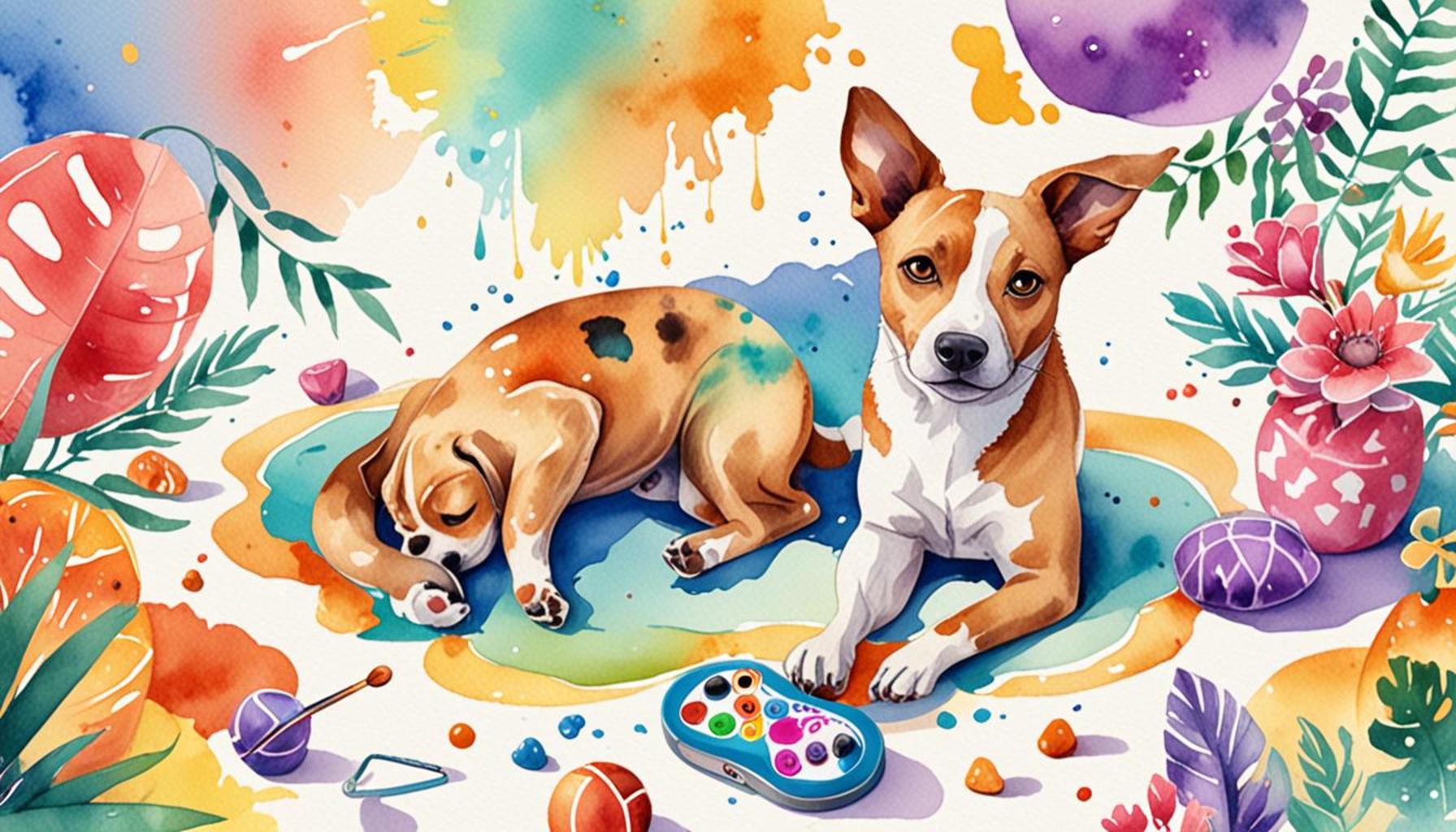
The Importance of Mental Stimulation for Adopted Pets
Adopted pets often come with unique backgrounds and experiences that shape their behaviors and temperaments. Many have faced challenges such as neglect or abandonment, making the transition into a new home particularly significant. To ensure their well-being, owners must recognize that care extends well beyond basic needs like food and shelter. Mental stimulation is a critical component of a happy, healthy life for pets, as it directly impacts their emotional and psychological well-being.
Just like humans, pets require mental engagement to thrive. Without such stimulation, they may develop undesirable behaviors. For instance, dogs left to their own devices may bark excessively, chew furniture, or dig holes in the yard. Cats might become overly vocal or exhibit destructive behavior by clawing furniture or knocking items off shelves. These symptoms often signal that your pet is seeking a way to relieve boredom.
Recognizing Boredom in Your Pet
It’s vital for pet owners to be vigilant about the signs that indicate their furry friends need more engaging activities. Common signs of boredom include:
- Boredom-related behaviors: Excessive barking, destructive chewing, or digging can signify an unmet need for mental engagement.
- Lethargy: A pet that shows little interest in play or exercise may be feeling disinterested and unstimulated.
- Anxiety: Signs of restlessness, pacing, or excessive clinginess can indicate stress brought on by boredom.
Effective Ways to Stimulate Your Pet’s Mind
Incorporating various stimulating activities can greatly enhance your pet’s quality of life. Here are some recommendations:
- Interactive toys: Puzzle feeders and treat-dispensing toys can challenge your pet to think critically while having fun. For instance, a dog may need to solve a puzzle to access a hidden treat, keeping them engaged for extended periods.
- Training sessions: Teaching new commands or tricks can be rewarding for both you and your pet. These sessions not only promote mental engagement but also reinforce good behavior and obedience, ultimately strengthening your bond.
- Outdoor adventures: Exploring new environments, whether through walks in a nearby park or hiking in nature, provides sensory stimulation and new experiences that can excite your pet’s mind.
By incorporating these engaging activities into your adopted pet’s routine, you are not only enhancing their overall happiness but also nurturing a deeper connection between you and your furry companion. This investment in their mental well-being fosters a peaceful and harmonious home, benefiting everyone involved, from the pets to their human caregivers. Make it a point to continually seek new ways to keep your adopted pet happily engaged. After all, a happy pet is a well-adjusted pet, ready to fill your life with joy.
DISCOVER MORE: Click here for expert training tips
Understanding the Significance of Mental Stimulation
The need for mental stimulation cannot be overstated when it comes to the well-being of adopted pets. Engaging their minds is not just a luxury—it’s a necessity that fosters emotional health and reduces behavioral issues. Animal behaviorists often point out that pets who lack mental engagement can quickly become frustrated or discontented, leading to stress-related issues that may extend beyond the animal’s immediate behavior. A well-stimulated pet is more balanced, socially integrated, and better equipped to form a strong bond with their human family. This means understanding the type of activities that provide genuine mental challenges is crucial.
Interactive play is fundamentally important. Research indicates that pets demonstrate higher levels of satisfaction and happiness when they engage in activities that challenge their intelligence. For example, dogs possess remarkable problem-solving abilities and can benefit from activities that allow them to use these skills. Studies show that dogs who engage in mental exercises display fewer signs of anxiety and depression compared to their counterparts who have limited stimulation. Similarly, cats, known for their curious natures, thrive when they have the opportunity to explore and play with toys designed to keep their minds sharp.
Types of Games and Activities to Consider
In order to meet your adopted pet’s mental needs, consider introducing a variety of games and interactive activities. Here are some effective options:
- Hide-and-Seek: A fun game that encourages your pet to use their nose and problem-solving skills. You can hide treats or toys around the house and let your pet find them. This not only keeps them entertained but also sharpens their sense of smell.
- Obstacle Courses: Setting up an obstacle course in your backyard using simple items like cones, tunnels, or even household furniture can provide both physical and mental challenges. Teach your pet to navigate the course, enhancing their agility while keeping their minds actively engaged.
- Interactive Feeding: Instead of simply placing your pet’s food in a bowl, use feeding puzzles or snuffle mats that require them to work for their meal. This type of game stimulates their natural foraging instincts and encourages them to think critically about how to access their food.
- Scent Games: Teaching your pet to find their favorite toy or treat using scent can be incredibly rewarding. You can start by letting your pet sniff the item before hiding it and then encouraging them to find it, turning a simple game into a stimulating challenge.
These games not only provide entertainment but also serve as valuable bonding experiences between pets and their owners. By spending time engaging in these activities, you are reinforcing a trusting relationship, while also prioritizing your pet’s mental well-being. Investing time in interactive and playful pursuits is an essential part of responsible pet ownership that yields positive returns for both parties.
| Category | Description |
|---|---|
| Interactive Toys | Promotes engagement by challenging pets to solve puzzles and find hidden treats. |
| Training Games | Enhances obedience and strengthens the bond between the pet and owner through cooperative play. |
| Fetch and Retrieve | Physical exercise combined with mental challenges keeps pets active and healthy. |
| Hide-and-Seek | Stimulates curiosity and enhances cognitive skills by encouraging pets to locate their owners. |
The benefits of integrating mental stimulation into the lives of adopted pets cannot be overstated. Engaging in interactive games and activities fosters a sense of fulfillment and reduce the risks of behavioral issues arising from boredom and anxiety. For instance, animals participating in training games not only learn commands but also experience a boost in confidence and an enriched bond with their owners. Similarly, regular play with interactive toys can lead to enhanced problem-solving skills as they learn to maneuver challenges for rewards.Incorporating structure into playtime—like scheduled fetch sessions or methodical hide-and-seek games—can cultivate a routine that pets thrive in. These activities work together to stimulate the mind, ensuring that beloved companions stay interested and active. Exploring various games can also unveil unique personalities and preferences in your adopted pets, making the journey of understanding and bonding even more rewarding.
DON’T MISS: Click here for essential tips on preparing your home for a new pet
Choosing the Right Activities for Your Adopted Pet
When selecting activities aimed at providing mental stimulation for your adopted pet, it is essential to consider their unique personality, breed, and past experiences. Not all pets are the same; thus, customizing your approach can ensure that the activities resonate with their individual needs. Offering a diverse range of games can keep the excitement alive and cater to their evolving interests.
For instance, different breeds may excel in various types of challenges. Herding breeds, such as Border Collies or Australian Shepherds, may thrive on tasks that require focus and strategy, including advanced agility training or complex obedience practices. On the other hand, toy breeds may find joy in simpler, interactive toys that encourage playful exploration without overwhelming them. Taking the time to research your pet’s breed characteristics will help you pinpoint which activities they might enjoy the most.
Engaging Technology: Modern Tools for Interactive Fun
In today’s tech-savvy world, there is a plethora of resources available for pet owners looking to engage their furry companions. Interactive toys equipped with technology, such as automated ball launchers or treat-dispensing puzzles, can encourage self-directed play while fostering your pet’s mental engagement. Many of these gadgets can also be controlled via smartphone apps, allowing you to monitor and interact with your pet remotely, which can ease separation anxiety when you’re at work or away from home.
Additionally, mobile applications designed for pets provide interactive games that can sharpen a pet’s cognitive abilities. Some apps offer visual or auditory stimuli that challenge pets to respond appropriately, making them ideal for mental workouts. Such tech-driven life enrichment tools can lead to enhanced focus and adaptability for your pets, making their experiences more fulfilling.
The Role of Socialization in Mental Stimulation
While games and interactive activities are essential, it is also vital to incorporate socialization as a significant aspect of mental stimulation. Arranging playdates with other pets or enrolling your dog in a class can expose them to new environments and experiences. Socialization not only helps build confidence in your adopted pet but also teaches them vital social skills that can translate into harmonious living within your family or community.
For cats, introducing new stimuli can also be beneficial. Consider utilizing cat trees or window perches where they can watch birds and squirrels outside. These scenarios allow them to experience action and mental challenges, driving their innate hunting instincts while remaining indoors.
- Buddy Up: Foster friendships with other animals or arrange doggy daycare visits to boost social interaction, which can significantly enhance mental health.
- Volunteer or Foster Programs: Getting involved in local animal shelters can introduce your pet to various environments and interactions, enhancing their adaptability and social skills.
The key to maintaining your adopted pet’s mental health is to create a balanced and enriching environment that combines games, technology, and socialization experiences. By being mindful of their needs and providing a variety of stimulating activities, you can help your pet live a happier, more fulfilling life.
LEARN MORE: Click here to discover how pets can enhance your health
Conclusion: Enriching Lives Through Mental Stimulation
In the realm of pet ownership, especially for adopted animals, mental stimulation is not a luxury but a necessity. The incorporation of games and interactive activities plays a pivotal role in helping your pet acclimate to their new home while promoting overall well-being. Engaging strategies—from selecting tailored activities based on breed and personality to incorporating modern technology—equally counter boredom and alleviate behavioral issues, ensuring that the journey of adoption is truly rewarding for both pets and owners.
Moreover, as social creatures, pets thrive on interaction with humans and fellow animals. By facilitating socialization through playdates or community events, we not only foster bonds but also cultivate essential social skills that contribute to a harmonious household. Understanding and implementing diverse forms of stimulation—including physical activities, mental challenges, and social experiences—create a fulfilling environment that caters to a pet’s natural instincts and emotional needs.
Ultimately, enriching the lives of adopted pets is about more than just play; it’s about building trust, enhancing behavior, and promoting a happier existence. Taking a proactive stance in providing mental stimulation not only aids in the adjustment process but also contributes significantly to the mental health of your furry companion. So as you embark on this incredible journey of companionship, remember that a well-stimulated mind leads to a joyful heart, paving the way for a deep, lasting bond. Embrace the adventure of discovery as you engage, play, and create cherished memories with your adopted pet.
Related posts:
The importance of positive training for adopted pets: building trust and obedience.
Integrating an Adopted Pet into Your Family: Strategies for a Smooth Adjustment
How to Create an Exercise Routine for Adopted Pets: Maintaining Health and Energy
Tips for Creating a Comfortable Rest Space for Adopted Pets
Essential Healthcare for Adopted Pets: What You Need to Know
How to Create a Safe and Welcoming Environment for Adopted Pets

Linda Carter is a writer and pet care expert specializing in pet health, grooming, and wellness. With extensive experience helping pet owners create safe, loving, and enriching environments for their animals, Linda shares her knowledge on our platform. Her goal is to empower readers with practical advice and strategies to ensure their pets thrive and lead joyful, healthy lives.