The importance of positive training for adopted pets: building trust and obedience.
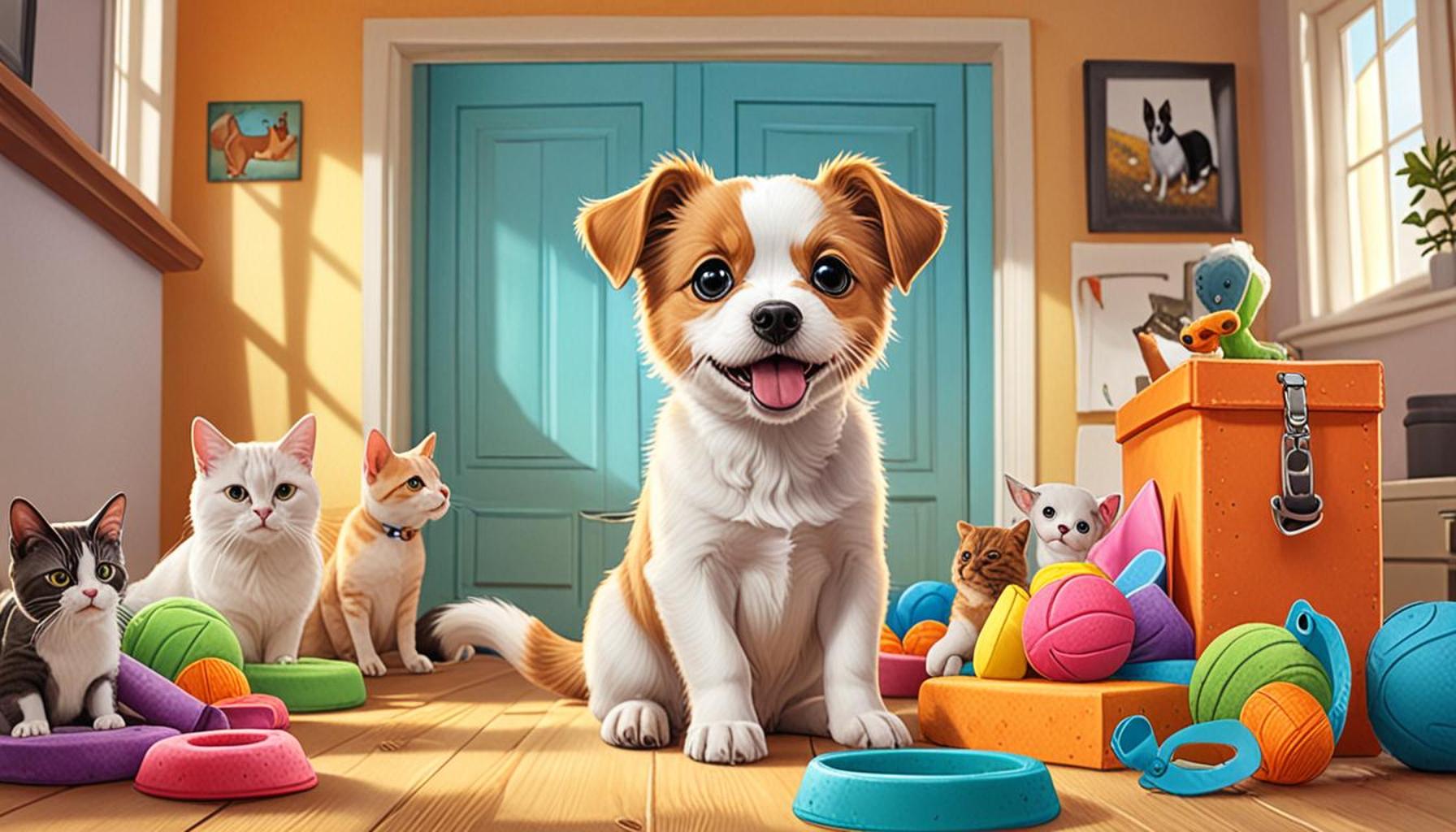
The Journey of Integration
Adopting a pet can open up a world of joy, companionship, and love, but it also requires a commitment to understanding and addressing the needs of a new family member. The path to a harmonious relationship often starts with effective training, particularly using positive training techniques. These methods play a pivotal role in establishing trust, improving obedience, and ultimately promoting a healthy bond between pet and owner.
Building Trust through Understanding
When a pet is adopted, it may have a history marked by anxiety, neglect, or fear due to previous experiences. This emotional baggage can manifest in various behaviors, from submissiveness to aggression. Using positive reinforcement, which includes treats, praise, or toys as rewards for good behavior, can create a more secure environment. For example, when a dog sits on command and receives a treat, it not only learns the command but also starts to associate the owner with positive experiences. Over time, this builds a foundation of trust, allowing the pet to feel more comfortable in its new home.
Encouraging Obedience with Reward Systems
Training is not just about correcting unwanted behaviors; it is equally about rewarding the behaviors you want to see more of. By employing a reward-based system, pet owners can effectively enhance their pet’s willingness to obey commands and adapt to household rules. For instance, teaching a cat to use a litter box can be made effective by rewarding the cat every time it uses the box correctly. Such strategies can lead to a well-mannered pet and a peaceful home environment. According to the American Kennel Club, dogs trained through positive reinforcement are not only more obedient but also more emotionally stable.
The Power of Positive Training
In the United States, many animal shelters and rescues emphasize positive training techniques. They recognize that these methods are not only beneficial for the pet but also for the owner. Through approaches like clicker training—a method where a click sound is used to mark desirable behavior—owners can communicate more effectively with their pets. This technique provides immediate feedback, making it easier for pets to understand what is expected from them.
Beyond obedience training, positive methods have a profound impact on enhancing the pet’s overall quality of life. A pet that feels secure and well-adjusted is more likely to thrive both mentally and physically. For example, a study by the Journal of Veterinary Behavior shows that pets trained with positive methods exhibit less behavioral issues, making for a happier companionship.
In conclusion, understanding and implementing positive training strategies is vital for anyone considering pet adoption. Creating an environment steeped in trust and positive reinforcement can transform a frightened or anxious animal into a loving and well-adjusted family member. As you embark on this rewarding journey, remember that the benefits of positive training extend far beyond obedience—they can lead to a truly enriching experience for both you and your newly adopted friend.
LEARN MORE: Click here for insights
Understanding Your Adopted Pet’s Needs
When welcoming an adopted pet into your home, it’s important to realize that this new family member comes with its own set of needs, emotions, and, sometimes, fears. Animals that have been rescued may have experienced trauma or uncertainty, which can create a complex emotional landscape that owners must navigate. The key to helping these pets feel secure and loved lies in positive training techniques, which foster a supportive environment where trust can flourish.
Recognizing Behavioral Challenges
Many adopted pets may exhibit behavioral challenges attributed to their past experiences. These can include:
- Anxiety: Signs such as excessive barking, hiding, or destructive behaviors can stem from fear of strangers or unfamiliar settings.
- Fear-based aggression: Some pets may react aggressively when they feel threatened due to previous abuse or neglect.
- Submissiveness: A pet might consistently avoid eye contact or display nervous urination, indicating anxiety about their new surroundings.
Understanding these challenges is essential for effective training. Rather than relying on fear-based methods that can exacerbate anxiety, adopting a philosophy rooted in positivity will not only aid communication but also create a safe space where pets can thrive. This approach encourages owners to focus on reinforcing positive behaviors rather than punishing negative ones.
The Influence of Routine and Consistency
Establishing a consistent routine is another critical aspect of positive training. Animals, much like young children, thrive on predictability. When an adopted pet understands what to expect from their daily schedule—whether it’s mealtime, walks, or playtime—they are more likely to feel secure in their new environment.
Research indicates that animals trained using positive reinforcement alongside a consistent routine tend to exhibit fewer behavioral problems. By providing clear boundaries and expectations, pet owners cultivate an environment where trust and obedience flourish. Elements to include within a routine are:
- Feeding times: Offering meals at the same time each day can create a sense of security.
- Training sessions: Short, positive training sessions not only create structure but also aid in bonding.
- Playtime: Engaging in interactive play encourages both physical exercise and mental stimulation.
Positive Training: An Emotional Investment
Positive training for adopted pets goes beyond just teaching basic commands; it lays the groundwork for a lifelong relationship based on mutual respect and understanding. When you utilize positive reinforcement methods, you’re not merely instructing your pet; you’re fostering their overall emotional well-being. This method not only prepares them to learn and thrive but also empowers owners to connect with their pets on a deeper level.
In conclusion, taking the time to understand the unique challenges faced by adopted pets and implementing a framework based on positive training principles can significantly ease the transition for both pet and owner. This investment in emotional security and trust will lead to a lifelong companionship that is filled with joy, loyalty, and affection.
| Training Method | Impact on Pets |
|---|---|
| Positive Reinforcement | Encourages desired behaviors, creating a bond of trust between the pet and owner. |
| Building Obedience | Promotes a sense of security, making adopted pets feel more at home and less anxious. |
Positive training approaches, such as positive reinforcement, are crucial in the journey of integrating adopted pets into their new environments. This method refrains from using fear or punishment, focusing instead on rewarding good behaviors with treats, praise, or playtime. By doing so, it not only fosters a strong connection between the pet and owner but also significantly reduces stress levels. Pets that undergo positive training become more responsive, exhibiting better obedience compared to those that might experience negative or fear-based techniques. Additionally, such approaches allow owners to build confidence and trust, paving the way for a more harmonious household. Evidence suggests that a strong bond formed through positive training leads to fewer behavioral issues and creates a well-adjusted pet. Adopting this method not only aids in enabling your new furry friend to thrive but enriches the owner’s experience as part of a loving, stable partnership. This emphasis on understanding and compassion can illuminate the path for many who are considering adopting pets, inspiring them to take the next step in creating loving, positive training environments.
DIVE DEEPER: Click here to discover more
Building a Strong Bond Through Positive Reinforcement
One of the cornerstones of positive training for adopted pets is the concept of positive reinforcement. This approach relies on the principle of rewarding your pet for good behavior, which helps them associate obedience and learning with positive outcomes. When animals are rewarded with treats, praise, or play for following commands or exhibiting desirable actions, they are much more likely to repeat those behaviors. This method not only encourages learning and retention but also strengthens the bond between pet and owner.
Enhancing Communication Through Training
Just as humans use verbal and non-verbal cues to communicate, pets rely on a combination of body language and vocalizations. Positive training methods can help you better understand your adopted pet’s communication style. By patiently observing and responding appropriately to your pet’s signals, you can create a trusting relationship where open communication is prioritized.
For example, if your pet displays signs of fear or uncertainty during training, such as cowering or retreating, it is essential to alter your approach. Instead of pushing them forward, you can use a gentle tone, slow movements, and perhaps a tasty treat to re-engage their interest. This response not only builds trust but also solidifies your role as their caregiver and protector.
The Impact of Socialization on Behavior
Socialization is pivotal for any pet, especially for adopted ones. Early and ongoing socialization helps pets learn to navigate their environment, encouraging positive interactions with other animals and humans. Positive training fosters a safe space for socialization, where pets can experience new sights, smells, and interactions at their own pace, without the risk of re-traumatization.
Structured socialization opportunities such as puppy classes for dogs or playdates for cats can yield significant benefits. Engaging in these activities while utilizing positive reinforcement can help combat fears or anxieties that adopted pets may have, promoting adaptability and resilience in new situations. According to a study by the American Heart Association, pets that experience constructive socialization are more emotionally stable and exhibit improved leash manners, which in turn benefits their overall behavior.
Long-term Benefits of Positive Training
The impact of positive training extends beyond immediate obedience and behavior modification. Research by the American Veterinary Society of Animal Behavior (AVSAB) shows that animals trained using positive reinforcement techniques tend to have improved mental health, reduced anxiety levels, and increased happiness. Animals that feel good emotionally are generally more well-behaved, resulting in a better overall experience for both pet and owner.
Moreover, the skills learned through positive training can be essential for integrating the adopted pet into various settings, whether at home, during trips to the vet, or in public spaces. The techniques not only ensure compliance with commands but also help instill confidence within the pet, as they learn to navigate various environments safely and positively.
Investing in Continued Learning
Positive training isn’t just a one-time effort; it is an ongoing journey. Regular practice and engagement in new training techniques are vital for maintaining the trust and bond formed between you and your adopted pet. Continuous learning can encompass everything from advanced obedience training to agility courses, keeping both the owner and pet mentally stimulated and emotionally connected.
By committing to positive training throughout your adopted pet’s life, you’re making an investment in their future happiness and well-being. As they build skills and trust through your guidance, your relationship will undoubtedly flourish, leading to a more harmonious life together.
DON’T MISS OUT: Click here for essential tips on preparing for your new pet
Conclusion: Embracing the Journey of Positive Training
In conclusion, positive training for adopted pets is not just a method; it is an essential journey toward nurturing a trusting and obedient relationship. This training philosophy enhances communication, fosters socialization, and solidifies the bond between pets and their owners. By utilizing techniques based on positive reinforcement, you create an environment where pets feel secure, understood, and eager to learn. Ultimately, this foundation contributes significantly to their emotional and behavioral well-being.
The long-term benefits of positive training extend beyond mere obedience; they encompass improved mental health, reduced anxiety, and a better quality of life for your adopted companion. Your commitment to continued learning and practice only deepens the trust between you and your pet, leading to a relationship that is both fulfilling and resilient in the face of challenges.
As a responsible pet owner, embracing the principles of positive training is not only an investment in your pet’s happiness but also an opportunity to become a more informed and sensitive caregiver. With patience, consistency, and love, adopted pets can flourish in a loving environment, transforming from unsure companions into confident and obedient members of your family. So embark on this rewarding journey—your adopted pet deserves the very best, and with positive training, you can unlock their full potential.
Related posts:
How to Choose the Ideal Pet for Your Family: Adoption Tips
Essential Healthcare for Adopted Pets: What You Need to Know
Tips for Proper Nutrition for Adopted Pets: Nutrition and Adaptation
The role of patience in the adaptation of adopted pets to a new home
How to Create an Exercise Routine for Adopted Pets: Maintaining Health and Energy
Tips for Socializing Your Adopted Pet with Other Animals and People

Linda Carter is a writer and pet care expert specializing in pet health, grooming, and wellness. With extensive experience helping pet owners create safe, loving, and enriching environments for their animals, Linda shares her knowledge on our platform. Her goal is to empower readers with practical advice and strategies to ensure their pets thrive and lead joyful, healthy lives.