The effects of nutrition on the coat and skin of pets
The Connection Between Diet and Your Pet’s Skin and Coat
Have you ever paid close attention to how the nutrition your pet receives affects their coat and skin? The relationship between your furry friend’s diet and their appearance is more significant than many pet owners might realize. Just like in humans, a balanced and nutritious diet can lead to notable differences in the vitality of a pet’s fur and the health of their skin.
Consider the visible effects of adequate nutrition:
- Shinier and Fuller Coats: High-quality proteins, omega fatty acids, and essential vitamins play a vital role in achieving a vibrant and lustrous appearance. Pets that are fed diets rich in these nutrients often flaunt fuller coats that gleam under the sunlight, reflecting their overall health.
- Reduced Skin Allergies: Certain food ingredients, such as specific grains or proteins, can trigger allergic reactions in pets. A diet formulated with limited ingredients can help alleviate issues like itching, redness, and irritation, allowing your pet to enjoy a more comfortable life.
- Healthier Skin Barrier: Proper nutrition supports not only the appearance but also the function of the skin. It promotes moisture retention, enhancing the skin’s barrier against environmental elements like pollution and UV rays, which can cause damage over time.
To further understand how to bolster your pet’s skin and coat health, it’s essential to familiarize yourself with specific nutrients that can prevent common problems pet owners face.
Key nutrients to focus on include:
- Omega-3 and Omega-6 Fatty Acids: Found in fish oils and certain plant-based oils, these essential fats are renowned for their anti-inflammatory properties and ability to support skin hydration. They can significantly reduce shedding and improve overall coat health.
- Biotin: Often referred to as the “beauty vitamin,” biotin is crucial for promoting skin elasticity and coat strength. A deficiency can lead to brittle fur and dry skin, making biotin-rich foods like eggs and salmon excellent additions to your pet’s diet.
- Vitamins A and E: These vitamins serve as antioxidants, protecting skin cells from damage while enhancing overall wellness. Vitamin A is essential for skin cell production, while vitamin E aids in maintaining skin hydration and resilience.
By diving deeper into the role of nutrition, pet owners can empower themselves to make informed and effective dietary choices for their companions. Awareness of how specific nutrients affect your pet can help you prevent a plethora of common issues, from allergies to dull fur.
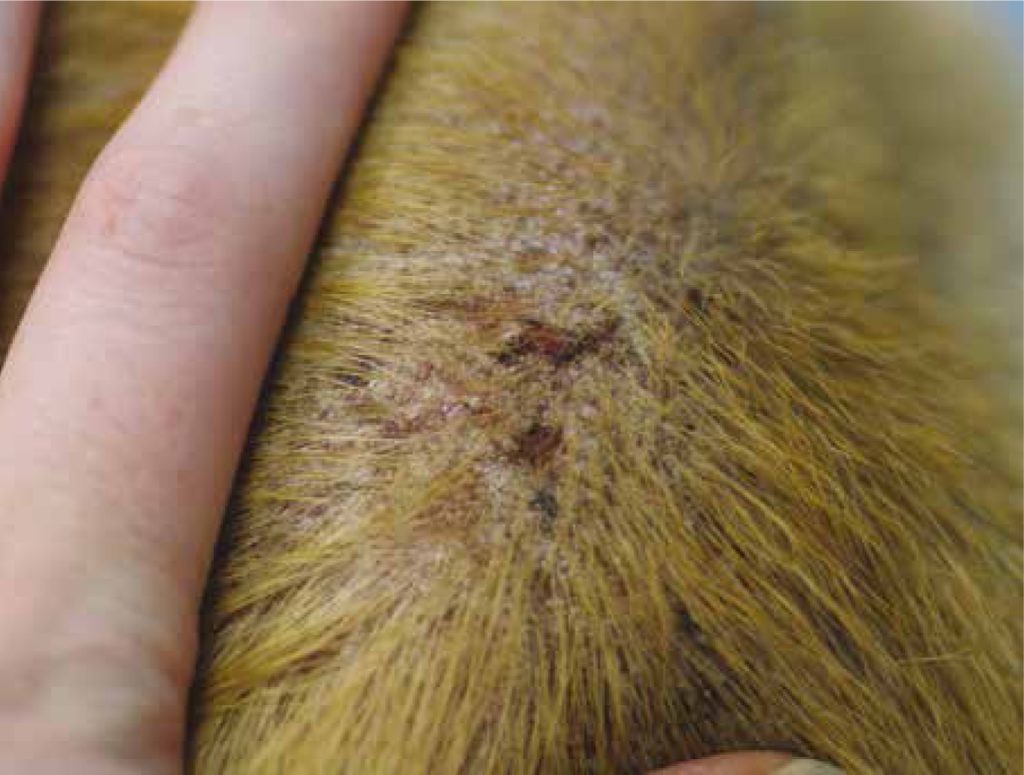
Ultimately, a well-balanced diet isn’t just about what goes into your pet—it’s a reflection of their overall health, manifesting in a shiny coat and healthy skin. Investing in nutritious choices for our beloved pets can lead to happier and healthier lives, fostering a bond that transcends merely companionship.
DISCOVER MORE: Click here to learn about enhancing your cat’s trust
Essential Nutrients for Optimal Coat and Skin Health
When it comes to the well-being of our pets, the influence of nutrition extends far beyond simple energy provision. A diet rich in specific nutrients can make a remarkable difference in the condition of a pet’s coat and skin. Understanding how these vital components affect your furry friend can empower you to make better dietary choices, promoting healthier skin and a lustrous coat.
Pet owners should prioritize the following essential nutrients:
- Omega Fatty Acids: These are arguably some of the most important nutrients for maintaining the health of your pet’s skin and coat. Omega-3 and Omega-6 fatty acids found in fish oil, flaxseed, and chicken fat have been shown to enhance both hydration and overall coat quality. They help to reduce inflammation and manage conditions such as dry skin, providing relief from discomfort.
- High-Quality Proteins: Proteins are the building blocks of fur. A diet containing high-quality animal proteins ensures that your pet receives all the essential amino acids necessary for strong, healthy hair follicles. Ingredients like chicken, beef, and fish not only support robust coat growth but also contribute to overall skin health.
- Vitamins and Minerals: Vitamins A, E, and various B vitamins are critical for skin health. Vitamin A aids in cellular repair and renewal, while Vitamin E serves as an antioxidant that protects skin cells from damage. Moreover, minerals like zinc and copper play crucial roles in promoting healthy skin turnover and maintaining a shiny coat.
As we delve deeper, it’s crucial to recognize the importance of hydration in the context of nutrition. Just like humans, pets require adequate water intake to maintain skin elasticity and a healthy coat. Dehydration can lead to dryness and excessive shedding, so always ensure fresh water is available for your pet.
The specifics of your pet’s dietary composition can be vital. Some pet food brands offer specialized formulas that claim to enhance skin and coat health. These typically contain a blend of the nutrients mentioned, but not all products are created equal. When choosing commercial pet food, look for products that list high-quality ingredients first and avoid fillers and artificial additives.
In addition to the basic nutritional components, you might also want to consider supplements if your pet shows signs of skin and coat problems. Omega fatty acid supplements, biotin, and other skin-supportive nutrients can provide additional support to re-establish a healthy coat, especially for older pets or those with specific dietary sensitivities.
Understanding the connection between nutrition and the health of your pet’s coat and skin is crucial in fostering their overall wellbeing. When you nourish your pet from the inside out, you promote not only external beauty but also internal health. By making conscious dietary choices, you can help your companion lead a happier, healthier life, reflected in their vibrant coat and smooth skin.
| Category | Key Features |
|---|---|
| Essential Fatty Acids | Promote healthy skin, reduce inflammation, and enhance coat shine. |
| Vitamins and Minerals | Support cellular function, strengthen hair follicles, and aid in collagen production. |
| Protein Quality | High-quality proteins are essential for new hair growth and overall skin health. |
| Hydration | Proper hydration leads to elasticity in the skin, reducing dryness and irritation. |
Understanding the importance of nutrition in maintaining your pet’s coat and skin health can greatly enhance their quality of life. A diet rich in essential fatty acids, for example, not only contributes to a lustrous coat but also plays a vital role in reducing skin irritations and allergies. These fatty acids can be found in fish oil and flaxseed oil, both of which are beneficial for pets prone to dermatitis.Moreover, vitamins and minerals are critical players in skin health. Vitamin E, for example, acts as a powerful antioxidant, protecting skin cells from oxidative stress, while zinc aids in promoting healing and reducing skin inflammation. Furthermore, dietary protein quality cannot be overlooked as it directly impacts hair regrowth and maintains the strength of each strand.Ensuring that your pet stays hydrated is another key factor that should not be overlooked. When pets are sufficiently hydrated, their skin remains supple, which is crucial for preventing itchiness and flaking. Implementing a balanced diet tailored to your pet’s specific needs leads to healthier skin, a shinier coat, and can alleviate many skin-related issues. This comprehensive approach to nutrition ensures your furry companions look and feel their best.
DISCOVER MORE: Click here to learn about the best nutrition for your pets
The Role of Special Dietary Considerations
While general nutrition plays an essential role in maintaining optimal coat and skin health for pets, there are specific dietary considerations that can greatly enhance their well-being. The varying needs among different breeds, ages, and health conditions necessitate a tailored approach to pet nutrition, which can profoundly affect the integrity of their skin and fur.
Older pets, for instance, may experience naturally thinning coats or increased dryness as they age. Aging dogs and cats might benefit from diets enriched with additional antioxidants such as vitamins C and E, which help combat oxidative stress and promote skin regeneration. Antioxidants can be found in ingredients like blueberries, carrots, and sweet potatoes, contributing to vibrant skin and coat health in older pets.
Moreover, some pets suffer from allergies and skin sensitivities that can significantly impact their coat condition. In such cases, hypoallergenic diets may be necessary to alleviate symptoms of itching and irritation. These specialized diets often use novel protein sources, such as duck or venison, to minimize the risk of allergic reactions. Consulting with a veterinarian for a hypoallergenic diet can lead to noticeable improvements in the skin and coat of allergy-prone pets, showcasing nutrition’s powerful role in mitigating discomfort.
Beyond individual health concerns, the dietary needs related to specific breeds also deserve attention. Certain breeds, such as Bulldogs, Dalmatians, and Golden Retrievers, are known to be more prone to skin problems related to their genetic attributes. A breed-specific diet can provide tailored nutrients that better support the unique skin and coat needs of these pets. Some brands even offer customized formulas that incorporate breed characteristics into their nutritional profile, ensuring that every pet receives a diet suitable for their specific breed traits.
Additionally, it is critical to highlight the impact of weight management on your pet’s skin and coat. Obesity can lead to skin folds that trap moisture and create an environment conducive to skin infections and irritations. Ensuring your pet maintains a healthy weight through balanced nutrition not only bolsters their overall health but also contributes to the appearance and maintenance of a shiny coat. Weight management can be supported through portion control and selecting dog foods specifically designed to control weight, often labeled as “light” or “weight management” formulas.
Last but not least, the frequency of feeding can also play a role in skin health. Pets who are fed irregularly or given snacks that are inadequate may face fluctuations in their nutrient intake, directly affecting their coat quality. Establishing a consistent feeding schedule with precise measurements can help maintain stable nutrient levels, ultimately resulting in a healthier appearance in your pet’s skin and fur.
Recognizing these special dietary considerations can illuminate the myriad ways in which nutrition affects the coat and skin of pets. By understanding the intricate balance of nutrients required for their unique needs, owners can pave the way for healthier, more vibrant companions.
DIVE DEEPER: Click here to learn effective prevention techniques
Conclusion
In summary, the effects of nutrition on the coat and skin of pets are both profound and multifaceted. Through a careful examination of dietary needs, pet owners can unlock the key to healthier skin and a radiant coat. As we’ve explored, tailored nutrition that considers factors such as age, breed, and specific sensitivities can significantly enhance overall well-being.
The importance of incorporating antioxidants, managing weight, and recognizing individual health concerns cannot be overstated. Providing pets with a balanced diet enriched with essential fatty acids, vitamins, and minerals fosters not only a beautiful coat but also bolsters immune function and resilience against allergens and irritants. Furthermore, the implementation of hypoallergenic options for sensitive pets and breed-specific diets indicate a shift towards personalized pet care, allowing for the unique needs of each animal to be met effectively.
Ultimately, understanding the intricate connection between nutrition and skin health empowers pet owners to make informed dietary choices. As we strive for the optimal well-being of our furry companions, investing in their nutrition is an essential contribution to their quality of life. With consistent care and attention to their dietary needs, pet owners can witness tangible improvements in coat condition and skin health, reinforcing the notion that adequate nutrition is pivotal for our beloved pets. To further enhance your pet’s vitality, consider embarking on this nutritional journey, perhaps by consulting with a veterinarian or a pet nutrition specialist who can provide valuable guidance tailored to your pet’s specific needs.
Related posts:
How to Read Pet Food Labels: Deciphering Ingredients and Essential Nutrients
The importance of fiber in pets' diet: how it contributes to digestive health
Nutritional Supplements for Pets: When and How to Use Them Safely
Superfoods for Pets: What They Are and How to Incorporate Them into Animals' Diets
How Nutritional Needs Vary Between Different Breeds of Dogs and Cats
The Importance of Balanced Nutrition for Pet Health

Linda Carter is a writer and pet care expert specializing in pet health, grooming, and wellness. With extensive experience helping pet owners create safe, loving, and enriching environments for their animals, Linda shares her knowledge on our platform. Her goal is to empower readers with practical advice and strategies to ensure their pets thrive and lead joyful, healthy lives.