The benefits of high-protein diets for the muscle health of elderly dogs
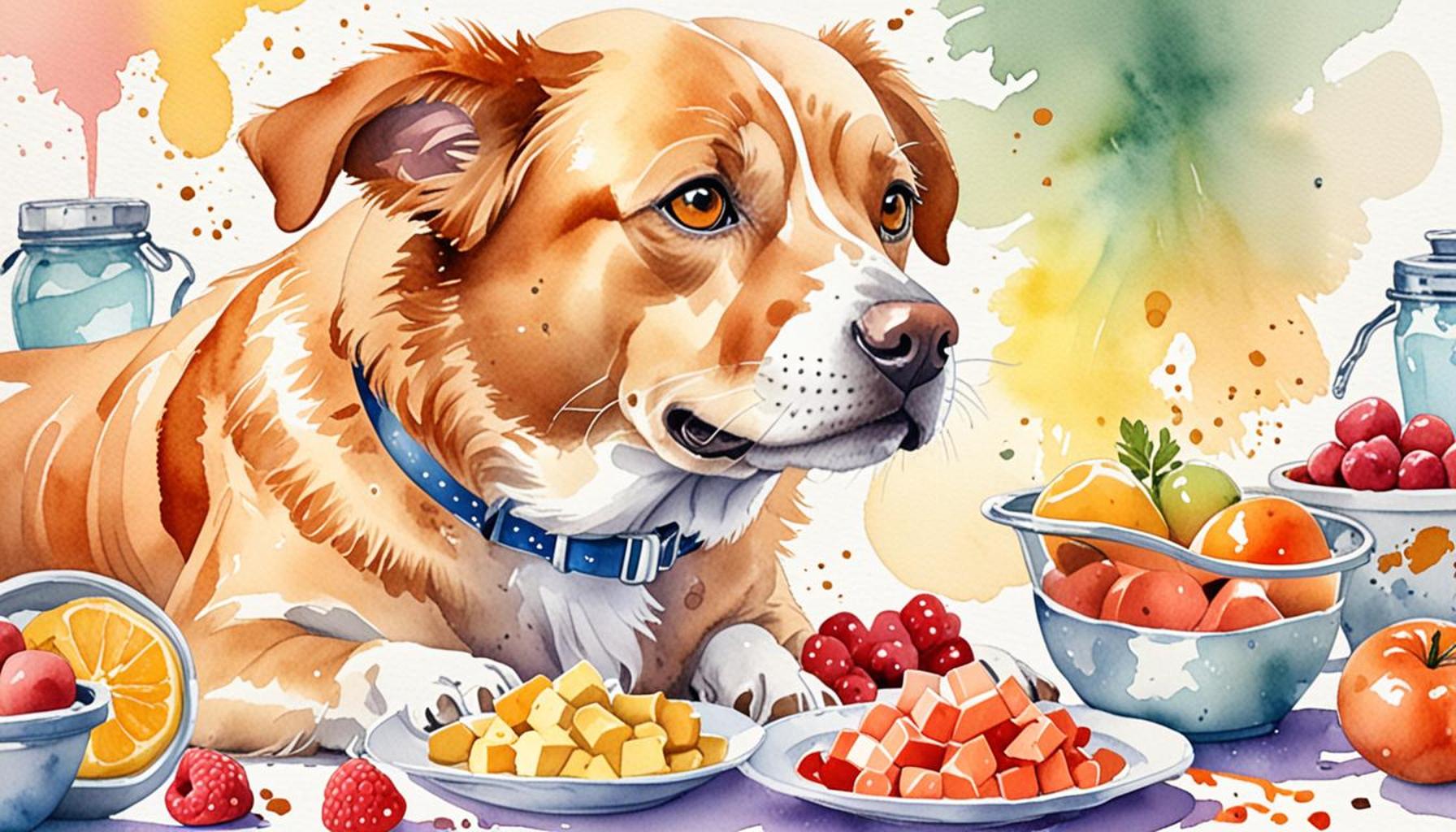
The Role of Protein in Canine Nutrition for Senior Dogs
As dogs advance in age, their nutritional needs shift dramatically, necessitating a reassessment of their diets. Among various dietary components, protein stands out as particularly vital for elderly canines. With a proper understanding of how protein supports their health, pet owners can make informed decisions to promote their furry friends’ longevity and vitality.
Older dogs frequently encounter issues such as muscle loss and diminished energy, which can severely impact their quality of life. A diet abundant in protein can effectively address these concerns. For instance, regular protein intake is crucial for:
- Preserving muscle mass: Dogs naturally lose muscle tissue as they age, a condition known as sarcopenia. Consuming sufficient protein can slow this progressive loss by providing the essential building blocks—amino acids—required for muscle maintenance and repair.
- Boosting recovery: Injuries or illnesses can take a toll on an older dog’s body. A high-protein diet contributes to faster recovery times due to its role in tissue repair and immune function enhancement. For instance, after surgery, a dog may benefit significantly from increased protein in their diet.
- Enhancing overall energy: Dogs, like humans, require energy to engage in everyday activities. A diet high in quality protein not only fuels these activities but also supports metabolic functions essential for maintaining a healthy weight.
Moreover, a high-protein diet can play a pivotal role in the management of various age-related conditions that are common among senior dogs, including:
- Joint health: Protein sources that contain anti-inflammatory properties, such as fish and certain meat products, can help maintain joint integrity, allowing elderly dogs to move with more ease.
- Weight management: High-protein diets can promote satiety, helping dogs maintain a healthy weight. This is particularly beneficial since obesity in older dogs can exacerbate existing health problems such as arthritis.
- Immune function: A strong immune system is crucial for older dogs who are more susceptible to infections. Nutritionally adequate protein fosters immune cell production and may help reduce the risk of serious illnesses.
In addition to incorporating proper protein into meals, it is equally important to consider the protein source. High-quality animal proteins, such as chicken, beef, or fish, should be prioritized due to their complete amino acid profiles and digestibility.
The compelling benefits associated with protein-rich diets clearly underline its importance in the nutritional plans for elderly dogs. Understanding how protein affects muscle health not only aids in managing aging but also opens up avenues to enhance your pet’s overall quality of life. As pet owners, exploring these dietary adjustments may very well lead to a healthier, happier dog in their golden years.
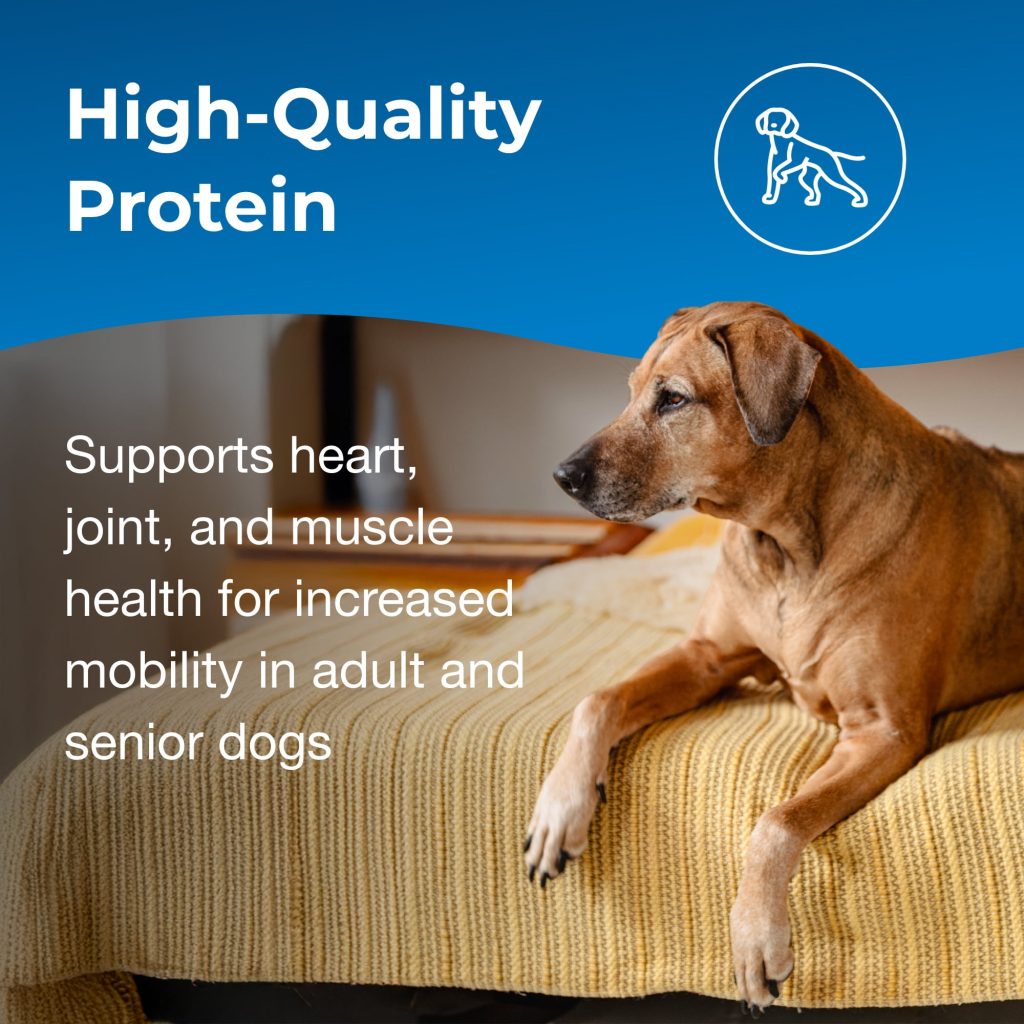
DISCOVER MORE: Click here for essential tips on welcoming a new pet
Understanding the Muscle Health of Senior Dogs
As our beloved canine companions enter their golden years, it becomes increasingly vital to monitor their muscle health. For elderly dogs, the decline in muscle mass and strength is often an unavoidable aspect of aging, significantly affecting their mobility and overall quality of life. This muscle deterioration, recognized as sarcopenia, can begin as early as seven years of age in some breeds, making it essential for dog owners to adopt dietary strategies to combat this decline.
A high-protein diet can serve as a powerful tool in preserving and enhancing muscle health in senior dogs. Protein functions as the body’s primary building block, and for elderly dogs, it can have profound implications. Here are several ways a protein-rich diet can benefit the muscle health of aging canines:
- Repair and Maintenance: Muscle tissue naturally undergoes wear and tear, especially as dogs age. Increasing protein intake provides essential amino acids necessary for the repair and maintenance of muscle fibers, helping elderly dogs retain muscle mass longer.
- Enhanced Strength and Functionality: Regular protein consumption can help maintain strength in older dogs, allowing them to engage in activities they enjoy, such as walking or playing, which are crucial for their physical and mental well-being.
- Improved Metabolism: A diet high in protein can boost metabolic function, which is essential for maintaining a healthy weight. Excess weight can place additional strain on muscles and joints, leading to decreased mobility.
In addition to these muscle health benefits, feeding elderly dogs adequate protein can influence their behavior and energy levels. Active dogs are more likely to remain physically fit and mentally sharp, reducing the risks of age-related cognitive decline. Furthermore, a protein-rich diet can be vital in preventing the onset of secondary health issues, such as obesity and diabetes, both of which can adversely affect muscle health.
The American Kennel Club emphasizes the importance of protein in a senior dog’s diet, recommending that the protein content should generally be higher than that of younger dogs. Quality is just as critical as quantity; protein sources rich in essential amino acids and easily digestible should be prioritized. Options include animal-based proteins such as chicken, fish, and lamb, which are not only delicious but also support better muscle synthesis in aging pets.
In summary, understanding the benefits of high-protein diets is essential for dog owners who wish to promote muscle health in their elderly companions. By making informed decisions about their pets’ nutritional needs, owners can ensure their beloved dogs can enjoy their later years with vigor and vitality, ultimately enhancing their quality of life.
| Category | Key Features and Benefits |
|---|---|
| Muscle Maintenance | High-protein diets help preserve lean muscle mass, which is critical for elderly dogs as they age and naturally lose muscle strength. |
| Enhanced Energy Levels | A protein-rich diet can increase energy levels, providing older dogs with the necessary vigor for daily activities, improving their quality of life. |
| Improved Recovery | High-protein meals speed up muscle recovery after physical exertion, helping elderly dogs maintain strength during play or rehabilitation exercises. |
| Healthy Weight Management | Protein can aid in weight management by increasing metabolism, which is essential for preventing obesity in older dogs who are less active. |
| Support for Vital Organs | Protein is crucial for organ health and function in elderly dogs, contributing to overall well-being and longevity of life. |
As our canine companions age, their dietary needs shift significantly. Especially for elderly dogs, ensuring an adequate intake of protein becomes not just beneficial, but essential for maintaining muscle health. High-protein diets have been linked to numerous health benefits, fostering the longevity and vitality of our furry friends. By promoting strong muscle maintenance and enhancing energy levels, these diets inspire a more active lifestyle among older dogs. It’s important to focus on high-quality protein sources, tailored specifically for the dietary requirements of senior dogs. Exploring these benefits further can uncover new strategies to optimize your dog’s nutrition and overall health.
DISCOVER MORE: Click here to learn about the benefits and challenges of natural pet food
The Role of Nutritional Balance in High-Protein Diets
While a high-protein diet is essential for the muscle health of elderly dogs, it is equally important to consider the overall nutritional balance of their meals. Aging can complicate digestion, making it critical for senior dogs to receive a well-rounded diet that includes not just ample protein but also other vital nutrients. A combination of carbohydrates, healthy fats, vitamins, and minerals works synergistically with protein to optimize muscle health.
For instance, healthy fats, like omega-3 fatty acids found in fish oil, have been shown to have anti-inflammatory properties that can support joint health, a common concern in older dogs. When aging dogs engage in physical activities, they may experience joint stiffness or discomfort; thus, incorporating such beneficial fats can promote overall mobility and encourage the dogs to stay active, further leveraging their protein intake to build and maintain muscle.
Moreover, vitamins and minerals, such as vitamin D and calcium, play significant roles in muscle function and bone health. Elderly dogs often suffer from vitamin deficiencies due to decreased absorption rates, exacerbating muscle atrophy. Supplementing their diet with these vital nutrients alongside protein can enhance muscle strength and support metabolic health.
Feeding Strategies for Maximum Protein Absorption
Another consideration is how protein is presented in a dog’s diet. Choosing high-quality, digestible protein sources is crucial. Research suggests that animal-based proteins, compared to plant-based options, offer a complete amino acid profile that is more beneficial for muscle synthesis in dogs. When selecting commercial dog foods, owners should look for formulations that list quality animal proteins as the first ingredient.
Additionally, the meal frequency can influence protein absorption and muscle maintenance. Feeding small, frequent meals can increase the overall protein intake throughout the day without overwhelming the digestive system. This method enhances the dog’s ability to utilize protein effectively, which can be particularly beneficial for elderly dogs who may have reduced appetite or digestive challenges.
The Psychological Benefits of Increased Protein Intake
Interestingly, a high-protein diet does not just benefit the body; it can also positively impact the mental health of elderly dogs. Studies show that dogs who are encouraged to stay active and engaged—whether through play or training entertainment—exhibit improvements in cognitive function. Feeding a protein-rich diet may enhance energy levels, translating to increased enthusiasm for activities and interactions that are beneficial for mental stimulation.
Furthermore, an active dog is less likely to exhibit behaviors associated with anxiety and depression, which are common in older pets. Regular activities foster a sense of purpose and mental clarity, helping combat age-related cognitive decline. This interplay between a high-protein diet and an active lifestyle is crucial in ensuring dogs maintain their zest for life as they age.
In summary, a high-protein diet is a key factor in ensuring the muscle health of senior dogs. By focusing not only on protein but also on the importance of a well-balanced diet, digestibility, feeding strategies, and the psychological well-being linked to increased protein consumption, owners can significantly enhance the quality of life for their aging pets.
DISCOVER MORE: Click here to learn how natural nutrition can enhance your pet’s lifespan
Conclusion: Elevating Life for Our Senior Companions
In conclusion, embracing a high-protein diet for elderly dogs offers substantial benefits that extend beyond mere muscle maintenance. As our furry friends age, their nutritional needs evolve, and the integration of quality protein plays a foundational role in their overall health and vitality. Through adequate protein intake, senior dogs can combat muscle atrophy, enhance energy levels, and improve their mobility—crucial components that contribute to a fulfilling life in their golden years.
Moreover, when combined with proper nutritional balance—incorporating healthy fats, essential vitamins, and minerals—owners are poised to create a diet that supports not just the physical but also the emotional well-being of their pets. The psychological advantages of a high-protein diet cannot be overlooked, as increased energy and engagement can help stave off conditions like anxiety and cognitive decline.
The feeding strategies that optimize protein utilization, such as selecting high-quality animal sources and providing smaller, frequent meals, can further enhance muscle health and digestibility. As attentive pet owners, a commitment to understanding and catering to these dietary needs can lead to improved quality of life, allowing our beloved companions to thrive well into their senior years.
Ultimately, the path to ensuring sustained muscle health in elderly dogs begins with elevated awareness around their nutritional requirements. By prioritizing high-protein diets and providing comprehensive care, we can enrich the twilight of their lives—keeping them active, happy, and healthy. Let us be champions for the well-being of our aging dogs as they continue to bring joy and companionship into our lives.
Related posts:
The importance of fiber in pets' diet: how it contributes to digestive health
Homemade Food for Pets: Benefits and Risks Associated with Personalized Nutrition
Natural Food vs Commercial Pet Food Best Nutrition for Your Pets
The relationship between nutrition and mental health in pets
Nutritional Supplements for Pets: When and How to Use Them Safely
Specific diets for pets with food allergies: options and necessary care

Linda Carter is a writer and pet care expert specializing in pet health, grooming, and wellness. With extensive experience helping pet owners create safe, loving, and enriching environments for their animals, Linda shares her knowledge on our platform. Her goal is to empower readers with practical advice and strategies to ensure their pets thrive and lead joyful, healthy lives.