Preparing Your Home for the Arrival of a New Pet: Essential Adoption Tips
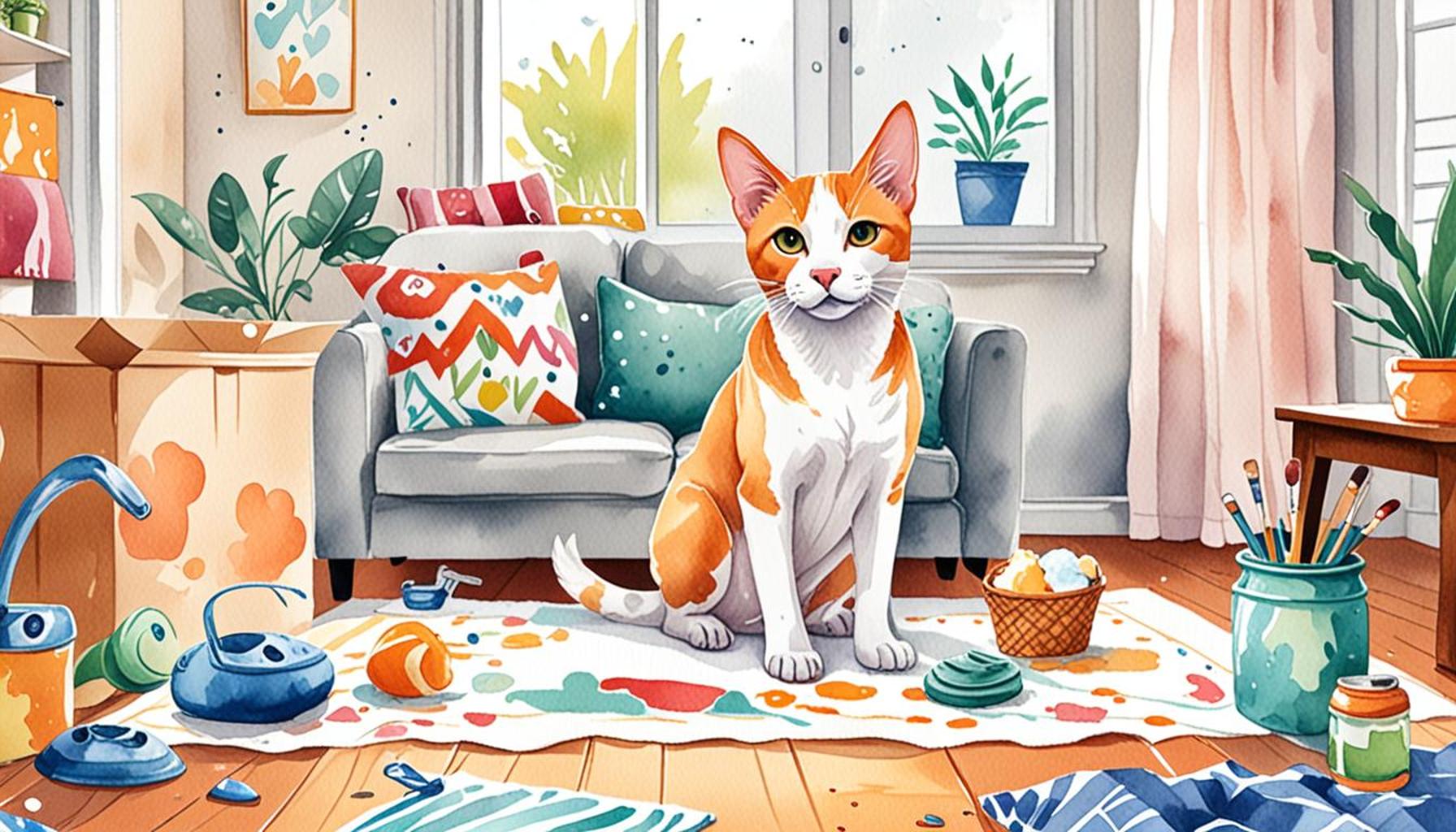
Welcoming a New Companion
Bringing a new pet into your home is not just a delightful journey filled with cuddles and playtime; it also involves embracing a spectrum of responsibilities that will shape the life of your new companion. Regardless of whether you’re adopting a playful puppy, a serene feline, or even a less conventional furry friend like a rabbit or guinea pig, preparing your living space is essential for ensuring a seamless transition. Taking the time to make your home pet-ready not only fosters a sense of safety for your new companion but also lays the groundwork for a joyful and lasting bond.
Essential Steps for Preparation
Before the exciting moment of your pet’s arrival, several essential steps can help you create a welcoming environment.
- Safety First: Start by thoroughly evaluating your home for potential hazards. This means securing toxic substances such as certain plants, cleaning supplies, and food items like chocolate and grapes, which are harmful to pets. Additionally, ensure that small objects, such as coins or paper clips, are kept out of reach, as these can pose choking hazards.
- Designated Spaces: Creating a cozy corner just for your pet is vital. This space should include a comfortable bed, food and water bowls, and a selection of toys suitable for the type of pet you have. Dogs might enjoy plush chew toys while cats may love feathers and balls. This designated area becomes a safe haven for your pet to retreat to when they need to relax or feel overwhelmed.
- Proper Supplies: It’s important to stock up on essential items before your pet arrives. For dogs, make sure to have leashes and collars ready as these are crucial for walks and training. For cats, a litter box and scoops are must-haves. Research the specific needs of your new friend; for instance, fish may require special tanks with filtered water, while birds may need cages with plenty of perches.
Understanding the specific requirements of the animal you’ve chosen is key. Not all pets have the same needs; for example, while dogs typically thrive on outdoor play and socialization, cats may prefer vertical spaces such as cat trees or window perches that allow them to observe their surroundings.
A Helpful Checklist
To streamline your preparations, a checklist can be incredibly beneficial. Consider including the following items:
- Gates to restrict access to certain areas in your home, helping keep pets safe and potentially preventing accidents.
- Appropriate food tailored to your pet’s species, age, and dietary needs, along with a consistent feeding schedule to establish routine.
- Regular vet visits for check-ups, vaccinations, and preventive care, which are crucial for maintaining your pet’s health and well-being.
Ultimately, your goal is to cultivate a welcoming environment that genuinely makes your new pet feel at home. By preparing effectively, you not only facilitate a smoother transition but also ensure that your experience of welcoming a new pet into your life is rewarding and fulfilling. Take the time to learn about the joys and challenges of pet ownership, and engage with your local pet community for additional insights. With thoughtful preparation, your new companion will quickly become an invaluable and beloved member of your family.

DISCOVER: Click here to learn how exercise benefits your pet’s mental health
Preparing Your Home for a New Arrival
When the decision to adopt a new pet is made, the excitement is often palpable, but this is also the time to prioritize preparation. Creating a harmonious living environment for your new furry friend is essential for their well-being and your peace of mind. Pets, much like humans, fare better in spaces that are suited to their needs and preferences. From ensuring safety to establishing routines, there are several crucial steps that should not be overlooked.
Safety Considerations
The first and foremost aspect of preparing your home is to guarantee a safe environment for your new companion. Every corner of your home should be evaluated for potential dangers that pets might face. Here are some safety steps you can take:
- Identify and secure hazardous items: Common household products, such as cleaning supplies and certain foods, can pose serious health threats. Garlic, onions, and alcohol are deadly to pets, while some houseplants like lilies and philodendrons can cause severe reactions.
- Block off access to risky areas: Stairways, pools, and other high-risk zones should be safeguarded with baby gates or closed doors. This will protect your new pet from falling or accessing unsafe spaces.
- Install protective barriers: Consider using furniture covers or other protective materials to shield your items from potential chewing or scratching, as some pets might exhibit these behaviors when adjusting to a new home.
Creating Cozy Havens
Once safety has been ensured, the next step is to design an inviting space for your new pet. This area should be a sanctuary where they can unwind, sleep, and feel secure. Consider the following elements:
- A comfortable bed: Invest in a bed that is appropriate for your pet’s size and sleeping habits. Many pets prefer a softer surface, while others may opt for something more firm.
- Food and water stations: Position bowls in a quiet area away from distractions, and establish a consistent feeding schedule to help your pet adjust to their new routine effectively.
- Engaging toys: Different types of toys can stimulate your pet’s mind and keep them busy. For dogs, interactive puzzle toys can provide both mental and physical exercise. For cats, feathered toys or laser pointers can spark their natural hunting instincts.
Taking the time to curate a conducive environment not only eases your pet’s transition but also sets the tone for a long-lasting and fulfilling relationship. Although the process may feel overwhelming at times, thorough preparation enhances not just the pet’s comfort, but also your experience as a new pet owner. As you navigate this journey, embrace the unique needs of your new companion while staying informed about best practices and available resources.
Preparing Your Home for Your New Pet
When bringing a new pet into your home, it’s essential to ensure that your environment is safe, welcoming, and comfortable. Here are several crucial steps to help you prepare effectively:
1. Create a Designated Space
Establishing a specific area in your home for your new pet is vital for their adjustment. This space should be quiet, comfortable, and away from high-traffic areas, allowing your pet to feel secure. Adding a cozy bed, food and water bowls, and some toys will create an inviting atmosphere.
2. Pet-Proofing Your Home
Just as you would child-proof your home, pet-proofing is essential to keep your new companion safe. Remove hazardous items like electrical cords, toxic plants, and small objects that can be swallowed. Secure cabinets containing cleaning supplies or medications and consider installing baby gates to restrict access to certain areas.
3. Stock Up on Supplies
Ensure you have all the necessary supplies ahead of time. This includes high-quality food specific to your pet’s dietary needs, appropriate bowls, a leash, collar, and ID tags for dogs or a litter box for cats. Having the right tools ready will make the transition smoother for both you and your pet.
4. Prepare Existing Pets
If you already have pets, it’s crucial to introduce them to your new addition gradually. Create a plan that allows your existing pets to adjust to the new arrival without feeling threatened. Slowly allowing them to sniff each other through a door or using baby gates can be an effective way to make introductions less stressful.
5. Maintenance of Your Home
Cleaning thoroughly before your pet arrives helps in eliminating any allergens and makes the space more welcoming. Look into durable rugs or flooring options that can withstand wear and tear from playful paws. Regular maintenance post-adoption is also essential; be prepared to deal with shedding, occasional accidents, and other pet-related messes.With these preparations in place, your home will not only be ready for your new pet but will also provide a nurturing and loving environment for them to thrive in. Remember that patience and understanding are key as you both adjust to this new chapter together.
DISCOVER MORE: Click here to learn how to choose the perfect pet for your family
Establishing Routines and Boundaries
After ensuring the initial safety and comfort measures, setting up routines and boundaries is vital for your new pet’s adjustment period. Animals thrive on consistency, and providing a structured environment can significantly ease their transition into your household. Here are some elements to consider when establishing a nurturing routine for your new furry friend:
Feeding Routines
In order to foster a healthy lifestyle, creating a consistent feeding schedule is essential. Select specific times throughout the day for meals, catering to your pet’s age, size, and dietary requirements. For example, puppies and kittens typically require more frequent feedings compared to adult pets. Keeping a regular schedule for feeding can establish a sense of security and reliability, making your new companion feel more at home. Ensuring that fresh water is always available is equally important, as hydration plays a crucial role in their well-being.
Training and Boundary Setting
Behavioral training is an integral part of integrating a new pet into your home. Teaching basic commands such as “sit,” “stay,” and “come” not only promotes good behavior but also strengthens the bond between you and your pet. Digital resources, local trainers, or obedience classes can be invaluable in this regard. Including rewards-based techniques can further motivate your pet and make training enjoyable.
Establishing boundaries is equally significant. Determine which areas of the house your pet is permitted to access and whether specific pieces of furniture are off-limits. This may require patience, but with consistent reinforcement of boundaries through positive reinforcement and redirection, your pet will learn quickly to respect them.
Regular Exercise and Playtime
Physical and mental stimulation is crucial for a pet’s overall health. Regular exercise schedules not only help prevent behavioral issues but also contribute to a pet’s happiness and well-being. Dogs often require at least 30 minutes of playtime or walks daily, tailored to their breed and energy level. Similarly, indoor cats benefit from interactive play sessions, which can include wand toys or laser pointers to encourage movement. Websites such as the American Kennel Club (AKC) and the Humane Society offer great insights on exercise needs based on specific breeds.
Fostering Socialization Skills
To ensure your pet develops into a well-adjusted companion, the socialization process should not be overlooked. Introducing your new pet to various environments, people, and even other pets is essential, especially during their formative days. Gradual introductions to new experiences can minimize anxiety and help your pet feel more comfortable in different circumstances. Incorporating group classes or neighborhood dog parks can provide the necessary exposure while also serving as an opportunity for you to meet fellow pet owners.
By establishing these routines and boundaries early on, you will create a structured and nurturing environment. Remember, every pet is an individual with unique needs and temperaments, so be flexible and willing to adapt as you learn what works best for your new companion. This proactive approach not only sets the stage for a successful cohabitation but fosters a long-lasting, loving bond that can bring joy and fulfillment to your life.
DON’T MISS: Click here to discover why exercise matters for your pet’s happiness!
Conclusion: Embracing the Journey with Your New Pet
Bringing a new pet into your home is not just an exciting adventure; it’s a significant responsibility that requires thoughtful preparation and commitment. By focusing on essential adoption tips, such as securing your home, establishing routines, and fostering a nurturing environment, you lay the groundwork for a successful and fulfilling relationship with your furry companion. Each step, from integrating consistent feeding schedules to engaging in regular play and training, plays a pivotal role in easing your pet’s transition and enhancing their well-being.
Moreover, the journey doesn’t end with mere preparation. It is essential to stay informed about your pet’s evolving needs, whether it be through continued training, socialization opportunities, or adjusting routines as they grow. The more you learn, the better equipped you will be to tailor your approach, ensuring a harmonious coexistence and a satisfying relationship. Remember, every pet has its own personality and quirks which will make your experience unique.
Finally, bask in the joy that your new friend brings into your life. The love and loyalty of a pet are immeasurable and can significantly enrich your daily routine, teaching us valuable lessons in care, patience, and companionship. By committing to be an informed and prepared pet parent, you are not only enhancing their life but inevitably transforming yours for the better. Take this time to create a harmonious home for your new pet, and enjoy all the love and laughter they will bring.
Related posts:
Essential Tips to Prepare Your Home for a New Pet Arrival
How to Choose the Ideal Pet for Adoption: Factors to Consider
Tips for Creating a Comfortable Rest Space for Adopted Pets
How to Create an Exercise Routine for Adopted Pets: Maintaining Health and Energy
How to Choose the Ideal Pet for Your Family: Adoption Tips
Tips for Proper Nutrition for Adopted Pets: Nutrition and Adaptation

Linda Carter is a writer and pet care expert specializing in pet health, grooming, and wellness. With extensive experience helping pet owners create safe, loving, and enriching environments for their animals, Linda shares her knowledge on our platform. Her goal is to empower readers with practical advice and strategies to ensure their pets thrive and lead joyful, healthy lives.