How to Create a Safe and Welcoming Environment for Adopted Pets
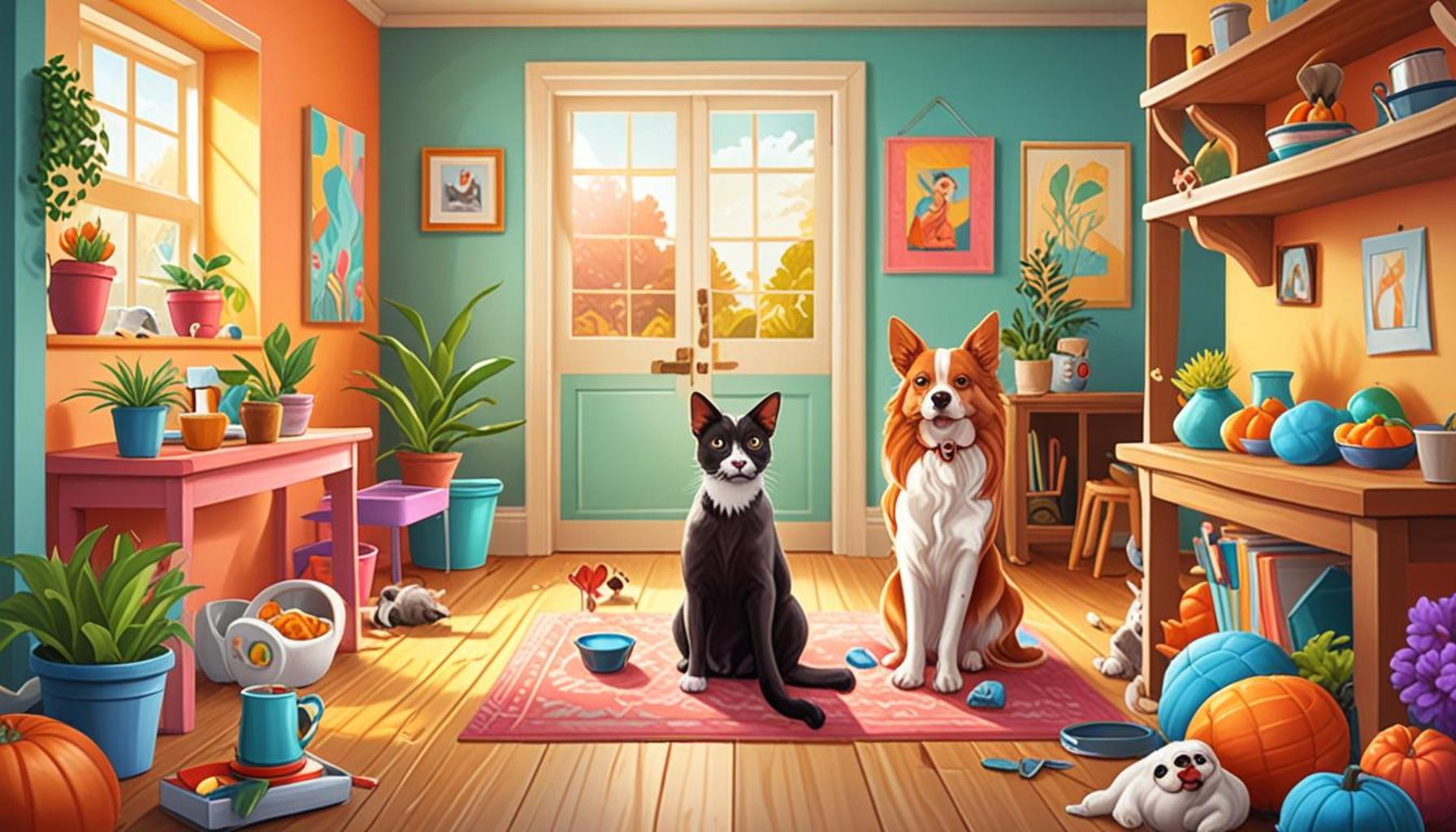
Creating a Safe Haven for Your New Companion
Welcoming a newly adopted pet into your home can be a thrilling experience. However, it’s essential to ensure that this new family member feels safe and comfortable from the start. Building a safe and welcoming environment for adopted pets is crucial for their well-being and helps them adjust to their new surroundings. Understanding that many adopted pets may come with a history of stress or trauma makes their initial transition into your home vital for future happiness and stability.
Establish a Designated Space
One of the first steps in creating a nurturing environment is to establish a designated space for your adopted pet. This space should be quiet, cozy, and removed from any foot traffic where they can retreat whenever they feel overwhelmed. It could be a comfortable dog bed tucked in a corner of your den or a secluded cat tree placed near a window. Adding familiar items like toys, blankets, or a piece of clothing that carries your scent can help them feel more at ease. Over time, they will learn to associate this sanctuary with safety and security.
Utilize Calming Products
To ease the transition, incorporating calming products can significantly benefit anxious pets. Consider using pheromone diffusers, which release synthetic scents that mimic natural pheromones, promoting a sense of calm and reducing anxiety. Additionally, calming blankets infused with lavender can create a soothing environment. Pet stores across the United States, both physical locations and online, carry a variety of these products. Testimonials from other pet owners reveal how these tools helped their furry friends adapt, underscoring their effectiveness.
Ensure Safety
Creating a pet-friendly environment also means maximizing safety. Begin by removing any hazardous items within reach, such as toxic plants, cleaning supplies, and small objects that could pose choking hazards. For example, common houseplants like lilies and philodendrons can be poisonous to cats and dogs alike. Ensuring your home is free from these dangers is not just a precaution; it’s a necessary step in providing a nurturing atmosphere for your pet.
The Importance of Patience
Implementing these measures is only the first step. It is critical to remember that patience is key during this adjustment period. Every pet has a unique personality and background, and your willingness to understand their individual needs fosters trust. This understanding not only helps in forming a lasting bond but also significantly influences their behavior and willingness to explore their new environment. As a responsible pet owner, you have the immense power to create a haven where your pet can thrive, heal, and ultimately blossom in their new home.
Ultimately, the journey of welcoming an adopted pet into your home is one filled with discovery and connection. By investing time and effort into establishing a nurturing environment, you are laying down the foundations for a loving relationship that can last a lifetime.
DISCOVER MORE: Click here to learn about enhancing your pet’s longevity
Understanding Your Adopted Pet’s Needs
To successfully create a safe and welcoming environment for your newly adopted pet, it’s critical to first understand their unique needs. Each animal has its own personality, background, and behavioral traits, which play a significant role in how they will respond to their new surroundings. Factors such as age, breed, and prior experiences – particularly if they involve trauma or neglect – can greatly influence your pet’s comfort level.
Recognizing Signs of Stress
Adopted pets may display various behaviors as they acclimate to their new home. Recognizing signs of stress can aid you in making necessary adjustments to help them feel secure. Common indicators include:
- Hiding or retreating to secluded spots
- Excessive vocalization, such as barking or meowing
- Loss of appetite or changes in eating habits
- Unusual aggression or fearfulness
- Excessive grooming, which may indicate anxiety
Understanding these signals will empower you to respond appropriately, ensuring that your pet’s experience in your home is positive and loving. Consultation with your veterinarian or a pet behaviorist can also provide invaluable guidance if you’re uncertain about how best to support your pet during this transitional phase.
Socialization and Bonding Techniques
Socialization plays a pivotal role in helping your adopted pet adjust. Gradually introducing them to family members and other pets can foster friendships and enhance their emotional health. Consider the following techniques:
- Slow introductions to new areas of the house, allowing your pet to explore at their own pace
- Engaging in interactive playtime, which can strengthen your bond and build trust
- Incorporating training sessions that teach basic commands and reinforce positive behaviors
- Creating structured routines for feeding, walks, and play, which can provide a sense of stability
Utilizing these techniques will not only help ease anxiety but also promote a sense of belonging, gradually transforming your house into a nurturing home. It’s important to celebrate small victories along the way, acknowledging the progress your pet is making.
Incorporate Enrichment Activities
Additionally, enrichment activities can significantly enhance your pet’s quality of life and provide mental stimulation. This can include puzzle toys that challenge their intellect, scratching posts for cats, or even agility exercises for dogs. Such activities help alleviate boredom, reduce stress, and promote healthy physical and mental development. By integrating enrichment, you create a more fulfilling environment, encouraging your pet to explore their surroundings while building confidence.
Creating a safe and welcoming environment for your adopted pets goes beyond just physical comfort. It involves understanding their needs, recognizing signs of stress, fostering companionship, and ensuring that their new life with you is rich in variety and love.
| Category | Description |
|---|---|
| Safe Space | Providing a designated area where pets can feel secure and retreat when overwhelmed. |
| Environmental Enrichment | Integrating stimulating toys and explorative elements to foster mental and physical health. |
| Routine and Consistency | Establishing a predictable daily routine allows pets to feel settled and secure. |
| Socialization Opportunities | Encouraging gentle interactions with humans and other animals to enhance confidence. |
| Health and Safety Protocols | Implementing regular vet visits and vaccinations for a healthy and safe environment. |
Creating a safe and welcoming environment for adopted pets is essential in their transition to a new home. One of the foundational steps is to establish a safe space within the home where they can retreat when feeling anxious or overwhelmed. This area should be quiet, secluded, and filled with soft bedding or their favorite toys, providing a sense of security. Additionally, environmental enrichment plays a pivotal role in a pet’s well-being. By incorporating engaging toys and activities that stimulate both their minds and bodies, you can effectively reduce stress and promote a healthy lifestyle. Maintaining a routine and consistency is another critical aspect. Pets thrive on predictability, as it helps them adjust to their new life. Regular feeding times, walks, and play sessions help reinforce their sense of stability.Offering socialization opportunities ensures that your adopted pet becomes familiar and comfortable around other animals and people, which is vital for building their confidence in various situations. Lastly, adhering to health and safety protocols, including regular veterinary check-ups and vaccination schedules, is crucial for ensuring a safe living environment for your adopted pets. This proactive approach not only fosters a happier life for them but also contributes positively to their long-term health.
DISCOVER MORE: Click here to learn about positive reinforcement in dog training
Creating a Physical Environment that Supports Safety
Once you have a foundational understanding of your adopted pet’s needs and the initial steps for socialization and enrichment, the next vital step is to focus on creating a physical environment tailored to their comfort and security. The surroundings can greatly influence your pet’s behavior and feelings of safety, making it essential to address potential hazards and create cozy spaces.
Pet-Proofing Your Home
Pet-proofing is an essential aspect of preparing your home for an adopted pet. This process involves identifying and eliminating hazards that could potentially harm them, especially in the case of a curious, explorative animal. Consider the following precautions:
- Secure hazardous items like cleaning supplies, medications, and toxic plants out of reach or in locked cabinets.
- Use baby gates to restrict access to stairs or rooms that pose risks.
- Hide electrical cords or utilize cord management solutions to prevent chewing.
- Cable tie any loose wires or easily accessible cords to reduce potential tangling.
Additionally, regularly inspect your home for small objects that could be ingested and ensure that windows and balconies are secure to prevent escapes or accidents. By taking these proactive measures, you not only promote a sense of safety but also allow your new companion to explore their environment with less risk.
Designated Safe Spaces
Creating designated safe spaces is another effective strategy to help your adopted pet feel secure in their new home. These areas should be cozy, quiet, and free from the everyday hustle of family life. Here’s how to set up a comfortable nook:
- Provide a soft bed or blanket, ensuring it’s placed in a low-traffic area where your pet can retreat when feeling overwhelmed.
- Add familiar toys or items that carry comforting scents, helping them to feel at home.
- Use pet gates to create a secure area in larger rooms, allowing your pet to observe the environment without feeling trapped.
- Consider a cats only area with scratching posts or climbing structures to cater to their natural instincts.
By establishing safe spaces, your adopted pet will have a sanctuary where they can relax, recharge, and build confidence as they acclimate to your home.
The Importance of Gradual Adjustments
Remember that patience is key when it comes to helping your adopted pet feel at ease in their new environment. Rapid changes can lead to stress, so allow for slow transitions. This approach is especially important if you are introducing multiple pets into the household. Use gradual introductions to ensure that each pet has the opportunity to safely interact, reducing the risk of territorial disputes and anxiety.
Establishing routines for mealtime, exercise, and downtime also contributes to a secure environment. Animals thrive on predictability, and a consistent daily schedule will help your pet understand what to expect, reducing anxiety and fostering trust.
By focusing on creating a safe physical space, adopting the right strategies to pet-proof your home, and allowing gradual adjustments, you set the stage for a loving and nurturing atmosphere. This approach not only embraces your adopted pet but supports their overall well-being as they transition from their past into a brighter future with you.
DON’T MISS: Click here to learn about puppy socialization
Conclusion
Creating a safe and welcoming environment for adopted pets is a multifaceted endeavor that requires thoughtfulness, patience, and commitment. By taking the time to understand your new companion’s unique needs and implementing the right strategies, you can foster an atmosphere where they can thrive. From pet-proofing your living space to establishing designated areas for comfort, every detail plays a crucial role in their adjustment.
Additionally, slowly introducing your pet to their new surroundings and setting consistent routines can significantly enhance their sense of security and trust. Remember, adopted pets often come with past experiences that may influence their behavior, so providing a stable environment is essential for their well-being. As you work towards creating an enriching space that prioritizes their safety, you’re not just ushering in a new member of your family but also paving the way for healing and happiness.
Ultimately, the journey of integrating an adopted pet into your home is a rewarding one, filled with opportunities for love and connection. As pet owners, we must advocate for both physical and emotional safety, ensuring that our homes reflect the loving sanctuaries our pets deserve. With your dedication to their well-being, you can create a nurturing environment that will leave a lasting impact—both on your pet and your family. Embrace this adventure, for the joy they bring is immeasurable and their appreciation, profound.
Related posts:
Choosing the Right Pet for Your Family Adoption Factors to Consider
Essential Healthcare for Adopted Pets: What You Need to Know
Strategies to Help Adopted Pets Overcome Past Traumas
How to Choose the Ideal Pet for Your Family: Adoption Tips
Essential Tips to Prepare Your Home for a New Pet Arrival
Tips for Dealing with Behavioral Issues in Adopted Pets: Patience and Strategies

Linda Carter is a writer and pet care expert specializing in pet health, grooming, and wellness. With extensive experience helping pet owners create safe, loving, and enriching environments for their animals, Linda shares her knowledge on our platform. Her goal is to empower readers with practical advice and strategies to ensure their pets thrive and lead joyful, healthy lives.