How Pet Presence Can Reduce Stress and Anxiety

The Calming Influence of Pets
In recent years, the conversation around mental health has gained significant traction, especially as individuals navigate the complexities of modern life. Stress and anxiety are increasingly prevalent, affecting children, adults, and seniors alike. In this context, the companionship of pets emerges as a surprisingly effective remedy, offering comfort and emotional support in times of distress. Numerous studies indicate that simply being in the presence of animals can foster a serene environment conducive to emotional healing.
Benefits of Pet Presence
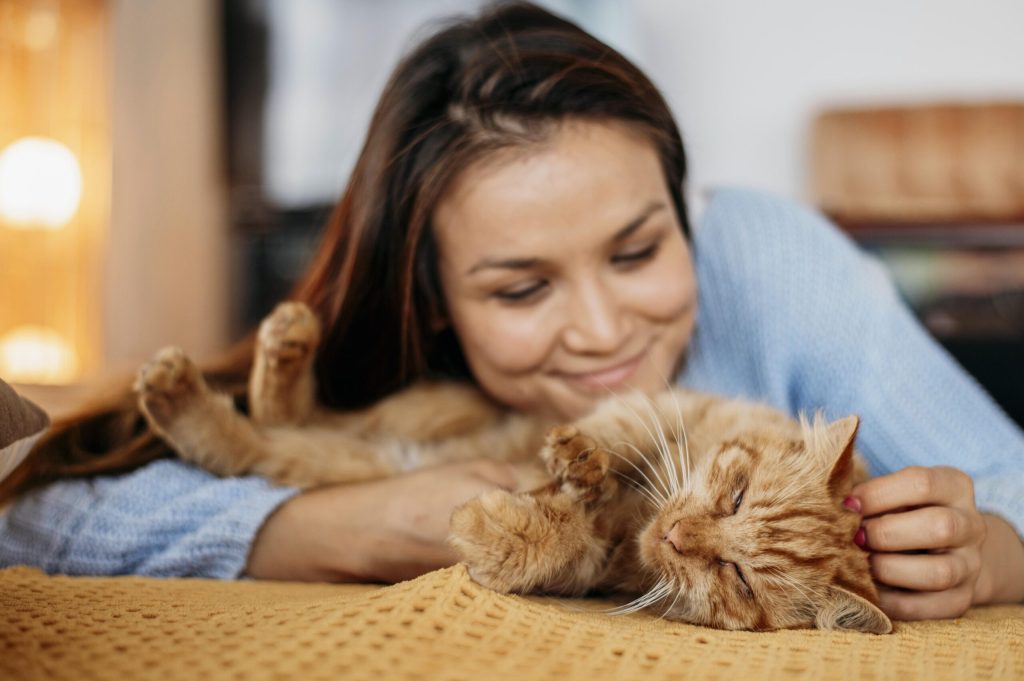
- Physical contact: Engaging in activities such as petting a dog or cat can lead to a remarkable physiological response. Research shows that this simple act can lower blood pressure and boost the release of calming hormones like oxytocin. The gentle touch and warmth of an animal serve as a natural balm, helping to mitigate stress and promote relaxation.
- Routine and structure: The daily responsibility of caring for a pet—feeding, walking, and grooming—creates a sense of routine that can significantly alleviate feelings of anxiety. For many, this structure can transform chaos into order, providing a clear purpose in daily life. Pets motivate owners to get outside and engage in physical activity, which is essential for overall well-being.
- Unconditional love: Pets are renowned for their ability to provide unwavering affection, which can profoundly impact an owner’s emotional state. This unconditional love fosters a sense of belonging and lowers feelings of isolation. Studies have shown that interactions with pets can trigger the brain’s production of serotonin and dopamine, influencing mood and emotional stability.
According to research conducted by the Human-Animal Bond Research Institute (HABRI), pet owners frequently report lower levels of stress and a heightened sense of overall well-being. Pets not only bring joy into their owners’ lives but also serve as vital partners in emotional resilience. The bond between humans and animals can be particularly beneficial in urban settings like New York City or Los Angeles, where fast-paced lifestyles and crowded environments can exacerbate feelings of loneliness and stress.
Exploring the Impact of Animal Companionship
As more Americans seek effective methods to enhance their mental health, understanding the significant impact of animal companionship becomes increasingly relevant. This exploration into the pet-human bond sheds light on why many individuals perceive their pets as essential partners on their journey to mental wellness. The soothing presence of a four-legged friend can offer emotional stability and foster a sense of security, especially during challenging times.
Furthermore, programs that utilize therapy animals in various settings—from hospitals to schools—demonstrate a growing recognition of the therapeutic potential of animal companionship. With pets firmly entrenched in American culture, the exploration of their benefits invites individuals to consider how these relationships can enrich their lives and support emotional healing.
DISCOVER MORE: Click here to learn how to choose the perfect pet for your family
The Therapeutic Power of Animals
The relationship between humans and animals is profound, extending beyond mere companionship to encompass an intricate emotional network that plays a pivotal role in mental health management. As stress and anxiety levels rise, many individuals are turning to pets as a credible source of solace. Pets have an innate ability to create a tranquil environment that nurtures emotional regulation, helping to offset the pressures of everyday life.
Scientific Foundations of Pet Therapy
A growing body of research highlights the scientific foundations of how animals can alleviate stress and anxiety. Numerous studies have uncovered that interaction with pets leads to measurable physiological changes in humans. For instance, a study from the University of Missouri found that pet owners experienced a *significant decrease* in anxiety levels and an increased sense of security when they were with their pets. These findings emphasize the bonds between humans and animals, elevating pets from household companions to essential contributors to mental well-being.
The Role of Animals in Daily Life
Incorporating animal companionship into one’s daily routine can lead to profound benefits. The following aspects underline the significance of pet presence in fostering mental health:
- Physical Exercise: Walking a dog or playing with a cat can promote physical fitness, which is closely linked to lower stress levels. Engaging in regular physical activity releases endorphins, improving overall mood and decreasing anxiety.
- Social Connections: Pets act as social catalysts, encouraging interaction among people. Whether at the dog park or in your neighborhood, pets can facilitate conversations, easing social anxieties and enhancing feelings of belonging.
- Mindfulness and Presence: Caring for a pet encourages a state of mindfulness. The act of feeding, grooming, or simply sitting beside a pet compels individuals to focus on the present moment, reducing rumination and overwhelming thoughts.
Animal companionship serves as an emotional sanctuary that helps individuals navigate life’s tumultuous waters. This reflects a shift in how society views pets—not merely as animals but as integral components of psychological support systems. The presence of a beloved pet can instill feelings of comfort during tumultuous times, offering a profound sense of serenity that distracts from daily stressors.
Reinforcing the Human-Animal Bond
The growing acceptance of the healing benefits associated with *animal companionship* also finds expression in therapy sessions. Programs utilizing therapy animals have gained popularity in various settings, demonstrating the practical applications of pet presence in therapeutic contexts. In urban centers like Chicago or San Francisco, mental health professionals are increasingly incorporating animals into their practices, illustrating the bridge between emotional health and our bonds with our pets. This evolving understanding invites individuals to pause and consider how integrating pets into their lives can become a mechanism for emotional resilience.
The connection between human emotions and animal companionship is profound and backed by extensive research. When pets are present, they often create a sense of comfort that can lead to significant reductions in anxiety and stress levels. Engaging with pets has shown to produce calming effects that are not only instantaneous but also long-lasting.
One of the most notable benefits of having a pet is the release of oxytocin, often referred to as the “love hormone.” This hormone is naturally released when a person interacts with their pet, such as during petting or cuddling sessions. Consequently, oxytocin facilitates an emotional bonding experience that encourages feelings of love and trust, reducing feelings of loneliness and anxiety.
Moreover, pets act as excellent distractions from daily stressors. Focusing on the needs and behaviors of pets can shift our attention away from worries, providing a mental break. Playing, walking, or even just observing a pet can encourage physical activity, which further aids in decreasing stress levels through the production of endorphins.
Additionally, studies indicate that pet owners often report improved psychological well-being. The simple act of taking a dog for a walk can lead to social interactions and community bonding, which are essential for mental health. In essence, the presence of pets not only enriches our lives but also serves as a powerful antidote to anxiety and stress.
| Category | Benefits |
|---|---|
| Stress Relief | Physical contact with pets helps release calming hormones. |
| Enhanced Mood | Pets promote social interaction and reduce feelings of loneliness. |
Emphasizing wellness through the companionship of pets not only fosters healthier lifestyle habits but also promotes emotional stability. By exploring this unique bond between humans and their pets, we unlock a pathway toward overall mental health improvement.
DISCOVER MORE: Click here to learn how to choose the perfect pet for your family!
Fostering Emotional Resilience through Pet Presence
The positive impact of pets on mental well-being transcends mere companionship; it fosters resilience. Animals are adept at providing emotional support in ways that are both gentle and effective. For many, the unconditional love and non-judgmental demeanor of pets create a safe space to express feelings, ultimately contributing to better mental health. This relationship enables individuals to cope with stressors that might otherwise feel overwhelming or isolating.
Pets as Natural Stress Relievers
It may come as no surprise to pet owners that merely petting or playing with an animal can result in lowered stress levels. Research has demonstrated that engaging in activities with pets leads to a reduction in cortisol, the stress hormone, while simultaneously increasing levels of serotonin and dopamine—two key neurotransmitters linked to feelings of happiness and relaxation. A 2020 study conducted by the Human-Animal Bond Research Institute revealed that 74% of pet owners reported improved mental health as a direct result of their pet’s presence. Such findings underline a remarkable aspect of pet companionship: its ability to serve as a natural antidote to stress and anxiety.
The Impact of Different Types of Pets
While dogs and cats are typical choices for emotional support, various pets can provide relief from stress and anxiety in unique ways. For instance, small animals such as rabbits or guinea pigs require specific care routines that encourage responsibility and routine, fostering a sense of purpose in their owners. Additionally, the presence of fish in aquariums can have a calming effect, as studies suggest that observing fish swimming can significantly lower heart rates and induce relaxation. Each type of pet offers different therapeutic benefits, allowing individuals to choose companions that best suit their lifestyles and emotional needs.
Interventions Utilizing Pets in Mental Health Settings
The integration of pets in formal therapeutic settings is gaining traction, as mental health professionals recognize the immense potential for animal-assisted interventions. Therapy dogs, for example, are frequently utilized in schools and hospitals to help individuals process trauma or navigate anxiety. According to a study by the American Humane Association, therapy dog programs in educational environments have facilitated improved academic performance among students coping with social anxiety and learning challenges. The presence of a gentle canine companion provides comfort and reduces the severity of anxiety symptoms, setting the stage for enhanced focus and learning.
The Economics of Pet Ownership
In the broader context, the financial implications of pet ownership can also align with mental health improvements. While owning a pet entails costs, studies indicate that the mental health benefits—such as a decrease in healthcare expenditures related to stress-induced illnesses—can outweigh initial investments. Access to affordable pet services, alongside community support for pet ownership, emphasizes the dual benefits of fostering mental health and boosting economic resilience through pet companionship.
Understanding how pet presence reduces stress and anxiety allows for deeper insights into our emotional landscapes. By embracing the bond between humans and animals, not only do individuals find solace, but society as a whole can shift towards greater acceptance of pets as vital components of mental health care systems. This evolving narrative invites readers to reflect on the role of animals in their lives and consider how these bonds can cultivate emotional resilience in a world often marked by uncertainty and stress.
DISCOVER: Click here to learn more about natural nutrition for your pets
Conclusion: Embracing the Healing Power of Pets
In summary, the profound effects of pet presence on reducing stress and anxiety cannot be overstated. From lowering cortisol levels to enhancing feelings of joy through the release of serotonin and dopamine, pets serve as natural mitigators of life’s pressures. This article has illuminated the myriad ways in which various types of pets contribute to mental well-being, from the companionship of dogs and cats to the calming presence of fish and small animals.
Moreover, the incorporation of pets in therapeutic settings further underscores their significance in enhancing emotional resilience. Programs involving therapy animals in schools and healthcare facilities are paving the way for innovative mental health interventions, showcasing just how integral pets can be in fostering emotional recovery and wellbeing.
Finally, as we reflect on the economic aspects of pet ownership, it becomes clear that investing in a furry or finned friend can lead to significant mental health benefits, ultimately leading to decreased stress-related healthcare costs. By embracing pets within our lives, we take a proactive step towards not only our personal wellness but also a broader recognition of the vital role animals play in our psychological health.
As you consider the potential of pet companionship, remember that this relationship can be a powerful ally in navigating life’s challenges. Whether you’re a long-time pet owner or contemplating welcoming an animal into your home, the therapeutic effects of animal presence offer an invaluable resource in our quest for peace and emotional resilience.
Related posts:
The Impact of Pet Adoption on the Emotional Health of Adults
Natural Pet Food Benefits Challenges for Animal Well-Being
How Pets Can Serve as Catalysts for Socialization and Well-Being
How Interaction with Pets Can Boost Owners' Immunity and Physical Health
The Importance of Outdoor Activities with Pets for the Mental and Physical Health of Owners
The Connection between the Presence of Animals and the Reduction of Depression Symptoms in Adults

Linda Carter is a writer and pet care expert specializing in pet health, grooming, and wellness. With extensive experience helping pet owners create safe, loving, and enriching environments for their animals, Linda shares her knowledge on our platform. Her goal is to empower readers with practical advice and strategies to ensure their pets thrive and lead joyful, healthy lives.