How Nutritional Needs Vary Between Different Breeds of Dogs and Cats
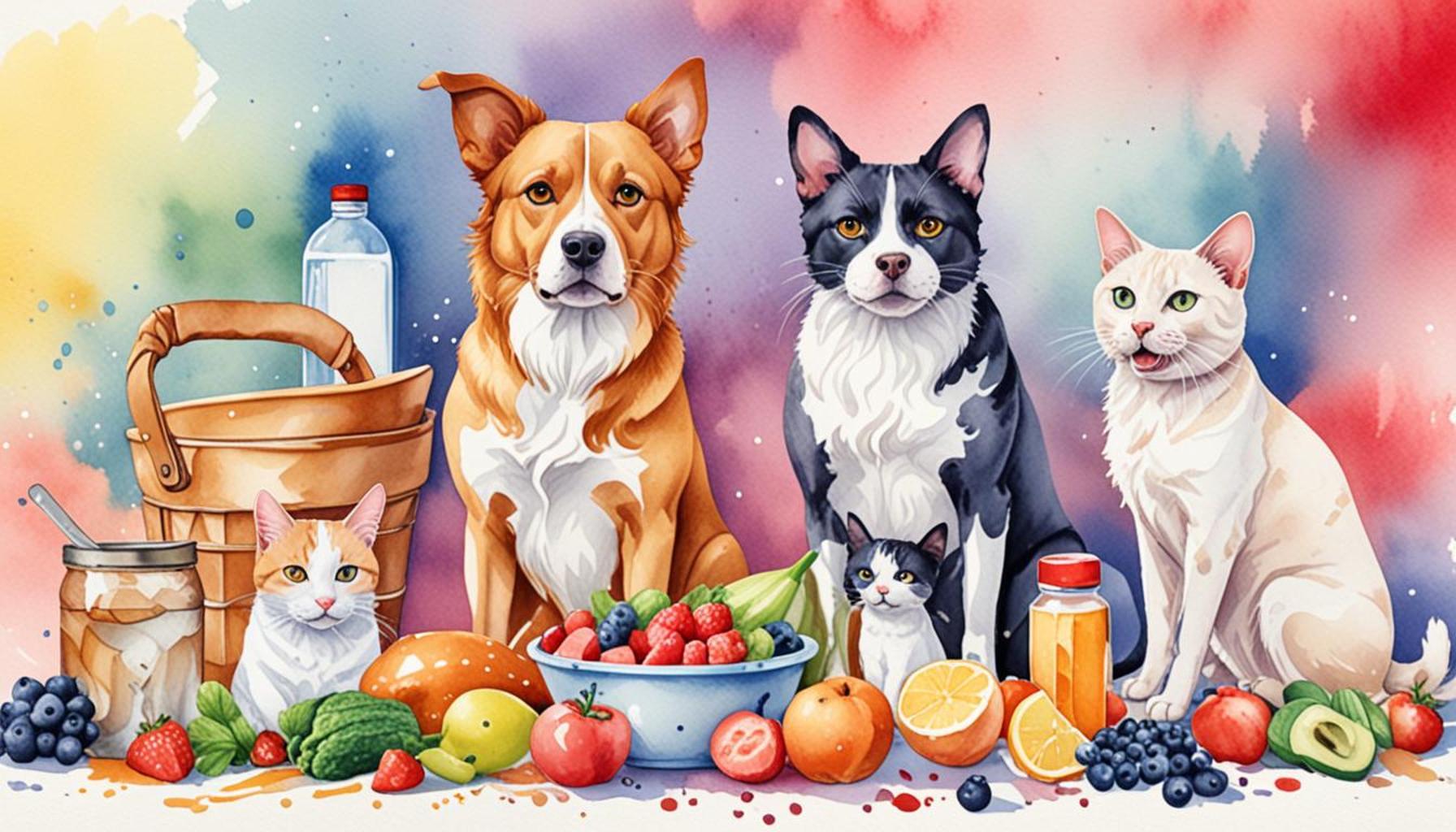
The Importance of Customized Nutrition for Pets
Pet owners often underestimate how nutritional needs differ among various breeds of dogs and cats. This oversight can lead to significant health issues, affecting everything from energy levels to longevity in our furry friends. Tailoring the diet of your pet based on their breed is a fundamental aspect of responsible pet ownership.
The variation in breed size, metabolism, and energy levels is substantial. For example, consider small breeds such as Chihuahuas. These tiny pups often require a diet that is higher in calorie density due to their fast metabolism. A diet that does not provide adequate caloric intake can leave them lethargic or underweight, which can lead to health complications. Conversely, large breeds such as Great Danes have specific nutritional requirements that are crucial during their growth phases. They need a balanced intake of calcium and phosphorus to support healthy bone development and to prevent conditions like hip dysplasia.
Active breeds, including Border Collies, showcase another facet of pet nutrition that pet owners should be fully aware of. These dogs have heightened energy needs and often benefit from high-protein diets to fuel their energetic lifestyle. A lack of the necessary nutrients can lead to behavioral issues or a decrease in their performance during activities. On the other hand, more sedentary breeds like Bulldogs may become overweight if their calorie intake is not monitored closely. They thrive on a diet that is lower in calories but still rich in essential nutrients to maintain their health.
Moreover, cats are not exempt from the nutritional variances across breeds. Take Abyssinians, for instance. These active cats typically benefit from a more protein-rich diet to support their energetic play habits and high metabolism. In contrast, breeds like Persians, which are generally less active, often require strict calorie control to prevent obesity. Overweight cats can suffer from a range of health issues, including diabetes and joint problems, emphasizing the necessity of tailored dietary plans.
Understanding these differences is essential for making informed choices about pet diets. By paying close attention to your pet’s breed characteristics and their specific dietary requirements, you can promote better health outcomes and enhance their quality of life. In this article, we will explore specific nutritional requirements based on breed characteristics, shedding light on how to provide the best care for your furry companions.

DISCOVER MORE: Click here for essential tips
Understanding Nutritional Requirements Based on Breed Characteristics
The nutritional demands of pets can be as diverse as the breeds themselves, evidencing the intricate relationship between breed characteristics and dietary needs. For dog breeds specifically, factors such as size, activity level, and lifecycle stage play a pivotal role in shaping specific dietary requirements. It’s essential for pet owners to recognize these factors and adapt their feeding practices accordingly.
Small Breeds vs. Large Breeds
When discussing small breeds, take the Pomeranian as an example. This lively breed requires a diet rich in high-quality proteins and fats to meet its energetic disposition. Typically, small breeds should consume food furnished with nutrient-dense ingredients, which can efficiently supply the necessary calories in smaller portions. If these dietary needs are not met, small dogs can easily become undernourished, affecting their overall vitality.
In stark contrast, large breeds, such as the Bernese Mountain Dog or St. Bernard, face unique nutritional challenges. Their size makes them prone to certain health conditions, like joint dysplasia. Consequently, a diet that promotes slow and steady growth is vital. Proper ratios of calcium and phosphorus are necessary to support their developing bones while minimizing the risk of orthopedic diseases, meaning large breed puppy food formulations are specifically designed to address these issues. Many veterinarians recommend using feeding protocols that emphasize moderate calorie intake alongside controlled growth patterns.
Activity Levels – A Key Consideration
The activity level of a breed can drastically influence nutritional needs. For example, highly active breeds like Labrador Retrievers or Vizslas require a higher caloric intake coupled with rich protein levels to sustain their energy throughout the day. These demands can be met by high-performance dog foods which contain adequate amounts of animal protein sources, healthy fats, and carbohydrates.
- High-Protein Diets: Essential for working breeds or dogs engaged in performance activities.
- Caloric Monitoring: Crucial for less active breeds to prevent obesity.
Conversely, sedentary dogs like the Basset Hound or French Bulldog thrive on a diet lower in calories but still needs to be nutrient-rich. Overfeeding these breeds can lead to obesity, which adversely impacts their overall health. Implementing a consistent feeding regimen alongside appropriate portion control can help maintain a healthy weight.
Feline Nutritional Requirements: A Breed-based Perspective
Just as dogs exhibit varying dietary needs based on breed characteristics, cats are equally affected. For instance, active breeds such as the Oriental Shorthair require a diet high in proteins and fats to fuel their agile nature. A formula richer in taurine and essential fatty acids can significantly benefit these breeds. In contrast, more laid-back breeds like the British Shorthair, known for their easygoing temperament, often benefit from calorie-controlled diets to avoid the pitfalls of obesity.
Understanding these nuances between breeds is essential for every pet owner. By aligning dietary practices with specific breed characteristics, you create a pathway for optimal health and well-being for your furry companions. The next sections will delve deeper into how age, health conditions, and activity levels further influence these dietary needs, ensuring a rounded perspective on pet nutrition.
Understanding Nutritional Requirements for Dogs and Cats
When it comes to meeting the nutritional needs of our pets, it is essential to consider the specific requirements of various breeds. Dogs and cats have different metabolic rates, sizes, and activity levels that significantly influence their diet. For instance, small breed dogs, like Chihuahuas, often require a higher calorie intake per pound than larger breeds such as Great Danes. This disparity necessitates tailored diets that cater to their unique energy needs.
Similarly, cats’ nutritional needs can vary widely depending on their breed. For example, Siamese cats may have different protein requirements compared to Persian cats. Additionally, certain breeds prone to specific health issues may require special dietary considerations to maintain their well-being. For example, breeds like the Maine Coon might be predisposed to obesity, making portion control and the selection of a low-calorie diet crucial.
Impact of Activity Level
The activity level of a breed also plays a critical role in determining its nutritional needs. Working breeds, such as Border Collies, are naturally more active and therefore require diets rich in energy-dense ingredients to support their vigorous lifestyles. On the other hand, less active breeds, like Bulldogs, may be more susceptible to weight gain and thus require a controlled diet that helps maintain a healthy weight.
Age and Life Stage Considerations
Age is another significant factor influencing nutritional requirements. Puppies and kittens require diets that support their rapid growth and development, while senior pets may benefit from formulations that promote joint health and enhance cognitive function. Understanding these nuances can greatly improve your pet’s quality of life.
Overall, recognizing the nuances of breed-specific dietary needs is paramount for pet owners to ensure their furry companions thrive. From protein sources to caloric requirements, tailoring a feeding plan will not only support your pet’s health but also enhance their happiness. For those interested in delving deeper into this topic, exploring breed-specific nutritional guides and consulting with a veterinary nutritionist can provide invaluable insights.
| Category | Benefits |
|---|---|
| Breed-Specific Nutrients | Ensures optimal health tailored to specific breed traits |
| Weight Management | Helps prevent obesity and related health issues in sedentary breeds |
DISCOVER MORE: Click here to find the perfect pet for your family
Age and Health Considerations in Nutritional Needs
In addition to breed characteristics, age and health conditions significantly influence the dietary needs of both dogs and cats. Each life stage, from puppy or kitten to adulthood and into senior years, requires distinct nutritional adaptations to promote optimal health and longevity.
Puppies and Kittens: Growth Phases
Puppies and kittens undergo rapid growth and development during their first year. A breed’s size impacts their unique requirements during this critical period. For example, toy breeds like the Chihuahua may require a high-calorie diet formulated for small breed puppies, ensuring they gain weight and muscle without excess fat. Meanwhile, giant breeds, such as the Great Dane, necessitate a meticulously balanced diet designed to promote gradual and steady growth. This reduces the risk of skeletal disorders, which are prevalent in larger dogs.
Commercial pet foods often provide growth formulas specifically engineered to meet these diverse needs. They should contain higher fat and protein levels for small breeds and controlled calcium and phosphorus ratios for large breeds. Adequate nutrition during this growth phase is critical as deficiencies can lead to long-term health issues.
Adult Nutrition: Balancing Energy and Maintenance
As dogs and cats transition into adulthood, their nutritional needs shift from growth to maintenance. This stage is crucial for maintaining a healthy weight and overall metabolic balance. Highly active breeds, such as the Border Collie, still require a diet rich in protein and calories to sustain their high energy levels. In contrast, breeds that are less active, like the Pug or Persian Cat, need calorie-reduced diets to avoid obesity — a serious concern that can lead to conditions like diabetes and joint problems.
Moreover, some breeds are predisposed to specific health issues; for instance, Golden Retrievers are prone to heart disease. Diets enriched with omega-3 fatty acids can contribute to heart health, showcasing how nutritional interventions can be tailored to breed-specific health concerns.
Seniors: Adapting to Changing Needs
As pets age, their metabolism slows down, and their dietary needs continue to evolve. Senior dogs and cats often benefit from diets that are lower in calories but higher in fiber to aid digestion and maintain healthy weight. Specific nutrients such as glucosamine and chondroitin can support joint health, particularly in breeds like the Labrador Retriever, known for their susceptibility to joint issues later in life.
Furthermore, hydration becomes increasingly vital for older pets. Both dogs and cats may experience decreased thirst drive with age, making moist diets or additives (like broth) beneficial to promote hydration and support kidney function. Regular veterinary check-ups can fine-tune changes in diet needed as pets transition into their senior years, emphasizing that individualized nutrition is critical for longevity.
Managing Health Issues Through Nutrition
Many health conditions can be managed or mitigated through proper nutrition tailored to the specific breed. For instance, weight management is crucial for breeds prone to obesity, such as the Bulldog. Veterinary-prescribed diets may also be necessary for pets dealing with kidney disease, allergies, or diabetic conditions. Understanding these specific dietary requirements ensures that pets thrive throughout their lives.
The complexities of nutritional needs across different breeds shed light on the importance of individualized care. By comprehensively understanding varying factors—whether they be age, health conditions, or breed characteristics—pet owners can implement effective dietary strategies that enhance their companions’ health and quality of life.
DISCOVER MORE: Click here to learn about building trust through positive reinforcement
Conclusion: Understanding Your Pet’s Unique Nutritional Needs
In conclusion, the intricate world of pet nutrition reveals a fascinating tapestry woven with the threads of breed characteristics, age, and specific health conditions. As we have explored, different breeds of dogs and cats exhibit varying dietary requirements that cater to their unique growth patterns, energy levels, and predispositions to health issues. This understanding is crucial, especially in an era where pet obesity and related health complications are on the rise.
From the delicate nutritional needs of puppies and kittens to the tailored diets required for highly active breeds or those with specific health concerns like heart disease, the spotlight remains on individualization. Pet owners play an essential role in navigating these complexities by selecting appropriate diets that align with their pets’ stages of life, energy levels, and health challenges. It is evident that a one-size-fits-all approach does not apply to animal nutrition.
Furthermore, as our beloved companions transition into their senior years, adapting their diets becomes paramount to maintaining their health and enhancing their well-being. By seeking guidance from veterinarians and utilizing specialized commercial pet foods, owners can create optimal feeding strategies tailored to their pets’ needs.
Ultimately, understanding how nutritional needs vary among different breeds of dogs and cats is not just about feeding them—it’s about enriching their lives, ensuring their longevity, and supporting their overall happiness. This knowledge empowers pet owners to cultivate healthier lifestyles through informed dietary choices, encouraging a deepened bond between humans and their furry companions.
Related posts:
Essential Nutrients for the Healthy Development of Puppies
How to Read Pet Food Labels: Deciphering Ingredients and Essential Nutrients
The impact of nutrition on the dental health of dogs and cats
Nutritional Supplements for Pets: When and How to Use Them Safely
The influence of nutrition on the longevity of pets
Specific diets for pets with food allergies: options and necessary care

Linda Carter is a writer and pet care expert specializing in pet health, grooming, and wellness. With extensive experience helping pet owners create safe, loving, and enriching environments for their animals, Linda shares her knowledge on our platform. Her goal is to empower readers with practical advice and strategies to ensure their pets thrive and lead joyful, healthy lives.