How Interaction with Pets Can Boost Owners’ Immunity and Physical Health

Unlocking the Health Benefits of Pet Companionship
The bond between humans and their pets is undeniable, but it goes beyond mere companionship. Interaction with our furry friends can have a profound impact on our immunity and overall physical health. You may be surprised by the ways your pet can enhance your well-being.
Key Benefits of Pet Interaction
- Stress Reduction: Spending time with pets can lower cortisol levels, reducing stress and anxiety. For instance, research has shown that petting a dog or cat can lead to a significant decrease in blood pressure and heart rate, promoting a calming effect. Whether it’s cuddling on the couch or watching your pet play, these moments can serve as natural stress relievers.
- Increased Physical Activity: Pets require exercise, encouraging owners to stay active, which can improve cardiovascular health. Dog owners are often more motivated to engage in daily walks or hikes, effectively incorporating physical activity into their routines. Furthermore, active playtime with pets, such as throwing a ball or playing fetch, adds enjoyable exercise, making it easier to maintain a healthy weight.
- Enhanced Immune Function: Studies suggest that interacting with pets can bolster the immune system, making owners less susceptible to illness. For instance, a study published in the Journal of Allergy and Clinical Immunology found that children exposed to pets during their first year of life had a lower risk of developing allergies and asthma. This highlights the potential long-term benefits of pet ownership on immune health.
Research has shown that pet owners often lead healthier lifestyles. With a pet at home, you may find yourself more inclined to go for a walk or play outdoors, providing a natural boost to your exercise routine. This connection can significantly reduce the risk of chronic diseases and contribute to a longer, healthier life. Furthermore, engaging with pets offers opportunities for social interaction, which is crucial for mental well-being, especially in communities where loneliness can be prevalent.
Exploring the Science
Various studies indicate that spending quality time with pets releases oxytocin, also known as the “love hormone.” This biochemical response occurs not just in humans, but also in dogs, creating a mutual bond that enhances emotional well-being. Studies have revealed that just a few minutes of playtime or cuddling can facilitate the release of oxytocin, fostering a sense of happiness and connection. This delightful interaction can, in turn, lead to a ripple effect on your health, amplifying feelings of joy and reducing feelings of isolation.
As we delve deeper into this fascinating topic, you’ll discover the extraordinary ways your pet can support your journey to better health. The presence of a loyal dog or the gentle purring of a cat offers emotional support and companionship that can lift spirits and provide comfort during tough times. By embracing the companionship of our pets, we tap into a wealth of emotional, physical, and psychological benefits that enhance our overall quality of life.
DISCOVER MORE: Click here to learn how pets can elevate your well-being
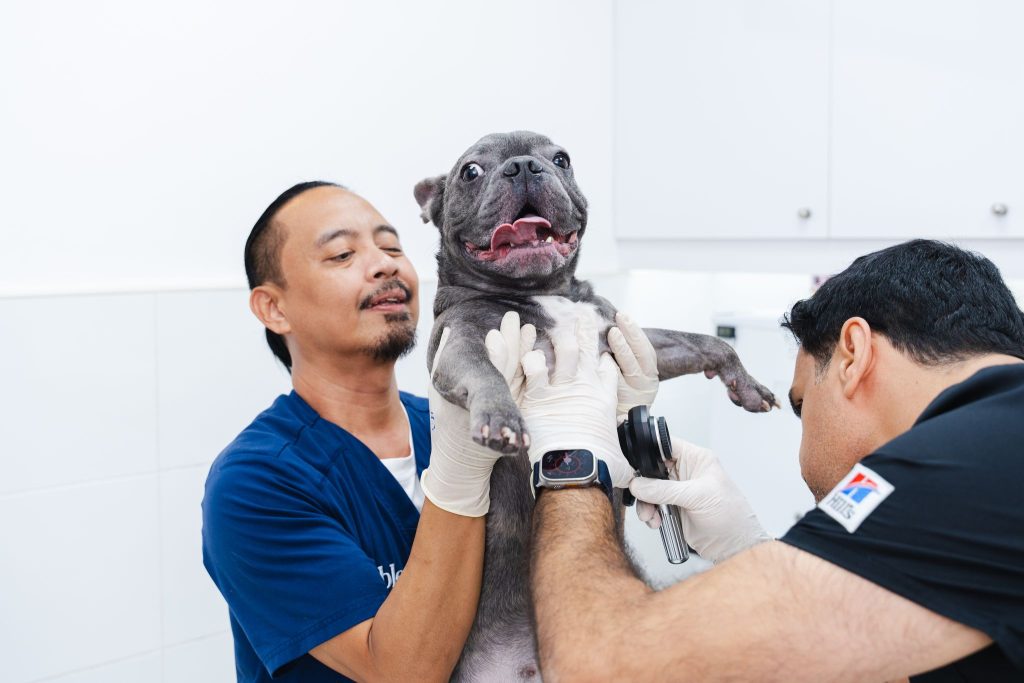
The Synergy of Companionship and Well-Being
The connection between pets and their owners is a profound one, cultivated through daily interactions that extend beyond mere companionship. Pet ownership can lead to surprising health benefits, particularly in the realms of immunity and physical health. Engaging with pets can lead to positive physiological responses, enhancing the overall well-being of their human counterparts.
The Ripple Effect of Pet Ownership on Health
When considering how pets inherently shape our health, several key areas stand out:
- Psychological Advantages: Pets provide companionship that can combat loneliness and depression. The American Psychological Association has stated that pet ownership can result in lower levels of anxiety and stress. Emotionally supportive pets can encourage individuals to stay present, alleviating the emotional burdens that can suppress the immune system.
- Allergy Resistance: Emerging research indicates that early exposure to pets, particularly during childhood, may influence immune system development positively. According to a study by the American Academy of Allergy, Asthma & Immunology, children who grow up with pets are less likely to develop allergies and asthma. This phenomenon suggests that the presence of animals may play a significant role in building early immunity.
- Social Connections: Pets can act as social catalysts, facilitating interactions among their owners. This is particularly notable for dog owners, who often engage with fellow pet owners at parks or during walks. These social encounters can enhance mental health by creating networks of support, which are essential for maintaining good health and a robust immune system.
Moreover, the commitment required for pet care instills a sense of routine and responsibility that has far-reaching health implications. Regularly dictating certain activities, like walking a dog or cleaning a cat’s litter box, encourages physical activity that may otherwise be neglected. This activation of daily movement can contribute to cardiovascular health and weight management. Studies have shown that dog owners are more likely to meet the recommended levels of physical activity than non-owners, contributing to their overall fitness.
The Emotional Chemistry Behind Pet Interaction
The science behind the bond between humans and their pets extends into the biochemical realm. Interaction with pets has been shown to release oxytocin, a hormone associated with bonding and emotional warmth. This biochemical reaction not only fosters affection between pets and their owners but also triggers a sense of well-being and reduces feelings of stress. Engaging with pets, even for a short duration, can elevate oxytocin levels, leading to enhanced emotional health.
Understanding these mechanisms and benefits opens up a world of appreciation for our pets and their impact on our health. By forging deeper connections, not only do we cultivate joy and companionship, but we also invest in our physical and immune health—a win-win scenario in the realm of pet ownership. With ongoing research, we continue to uncover a treasure trove of health benefits that reinforce the notion that our pets are indeed indispensable members of our households and our health journeys.
| Health Benefits | Key Aspects |
|---|---|
| Improved Cardiovascular Health | Pet owners often experience lower blood pressure and reduced cholesterol levels due to the presence of pets. |
| Enhanced Stress Relief | Interacting with pets has been shown to release oxytocin, resulting in a calming effect and lower cortisol levels. |
| Greater Physical Activity | Pet ownership encourages regular walks and playtime, increasing overall physical fitness. |
| Boosted Immune System | Having pets in the home can expose owners to various microbes, enhancing their immune responses over time. |
The profound interaction with pets significantly contributes to mental well-being, engendering feelings of happiness and companionship. Studies have indicated that simply petting an animal can lead to physiological changes that reduce anxiety levels. Moreover, pets offer a unique source of unconditional love and support, acting as emotional anchors for their owners. Notably, pet ownership also promotes social interactions, whether through dog parks or community events, facilitating connections that support mental wellness.Furthermore, engaging with pets helps to combat feelings of loneliness, which can negatively impact physical health. The responsibilities associated with pet care not only create routines but also cultivate a sense of purpose, thereby enhancing overall quality of life. When individuals experience these multifaceted benefits, they likely witness not only improvements in their immunity and health but also a transformative social dimension emerging through their interactions with their pets.
DISCOVER MORE: Click here to learn how pets can boost your health
Enhancing Immunity and Health Through Routine Engagement
As the benefits of pet ownership unfold, one area often overlooked is the impact of routine activities associated with caring for pets. These daily engagements go beyond the acts of feeding or walking; they contribute significantly to the physical health and immune system of pet owners.
Physical Activity Elevated by Pet Care
Physical activity is crucial for maintaining a healthy body, and pet ownership naturally encourages an active lifestyle. Dog owners, in particular, often engage in regular exercise through walks, runs, or playful interactions. The Centers for Disease Control and Prevention reports that individuals who engage in physical activities are not only healthier but also benefit from enhanced immunity. Consistent activity prevents chronic diseases and supports bodily functions by improving circulation and the efficacy of the immune system.
Moreover, studies have shown that pet ownership correlates with higher levels of physical activity. In a 2016 study published in the journal Frontiers in Veterinary Science, researchers found that dog owners tend to achieve recommended daily exercise levels more frequently compared to non-dog owners. This increase in physical activity is not just a matter of cardiovascular fitness; it also underlines the capacity for improved immune function, directly contributing to a stronger disease defense.
The Microbiome Connection
Another fascinating aspect of pet interaction that has emerged from recent studies is the association between pet ownership and a healthier gut microbiome—a vital component in boosting immunity. A diverse gut microbiome supports digestion and the immune system, and pet owners who have regular interactions with animals may experience a broader array of beneficial gut bacteria.
A 2017 study published in the journal Nature affirmed that children who grew up with pets exhibited a distinct microbial diversity. This diversity is crucial, as a varied microbiome is linked to a lower risk of developing autoimmune diseases and asthma. The presence of pets, therefore, not only enriches emotional health but also plays a vital role in shaping the body’s immune response through microbial exposure.
Stress Reduction and the Immune Response
Beyond physical benefits, the emotional toll that pets alleviate cannot be overstated. Interactions with pets create a calming effect that decreases cortisol, the stress hormone. Elevated cortisol levels can significantly weaken the immune system, making individuals more susceptible to illness. By lowering anxiety and enhancing emotional stability, pets become natural tools for promoting a healthy immune response.
A 2019 study from the University of Missouri found that petting a dog resulted in a 24% decrease in stress levels among participants. This powerful connection between emotional well-being and physical health serves to reinforce the idea that pets are, indeed, more than just companions; they are integral to our holistic health strategies.
The Transformative Power of Pet Therapy
Furthermore, the rise of animal-assisted therapy highlights the recognition of pets as essential contributors to health and healing. In therapeutic settings, animals are utilized to improve recovery rates in patients with various ailments, ranging from stress-related disorders to serious physical illnesses. Studies have reported significant improvements in patient outcomes when pets are incorporated into therapeutic programs, showing the reach of positive health benefits that stem from animal interactions.
As we continue to explore the intricate relationship between pets and human health, the evidence highlights an undeniable truth: our furry friends do not simply fill a companionship void but play a crucial role in enhancing our physical and immune health through engagement, activity, and emotional support.
DISCOVER MORE: Click here to learn about the importance of exercise for your pet’s well-being
Conclusion: A Holistic Approach to Health through Pet Interaction
In conclusion, the relationship between pet ownership and enhanced physical health and immunity is a remarkable testament to the power of interspecies connection. The myriad benefits that stem from regular interaction with pets—ranging from increased physical activity to improved gut microbiome diversity—illustrate how these companions can significantly bolster our immune systems. As owners engage in routine activities such as walking or playing, not only do they enhance their cardiovascular fitness, but they also reap the rewards of better immune function.
Moreover, the profound effect pets have on reducing stress levels cannot be overlooked. By mitigating cortisol production and promoting emotional well-being, pets serve as natural antidepressants, ultimately leading to a fortified immune response capable of fending off illnesses. The field of animal-assisted therapy further underscores the transformative capacity of pets in enhancing recovery rates and overall health.
As individuals across the United States consider welcoming pets into their lives, it becomes increasingly clear that the bond with these animals transcends mere companionship. Instead, it is a holistic approach that can lead to a healthier, more fulfilled life. This growing body of evidence encourages us to delve deeper into the connection between pets and human health, prompting further exploration into how pet interaction can not only lift our spirits but also strengthen our immune systems. Ultimately, the presence of a furry friend may very well be one of the simplest yet most effective strategies for improving our health and well-being.
Related posts:
The Impact of Pet Adoption on the Emotional Health of Adults
The Relationship between Physical Exercise for Pets and the Emotional Health of Owners
Healthy Pet Nutrition: Impact on Owners' Health and Well-Being
The importance of the presence of pets in the mental health of the elderly
How Pet Ownership Can Increase Longevity for Owners
How Pet Presence Can Reduce Stress and Anxiety

Linda Carter is a writer and pet care expert specializing in pet health, grooming, and wellness. With extensive experience helping pet owners create safe, loving, and enriching environments for their animals, Linda shares her knowledge on our platform. Her goal is to empower readers with practical advice and strategies to ensure their pets thrive and lead joyful, healthy lives.