How Interaction with Other Animals Can Improve Pets’ Emotional Health
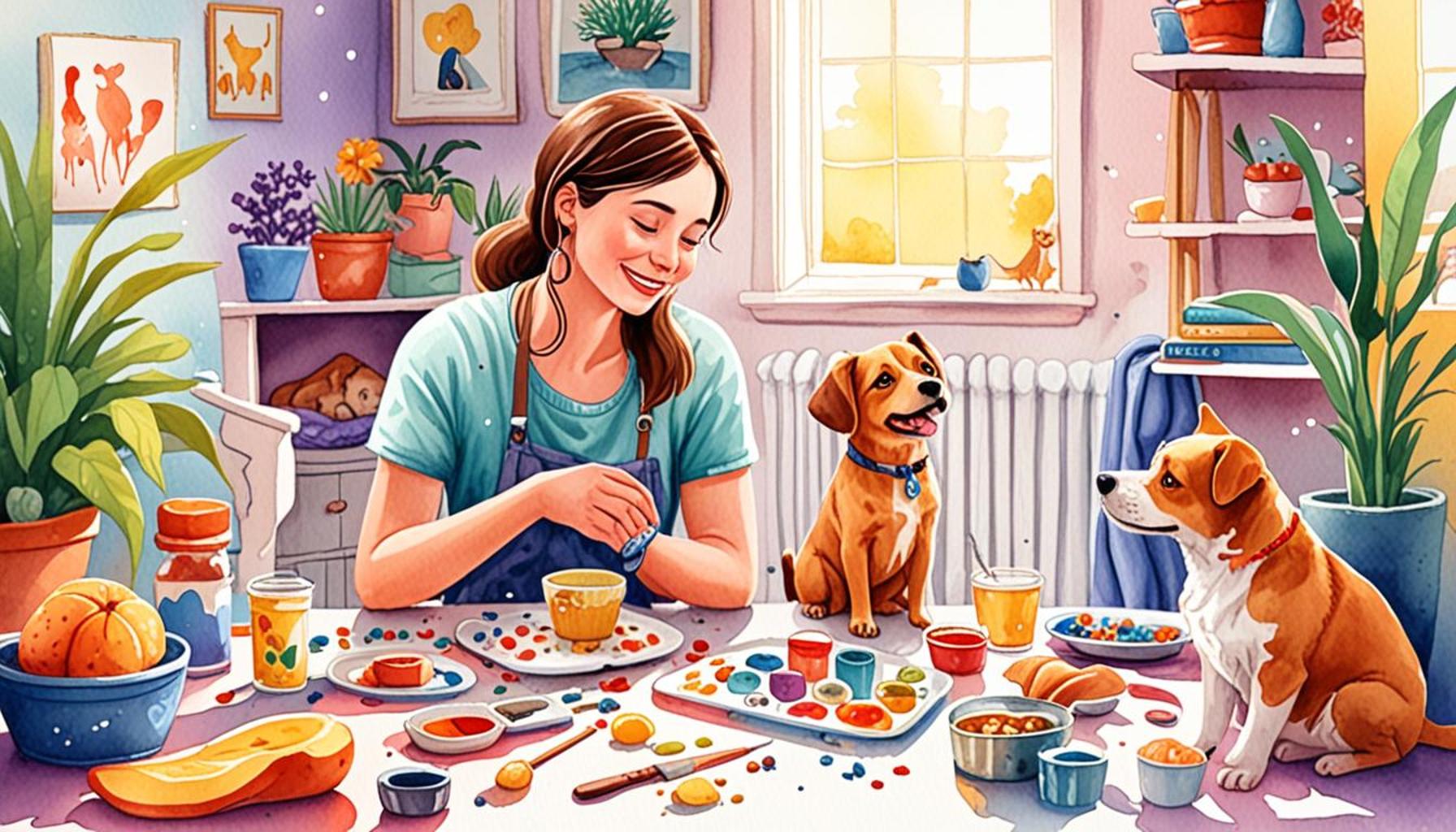
Understanding the Significance of Animal Interaction
In the realm of pet ownership, it’s common for caretakers to channel their energies into enhancing the lives of their animals through toys, proper nutrition, and healthcare. However, the significance of interaction with other animals is a crucial factor that often goes unnoticed. Providing pets with the opportunity to engage socially with their fellow creatures not only strengthens bonding but also contributes immensely to their emotional health, ultimately fostering a rich sense of joy and companionship.
Animals, like humans, are inherently social beings. Their wellbeing is tied tightly to their ability to interact with others, be it through playful antics or calming companionship. Delving into the various advantages of animal interaction reveals profound benefits that extend beyond mere companionship. Here are some compelling advantages:
- Reduced Anxiety: Studies indicate that animals who interact with others experience lower levels of stress and anxiety. For instance, dogs that regularly engage in playgroups often exhibit decreased signs of separation anxiety, allowing them to feel more secure and content when left alone.
- Improved Mood: Regular playtime with companions can result in visibly happier pets. Take, for example, the case of cats. When gathered in social settings, cats are known to engage in playful behaviors like chasing and grooming, which release endorphins—leading to a happier mood.
- Social Skills Development: Just as children learn essential social cues through interactions, pets too benefit from these experiences. Dogs engaging with other dogs learn how to communicate through body language, bark tones, and other signals, which can significantly reduce behavioral issues down the line.
In recent years, a burgeoning awareness of the therapeutic value of animal interactions has emerged across the United States. Many pet owners now understand that pets who engage socially with other animals tend to demonstrate fewer behavioral problems, such as aggression or fearfulness, and exhibit enhanced overall happiness. For instance, rehabilitation programs often pair therapy dogs with individuals in need, showcasing the profound emotional support that animal companionship can provide.
As we continue to explore the captivating dynamics of animal interactions, it’s essential to implement practices that nurture our pets’ emotional well-being. Opportunities for playdates, visits to parks, or participation in group training sessions can create an enriching environment that actively supports their mental health. By facilitating these interactions, we not only promote happiness among our pets but also cultivate a thriving community of understanding and connection.
DON’T MISS: Click here to learn how to keep your pets healthy
Encouraging Healthy Behaviors Through Play and Companionship
The benefits of animal interaction extend into nurturing healthy behaviors among pets, creating a holistic impact on their emotional wellness. Engaging with other animals often leads to positive behavioral changes that can prevent issues such as aggression, fearfulness, and excessive barking. These interactions serve as opportunities for pets to learn and practice vital skills in a safe environment, enabling them to navigate social scenarios more effectively. For instance, when dogs play together, they learn the art of negotiation through play, understanding boundaries, and the important cues that signify when to stop or continue engaging.
Moreover, socializing with other animals can also facilitate physical activity, which is integral to a pet’s emotional health. Regular playtime helps combat lethargy and obesity, both of which can lead to anxiety and depression in pets. For example, dogs that participate in group activities often showcase an increase in energy levels and playfulness, thereby reducing risk factors linked to obesity. Additionally, exercise releases endorphins, further contributing to an overall happier state.
- Enhanced Interaction Skills: Observing and participating in social engagements helps pets develop essential interaction skills. Cats that live alongside other cats often become adept at communication through body language, such as purring and tail positions, which can significantly enhance their emotional intelligence.
- Strengthened Bonds: Pets that engage in supervised play sessions with their owners or other animals form stronger emotional ties. This bonding effect results in reduced feelings of isolation, potentially decreasing the likelihood of behavioral problems associated with loneliness.
- Encouraging Positive Reinforcement: Social interactions provide a prime opportunity for positive reinforcement. When pets exhibit friendly behaviors during interactions, owners can reward them with treats or praise, solidifying those good behaviors and fostering a positive emotional state.
Additionally, the rise of dog parks and community pet events across the United States underscores the growing understanding of the importance of animal interaction in promoting emotional health. These establishments allow pets to socialize freely in an open environment, which can lead to lifelong friendships, both between pets and their human owners. Facilities often encourage structured playdates, where owners can monitor interactions and step in if games become too rough, further underscoring the value of guided social experiences.
As we delve deeper into the emotional landscapes of our pets, it becomes clear that facilitating interactions with other animals not only provides essential social experiences but also lays the groundwork for happier, more balanced pets. Understanding how these elements interplay reflects a commitment to nurturing our four-legged companions, ensuring they lead fulfilling lives rich in joy and emotional health.
How Interaction with Other Animals Can Improve Pets’ Emotional Health
Many pet owners are unaware of how crucial social interactions with other animals can be for their pets’ emotional well-being. As social creatures, both dogs and cats thrive on companionship. Interacting with other animals can lead to improved behavior, reduced anxiety, and increased happiness. Let’s explore the advantages in the table below.
| Category | Benefits |
|---|---|
| Enhanced Social Skills | Pets learn to communicate better, resulting in improved behavioral skills and reduced aggression. |
| Reduction in Stress and Anxiety | Routine interaction with other animals can alleviate feelings of loneliness and stress, leading to a calmer demeanor. |
Additionally, pets engaging with various animals adapt to different social situations, which is essential for their overall mental health. Regular exposure to other animals can promote a sense of security and happiness in your pet. It’s fascinating how simple interactions can yield significant benefits, improving their quality of life exponentially.
To further understand how different species can positively influence your pet’s emotional health, it may be beneficial to explore various settings where animals interact, such as pet parks, animal shelters, or community events. Encouraging these experiences can help foster a stronger bond between you and your pet while enhancing their emotional stability.
DISCOVER MORE: Click here to learn how pets can enhance your well-being
Variety in Companionship: Fostering Resilience and Adaptive Skills
The concept of animal interaction transcends mere companionship; it encompasses a rich tapestry of experiences that fosters resilience and enables pets to adapt to various situations. Different species can provide a unique blend of social enrichment that helps pets expand their horizons beyond their species-specific behaviors. For example, dogs that interact with other species, such as rabbits or cats, may develop a heightened sense of curiosity and adaptability that enriches their experiences and emotional landscape.
One notable aspect of interspecies interaction is the opportunity for pets to forge diverse social connections. When dogs engage with cats or even smaller animals, they learn to exhibit gentler behaviors, which can mitigate their predatory instincts. This exposure can lead to increased empathy in dogs, thereby decreasing aggression and promoting a calmer demeanor. Research indicates that animals who engage in diverse social settings tend to display lower stress levels and exhibit improved coping mechanisms in overwhelming situations, fostering emotional resilience that is reminiscent of their human counterparts.
- Exposure to Novel Experiences: Interacting with a variety of animal companions enables pets to encounter new situations that stimulate their senses. For instance, a dog meeting a friendly goat or a cat spending time with a bird can spark playful curiosity, enhancing their enthusiasm for life and lowering the risks of anxiety-related behaviors.
- Role of Structured Play: Organized playdates or pet therapy programs often feature pet-to-pet interactions that are closely monitored. Facilitators guide the process, allowing pets to learn valuable skills while staying safe. Such structured environments provide pets with consistent opportunities to practice socialization, ultimately reinforcing their emotional stability.
- Building Confidence: Animals that are unsure or shy can greatly benefit from interaction with assertive companions. For instance, a timid dog can improve in confidence when paired with a more sociable breed. This dynamic creates opportunities for more introspective pets to learn vital social skills while bolstering their self-esteem.
Moreover, the inclusion of therapy animals in emotional support roles has recognized the profound benefits of animal companionship on mental health. Therapy animals such as dogs and cats are frequently utilized in hospitals, schools, and nursing homes, where they facilitate interactions that uplift spirits and diminish feelings of loneliness. Their presence encourages socialization and invites both passive and active engagement that promotes connections—crucial components in nurturing emotional health, not just for humans but also for the therapy animals involved.
The innovation of new technologies has also expanded the avenues available for fostering inter-animal interactions. Virtual playdates via webcams and interactive toys designed for multiple pets encourage a new form of engagement for those animals unable to meet physically. Such innovation allows for ongoing connections in a diverse pet community, emphasizing the continually evolving understanding of how interactions enhance emotional health.
Through these multifaceted interactions, it becomes increasingly clear that fostering connections between pets and other animals represents a fundamental step in improving their emotional health. As we witness the enriching impact of such relationships in varied settings, the importance of facilitating animal interactions becomes even more pronounced, underscoring the inherent need for pets to socialize and grow amidst an ever-expanding circle of companionship.
DISCOVER MORE: Click here for essential tips on welcoming a new pet
Conclusion: Unleashing the Emotional Potential of Pets through Inter-Animal Interaction
In summary, interaction with other animals emerges as a pivotal factor in enhancing pets’ emotional health, enriching their lives through varied experiences and unique social connections. The benefits derived from these interactions are multifaceted, promoting resilience, confidence, and reduced anxiety while fostering a sense of community among pets. Whether it’s through structured playdates, casual meet-ups, or even innovative virtual interactions, the opportunity for pets to engage with diverse species cultivates emotional stability and well-being.
The evidence is compelling; pets that engage in vibrant social settings exhibit improved coping mechanisms and lower stress levels, paralleling the emotional gains seen in humans through social interactions. As health specialists and pet owners alike recognize the significance of animal companionship, the incorporation of therapy animals into various support roles stands to reinforce this understanding. Such relationships not only uplift spirits but also enhance emotional connectivity, benefiting both the pets involved and the humans they serve.
As we continue to embrace the evolution of pet care, fostering inter-animal interactions should be prioritized. With more pet owners acknowledging the profound impact of these relationships, the call to action becomes clear: ensure that pets are provided with ample opportunities for diverse socialization. This holistic approach will not only enhance their emotional health but may also lead pet owners to discover the joys and benefits of a more interconnected pet community.
Related posts:
Preventive Care: How to Keep Your Pet's Health Up to Date
How Sensory Enrichment Can Benefit Pets' Lives
The Importance of Socialization in the Lives of Pets
Effective Techniques for Preventing Pet Diseases A Comprehensive Guide
How Technology Is Transforming Pet Care
The Impact of Natural Feeding on the Longevity of Pets

Linda Carter is a writer and pet care expert specializing in pet health, grooming, and wellness. With extensive experience helping pet owners create safe, loving, and enriching environments for their animals, Linda shares her knowledge on our platform. Her goal is to empower readers with practical advice and strategies to ensure their pets thrive and lead joyful, healthy lives.