How a growth mindset can turn failures into learning opportunities

Understanding the Growth Mindset
Failures are often viewed as significant setbacks, but what if they could become crucial stepping stones toward success? Embracing a growth mindset can profoundly alter how we navigate our challenges and approach various aspects of our lives.
Individuals who embody a growth mindset perceive failures not as endpoints, but as rich opportunities for learning and development. They believe each setback offers valuable insights that pave the way for future improvement. Let’s explore some of the fundamental features that characterize a growth mindset:
- Embracing Challenges: Rather than avoiding difficulty, those with a growth mindset confront obstacles directly. They adopt the philosophy that their efforts are the pathway to mastery, fostering resilience and adaptability. For instance, a student who struggles with a complex math problem might view it as an opportunity to dive deeper into the subject rather than resigning themselves to a fixed capability.
- Persistence in the Face of Setbacks: Instead of capitulating under pressure, individuals with a growth mindset exhibit remarkable tenacity, seeing failures as learning experiences. For example, an entrepreneur who faces a significant product launch failure will analyze the missteps and continue refining their approach instead of abandoning their venture.
- Learning from Criticism: Constructive feedback is not merely tolerated; it is actively sought out and utilized. This openness to critique enables individuals to refine their strategies and hone their skills. A music student, for example, might take feedback from a mentor to correct their technique, ultimately leading to improved performances.
By developing a mindset that categorizes failures as learning opportunities, individuals can significantly enhance their potential for growth. This transformative approach invites us to continually ask, “What can I learn from this experience?” Practical applications of a growth mindset can be found in various contexts:
- Academic Settings: When students face disappointing results on a test, those with a growth mindset adjust their study techniques, adhere to feedback from teachers, and seek additional resources, enabling them to approach future assessments more effectively.
- Workplace Challenges: In a corporate environment, when a project doesn’t yield the anticipated results, employees can utilize the experience to formulate improved strategies, which could result in innovative practices that drive future success.
- Personal Relationships: Misunderstandings in relationships often create friction, but with a growth mindset, individuals can address these issues, fostering stronger communication skills that enhance emotional connections.
Ultimately, embracing failures as opportunities for growth not only enriches our personal and professional lives but also encourages innovation across various fields. In the sections that follow, we will explore how to cultivate this mindset and uncover its lasting benefits in everyday life, from enhanced resilience to greater creativity.
DISCOVER MORE: Click here for valuable insights
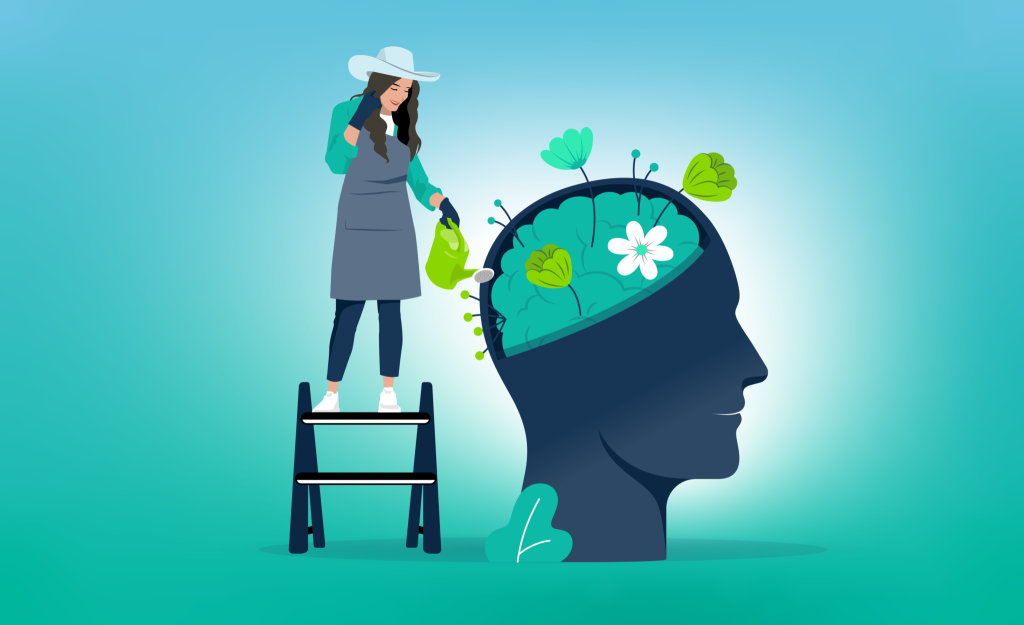
Transforming Failures into Learning Opportunities
Failure, often considered a negative outcome, is synonymous with frustrating experiences and unfulfilled expectations. Yet, within the framework of a growth mindset, these failures can be reframed as essential learning opportunities that stimulate personal and professional development. The power of a growth mindset lies in its ability to inspire individuals to assess, adapt, and advance in their pursuits. This section delves into the ways a growth mindset facilitates the transformation of failures into valuable lessons.
One of the primary ways individuals cultivate a growth mindset is by redefining their relationship with failure. By acknowledging that failure is a natural part of any learning journey, they begin to see challenges as opportunities to gain new insights. For instance, consider a young athlete who sustains an injury during an important competition. Instead of dwelling on the setback, a growth-minded individual might focus on recovery techniques, analyze past training practices, and work on areas that enhance both physical and mental skills. This proactive approach not only speeds up recovery but also leads to improved performance when they return to the sport.
Key Strategies for Embracing Failure
To fully harness the learning opportunities rooted in failure, individuals can employ several practical strategies:
- Reflect on Experiences: Regular self-reflection post-failure can illuminate the lessons learned. Journaling about setbacks and analyzing specific events allows individuals to pinpoint the factors contributing to failures and formulate actionable steps for improvement.
- Seek Support and Feedback: Engaging mentors, peers, or coaches to discuss failures can provide valuable perspectives. The insights from others can reveal blind spots and offer constructive feedback, empowering individuals to refine their approaches.
- Set Incremental Goals: When confronting challenges, breaking down larger tasks or goals into smaller, manageable steps makes it easier to gauge progress and adapt strategies accordingly. This incremental approach helps in maintaining motivation, even in the face of setbacks.
- Cultivate a Positive Inner Dialogue: The way individuals speak to themselves profoundly affects their resilience. Replacing negative self-talk with affirmations and encouraging language fosters a more optimistic outlook on failures and the opportunities they present.
Ultimately, the transformation of failures into learning opportunities thrives on the principle of continuous improvement. By adopting strategies that reinforce a growth mindset, individuals can unlock untapped potential, fostering not only personal growth but also innovation and creativity in their field. Whether in educational, professional, or personal domains, the mindset encourages an iterative process where each misstep becomes a vital part of the journey toward excellence.
Embracing Challenges Through a Growth Mindset
A growth mindset encourages individuals to view challenges as opportunities for development rather than insurmountable obstacles. This perspective is pivotal in a world where innovation and adaptability are critical for success. When faced with failure, those with a growth mindset understand that setbacks are a natural part of the learning process. They analyze their mistakes, extract valuable insights, and are less likely to give up in the face of adversity. This adaptability not only enhances problem-solving skills but also fosters resilience, allowing individuals to tackle new challenges with greater confidence.Furthermore, the implementation of a growth mindset opens the door to constructive feedback. Instead of recoiling from criticism, individuals learn to appreciate feedback as a tool for improvement. This approach not only enhances personal and professional relationships but also creates a more collaborative environment where learning is prioritized. For instance, a student who struggles with a subject might initially feel defeated; however, by applying a growth mindset, they are likely to seek help, ask questions, and persist until they understand the material. In essence, the cultivation of a growth mindset transforms failures into potent learning opportunities. Individuals learn to embrace their imperfections, recognize their potential for growth, and aspire to be lifelong learners. This powerful shift in perspective can ultimately lead to extraordinary personal and professional growth, illustrating that failure is not the end, but rather the beginning of a journey filled with endless possibilities.
| Advantages of Growth Mindset | Impact on Learning |
|---|---|
| Enhanced Resilience | Ability to bounce back from failures strengthens character. |
| Valuable Feedback | Openness to feedback fosters growth and continuous improvement. |
In conclusion, embracing a growth mindset can truly redefine how we perceive failures. It encourages a proactive response to challenges and enriches our learning experiences, ultimately leading to an empowered approach towards both personal and professional development.
DISCOVER MORE: Click here to learn about boosting resilience
Navigating Setbacks with Resilience
Alongside reflecting on experiences and seeking feedback, building resilience stands as a cornerstone of transforming failures into learning opportunities. Resilience is the remarkable ability to bounce back from setbacks, and it can be cultivated through a growth mindset. Individuals with a growth mindset view obstacles not as endpoints but as stepping stones. This perspective allows them to navigate challenges with a sense of curiosity and determination, essential traits when dealing with inevitable failures.
In the fast-paced world of business, for instance, the startup landscape is rife with stories of initial failures leading to later success. Take the example of Airbnb, which faced numerous rejections from investors in its early days. Rather than surrendering to discouragement, the founders sought feedback on their business model, modified their approach, and ultimately turned what many deemed a failure into a multi-billion-dollar enterprise. This story exemplifies how a growth mindset advocates for adaptation and innovation following failure.
The Role of Emotional Intelligence
Another key element of leveraging failures as learning opportunities is the development of emotional intelligence. Understanding and managing one’s emotions, as well as those of others, allows for better handling of setbacks. Individuals with high emotional intelligence often exhibit greater resilience, as they can navigate the emotional toll that failures may impose. By processing emotions constructively, they find clarity in challenging situations, enabling them to analyze failures effectively. This leads to informed decision-making and enhanced problem-solving skills.
The concept of mindfulness also plays a significant role in fostering emotional maturity. Practicing mindfulness techniques, such as meditation or breathing exercises, can help individuals center their thoughts and responses instead of reacting impulsively to failure. For example, a student who receives a poor grade on a crucial exam may initially feel overwhelmed with disappointment. However, through mindfulness, the student can pause, reflect, and analyze the reasons for the poor performance. This reflection may uncover gaps in study habits and time management strategies, promoting a proactive approach to improvement.
Learning from Successful Failures
Additionally, it is inspiring to examine how various renowned figures have explicitly harnessed failures as learning opportunities. Thomas Edison famously remarked, “I have not failed. I’ve just found 10,000 ways that won’t work,” highlighting his unwavering commitment to innovation despite countless setbacks. This mindset is not just for inventors; it applies across diverse fields, encouraging artists, athletes, and entrepreneurs to see failures as integral to their journeys. A notable example is J.K. Rowling, whose initial rejections from publishers for the Harry Potter series serve as a testament to resilience and growth. Rather than retreating after each rejection, she refined her narrative and ultimately revolutionized children’s literature.
Emphasizing growth involves creating an environment that not only tolerates failure but encourages it as a part of the learning process. Companies that adopt this philosophy—such as Google, which famously allows employees to experiment with new ideas without fear of penalty—often find themselves leading in innovation and creativity. By normalizing failure as a pathway to success, organizations can cultivate a culture that prioritizes growth and development, leading to a workforce that thrives on challenges.
DIVE DEEPER: Click here to discover more insights
Embracing Growth Through Failure
In summary, adopting a growth mindset empowers individuals to reframe failures as valuable learning experiences rather than insurmountable obstacles. This transformative approach encourages a resilient attitude, enabling one to bounce back from setbacks and navigate through challenges with adaptive strategies. By fostering emotional intelligence and practicing mindfulness, individuals can effectively manage their reactions to failure, leading to enhanced decision-making and problem-solving capabilities.
Furthermore, the inspiring stories of figures like Thomas Edison and J.K. Rowling highlight that persistence, innovation, and a commitment to growth are essential elements of success. Recognizing that failures are stepping stones rather than endpoints can cultivate a culture that embraces risk-taking and experimentation. Organizations that prioritize this mindset, such as Google, can drive creativity and innovation, ultimately achieving greater success.
As we navigate our personal and professional journeys, it is crucial to embrace failures with a balanced perspective—one that sees them as integral components of growth. By doing so, we can transform our setbacks into lessons, fueling our development and paving the way for future achievements. To explore more about how you can cultivate a growth mindset and harness the power of failure, consider reflecting on your experiences and seeking opportunities for continuous improvement.
Related posts:
Developing Resilience Through Empathy: Interpersonal Connections and Growth Mindset
Developing Resilience Through Challenges: Techniques for Cultivating a Sustainable Growth Mindset
The Importance of Vulnerability in Building Resilience: How a Growth Mindset Can Transform Challenge...
The Importance of Resilience in Building a Growth Mindset: Practical Strategies
Overcoming the Fear of Failure: The Relationship between Resilience and Growth Mindset in Work Envir...
The impact of a growth mindset on building resilient support networks

Linda Carter is a writer and growth mindset specialist with expertise in cognitive development and resilience training. With extensive experience helping individuals transform limiting beliefs and unlock their potential, she shares practical mindset strategies on our platform. Her goal is to empower readers with science-backed techniques to cultivate adaptability, embrace challenges, and achieve continuous personal and professional growth.