Homemade Food for Pets: Benefits and Risks Associated with Personalized Nutrition
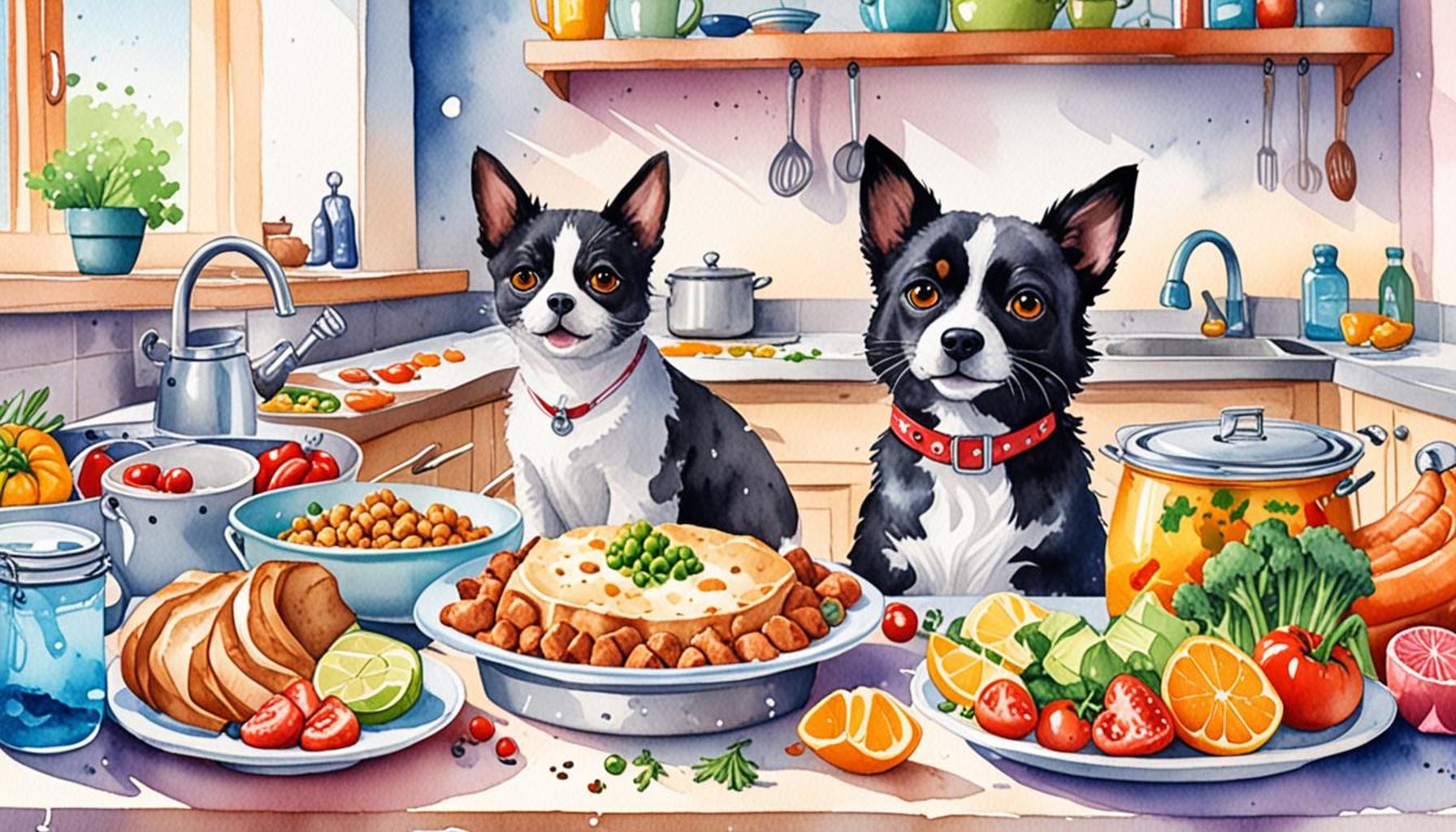
Exploring the World of Homemade Pet Nutrition
As pet ownership continues to rise in the United States, a significant number of pet owners are seeking more personalized nutrition options for their furry friends. The trend towards homemade food has gained traction as a viable alternative to commercial pet food brands, driven by a desire for greater control over diet and health. However, while the idea of preparing fresh meals may sound appealing, it’s essential to consider both the benefits and risks that accompany this growing trend.
Benefits of Homemade Pet Food
- Quality control: One of the primary advantages of homemade pet food is that it grants owners complete control over the ingredients that go into their pet’s meals. Many commercial pet foods contain fillers, artificial preservatives, and low-quality meat sources. By sourcing each component, owners can ensure that their pets are consuming wholesome foods, free from harmful additives.
- Tailored nutrition: Every pet is unique, with varying health needs based on breed, age, and activity level. Homemade diets can be customized to accommodate specific dietary requirements. For example, a senior dog may benefit from softer foods with joint supplements, while an active puppy might require higher protein content for energy. This level of customization can lead to improved overall health and well-being.
- Freshness: Preparing meals at home often means using fresher ingredients, which can significantly contribute to a healthier diet. Ingredients such as carrots, spinach, and chicken can be chosen based on seasonal availability, leading to a nutrient-rich diet. Plus, fresh food enhances the flavor, making mealtime more enjoyable for pets.
Risks to Consider
- Nutritional imbalances: While the homemade approach offers several benefits, it also poses risks, particularly when it comes to maintaining a balanced diet. Without proper knowledge of pet nutrition, it is easy to create meals that lack essential vitamins and minerals. Consultation with a veterinarian or a pet nutritionist can help craft meals that meet all nutritional guidelines.
- Food safety: Home preparation may unintentionally lead to foodborne illnesses if proper hygiene practices aren’t adhered to. It’s crucial to handle ingredients correctly, cook them thoroughly, and store them in sealed containers to prevent contamination.
- Allergies or intolerances: Some pets may react negatively to certain ingredients that are commonly used in homemade recipes. For example, while chicken is often viewed as a healthy protein source, some dogs may suffer from allergies. Identifying intolerances can require a bit of trial and error, which may complicate the feeding schedule and cause digestive issues.
Understanding these aspects is critical for any conscientious pet owner considering homemade food options. By recognizing both the benefits and risks, you can make informed dietary choices for your beloved companions. Whether you are thinking about venturing into homemade pet nutrition or want to supplement your pet’s diet, researching safe recipes and consulting with professionals can help you navigate this rewarding yet complex journey.
DISCOVER MORE: Click here to learn about pet nutrition
Understanding the Appeal of Homemade Pet Food
As pet owners increasingly prioritize their companions’ health, the move toward homemade pet food has captured attention, providing an alternative that focuses on quality ingredients and personalized diets. With over 70% of U.S. households owning a pet, the demand for optimal nutrition extends beyond trendy commercial brands. In exploring this culinary shift, it’s essential to delve deeper into the compelling benefits that homemade meals can offer, as well as the potential risks that should not be overlooked.
The Allure of Tailored Meals
The concept of homemade pet food revolves around the idea of personalized nutrition. This customization offers several advantages that cater specifically to individual health needs. For pet owners, the ability to select each ingredient means more than just choosing fresh produce; it encompasses:

- Enhanced trust and transparency: Homemade meals allow owners to know precisely what their pets are consuming. As concerns about harmful additives in commercial food grow, many owners feel reassured by preparing meals with recognized, wholesome ingredients.
- Special dietary accommodations: Pets with specific health conditions, such as allergies or diabetes, may require customized diets. Homemade meals enable pet owners to exclude allergens and adjust macronutrient ratios, contributing to better management of their pets’ health.
- Greater engagement: Cooking for pets can foster a stronger bond between pets and their owners. It transforms feeding time into an interactive activity, allowing owners to invest time and effort into their pet’s diet.
Common Components of a Balanced Homemade Diet
A well-rounded homemade diet typically includes a mix of protein, carbohydrates, fats, and, of course, essential vitamins and minerals. Common ingredients that pet owners might consider include:
- Proteins: Chicken, turkey, beef, and fish are excellent sources of protein that can support muscle development and overall health.
- Carbohydrates: Brown rice, quinoa, and sweet potatoes serve as energy sources, providing necessary fuel for active pets.
- Fruits and vegetables: Pumpkin, carrots, and green beans are not only nutritious but also contribute fiber, which aids digestion and promotes regular bowel movements.
However, crafting a balanced homemade meal is not as straightforward as it may seem. Understanding the specific dietary requirements of different breeds and health stages requires diligent research. Owners must educate themselves on proper ratios and nutritional needs, ensuring that their pets receive the full spectrum of nourishment necessary for vitality.
While the appeal of homemade pet nutrition is undeniable, it is crucial to approach this practice with caution. Engaging with professionals, such as veterinarians or pet nutritionists, can provide valuable guidance and ensure that meals are safe and healthy. By striking the right balance, pet owners can fully leverage the potential benefits of homemade diets while minimizing risks, ultimately leading to happier, healthier pets.
| Category | Description |
|---|---|
| Nutritional Control | Homemade pet food allows pet owners to customize the nutritional profiles of their pets’ meals, ensuring specific dietary needs are met. |
| Ingredient Transparency | When preparing homemade meals, owners can choose high-quality ingredients, avoiding harmful additives and preservatives often found in commercial pet foods. |
| Customization | Homemade feeding allows for tailored recipes that cater to pets’ unique needs, including allergies, age, and activity level. |
| Health Monitoring | Owners can observe their pets’ reactions to new food, facilitating better health monitoring and timely adjustments to their diet. |
| Bonding Experience | Cooking for pets can create a stronger bond between owners and their pets, as it involves care and thoughtfulness regarding their well-being. |
Exploring homemade food for pets prompts numerous discussions on nutrition, well-being, and the risks involved. While the flexibility of creating personalized nutrition plans presents exceptional benefits, it’s crucial to approach this journey with informed decision-making. Understanding both the advantages and the potential pitfalls can guide pet owners in making responsible choices for their furry friends.
DIVE DEEPER: Click here to enhance your cat’s bond
Assessing the Risks of Homemade Pet Food
While the advantages of homemade pet food are compelling, it is equally important to consider the associated risks that come with this newfound culinary approach to pet nutrition. Understanding these potential hazards can help pet owners navigate the complexities of creating a homemade diet, ensuring their furry friends thrive rather than suffer from nutritional deficiencies.
Nutritional Imbalance: A Common Pitfall
One of the significant challenges pet owners face when preparing homemade meals is achieving the proper balance of nutrients. Many pet owners may be unaware that certain ingredients can constitute an incomplete diet. For instance, while meats provide protein, they often lack essential vitamins and minerals that are vital for a pet’s overall health. This can lead to serious health concerns over time, including:
- Deficiencies: A diet that is low in certain nutrients can lead to deficiencies that may manifest in various ways, such as poor coat quality, decreased energy levels, or more severe conditions like bone malformations.
- Toxic Ingredients: Some common foods that are perfectly safe for humans can be toxic to pets. For example, foods like chocolate, onions, and garlic can be harmful, leading to serious health consequences.
To combat these risks, pet owners should work closely with veterinarians or veterinary nutritionists, who can provide tailored meal plans designed to meet their pet’s specific needs.
Time and Effort: The Commitment Required
Another aspect to consider when creating homemade pet food is the time commitment involved. Unlike commercial pet food, which is ready to serve, homemade meals require research, preparation, cooking, and serving. This involved process can be daunting for busy pet owners. As a point of reference, a survey conducted by the American Pet Products Association revealed that pet owners who feed their pets a homemade diet might spend on average 15 hours a week on meal preparation and planning. This can become unsustainable for those juggling work or family responsibilities.
Regulatory Challenges
In addition to the time investment, the lack of standardized regulations for homemade pet food adds another layer of complexity. Commercial pet foods in the United States must adhere to specific guidelines set forth by the Association of American Feed Control Officials (AAFCO). These standards ensure that the product is nutritionally adequate and safe for animal consumption. Homemade pet food, on the other hand, is not subject to such regulatory measures, making it challenging to guarantee its quality and safety.
Furthermore, with the rise of online recipes and forums, pet owners may come across anecdotal advice lacking scientific backing. It is essential to distinguish between reliable sources and information that may not hold up to scrutiny. Thus, learning to navigate credible sources for recipes and advice about homemade pet food becomes a vital skill for pet owners.
Monitoring Health and Well-being
Finally, switching to a homemade diet demands careful monitoring of a pet’s health and well-being. Pet owners should keep a close eye on their pets for any signs indicating possible nutritional issues, such as weight fluctuations or gastrointestinal distress. Regular vet check-ups can prove invaluable in assessing whether the homemade diet is yielding the intended health benefits.
In summary, while the benefits of homemade pet food are numerous, understanding and addressing the risks is crucial for pet owners aiming to provide a safe, healthy, and nourishing diet. By taking a balanced approach and seeking professional advice, pet owners can cultivate a dining experience that enriches their pets’ lives without compromising their health.
LEARN MORE: Click here for essential insights
Conclusion: Navigating the Homemade Pet Food Terrain
In conclusion, the decision to adopt homemade food for pets offers a world of possibilities for pet owners seeking to tailor their companions’ diets. The benefits of personalized nutrition, such as enhanced ingredient quality and the capacity to cater to specific health needs, are enticing. However, it is essential to recognize the potential risks involved in this approach, including nutritional imbalances, toxic ingredients, and the significant time commitment required for meal preparation.
To ensure that a homemade diet supports a pet’s overall health, owners must invest their time in research and adhere to professionally developed meal plans. Collaboration with veterinarians or certified veterinary nutritionists can mitigate risks and provide valuable guidance on formulating complete and balanced diets tailored to a pet’s unique requirements.
Moreover, understanding how to discern credible resources and guidelines stands out as a critical skill for pet owners diving into the homemade food realm. As the DIY pet food trend continues to gain traction, it is crucial for pet owners to remain vigilant and informed, ensuring their love for their pets translates into practices that promote well-being.
Ultimately, the journey of preparing homemade pet food can be rewarding when approached with careful planning and a commitment to health. By weighing the potential benefits against the associated risks, pet owners can create a nourishing environment that enriches their pets’ lives while safeguarding their health. Whether you are an experienced home cook or new to the concept, a thoughtful approach to homemade nutrition could lead to happier, healthier pets.
Related posts:
Nutritional Supplements for Pets: When and How to Use Them Safely
The effects of nutrition on the coat and skin of pets
Superfoods for Pets: What They Are and How to Incorporate Them into Animals' Diets
Vegetarian Diet for Dogs and Cats: Benefits, Challenges, and Guidelines
The relationship between diet and behavior in pets
How to Read Pet Food Labels: Deciphering Ingredients and Essential Nutrients

Linda Carter is a writer and pet care expert specializing in pet health, grooming, and wellness. With extensive experience helping pet owners create safe, loving, and enriching environments for their animals, Linda shares her knowledge on our platform. Her goal is to empower readers with practical advice and strategies to ensure their pets thrive and lead joyful, healthy lives.