Developing Resilience Through Challenges: Techniques for Cultivating a Sustainable Growth Mindset
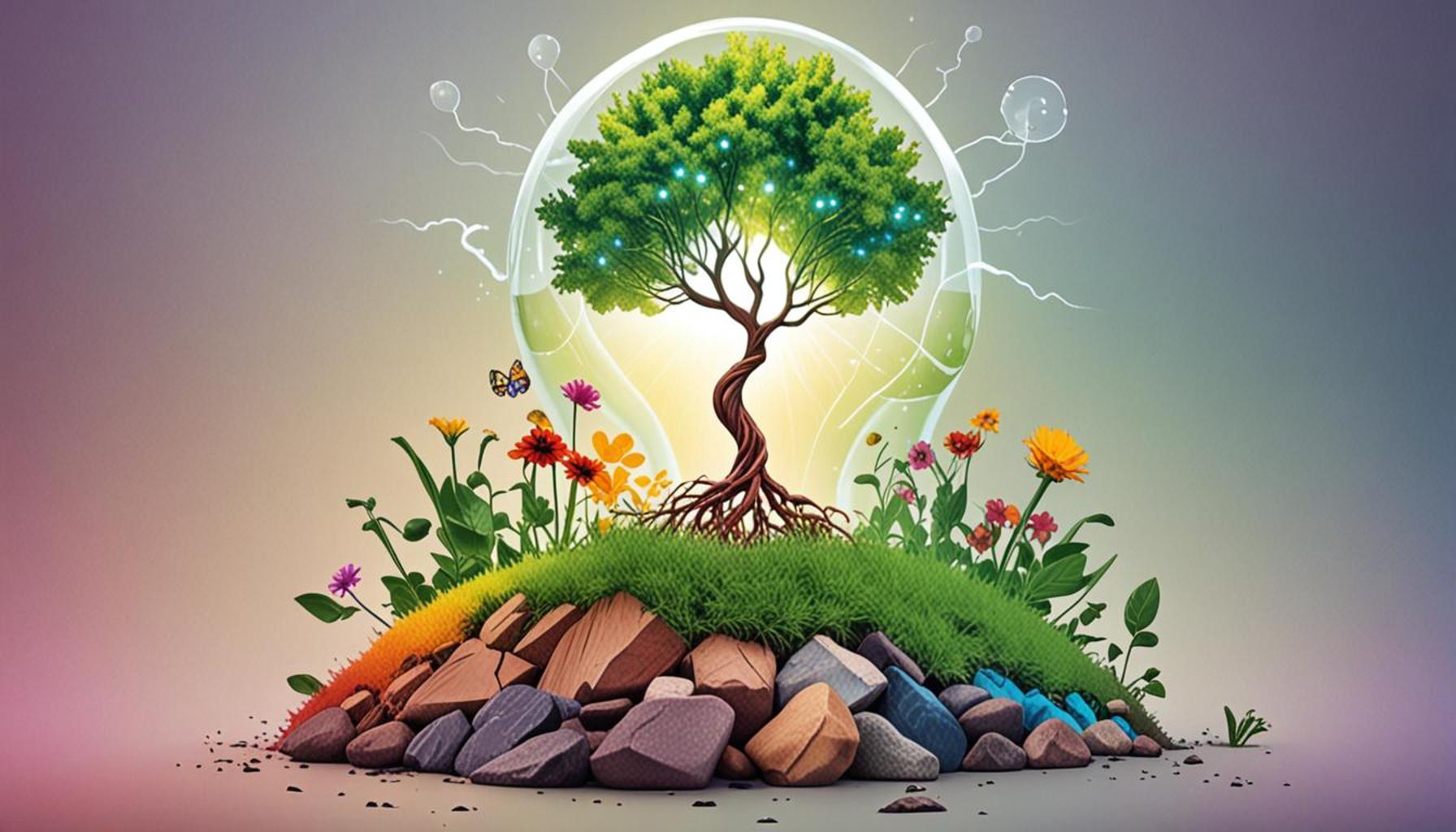
Understanding Resilience
Life is often perceived as a series of peaks and valleys. The peaks, filled with joy and success, are buoyed by the valleys that present us with adversity and obstacles. It is during these challenges that the quality of resilience becomes critical. By learning to navigate through adversity, we not only recover from setbacks but also emerge stronger and more capable. This resilience forms the cornerstone of what is often referred to as a growth mindset, allowing individuals to view challenges as opportunities for personal improvement and learning.
Examples of Common Challenges
Consider the multifaceted nature of common life challenges that can significantly bolster our resilience:
- Loss of a job: Unemployment can shatter an individual’s sense of security and self-worth. However, this turmoil can push one to reassess career goals, learn new skills, and even discover new pathways that lead to more fulfilling opportunities.
- Health-related issues: A serious diagnosis can be debilitating both physically and mentally. Yet, such situations often prompt individuals to adopt healthier lifestyles, prioritize mental wellness, and cultivate a community that supports their journey toward recovery.
- Relationship challenges: Navigating the intricacies of personal relationships often entails conflict, heartbreak, and loss. Successfully overcoming these hurdles can enhance emotional intelligence, deepen empathy, and improve communication skills.
- Academic setbacks: Whether it’s failing a course or not getting accepted into a desired college, academic disappointments can feel devastating. These experiences often instill resilience by teaching the importance of perseverance, time management, and self-reflection.
Techniques to Enhance Resilience
Fortunately, resilience is not an innate quality but rather a skill that can be cultivated. Implementing effective techniques is key:
- Practicing mindfulness and self-awareness: Mindfulness practices, such as meditation or journaling, promote self-reflection and help individuals become aware of their emotions and reactions. This awareness forms the basis of making more thoughtful responses to adversity.
- Setting realistic goals: Establishing achievable goals allows individuals to experience small wins that inspire motivation and confidence during tough times. The process of accomplishing small tasks can build momentum toward larger objectives.
- Seeking social support: Leaning on friends, family, or support groups during difficult times is crucial. Sharing experiences helps alleviate feelings of isolation and fosters a sense of belonging and understanding.
- Cultivating a positive outlook: Maintaining an optimistic perspective can reshape how challenges are perceived. Emphasizing gratitude and focusing on solutions rather than problems can significantly impact an individual’s mental resilience.
The Rise of Resilience Training
In recent years, particularly across the United States, resilience training has gained traction in both educational institutions and workplaces. Schools are integrating social-emotional learning programs that focus on teaching students how to manage stress and bounce back from setbacks. In the corporate world, organizations are recognizing that resilient employees are often more engaged and productive. Workshops and training sessions dedicated to building resilience skills are becoming commonplace, focusing on instilling a growth mindset that prepares employees to tackle the inevitabilities of change and adversity.
Ultimately, by embracing resilience, individuals empower themselves to face life’s uncertainties with confidence and adaptability. The challenges we encounter, rather than being mere obstacles, transform into stepping stones for greater personal development and fulfillment. As we delve deeper into the subject, we uncover a wealth of strategies that equip us for the unpredictable journey ahead.
DIVE DEEPER: Click here to discover more
Techniques to Enhance Resilience
Resilience, while it may seem like an innate quality, is in fact a skill that can be cultivated. As we face various challenges, it is imperative to adopt effective techniques that foster a sustainable growth mindset. Here are some key strategies that can help individuals enhance their resilience.
- Practicing mindfulness and self-awareness: Mindfulness techniques, such as meditation and journaling, enable individuals to gain deeper insights into their emotions. By practicing mindfulness, one can develop a greater sense of self-awareness, which is vital for managing responses to stress and adversity. Studies show that regular mindfulness practice can reduce anxiety and enhance emotional well-being, helping individuals to remain present during tumultuous times.
- Setting realistic goals: The process of establishing achievable goals can serve as a powerful motivator during trying times. By breaking larger objectives into smaller, manageable tasks, individuals can experience a series of small wins that bolster confidence. Research has shown that goal-setting is linked to increased performance and personal satisfaction, offering a roadmap during periods of uncertainty.
- Seeking social support: Cultivating strong relationships with friends, family, or community members is crucial in enhancing resilience. Social support networks provide emotional comfort and practical assistance during difficult situations. In fact, studies indicate that individuals with robust social networks are more likely to exhibit resilience compared to those who face challenges in isolation. Engaging with support groups or seeking professional counseling can be particularly beneficial.
- Cultivating a positive outlook: Embracing optimism is a fundamental element of resilience. A positive outlook allows individuals to reframe challenges as opportunities for growth instead of insurmountable barriers. Practices such as gratitude journaling, where one notes things they are thankful for, can significantly shift perspectives. Additionally, focusing on solutions rather than dwelling on problems can encourage a proactive approach, which is essential for developing resilience.
By incorporating these techniques into daily life, individuals can build a more resilient mindset that enables them to handle life’s inevitable challenges more effectively. The ability to adapt and grow from adversity is not just an asset but a skill that can be honed over time.
The Rise of Resilience Training
As society continues to recognize the importance of resilience, resilience training has gained considerable traction across the United States. Educational institutions and workplaces are now prioritizing programs aimed at developing resilience skills. Schools have begun integrating social-emotional learning curricula that focus on equipping students with the tools to manage stress and recover from setbacks.
In the corporate setting, organizations are increasingly aware that resilient employees tend to be more engaged, productive, and adaptable in times of change. Consequently, workshops centered around resilience skills, including cultivating a growth mindset, are becoming an integral part of professional development programs. These initiatives highlight the necessity for employees to navigate adversity with confidence and creativity.
Ultimately, embracing and developing resilience prepares individuals to face life’s uncertainties with a sense of empowerment and adaptability. Challenges, rather than mere obstacles, can transform into opportunities for significant personal growth and fulfillment.
Building Resilience Through Self-Reflection
Self-reflection is a powerful tool in the journey of developing resilience. By taking the time to evaluate past challenges and our responses to them, we can glean valuable insights that shape our future approaches. This practice fosters a strong growth mindset by enabling individuals to recognize patterns in behavior and thought processes that either contribute to or hinder their resilience.
The Importance of Setting Realistic Goals
Setting realistic, achievable goals is critical for nurturing a sustainable growth mindset. When individuals create incremental milestones, they can experience a roadmap that leads them through obstacles rather than feeling overwhelmed. These goals should be framed positively so that each achievement motivates further effort, reinforcing the belief that persistence can yield positive outcomes.
Cultivating a Supportive Environment
Surrounding oneself with supportive individuals is essential in developing resilience. This support system can include mentors, friends, or family members who encourage and challenge us to push beyond our limits. Engaging with people who share similar values fosters a sense of belonging, which is vital for maintaining motivation. A supportive environment inspires individuals to embrace challenges rather than shy away from them, ultimately enriching their journey toward personal growth.
Practice Gratitude
Incorporating gratitude into daily life serves as a formidable practice in cultivating a resilient mindset. By focusing on the positive aspects of our lives, we can shift our perspective away from stressors or setbacks. Regularly acknowledging what one is thankful for can provide grounding and balance, allowing individuals to navigate challenges with a clearer, more optimistic outlook.
| Category | Explanation |
|---|---|
| Self-Reflection | Gaining insights from past challenges enhances self-awareness. |
| Goal Setting | Achievable goals empower individuals to overcome obstacles successfully. |
| Support System | A strong network promotes resilience and motivates personal growth. |
| Gratitude | Recognizing positive aspects leads to an optimistic perspective. |
These techniques can be seamlessly integrated into everyday life, providing individuals with the tools they need to manage life’s unpredictabilities more effectively. By implementing these strategies, anyone can cultivate a more resilient and growth-driven mindset, paving the way for continuous personal development.
DIVE DEEPER: Click here to discover how to set impactful goals
Embracing the Challenge: The Role of Personal Narrative
One profound avenue for building resilience lies in the narrative we create around our challenges. Personal storytelling is a potent tool that can reshape how we perceive adversity. By articulating experiences—whether through writing, art, or conversation—individuals have the power to reinterpret events in a way that emphasizes strength and growth rather than defeat. Research indicates that individuals who write about their challenges often experience lower levels of stress and improved mental health. This technique not only facilitates emotional processing but also empowers others facing similar situations.
Resilience in the Face of Change
In a rapidly evolving world, adaptability is paramount. Individuals are frequently confronted with unpredictable circumstances, particularly in the workforce. This is where adaptive resilience emerges as a vital skill. Embracing change and being open to new methodologies encourages a mindset where obstacles become stepping stones for innovation. Companies that foster environments encouraging risk-taking and experimentation often find their employees more resilient, especially during crises. For instance, during the COVID-19 pandemic, businesses that adapted to remote work not only survived but often thrived, demonstrating how resilience fosters creativity and resourcefulness.
Developing Coping Strategies
Another essential aspect of cultivating a resilient mindset is the implementation of effective coping strategies. These techniques can be planned in advance, equipping individuals to deal with stress when it arises. Some methods include:
- Problem-solving skills: Identifying issues as they emerge and developing concrete plans to address them can significantly lessen feelings of helplessness.
- Physical activity: Regular exercise has been shown to reduce stress and anxiety levels. Engaging in physical activity can serve as both a distraction and a set of coping mechanisms during difficult times.
- Healthy routines: Establishing daily routines can instill a sense of normalcy, even in chaotic environments. Regular sleep and a balanced diet are fundamental to maintaining mental and emotional resilience.
Integrating these coping strategies can foster a sense of control, further enhancing the ability to weather life’s storms.
Emphasizing Lifelong Learning
The journey of resilience demands a commitment to lifelong learning. Individuals who embrace continuous education—the acquisition of skills, knowledge, and experience—tend to view challenges as opportunities for growth rather than intimidating obstacles. Engaging in professional development, pursuing new hobbies, or even participating in community programs can expand one’s horizons and create networks of support. For example, in many areas across the United States, local libraries and community colleges offer free or low-cost courses that empower individuals and enhance their capabilities.
Recognition of one’s ability to learn and evolve strengthens self-efficacy and fosters a resilient mindset. With each new accomplishment, individuals reinforce their belief in their capacity to persist through challenges.
In harnessing these various techniques—ranging from personal narratives and coping strategies to an emphasis on lifelong learning—individuals can better position themselves to develop sustainable resilience. As the challenges of life continue to evolve, so too can our approach towards them, leading to rich opportunities for both personal and communal growth.
DIVE DEEPER: Click here to enhance your understanding
Conclusion: Building a Foundation for Resilience
In summary, developing resilience through challenges is not simply about enduring hardships; it involves actively cultivating a sustainable growth mindset that enables individuals to thrive amid adversity. The techniques discussed—from the power of personal narrative that reshapes our understanding of struggles, to adaptable resilience that embraces change—are essential components in this ongoing journey. Coping strategies and lifelong learning serve as vital tools that not only bolster mental health but also enhance one’s ability to bounce back from setbacks.
As we navigate the complexities of modern life, it is crucial to recognize that each challenge presents an opportunity for personal growth. Adopting this perspective fosters a sense of agency and control, turning potential obstacles into avenues for creative solutions. Additionally, the importance of building supportive networks cannot be overstated; engaging with community resources and connecting with others can amplify our ability to withstand pressures.
Ultimately, by embracing these transformative approaches, individuals can chart a path not just to survive but to emerge stronger and more resilient. In a world where change is the only constant, developing a resilient mindset is more than a personal journey—it is a societal necessity. As we seek to implement these strategies in our own lives and the lives of those around us, we lay the groundwork for a future where resilience is not just an individual attribute but a collective strength.
Related posts:
The Role of Self-Efficacy in Building Resilience: Applying Growth Mindset Techniques
Developing Resilience Through Empathy: Interpersonal Connections and Growth Mindset
How constructive feedback can strengthen resilience through a growth mindset
The Importance of Resilience in Building a Growth Mindset: Practical Strategies
Overcoming the Fear of Failure: The Relationship between Resilience and Growth Mindset in Work Envir...
How the practice of gratitude can strengthen resilience in individuals with a growth mindset

Linda Carter is a writer and growth mindset specialist with expertise in cognitive development and resilience training. With extensive experience helping individuals transform limiting beliefs and unlock their potential, she shares practical mindset strategies on our platform. Her goal is to empower readers with science-backed techniques to cultivate adaptability, embrace challenges, and achieve continuous personal and professional growth.