Cultivating a Culture of Continuous Learning in Teams for Enhanced Collaboration
Understanding the Importance of Continuous Learning
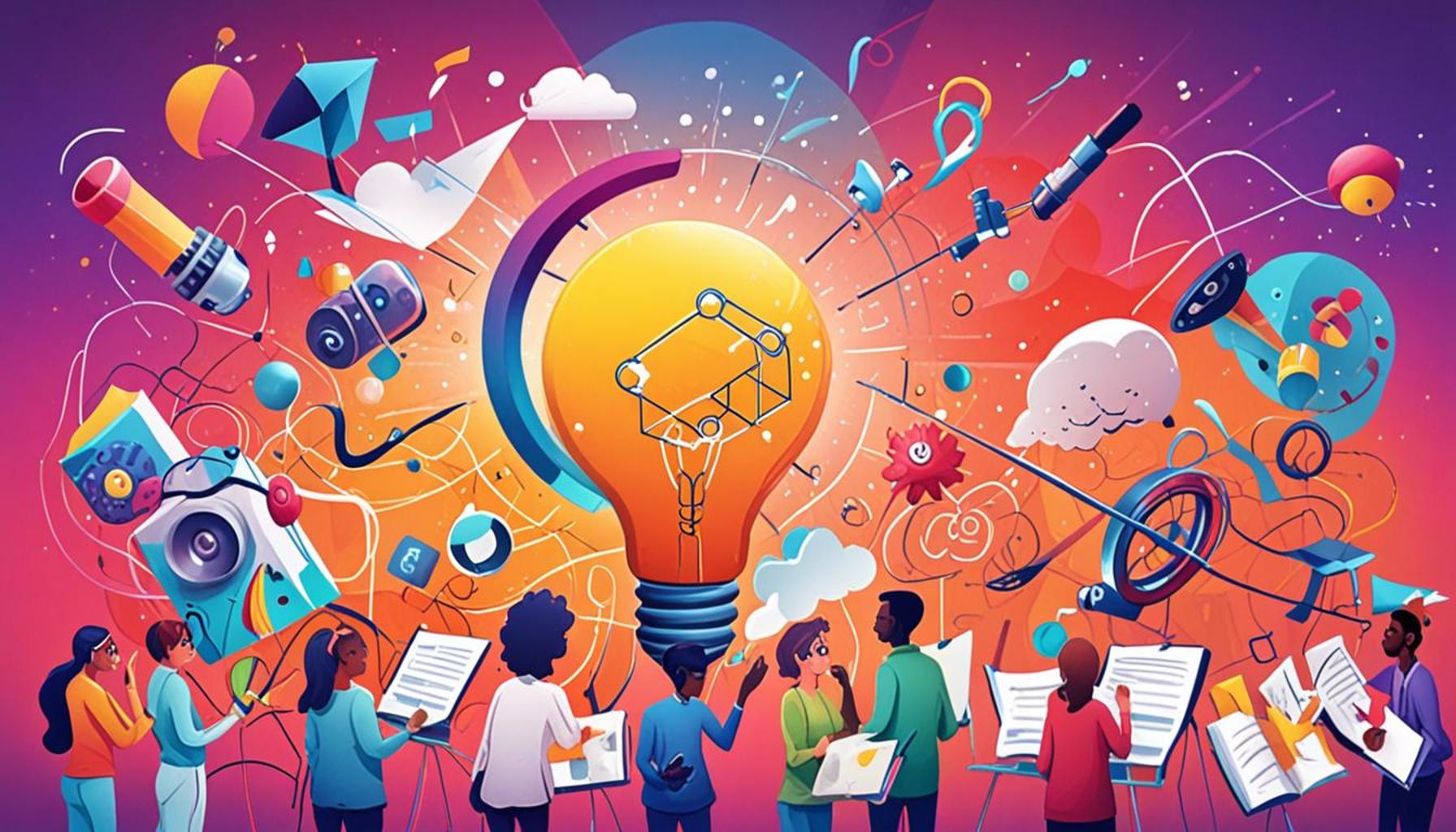
In the contemporary work landscape, where change is the only constant, organizations must evolve to stay relevant. The framework of fostering a culture of continuous learning is paramount for teams striving to enhance their performance and adaptability. It reshapes the work environment into one that promotes collaboration, creativity, and efficiency—elements that are crucial for staying competitive in any industry.
Organizations that embrace this learning culture find themselves reaping numerous benefits. One significant outcome is the improvement in problem-solving skills among team members. When individuals engage in ongoing training and knowledge sharing, they develop diverse perspectives. For instance, tech companies like Google regularly host innovation workshops to solve real-world problems, empowering employees to think outside the box. This not only leads to effective solutions but also instills a sense of ownership and value in their contributions.
Alongside problem-solving skills, heightened creativity and innovation emerge as a natural byproduct of a learning-oriented environment. Adobe’s “Kickbox” initiative exemplifies this approach, where employees are given toolkits and resources to explore their ideas. This initiative encourages a culture where experimentation is celebrated, resulting in groundbreaking projects across the company. Furthermore, such creativity can be a key differentiator in product development, leading to robust market growth and customer satisfaction.
Moreover, fostering a culture of learning enhances stronger interpersonal connections among team members. Regular interactions in informal learning sessions help bridge gaps between different departments. Cross-functional teams become more integrated, improving collaboration. When employees share knowledge and insights, they cultivate mutual respect and camaraderie, which accelerates team cohesion.
It’s clear that when teams prioritize learning, they effectively cultivate an atmosphere of empowerment. A report indicates that organizations dedicated to continuous learning are 92% more likely to innovate successfully. With this in mind, managers play a vital role in promoting this culture through various strategies.
Strategies to Enhance a Culture of Continuous Learning
To inspire and maintain a culture of continuous learning, regular training sessions serve as a foundational strategy. These sessions can take many forms: from formal workshops facilitated by experts to informal lunch-and-learn gatherings where employees can share their knowledge on specific topics.
Another effective method is implementing mentorship programs. By pairing less experienced employees with seasoned professionals, organizations can facilitate knowledge transfer while also nurturing relationships and fostering growth. These mentorship bonds often extend beyond the workplace, creating a network of support that enhances personal and professional development.
Lastly, establishing feedback mechanisms creates an open dialogue about learning needs and outcomes. Regular surveys or suggestion boxes can help organizations identify gaps in knowledge and areas for improvement, allowing them to tailor their learning initiatives effectively.
In summary, investing in a culture of continuous learning is an investment in the organization’s future. By prioritizing such an environment, teams not only enhance morale but also pave the way for collective success. The journey of growth and learning is a shared experience, where every individual’s input is valuable, ultimately leading to the achievement of organizational goals.
DIVE DEEPER: Click here to uncover the power of goal setting
Implementing Effective Learning Initiatives
To cultivate a culture of continuous learning within teams, organizations must implement tailored learning initiatives that resonate with their workforce. These initiatives should not only focus on skill enhancement but also prioritize the overarching goal of fostering collaboration. Here are several approaches that can prove beneficial in this regard:
- Onboarding and Ongoing Training: A robust onboarding process is crucial in setting the stage for continuous learning. Organizations should integrate ongoing training into the onboarding experience to ensure new hires understand the importance of learning from day one. This can be complemented by ongoing training sessions every quarter. For instance, tech firms like Microsoft often use these methods to align employees’ skills with advancements in technology, thereby enhancing overall team productivity.
- Collaborative Learning Platforms: Investing in digital platforms that encourage shared learning can significantly enhance team collaboration. Tools like Slack or Microsoft Teams provide channels for discussions, allowing employees to share resources, ask questions, and engage in real-time problem-solving. Organizations can further leverage platforms like Coursera or Udemy for Business, where employees can access various courses to enhance their expertise collectively.
- Knowledge-Sharing Events: Regular knowledge-sharing sessions create an environment where employees can showcase their learnings from conferences, courses, or projects. This could take the form of ‘show and tell’ presentations or interactive workshops. Taking cues from companies like HubSpot, which frequently holds hackathons to share best practices, teams can encourage creativity while fostering a spirit of collaboration.
Moreover, by embracing technology, organizations can seamlessly integrate learning into their routine operations. Implementing AI-driven tools can personalize the learning experience based on employee performance and development needs. This means that rather than a one-size-fits-all training approach, each employee receives tailored recommendations that resonate with their skills and career paths, enhancing both engagement and effectiveness.
Another essential factor in promoting a culture of continuous learning is encouraging a learning mindset. This involves fostering an environment where mistakes are viewed as opportunities for growth rather than setbacks. According to a study published in the Harvard Business Review, teams that embrace a growth mindset are 40% more likely to collaborate effectively. To instigate this cultural shift, organizations can run workshops that focus on cultivating resilience, creativity, and adaptability, allowing employees to become comfortable with uncertainty.
Additionally, providing recognition for individuals and teams who actively participate in learning initiatives can motivate others to join the effort. Whether it’s incentivizing employees with awards or simply acknowledging their contributions during team meetings, recognition serves as a powerful driver for engagement. According to research by Gallup, organizations with a strong recognition culture are 28% more likely to see employee performance increase, further boosting team collaboration and effectiveness.
By implementing these strategies, organizations can successfully cultivate a culture of continuous learning that empowers teams to collaborate more effectively, innovate boldly, and thrive in an ever-evolving work environment.
In today’s fast-paced work environment, fostering a culture of continuous learning within teams is essential for enhancing collaboration. When team members engage in ongoing education and skill development, they are more equipped to tackle complex challenges and innovate effectively. This commitment to learning creates a dynamic atmosphere where knowledge is shared freely, resulting in heightened team synergy.
Furthermore, organizations that prioritize continuous learning often see improved employee engagement and retention. Teams that are encouraged to learn are more likely to stay motivated and committed to their roles, as they feel invested in their personal and professional growth. This can lead to increased productivity and a stronger alignment with organizational goals.
Moreover, promoting a learning culture can enhance problem-solving capabilities. When diverse perspectives come together, fueled by their newly acquired knowledge, teams are better positioned to brainstorm and devise creative solutions. This collaboration often leads to innovative ideas that can drive the organization forward.
To delve deeper into this concept, consider the structured table below that illustrates the key advantages of cultivating a culture of continuous learning:
| Category | Benefits |
|---|---|
| Employee Engagement | Encourages a sense of ownership and commitment, enhancing job satisfaction. |
| Innovation | Promotes diverse thinking and creative problem-solving, leading to breakthrough ideas. |
Emphasizing continuous learning not only enriches the individual experience but strengthens team collaboration, ultimately driving higher success rates within the organization. This approach lays a solid foundation for a resilient and adaptive workforce capable of thriving in any landscape.
DISCOVER MORE: Click here to learn about the importance of continuous learning
Encouraging Peer-to-Peer Mentoring and Coaching
Another pivotal strategy for enhancing collaboration through continuous learning is the establishment of peer-to-peer mentoring and coaching programs. These initiatives not only foster relationships within teams but also democratize knowledge sharing. When employees participate in mentoring, they can learn from each other’s experiences, perspectives, and expertise, ultimately enriching their professional growth and collaboration skills.
- Mentorship Programs: Facilitating a structured mentoring program can significantly impact team dynamics. Pairing experienced employees with newer staff creates a supportive environment where mentors can impart valuable skills while mentees can bring fresh ideas and perspectives to the table. For instance, companies like Deloitte have implemented robust mentoring structures that enable junior staff to learn directly from seasoned professionals, resulting in improved skill sets and enhanced collaboration on projects.
- Coaching Circles: Organizing small groups of employees to foster group coaching sessions can amplify learning opportunities. These coaching circles can revolve around specific challenges that the teams face, encouraging brainstorming sessions and shared problem-solving. The interactive nature of these discussions cultivates collaboration and stimulates innovative thinking, as team members build upon each other’s insights.
By establishing a platform where employees feel valued as both learners and teachers, organizations can enhance camaraderie and boost morale. Research from the Association for Talent Development indicates that companies that implement mentoring programs report higher retention rates, lower turnover costs, and an increase in overall production. This demonstrates that investing in mentorship not only nurtures individual growth but also strengthens team cohesion.
Fostering a Safe Space for Feedback and Innovation
Creating a safe environment where employees can freely express thoughts, concerns, and suggestions is essential for nurturing a culture of continuous learning. This requires actively encouraging constructive feedback and valuing input from all levels. Teams that engage in open dialogues develop trust, leading to enhanced collaboration and innovative outcomes.
- Anonymous Feedback Tools: Utilizing tools like SurveyMonkey or OfficeVibe can provide employees with an avenue to share their insights without fear of repercussion. These platforms allow teams to gauge sentiments, pinpoint areas for improvement, and facilitate open discussions on strategies to overcome challenges.
- Innovation Days: Designating specific days for brainstorming and experimentation can help foster a culture of innovation. Employees can present their ideas, work collaboratively on projects, and learn from their trials and errors. Similar to Google’s famous ‘20% Time’ policy, allocating time for creative exploration encourages ownership, accountability, and better teamwork.
According to a report by McKinsey, companies with an active feedback culture are 3.5 times more likely to outperform their peers in thought leadership and innovation. By fostering an environment where failure is perceived as a learning opportunity rather than a setback, teams can embrace risk-taking and creativity without hesitation.
Measuring Success and Continuous Improvement
Lastly, organizations must emphasize the importance of assessing the impact of their continuous learning initiatives. Implementing metrics to track engagement, collaboration, and skill advancement can reveal invaluable insights about the effectiveness of the programs in place. Regularly evaluating these initiatives ensures that organizations can adapt their strategies to meet evolving workforce needs.
- Key Performance Indicators (KPIs): Establishing KPIs such as participation rates in training sessions, feedback scores, and project completion metrics can provide quantifiable data to assess the impact of learning initiatives. Regular assessment not only helps identify areas of success but also uncovers opportunities for improvement.
- Feedback Loops: Incorporating regular feedback from employees about their learning experiences and its application can provide rich data for enhancement. This information can guide future learning initiatives and ensure they remain relevant and impactful.
By leveraging these practices, organizations can foster an ecosystem of continuous learning that not only boosts individual skills but also reinforces collaboration within teams, leading to greater innovation and productivity in a competitive landscape.
DISCOVER MORE: Click here to uncover valuable insights
Conclusion: Embracing Continuous Learning for Team Success
In today’s fast-paced and ever-evolving work environment, cultivating a culture of continuous learning within teams is not merely beneficial; it is essential for sustaining competitive advantage and fostering collaboration. As we’ve explored, implementing strategies such as peer-to-peer mentoring, creating safe spaces for constructive feedback, and actively measuring the impact of these initiatives fosters an atmosphere where learning is prioritized and valued.
Organizations that invest in enhancing team skills and promoting knowledge sharing see significant returns in terms of engagement, innovation, and productivity. For example, companies that encourage collaborative learning environments are often more adaptive and responsive to market changes, as team members feel empowered to contribute their ideas and challenge the status quo. Moreover, by embracing failure as a part of the learning process, teams can develop resilience and a proactive approach to problem-solving.
As highlighted by research, companies with a robust feedback culture are likely to outperform their peers significantly. Therefore, as leaders and employees alike embark on the journey of continuous learning, they must remain committed to fostering an inclusive environment where each member can grow, collaborate, and thrive. In doing so, the potential for enhanced innovation and performance becomes limitless, paving the way for a brighter organizational future. Now is the time to take actionable steps toward integrating continuous learning as a core team value, ensuring that your organization not only survives but flourishes in an unpredictable landscape.
Related posts:
How Continuous Learning Enhances Resilience and Adaptability in Personal Development
The importance of Continuous Learning in adapting to new technologies in work environments
The Impact of Continuous Learning on Career Advancement and Professional Growth
Strategies for Continuous Learning to Foster Creativity and Innovation in Teams
Practical Strategies for Continuous Learning in Daily Life Success
Continuous Learning Key to Cultivating a Growth Mindset

Linda Carter is a writer and growth mindset specialist with expertise in cognitive development and resilience training. With extensive experience helping individuals transform limiting beliefs and unlock their potential, she shares practical mindset strategies on our platform. Her goal is to empower readers with science-backed techniques to cultivate adaptability, embrace challenges, and achieve continuous personal and professional growth.