Balanced Nutrition for Long-Term Dog Cat Health Why It Matters
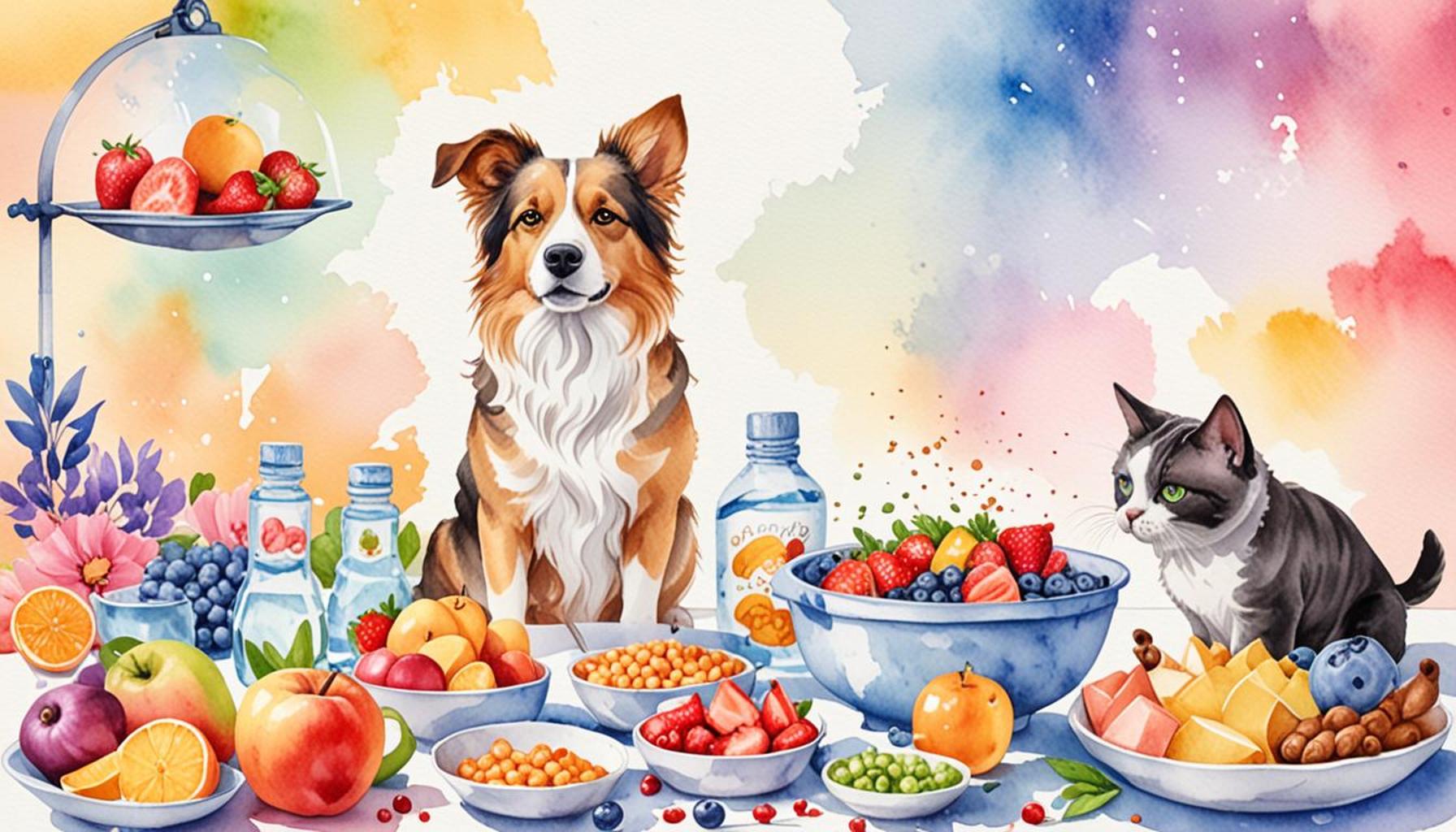
Nutrition plays a crucial role in the well-being of our beloved pets, especially dogs and cats. A balanced diet not only supports their daily activities but also influences their long-term health and longevity. Understanding the significance of proper nutrition is essential for any pet owner who wishes to ensure their furry companions lead happy and healthy lives.
Why It Matters
As pets rely on us for their dietary needs, it’s important to note several key factors:
- Quality of Ingredients: The right nutrients help grow stronger bones and a healthy coat.
- Preventative Health: A well-rounded diet can ward off diseases and obesity.
- Age-Appropriate Nutrition: Different life stages require tailored dietary considerations.
This article will guide you through the top five most significant benefits of a balanced diet, helping you make informed choices for your pets. Prepare to discover valuable insights into maintaining your canine and feline companions’ health for the long haul.
Top 5 Reasons Why Balanced Nutrition is Essential for the Long-Term Health of Dogs and Cats
The cherished companionship that dogs and cats offer is a testament to their deep bond with humans. Yet, the unspoken pillar supporting this bond is largely the quality of their diet — a key determinant of their health and longevity. Understanding the intricacies of balanced nutrition is paramount for pet owners desiring to foster a long, healthy life for their furry friends. Herein, we delve into the top five reasons to prioritize what finds its way into your pet’s bowl, underscoring the significant role of nutrition in their overall well-being.
5. Quality of Life Improvement
Balanced nutrition substantially enhances your pet’s quality of life. When pets are nourished with diets rich in the necessary nutrients, they often exhibit heightened energy levels and a generally elevated mood. Imagine a cat eagerly pouncing about or a dog energetically wagging its tail during a brisk morning walk. These are not mere frivolities; they are barometers of well-being.
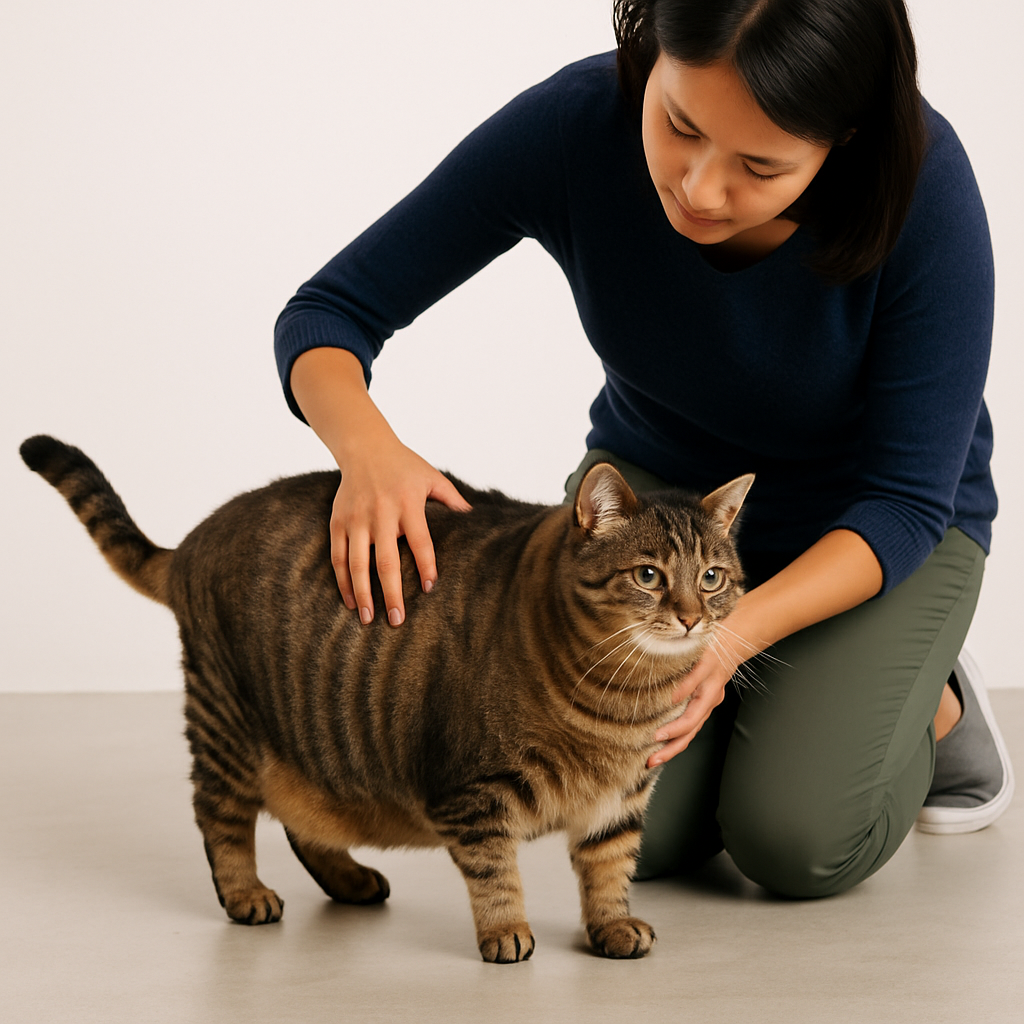
At the heart of a balanced diet are essential nutrients — proteins, fats, carbohydrates, vitamins, and minerals — that cater to the unique needs of each pet. Unlike humans, dogs and cats have specific dietary requirements. Dogs are omnivorous, requiring both meat and plant-based nutrients, while cats are obligate carnivores, needing a meat-centric diet. A nutrient-enriched diet supports not just physical health but also boosts mental acuity and emotional stability, reducing anxiety and fostering a more harmonious behavior pattern.
4. Prevention of Health Issues
Prevention is indeed better than cure, a principle that balanced nutrition admirably upholds. A meticulously curated diet can stave off a multitude of health issues often afflicting dogs and cats, such as obesity, diabetes, and heart diseases. Obesity, in particular, plagues many household pets, driven largely by overfeeding and poor dietary choices. A balanced diet tailored to your pet’s caloric needs helps maintain optimal body weight, thus alleviating strain on joints and vital organs.
Understanding specific dietary requirements is critical, especially considering factors like age, breed, and health status. Young puppies require a nutrient-dense diet for growth, whereas senior pets might benefit from a diet lower in calories but higher in fiber. This nuanced approach mitigates health risks and supports longevity.
- Obesity: Avoids unnecessary calories and ensures portion control.
- Diabetes: Averts onset through balanced energy metabolism.
- Dental Issues: Specialist diets can prevent tartar build-up and oral diseases.
3. Enhanced Immune Function
Nutrition is intricately linked to the immune system, which serves as your pet’s primary defense against infections and diseases. A fortified immune system is like a well-maintained shield, always at the ready to guard against health threats. Balanced diets rich in antioxidants, vitamins, and minerals strengthen this shield.
Key nutrients such as vitamin E, vitamin C, and selenium boost immune health. Foods rich in antioxidants like blueberries and omega-3 fatty acids from fish oils can effectively enhance immune response, safeguarding your pet from common illnesses. Such dietary measures not only reduce the frequency of veterinary visits but also enhance vibrant health and longevity.
2. Stronger Bones and Muscles
The structural integrity of your pet’s body relies significantly on dietary contributions. Calcium, phosphorus, and protein are foundational to robust bone and muscle health. These nutrients are not only vital during the development stages of puppies and kittens but remain indispensable throughout their lives.
Over time, lack of these nutrients could lead to daunting orthopedic issues — from fragile bones prone to fractures to debilitating arthritis. Regularly providing a diet that meets these nutritional needs helps maintain muscular strength and bone density, ensuring lifelong mobility and agility. This is especially crucial for larger dog breeds, known for their predisposition to joint issues.
1. Longevity
The culmination of balanced nutrition leads to increased longevity, offering your beloved pets the gift of more quality years by your side. Studies consistently highlight the correlation between well-rounded diets and extended lifespans in dogs and cats. Beyond just adding years, balanced diets enrich those years, transforming them into a tapestry of shared moments and adventures.
Every feeding time represents an opportunity to influence your pet’s long-term health positively. With thoughtful dietary choices, pet owners can significantly impact their pets’ lives, ensuring they not only add years to their lives but more importantly, life to their years. A solid understanding of nutritional needs equips pet owners to make informed decisions, paving the way for a future filled with health and happiness.
In conclusion, the role of balanced nutrition in the lives of dogs and cats is profound and multifaceted. As guardians of their well-being, pet owners wield the power to transform their pets’ lives through informed and responsible dietary practices. By embracing this knowledge, we can ensure that our furry companions lead happier, healthier, and longer lives, enriching our lives in return with their unwavering companionship.
| Category | Details |
|---|---|
| Weight Management | A balanced diet plays a crucial role in maintaining an optimal weight for pets. This is essential to prevent obesity-related diseases, such as diabetes, arthritis, and heart conditions. |
| Enhanced Immune System | Proper nutrition is vital for a robust immune system. Essential vitamins and minerals, especially antioxidants, help strengthen the body’s defenses against pathogens and chronic diseases. |
| Coat and Skin Health | Diet rich in omega fatty acids and proper nutrients enhances the health of a pet’s skin and coat, preventing conditions like dry skin and allergies, while promoting a shiny, healthy appearance. |
| Longevity and Quality of Life | Balanced nutrition is directly linked to increased lifespan and improved quality of life in dogs and cats. Pets receiving a well-rounded diet maintain better energy levels, vitality, and engagement in daily activities. |
Frequently Asked Questions about the Importance of Balanced Nutrition for Long-term Health of Dogs and Cats
Why is balanced nutrition crucial for the long-term health of pets?
A balanced diet is fundamental for the overall health and longevity of pets. When dogs and cats receive the right mix of nutrients, they are less prone to diseases and health issues such as obesity, diabetes, and kidney diseases. Ensuring a diet rich in proteins, carbohydrates, fats, vitamins, and minerals can directly influence their immune system, energy levels, and even mood. Pet owners should seek advice from veterinarians to tailor a diet plan that meets the specific needs of their pets.
What are the main components of a balanced diet for dogs and cats?
A balanced diet should contain an appropriate balance of **proteins**, **fats**, and **carbohydrates**. Proteins are essential for muscle development and repair, while fats provide energy and support cell growth. Carbohydrates are necessary for the digestive function and provide a source of quick energy. In addition to these macronutrients, vitamins and minerals are indispensable for maintaining bodily functions and preventing deficiencies. Calcium, phosphorus, and taurine are particularly crucial for cats. Understanding the specific dietary needs of your pet is the first step towards ensuring a balanced diet.
Are commercial pet foods sufficient for providing balanced nutrition?
Many commercial pet foods are formulated to meet the nutritional needs of dogs and cats, but not all are created equal. It is crucial for pet owners to be discerning about the quality of the ingredients and the reputation of the brand. Reading labels and understanding the nutritional content is essential for ensuring that the pet food delivers a complete and balanced diet. Consulting with veterinarians or pet nutritionists can help owners make informed choices about the best commercial options available.
Can homemade diets be as effective as commercial pet foods?
Homemade diets can be an effective alternative if prepared under the guidance of a veterinary nutritionist. While they allow for customization according to a pet’s specific needs and preferences, it is challenging to achieve the correct nutritional balance without professional assistance. An unbalanced homemade diet can lead to deficiencies or excesses that could harm the pet’s health. Therefore, if you choose to prepare homemade meals, it is crucial to ensure they meet the required nutritional standards.
Conclusion: The Vital Role of Balanced Nutrition for Pets
The importance of a balanced diet for the long-term health of dogs and cats cannot be overstated. The benefits of feeding our pets with a nutritionally rich diet echo throughout their lives, promoting vitality, longevity, and optimal health.
Adequate nutrition helps prevent a host of chronic diseases such as obesity, diabetes, and arthritis, which are increasingly prevalent in our furry companions. Meeting the specific dietary needs of dogs and cats supports their immune systems, enhances energy levels, and maintains healthy skin and coat. Furthermore, by managing portion sizes and choosing high-quality ingredients, pet owners can play a pivotal role in safeguarding their pet’s well-being.
Environmental factors, life stages, and activity levels are critical considerations when determining the most suitable diet for pets. However, balancing their nutritional intake with proteins, fats, carbohydrates, vitamins, and minerals remains the cornerstone of a healthy lifestyle. The result is not only a happier and more active pet but also fewer veterinary visits, translating into long-term savings for pet owners.
Practical Takeaways
- Select quality pet foods that cater to the specific dietary requirements of your pet’s breed and age.
- Monitor your pet’s weight and adjust their diet as needed to prevent obesity.
- Consult with a veterinarian to tailor a diet plan that meets your pet’s unique needs.
- Pay attention to portion control to avoid overfeeding or underfeeding.
- Be mindful of human food hazards and resist the temptation of sharing unsafe foods with pets.
In essence, by dedicating time and effort to understand and implement a balanced nutrition plan, pet owners have an invaluable opportunity to enhance their pets’ quality of life. It is an investment that pays dividends in the form of love, companionship, and a shared long, happy life.
Related posts:
Essential Nutrients for the Healthy Development of Puppies
How to Read Pet Food Labels: Deciphering Ingredients and Essential Nutrients
Homemade Food for Pets: Benefits and Risks Associated with Personalized Nutrition
The importance of fiber in pets' diet: how it contributes to digestive health
Natural Food vs Commercial Pet Food Best Nutrition for Your Pets
How Natural Nutrition Can Benefit Pets' Longevity

Linda Carter is a writer and pet care expert specializing in pet health, grooming, and wellness. With extensive experience helping pet owners create safe, loving, and enriching environments for their animals, Linda shares her knowledge on our platform. Her goal is to empower readers with practical advice and strategies to ensure their pets thrive and lead joyful, healthy lives.