Effectively Utilizing Crate Training for Behavioral Improvement in Pets
Understanding Crate Training
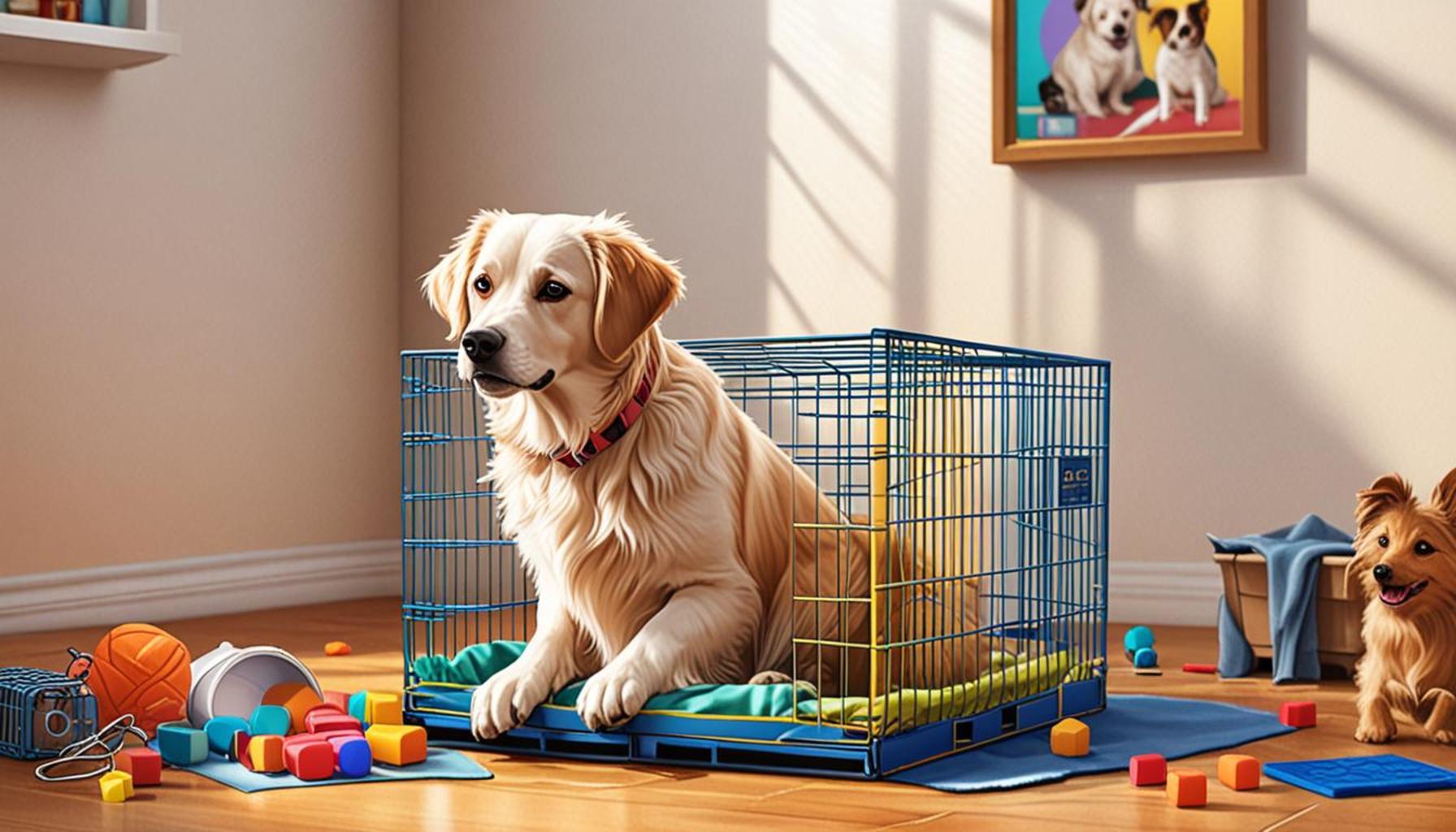
Crate training is a method that effectively combines functionality with emotional support for pets. It’s essential to recognize that the crate isn’t merely a confinement tool; rather, it’s a personal space that pets can learn to appreciate and view as their own. This approach aligns with a pet’s natural instinct to seek a den-like environment for security and comfort, which can help ease the transition to crate training.
Key Benefits in Detail
One of the most notable benefits of crate training is its efficacy in housebreaking. Dogs have an instinctual aversion to soiling their sleeping area. Therefore, by teaching them that the crate is their space, owners can significantly shorten the time it takes for their pets to learn where and when to relieve themselves. For instance, a puppy may require frequent bathroom breaks. By using a crate, owners can encourage the puppy to hold it until they are let outside, fostering a routine that eventually leads to successful potty training.
Another major advantage is safety. Crate training can provide a safe haven for pets during car rides, preventing distractions for the driver and protecting pets from injury during sudden stops. Additionally, when owners must leave their pets unsupervised at home, a crate can reduce potential dangers. For example, a curious puppy left to roam freely might chew on electrical cords or ingest harmful household items. By utilizing a crate, pets are kept secure from such hazards.
Perhaps one underappreciated aspect of crate training is its role in promoting calmness. Just like humans, pets experience stress, especially from loud noises, unfamiliar visitors, or changes in their environment. A crate can serve as a retreat where dogs can retreat and feel safe. Creating a positive association with the crate—such as providing toys or treats when they enter—can help pets view it as a comforting space rather than a form of punishment.
Crate Training as Part of a Broader Strategy
Beyond these immediate benefits, crate training is a foundational element of a more extensive training regime. It helps teach obedience through simple commands such as “go to your crate” or “stay.” Positive reinforcement, such as treats and praise when they follow these commands, encourages compliance and solidifies good behavior.
Moreover, crate training can assist in reducing undesirable behaviors. For instance, jumping on guests or excessive barking can stem from anxiety or lack of structured behavior. A crate can temporarily help manage these behaviors while training is ongoing, allowing pets to understand boundaries and appropriate actions.
Finally, crate training fosters independence, particularly in young pets. As they become accustomed to being in a crate for short periods, they can learn to enjoy their own company, reducing separation anxiety. Establishing this level of autonomy is crucial, not only for the well-being of the pet but also for the peace of mind of the owner.
In conclusion, the mechanisms behind crate training are multifaceted and advantageous for both pets and owners. By understanding how to implement crate training effectively, pet owners can tailor their approach to meet the specific needs of their furry friends. With practical strategies and insights, transforming your pet’s behavior through crate training can lead to a harmonious cohabitation.
LEARN MORE: Click here to find out how natural nutrition can enhance your pet’s lifespan
Establishing a Positive Environment for Crate Training
To effectively utilize crate training for behavioral improvement in pets, it is crucial to first establish a positive environment that encourages acceptance of the crate. This process involves more than simply placing your pet in the crate and closing the door; it requires creating an inviting retreat that your pet will feel comfortable entering on their own. Here are some practical steps to help you achieve this:
- Select the Right Crate: Choosing the appropriate size and type of crate is essential. The crate should be spacious enough for your pet to stand, turn around, and lie down comfortably. A well-fitting crate will help prevent feelings of confinement and promote a sense of security.
- Introduce Gradually: Start by allowing your pet to explore the crate while it’s open. Place it in a common area of your home, and encourage positive interactions by tossing in favorite toys or treats. This will help establish a sense of ownership and curiosity.
- Create a Cozy Space: Make the crate a warm and inviting environment by adding a soft blanket or bed inside. This comfortable setting can encourage your pet to view the crate as a safe haven rather than a punishment.
- Use Positive Reinforcement: Reward your pet with treats and praise every time they enter the crate willingly. This will reinforce the idea that the crate is a place for positive experiences. Consistency in this process will solidify good behaviors over time.
- Short-Term Sessions: Start with brief periods of crate time. Gradually increase the duration as your pet becomes more accustomed to the crate. This step-by-step approach prevents overwhelming your pet and helps ease anxiety.
One of the major challenges pet owners face during crate training is overcoming the misconception that crates are a tool for punishment. It’s vital to emphasize that the crate should never be used as a means of discipline. Instead, it should represent a sanctuary where pets can retreat and find comfort. This perception fosters a positive association with the crate, allowing pets to engage willingly and enthusiastically with their designated area.
Understanding the Role of Crate Training in Behavioral Modification
Crate training serves as a foundational element in shaping desirable behavior in pets. By setting clear boundaries and guidelines within the crate environment, owners can minimize unwanted behaviors that stem from anxiety or lack of structure. For example, dogs left alone for extended periods may develop destructive tendencies due to boredom or anxiety. A well-managed crate training regimen can help mitigate these issues by providing a controlled environment.
Furthermore, crate training can significantly assist in managing exciting situations. Say, for instance, that guests arrive at your home or you prepare to leave for an outing. Placing your pet in their crate during these contexts can prevent overwhelming stimuli from causing disruptive behaviors, such as barking or jumping. Over time, this behavior management can help your pet develop a sense of calmness and stability in various situations.
Overall, the successful implementation of crate training involves both an understanding of your pet’s instincts and the creation of a nurturing environment. By following these guidelines, pet owners can harness the full potential of crate training to foster improved behavior, promoting a healthier relationship between pets and their humans.
| Advantage | Description |
|---|---|
| Stable Environment | Crate training creates a secure zone for your pet, reducing anxiety and promoting relaxation. |
| Positive Reinforcement | Utilizing treats and praise within the crate can effectively motivate desired behaviors in your pet. |
| House Training | Crate training is invaluable for housebreaking pets, as animals typically avoid soiling their sleeping area. |
| Reduced Destructive Behavior | A crate can limit access to harmful items, leading to a significant decrease in chewing and other unwanted behaviors. |
Building on these advantages, crated pets often exhibit greater compliance and socialization skills over time. This structured environment helps them understand boundaries better, which can lead to an overall improved temperament. The practice of effective crate training engages the dog’s mind, enriching their daily experience. Moreover, it fosters their adaptability to different environments as they grow comfortable with the confines of their crate.The flexibility and security a crate offers can also make travel and veterinary visits less stressful for your pet. Proper crate training sets a foundation for pet owners looking for a well-mannered companion. By understanding the principles and techniques of crate training, pet owners can harness its full potential for behavioral improvement, enriching the bond between them and their pets.
DISCOVER MORE: Click here to learn about boosting trust with your cat
Integrating Crate Training into Daily Routine
Once the initial groundwork has been laid and your pet views the crate as a positive space, it’s essential to integrate crate training into your daily routine to enhance consistency and reinforce good behavior. A structured approach involving the crate in everyday life can provide both you and your pet with recognizable patterns that lead to improved discipline and behavior. Below are practical strategies to effectively incorporate crate training into your pet’s daily regimen:
- Routine Scheduling: Establish a consistent schedule for crate time, similar to feeding and walking sessions. For example, consider crating your pet during specific periods, like mealtime for yourself or during your evening television time. This helps your pet understand when to anticipate crate time, reducing anxiety associated with uncertainty.
- Transitioning Away: Practice short time intervals where you leave the room, gradually increasing the length of time after which you return. This exercise aids in building your pet’s confidence that you will come back, even if they are crated. It also minimizes separation anxiety, which can lead to undesirable behaviors, such as excessive barking or chewing.
- Positive Reinforcement After Crate Time: Each time your pet exits the crate, greet them with affection and praise. This ensures they associate leaving the crate with positive experiences, reinforcing the idea that being in the crate leads to rewarding interactions outside of it.
- Controlled Exposures: For pets that struggle with overstimulation, gradually introduce them to high-energy environments while securing them in the crate. For example, invite friends over or play recordings of doorbells or other sounds that may normally trigger excitement. Over time, your pet will learn to remain calm, creating a sense of confidence to handle diverse situations.
The Impact of Crate Training on Long-Term Behavior
Utilizing crate training within a structured daily routine not only helps in immediate behavioral modification but also contributes to long-term benefits. Many pet owners have found that consistent use of a crate fosters independence in their pets. This independence can lead to reduced anxiety when faced with new experiences, such as being left alone or encountering unfamiliar people or animals. Research indicates that exposure to crates at an early age helps pets develop a sense of security in different situations, leading to a well-adjusted adult companion.
Moreover, crate training can significantly assist in house training pets, particularly puppies. The crate serves as a natural place for pets to learn to control their bladder since animals typically avoid soiling their sleeping area. As they adapt, they develop a clear understanding of when and where they should relieve themselves, contributing to a more harmonious living environment.
An important aspect to consider is the potential for crate training to aid in the management of certain behavioral problems, such as anxiety-related issues or aggression. By utilizing the crate as a space for calming down, you can give your pet a time-out from a stressful scenario without stigmatizing them. This method can teach them coping mechanisms that contribute to their emotional well-being.
As you delve deeper into integrating crate training into your pet’s life, the multifaceted benefits begin to unfold. When understood as a tool for growth and development, crate training can elevate the relationship between you and your pet, establishing a foundation of trust essential for behavioral enhancement. Knowing how to cleverly incorporate crate use in various everyday situations can make all the difference in your pet’s overall behavior and quality of life.
DISCOVER MORE: Click here to learn about the importance of puppy socialization
Conclusion
In summary, effectively utilizing crate training can be a transformative journey for both pets and their owners, leading to substantial behavioral improvements and enhanced relationships. As a pet parent, understanding the multifaceted benefits of crate training allows you to create a safe and secure environment for your furry companions. By emphasizing routine scheduling and incorporating crate time into your daily life, your pet will build confidence and familiarity, which can significantly alleviate anxiety and promote good behavior.
Importantly, crate training not only aids in house training but also acts as a valuable tool for addressing various behavioral issues, such as aggression and separation anxiety. The crate becomes a sanctuary where pets can retreat to calm down, offering them emotional stability during stressful situations, which is particularly beneficial in a bustling home environment.
Ultimately, the investment of time and consistency in crate training will foster independence in your pet, enhancing their quality of life while minimizing disruptive behaviors. As you proceed with crate training, remember to leverage positive reinforcement strategies to build an association of safety and comfort with the crate. This dynamic process culminates in a deeper bond of trust and understanding between you and your pet.
For those eager to embark on this rewarding path, the benefits of crate training are indeed profound and warrant further exploration. By embracing the principles and techniques outlined, you’ll not only pave the way for a well-adjusted pet but also enjoy a more harmonious household.
Related posts:
Incorporating Mindfulness Techniques in Pet Training: Enhancing Focus and Calmness
Training Techniques for Senior Pets: Adapting Methods for Older Animals
The Importance of Tailoring Training Techniques to Individual Pet Personalities
Positive Reinforcement Training for Cats Boost Trust Bond
Harnessing the Power of Play in Pet Training: Techniques for Engagement and Bonding
Master Dog Obedience Step-by-Step Clicker Training Techniques Guide

Linda Carter is a writer and pet care expert specializing in pet health, grooming, and wellness. With extensive experience helping pet owners create safe, loving, and enriching environments for their animals, Linda shares her knowledge on our platform. Her goal is to empower readers with practical advice and strategies to ensure their pets thrive and lead joyful, healthy lives.