Harnessing the Power of Play in Pet Training: Techniques for Engagement and Bonding
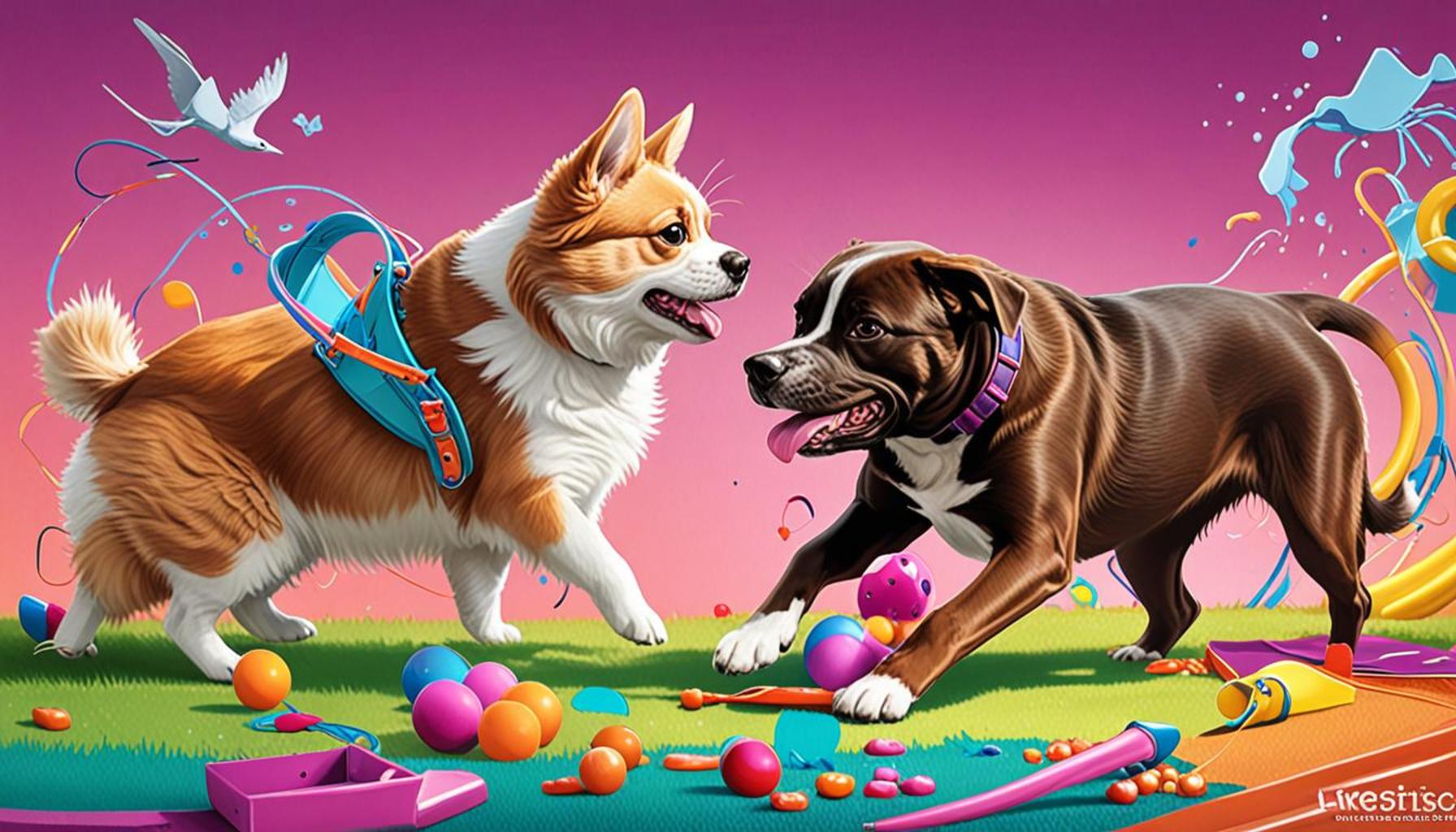
The Power of Play in Pet Training
Play is often dismissed as a mere diversion, but it serves as a vital mechanism in the training and development of pets. Engaging in playful activities with pets not only sparks their interest but also provides a unique platform for effective learning. Owners can unlock a wealth of benefits by fusing play into their training routines, laying the groundwork for stronger relationships between humans and their companion animals.
One of the primary advantages of incorporating play into training sessions is increased motivation. Animals naturally gravitate towards play, and utilizing their inherent desire to engage in fun activities can make them more enthusiastic learners. For instance, training sessions that include tossing a ball or engaging in tug-of-war can keep dogs attentive and eager to follow commands. Similarly, cats can be motivated to learn tricks by using feather wands or laser pointers that stimulate their hunting instincts.
Moreover, stress reduction is a significant benefit of playful training. Traditional training methods can sometimes induce anxiety in pets, particularly for timid animals. However, incorporating playful elements can create a relaxed atmosphere, encouraging a pet to participate willingly. By associating commands with joyful activities, a pet learns to link obedience with positive experiences, leading to better behavior over time.
Another crucial aspect of playful training is its ability to enhance communication between pets and their owners. Engaging in interactive games helps clarify cues and responses, making it easier for pets to understand what is expected from them. For example, a simple game of hide-and-seek can teach a dog to respond to recall commands while also building their confidence in following their owner’s cues. This type of interaction nurtures a shared language, deepening the bond between pet and human.
Types of Playful Training Techniques
Integrating play into training is adaptable for various pet species. For dogs, consider agility training using tunnels and jumps that make learning a physical challenge while reinforcing obedience. Cats can enjoy clicker training combined with treat dispensing toys to reward their efforts and foster learning. Even smaller pets like rabbits can benefit from play, as using tunnels and obstacle courses can encourage physical activity and learning.
In summary, embracing playfulness in training not only enhances discipline and understanding between pets and their owners but also enriches the lives of both. By using playful techniques, pet guardians can transform the mundane aspects of learning into delightful experiences, promoting a relationship that thrives on trust and enjoyment. So, gather those toys and discover the world of playful learning—your pets will thank you for it!
DIVE DEEPER: Click here for essential insights
Effective Strategies for Playful Pet Training
When embarking on a journey of pet training, it’s essential to understand that engaging your furry friend through play is not just about fun; it’s a pivotal element in shaping their behavior and enhancing their overall well-being. Leveraging the power of play in pet training introduces innovative methods that facilitate learning while fostering a stronger bond between pets and their owners. Here’s a closer look at some effective strategies that capitalize on this dynamic.
1. Positive Reinforcement with Play
Positive reinforcement is a cornerstone of effective training, and incorporating play into this approach can create a more enjoyable experience for your pet. Rewarding desired behaviors with play rather than just treats can significantly increase the likelihood of those behaviors being repeated. For instance, if your dog sits on command, engage them in a game of fetch as a reward. This not only reinforces the command but also helps them associate obedience with a fun outcome.
2. Interactive Play Sessions
Interactive games not only stimulate mental activity but also improve focus and obedience. Consider using games specifically designed to enhance training objectives, such as:
- Tug-of-War: This game can be an effective way to teach dogs about impulse control and “release” commands.
- Fetch with a Twist: Throw a toy and add commands like “sit” or “stay” before giving the go-ahead, integrating training into the game.
- Agility Courses: Setting up agility tunnels and jumps can develop physical agility while reinforcing command responses.
Each of these games emphasizes a playful and stimulating environment, ensuring that training feels less like a chore and more like an enjoyable endeavor.
3. Tailoring Play to Your Pet’s Interests
Every pet is unique, with individual preferences and interests. Identifying what excites your pet can guide you in customizing training sessions that resonate with them. For instance, while some dogs might love retrieving balls, others may be more inclined to chase after frisbees or engage in hide-and-seek challenges. Similarly, cats often favor featherlike toys or laser pointers that engage their hunting instincts. Understanding your pet’s preferences makes it easier to hold their attention and motivate them during training. Tailored play makes training sessions significantly more effective, as pets are more likely to participate eagerly.
4. Building a Routine Around Play
Incorporating play into your daily routine establishes consistency and sets a strong foundation for your pet’s learning and engagement. Dedicating specific times for play-based training ensures that it becomes a regular part of your pet’s life. This not only helps in conditioning your pet to respond to commands but also builds anticipation and excitement around these sessions. Making play a routine will enhance their learning abilities and improve your relationship.
In conclusion, utilizing play in pet training is not merely an approach to teach obedience; it is a dynamic way to enrich your pet’s experience while fostering a deep, joyful bond. By adopting positive reinforcement, engaging in interactive play, tailoring activities to your pet’s interests, and establishing a routine, pet owners can effectively harness the power of play in their training practices.
Harnessing the Power of Play in Pet Training: Techniques for Engagement and Bonding
Play is not just a leisure activity for pets; it is a fundamental aspect of their learning and development. By incorporating play into training routines, pet owners can enhance the bond with their animals while also fostering better behavior and obedience. Engaging your pet through play creates a positive atmosphere that encourages them to learn new commands and skills. In this way, play transcends mere entertainment and becomes a vital training tool.Pet training through play revolves around the principles of reinforcement and engagement. For instance, using toys as rewards makes training sessions enjoyable and productive. Pets are more likely to respond to commands and participate in training if they associate the experience with positive outcomes, such as treats or playtime. Incorporating varied games, such as fetch or tug-of-war, can also stimulate your pet mentally and physically, enhancing their ability to learn.Moreover, the social aspect of play facilitates a deeper emotional connection between pets and their owners. This connection can lead to improved trust and communication. For example, playing interactive games can help pets release pent-up energy, leading to calmer behavior in other settings. The natural tendencies of dogs and cats to engage with their environment through play enable pet owners to effectively teach new behaviors in a context that feels safe and enjoyable for the animal.With these techniques in mind, pet owners can transform the often tedious task of training into an engaging and bonding experience. The benefits of incorporating play into your training strategy include enhanced learning retention, reduced behavioral issues, and a more joyful relationship with your pet, paving the way for lifelong companionship.
| Advantages | Description |
|---|---|
| Increased Motivation | Play acts as a motivator, encouraging pets to learn and comply. |
| Strengthened Bond | Engaging in play enhances the emotional connection between pet and owner. |
Understanding how to effectively harness the power of play in pet training can lead to a transformative experience for both pets and their owners, cultivating a harmonious environment where learning and bonding thrive. Exploring various techniques may reveal new approaches that enhance not only training but also every interaction with your beloved pet.
DIVE DEEPER: Click here to learn more
Expanding the Playful Learning Experience
To maximize the benefits of play in pet training, it’s important to explore further techniques that can enrich the training experience. The interplay between fun and learning opens up a world of possibilities for both pets and owners, emphasizing engagement and bonding while ensuring effective training outcomes.
5. Incorporating Puzzle Toys
Puzzle toys have gained popularity as an excellent way to stimulate pets mentally while providing play opportunities. These toys require pets to solve problems to access hidden treats or toys, ultimately promoting critical thinking skills. For example, a simple treat-dispensing ball can encourage your dog or cat to roll, nudge, and manipulate the toy to earn rewards. Incorporating such toys into your training routine not only keeps your pet entertained but also teaches them patience and persistence. This mental exercise is especially beneficial for high-energy breeds, as it helps tire them out while allowing them to learn valuable skills.
6. Social Play with Other Pets
Socialization through play is a pivotal aspect of a pet’s development. Taking your dog to a dog park or scheduling playdates with other pets allows them to engage in natural play behavior while learning proper social cues. This exposure promotes good manners and builds confidence. During these interactions, you as the owner can guide behaviors, reinforcing positive actions through play. For instance, if your dog greets another pet politely, this can be rewarded with joyous praise or a fun game, fostering better communication and understanding among pets.
7. The Role of Owner Participation
The bond between a pet and their owner can be significantly enhanced through shared play. Actively participating in play sessions encourages trust and reliance, contributing to a more engaged and responsive pet. Techniques such as dance workouts for dogs, where you both engage in movements together, or yoga sessions that involve your pet, can effectively reinforce your connection. As you both learn to anticipate each other’s movements, your pet becomes more adept at responding to commands while enjoying the playful atmosphere.
8. Gaining Insights from Positive Training Communities
One effective way to innovate your pet training approach is to connect with positive training communities. Whether online or in-person, these communities often provide valuable resources on various play-based techniques and the latest trends in pet training. Engaging with fellow pet owners can reveal unique games and methods you may not have previously considered. Additionally, attending workshops or classes can expose you to expert advice tailored to your specific breed or behavior concerns, broadening your horizons on how to effectively harness the power of play.
9. Monitoring Behavior and Adjusting as Needed
Finally, it’s crucial to monitor your pet’s behavior during play. Keeping an eye on how they respond can help you adjust your training techniques accordingly. Is your pet losing interest? Are they expressing frustration? Recognizing these signs will allow you to tailor your sessions for maximum effect, ensuring joy and engagement remain at the forefront of your training efforts. By being attentive to your pet’s emotional state, you can design a training atmosphere that maintains their enthusiasm and willingness to learn.
By diversifying your techniques and focusing on playful interactions, you will create an engaging environment that not only enhances the learning experience but also fosters a loving and trusting relationship with your pet. The bond you build through play will serve as a strong foundation for a well-trained and happy furry companion.
DISCOVER MORE: Click here to ensure your pet’s lifelong health
Conclusion: Embracing Play for a Stronger Bond
Incorporating play into pet training is not just a method; it’s a transformative approach that enhances engagement and bonding between pets and their owners. The playful techniques discussed, from the utilization of puzzle toys and social playdates to active owner participation, create a rich environment for both learning and enjoyment. By prioritizing interactive experiences, pet owners can foster a sense of trust and excitement in their pets, making training less of a chore and more of a joyful adventure.
It’s essential to recognize that each pet is unique. Tailoring your training techniques to suit their individual personalities and energy levels will yield the best results. Utilizing tools like positive reinforcement and monitoring behavior allows for a dynamic training experience that evolves with your pet. As owners, engaging with positive training communities offers additional insights and innovative ideas that can keep the training fresh and exciting.
Ultimately, a playful approach to training enriches the owner-pet relationship, resulting in a well-adjusted, happy companion who is not only eager to learn but also excited to connect with you. By harnessing the true power of play, you are not just training your pet—you are building a lasting bond that will enhance your life together. So, lace up your shoes, grab that favorite toy, and step into the wonderful world of playful pet training!
Related posts:
Training Techniques for Senior Pets: Adapting Methods for Older Animals
Incorporating Mindfulness Techniques in Pet Training: Enhancing Focus and Calmness
The Impact of Positive Reinforcement in Dog Training
Understanding the Role of Socialization in Puppy Training Techniques
Using Virtual Reality in Pet Training: Innovative Approaches for Modern Owners
Using Environmental Enrichment in Training: Stimulating Natural Behaviors in Pets

Linda Carter is a writer and pet care expert specializing in pet health, grooming, and wellness. With extensive experience helping pet owners create safe, loving, and enriching environments for their animals, Linda shares her knowledge on our platform. Her goal is to empower readers with practical advice and strategies to ensure their pets thrive and lead joyful, healthy lives.