Using Environmental Enrichment in Training: Stimulating Natural Behaviors in Pets
Understanding Environmental Enrichment
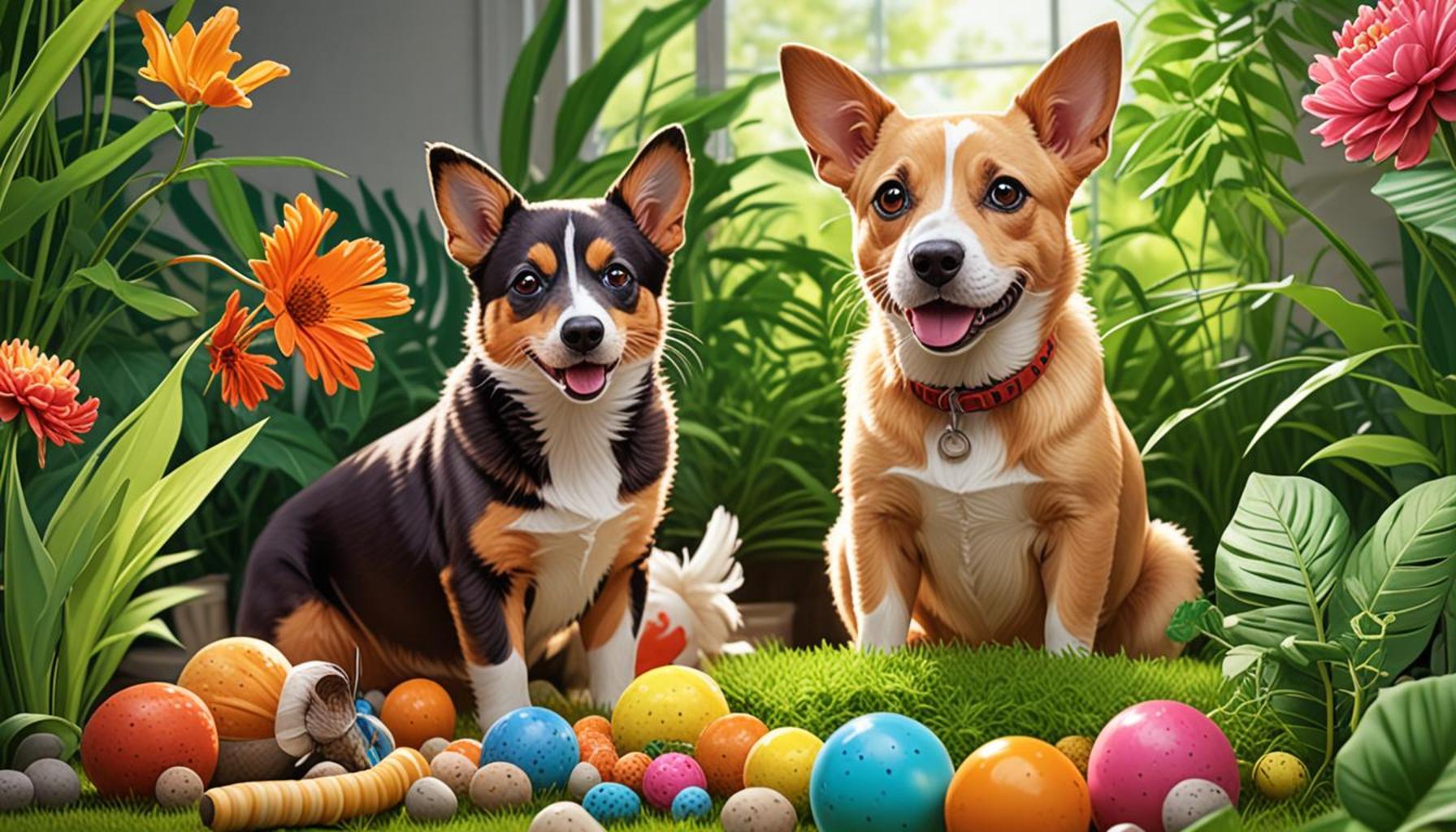
As pet owners, the goal is to ensure that our furry companions lead fulfilling and entertaining lives. One effective approach to achieving this is through environmental enrichment, a holistic concept that addresses both the mental and physical well-being of pets. By thoughtfully incorporating various components into your pet’s routine, you can foster an environment where they can thrive and exhibit their natural behaviors.
Key Components of Environmental Enrichment
There are several practical elements to consider when implementing environmental enrichment. These components not only improve the quality of life for pets but also strengthen the bond between pets and their owners.
- Interactive Toys: Puzzle feeders and treat-dispensing toys provide cognitive challenges that engage your pet’s problem-solving skills. For instance, toys designed like mazes can require dogs or cats to move pieces around to uncover treats. This type of mental stimulation is crucial for preventing boredom, which often leads to destructive behaviors.
- Varied Activities: Introducing different forms of play can break the monotony of a pet’s daily routine. Activities such as hide-and-seek not only engage your pet physically but also mentally, as they rely on their sense of smell and spatial awareness. Moreover, agility training courses, which can be set up in backyards or local parks, offer fun challenges for dogs, improving their focus, obedience, and fitness.
- Natural Scents: Utilizing natural scents through activities like scent trails during walks can be particularly stimulating for dogs, who have a keen sense of smell. Consider creating a scavenger hunt by hiding treats or favorite toys around your yard or nearby park, leading your pet on an exciting exploration that taps into their instinctual behaviors.
The Benefits of Environmental Enrichment
Engaging in these enrichment practices can significantly enhance your pet’s overall well-being. Research indicates that animals exposed to various forms of enrichment are likely to exhibit fewer behavioral issues such as aggression or anxiety. By fostering a dynamic and stimulating environment, you’re helping your pet to channel their energy positively. This, in turn, contributes to a healthier lifestyle and can also reduce the likelihood of health-related issues associated with inactivity.
Furthermore, the relationship between owner and pet is strengthened through these interactions. Engaging in play and exploration not only enhances the pet’s quality of life but also fosters emotional connections and mutual trust. This nurturing relationship is vital for both parties, as it leads to a more harmonious living environment.
Implementing Environmental Enrichment
To effectively implement these strategies, consider your pet’s unique preferences and behaviors. Different breeds and individual animals have specific needs and interests. Investing time in observing your pet can provide insights into what types of activities they enjoy the most.
As you embark on this enriching journey, remember that the goal is to create a stimulating environment that encourages exploration and engagement. By integrating various enrichment techniques into your pet’s daily life, you can profoundly impact their happiness and health. Keep an eye out for further exploration into practical techniques and additional benefits of environmental enrichment, as your discoveries can unlock a new world for your beloved pets.
DISCOVER MORE: Click here to learn about the best nutrition for your pets
Integrating Environmental Enrichment into Training
As owners dive into the world of training, incorporating environmental enrichment becomes a pivotal aspect of fostering natural behaviors in pets. By enhancing their surroundings—both physically and mentally—owners can create an atmosphere that not only facilitates learning but also nurtures instinctual activities. Understanding how to integrate these elements into training routines can unlock a wealth of benefits for both pets and their guardians.
Enhancing Training with Natural Behaviors
One of the key advantages of utilizing environmental enrichment within training is its ability to encourage pets to express their innate behaviors. Different animals have unique instincts that can be harnessed and positively redirected through enriching activities. For example, a dog’s natural herding instinct can be stimulated through games that involve chasing or retrieving, while a cat’s natural predatory instincts can be engaged with toys that mimic the movements of prey.
To effectively channel these instincts, it’s essential to design training sessions that align with the animal’s natural propensities. Consider incorporating the following strategies into your training regimen:
- Reward-based Learning: Utilize positive reinforcement in the form of treats or praise when your pet exhibits desired behaviors. Aligning rewards with natural behaviors encourages pets to repeat those actions, making learning both enjoyable and effective.
- Incorporative Play: Infuse play into training sessions. Use interactive play as a reward or to transition between training exercises. You might engage your dog with a game of fetch after they demonstrate commands like “sit” or “stay,” allowing the learning process to become a fun and satisfying experience.
- Scavenger Hunts: Organize scavenger hunts, which can stimulate both the mind and body. Whether hiding treats, toys, or even engaging in scent tracking, these activities foster problem-solving skills while leveraging your pet’s instincts in a playful format.
Creating a Rich Learning Environment
A successful integration of environmental enrichment into training is rooted in creating a stimulating environment. This means considering not just the activities themselves but also the physical space where training occurs. A diverse environment can help maintain your pet’s focus and motivation throughout training sessions. For instance, incorporating various textures, scents, and visual stimuli can promote exploration and engagement, making each training session a new adventure.
Moreover, mixing up training locations can keep things fresh and exciting for your pet. Consider transitioning between familiar spaces, such as your living room or backyard, to public parks or other pet-friendly areas. This variety can help your pet apply learned commands in different contexts, reinforcing their understanding and adaptability.
Integrating environmental enrichment into training is a powerful way to promote natural behaviors in pets. By actively engaging with their instincts and providing stimulating environments, you can elevate not only their training experience but their overall happiness and quality of life. Explore these techniques further, and you may find that your pet thrives in an enriched and inviting atmosphere, leading to a stronger bond and a more harmonious relationship.
| Advantage | Description |
|---|---|
| Enhanced Mental Stimulation | Implementing environmental enrichment techniques stimulates pets’ cognitive functions, keeping their minds sharp and engaged. |
| Reduction of Behavioral Issues | Behavioral problems such as barking, chewing, and digging can significantly decrease with proper enrichment, leading to a more harmonious living environment. |
The adoption of environmental enrichment methods brings numerous benefits into the lives of pets, promoting not only their well-being but also a deeper bond with their humans. Enhanced mental stimulation through interactive toys, training exercises, and exploration opportunities fulfills intrinsic needs that many pets have, allowing them to exhibit natural behaviors that otherwise might go unnoticed in a static environment. Furthermore, by integrating various forms of environmental enrichment, you can significantly reduce behavior issues in pets. Reduction of behavioral issues such as excessive barking or destructive tendencies leads to a calmer and more fulfilling relationship between you and your pet. As owners observe their pets finding joy in exploration and learning, they too will feel the rewards of this enriching journey. Incorporating these strategies enriches the pet’s experience, ultimately enhancing their quality of life and creating harmonious dynamics within the household.
DISCOVER MORE: Click here to learn how to find the perfect pet for your family
Tools and Techniques for Environmental Enrichment
In order to effectively implement environmental enrichment into training, it is essential to utilize a variety of tools and techniques that cater to the specific needs of your pet. There are countless options available that can enhance the learning experience while simultaneously elevating your pet’s natural instincts.
Utilizing Interactive Toys
Interactive toys are one of the most effective ways to engage pets mentally and physically. These toys are designed to challenge your pet, promoting problem-solving and encouraging them to explore. For example, puzzle feeders require pets to work for their food, stimulating their brain while also catering to their natural foraging instincts. Research has shown that interactive toys can reduce behavioral issues stemming from boredom, making them an excellent investment for enriching your pet’s life.
Consider incorporating toys that require the animal to manipulate components to receive treats or toys that dispense food as they play. These activities can effectively channel your pet’s instincts to seek out resources in a playful manner, reinforcing learning through enjoyable experiences.
Natural Exploration and Outdoor Activities
Exposure to the outdoors can provide a myriad of enriching experiences for pets. Nature offers plenty of sensory stimuli, from unique smells to diverse sounds, which can promote curiosity and engagement. Activities like hiking or visiting pet-friendly beaches not only allow pets to explore but also enhance their socialization skills with other animals and people. This kind of exploration is essential in helping pets develop confidence and adaptability.
For pets that thrive on scent work, consider training them in environments where they can sniff out hidden treats or toys. Dogs, in particular, can refine their tracking abilities in open spaces, stimulating their natural hunting instincts. Similarly, scent trails can be created for both dogs and cats to follow, turning routine walks or playtime into exciting adventures.
Incorporating Sensory Enrichment
Integrating sensory enrichment into training can have a profound effect on your pet’s engagement and learning pace. This can be as simple as introducing different scents or sounds into your training environment. For instance, natural elements such as grass, leaves, or water can enhance the sensory experience, encouraging pets to explore their surroundings more actively.
Additionally, auditory enrichment can be beneficial. Playing recordings of other animals or nature sounds can stimulate curiosity and encourage pets to behave in a more natural manner. Experiment with various materials, textures, and scents to discover what excites your pet the most, fostering a more profound connection between you and your animal companion.
Social Interactions as Enrichment
Another aspect of environmental enrichment is socialization with other animals or humans, which can help to improve behavioral health and reduce anxiety. Organizing playdates or group training sessions allows pets to engage with peers, improving their social skills and helping them learn appropriate behavior in communal settings. This form of enrichment nurtures natural pack behaviors in dogs and enhances a cat’s social interactions, leading to a happier and well-adjusted pet.
By strategically employing various tools and techniques for environmental enrichment, pet owners can create a stimulating atmosphere that fosters natural behaviors and enhances the training process. This tailored approach not only promotes learning but also enriches the overall quality of life for pets, correlating with long-lasting benefits for both pets and their guardians.
DON’T MISS: Click here to learn how to enhance your cat’s trust
Conclusion
In conclusion, using environmental enrichment in training is a powerful strategy for pet owners seeking to stimulate their pets’ natural behaviors while enhancing their overall learning experience. By integrating interactive toys, outdoor exploration, sensory activities, and social interactions into your training regimen, you create a multifaceted environment that taps into your pet’s instincts and promotes cognitive engagement.
As pets thrive in settings that encourage exploration and challenge their mental capacities, focusing on enriching activities can lead to reduced behavioral issues and a deeper bond between you and your pet. Take advantage of the various resources available, such as puzzle toys or nature outings, to tailor an enrichment program that fits your pet’s unique preferences and needs.
Moreover, the benefits of incorporating environmental enrichment extend beyond immediate training results; they contribute to long-term emotional and psychological well-being. A more fulfilled pet not only becomes a better companion but also exhibits improved behavior and adaptability in various situations.
As you embark on this enriching journey, remember that the goal is not just to teach commands but to foster an environment where your pet can thrive as their true self. Explore, experiment, and engage—because the path to a well-rounded pet lies in stimulating their natural instincts and creating a vibrant, responsive environment. Embrace environmental enrichment as a cornerstone of your pet training philosophy, and watch as your companion flourishes!
Related posts:
The Benefits of Group Training Classes for Socialization and Learning
Understanding the Role of Socialization in Puppy Training Techniques
The Science Behind Scent Training: Techniques for Working Dogs
Incorporating Mindfulness Techniques in Pet Training: Enhancing Focus and Calmness
Master Dog Obedience Step-by-Step Clicker Training Techniques Guide
The Benefits of Positive Reinforcement in Dog Training

Linda Carter is a writer and pet care expert specializing in pet health, grooming, and wellness. With extensive experience helping pet owners create safe, loving, and enriching environments for their animals, Linda shares her knowledge on our platform. Her goal is to empower readers with practical advice and strategies to ensure their pets thrive and lead joyful, healthy lives.