The role of patience in the adaptation of adopted pets to a new home
Understanding Pet Adoption Challenges
Adopting a pet is indeed a rewarding experience, but it is also one that can come with a myriad of challenges. Understanding the role of patience is crucial in ensuring a smooth transition for your new furry companion. Many pets come from challenging backgrounds, which can influence how they adapt to a new home environment.
When bringing a pet into your home, it’s important to acknowledge that many of them may have faced emotional hurdles, especially if they have experienced trauma, neglect, or abandonment in their pasts. These challenges can manifest in a variety of ways. For instance, a new pet might start off by hiding in corners or underneath furniture, making them seem distant and uninterested in interaction with their new family. Alternatively, they may express their anxiety through excessive barking or meowing, creating stress not just for themselves but also for their new owners. In some cases, pets might exhibit temporary aggression or show fearfulness when approached, which can be alarmingly surprising for first-time adopters.
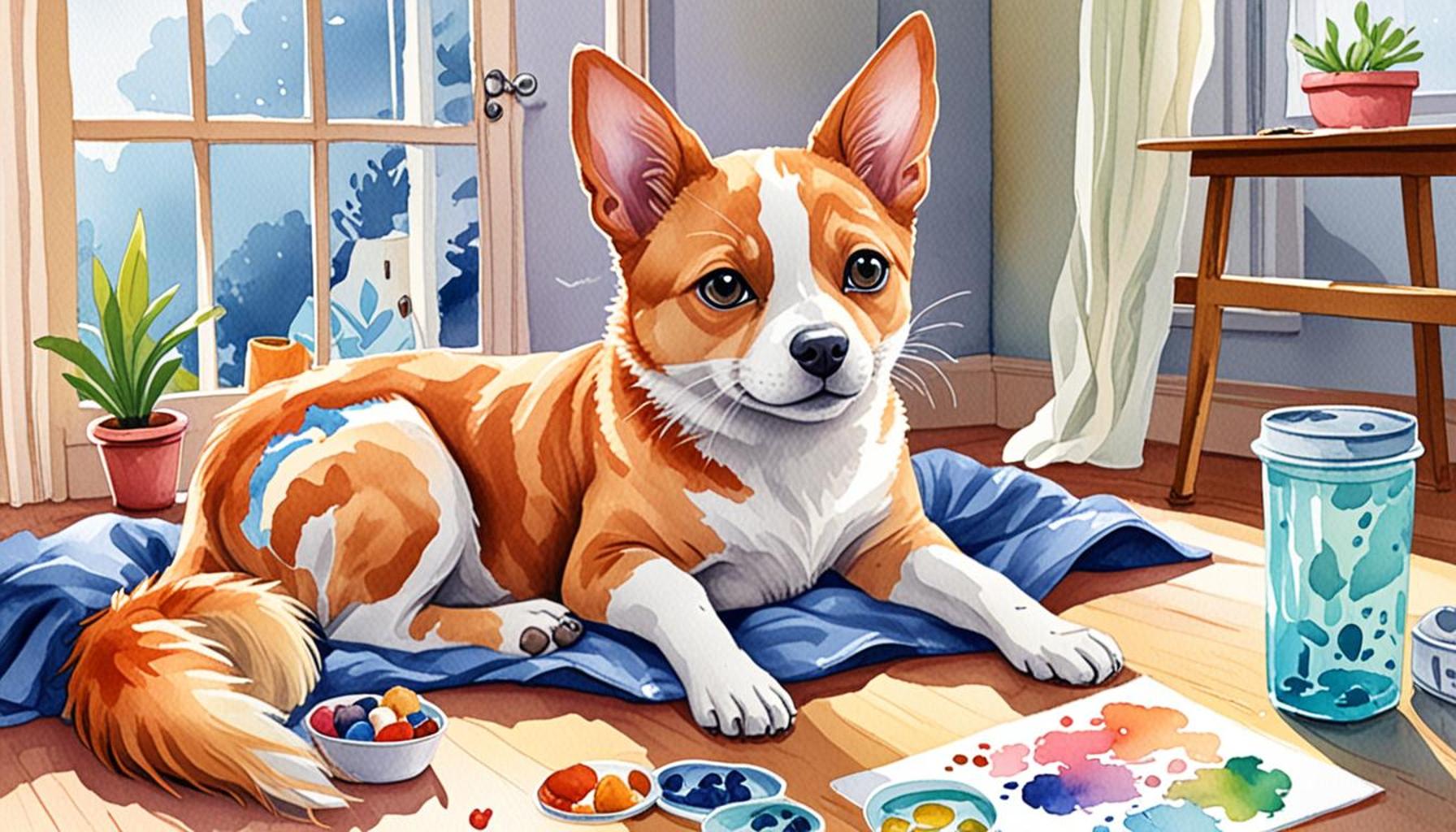
While these behaviors can be disheartening, it is essential to recognize the importance of patience during this adjustment period. A gentle and measured approach can provide your new pet with the security they need to feel comfortable and at home in their new surroundings. For example, having a designated safe space—like a cozy bed in a quiet corner of the house—can help them feel protected and secure. Additionally, allowing them the time to explore their new environment at their own pace can significantly enhance their confidence.
Moreover, there are several strategies that can facilitate a smoother transition for both the pet and the owner:
- Create a calm environment: Reduce noise and excitement in the home during the initial days. Soft music or tranquil sounds can help soothe anxious pets.
- Establish a consistent routine: Just like humans, pets thrive on routine. Having set times for feeding, walks, and play can help your new friend feel more secure and reassured.
- Utilize positive reinforcement: Rewarding good behavior through treats or affection can encourage pets to engage more openly and build trust over time.
In essence, exercising patience not only fosters a sense of security for your adopted pet but also plays a pivotal role in building a deep bond between you and your new companion. As you embark on this journey, keep in mind that every moment spent understanding and supporting your pet’s adjustment can significantly impact their overall well-being and happiness.
Moreover, consider reaching out to local animal shelters or pet adoption organizations where trained staff can provide additional guidance tailored to your pet’s specific needs. Such resources can be invaluable as you navigate the complexities of your pet’s emotional landscape during their transition into your home.
LEARN MORE: Click here to discover the benefits of natural nutrition for your pet’s longevity
The Importance of Patience During Transition
When welcoming a new pet into your home, it is crucial to understand that patience is not just a virtue; it is an essential component of successful adaptation. Each adopted pet comes with its own unique history, often colored by experiences of hardship or uncertainty. As responsible guardians, we must recognize that these emotional scars may not heal overnight. Instead, they require time, understanding, and a gentle approach.
The initial adjustment phase can vary significantly from one pet to another. Some animals may adapt within days, while others may take weeks or even months to feel truly at ease. For instance, a dog who has been sheltered in a noisy environment might feel overwhelmed by the everyday sounds of a typical household, from the hum of appliances to the chatter of family members. On the other hand, a previously abandoned cat may be wary of human interaction, responding with skittish behavior or hiding to establish a sense of safety.
To effectively support your new companion’s transition, consider the following strategies that highlight the role of patience in fostering a nurturing environment:
- Gradual introductions: Allow your pet to acclimate slowly to their new surroundings. Start with a single room, permitting them to explore the space at their own speed while limiting overwhelming stimuli.
- Rest and retreat: Designate a quiet area equipped with comfortable bedding and familiar scents. This space serves as a sanctuary where your pet can retreat when feeling anxious or overstimulated.
- Gentle interaction: Approach your new pet calmly and avoid overwhelming them with affection or attention immediately. Offering treats or engaging in short sessions of play can build trust over time.
- Socialization efforts: If your pet is open to it, gradually introduce them to new people and environments. Take care to monitor their reactions and adjust any interactions based on their comfort levels.
By implementing these strategies, you create a predictable and secure environment where your adopted pet feels valued and safe. As your pet learns to trust you, their natural personality will begin to shine through, often revealing a playful, loving companion eager to bond with their new family.
Furthermore, understanding that each adjustment is a process rather than an overnight transformation is key. Celebrate small victories—like a gentle purr or a wagging tail—and acknowledge setbacks as part of the journey. Every moment of patience and care invested can significantly contribute to your pet’s emotional well-being and long-term happiness.
As you take this time to cultivate trust, keep in perspective that the love you are nurturing is mutual. Your patience not only encourages adaptation but also fortifies the bond between you and your pet, setting the stage for a fulfilling relationship ahead.
| Advantage | Description |
|---|---|
| Trust Building | Patience allows adopted pets to gradually build trust with their new owners, making the transition smoother. |
| Emotional Stability | Slow adaptation nurtures emotional balance, helping pets feel secure and accepted in their new environment. |
The transformative process of adopting a pet is not merely about providing a home; it requires a deep understanding of the animal’s needs. Patience plays a critical role in fostering a sense of safety and acceptance for pets who have experienced abandonment or neglect. Each pet has a unique history and may require different approaches to feel comfortable. For instance, dogs may exhibit signs of anxiety through excessive barking or hesitant behaviors, while cats often retreat and hide in unfamiliar settings. Adopting these animals calls for recognizing these behaviors as a vital part of their adjustment journey. The significance of patience cannot be overstated; it essentially allows the new family member to acclimate at their own pace, fostering a bond built on trust and understanding. Furthermore, studies reveal that animals who are given adequate time to adapt tend to engage more positively with their families and exhibit reduced behavioral issues over time. As you consider bringing an adopted pet into your home, embracing patience will undoubtedly be a key strategy for a harmonious and lasting relationship.
DISCOVER MORE: Click here for insights on pet nutrition
Nurturing Trust Through Patience
As pet owners, our body’s language plays a pivotal role in communicating patience and reassurance to our newly adopted companions. According to studies from the ASPCA, animals are incredibly perceptive to human emotions and body language, often mirroring the stress or calmness we project. When encountering an adopted pet, utilize slow movements and a steady voice to foster a relaxed environment. This sets a positive tone, making it easier for your pet to open up.
Moreover, incorporating regular routines is another indispensable aspect of patience in fostering adaptation. Animals thrive on predictability, and establishing a set schedule for feeding, walks, and playtime not only reassures your pet but also creates a sense of normalcy. A predictable routine combined with positive reinforcement has been shown to enhance learning outcomes in pets. For example, giving a treat every time your new dog sits on command reinforces desired behavior and helps them feel more secure in their new home.
Behavioral specialists often emphasize the importance of positive reinforcement in building a trusting relationship with an adopted pet. Instead of punishing unwanted behaviors, focus on rewarding the behaviors you want to encourage. This method builds confidence in your pet, allowing them to explore their comfort zones without fear, and reinforces your role as a safe and dependable figure in their lives.
In addition, understanding the role of environmental enrichment can accelerate adaptation. Providing toys, climbing structures, or interactive games can engage your pet’s mind while helping them feel comfortable in their new surroundings. Engaging your pet in play not only helps curb anxiety, but it also strengthens the bond between you. A study published by the Journal of Applied Animal Welfare Science indicates that mentally stimulated pets are less likely to suffer from stress-related issues, mirroring the importance of a relaxed mental state in adaptation.
It’s also important to stay vigilant and observant of your pet’s unique cues. Some pets communicate discomfort through body postures, such as a lowered head or a tucked tail. By recognizing these signs, you can understand when your adopted pet needs *more time* or personal space to adapt. While it might be tempting to push for a quick connection, respecting your pet’s boundaries is fundamental to developing lasting trust. This process can be slow but understanding their signals makes all the difference in your journey together.
The societal tendency to expect quick results can be misleading, especially in the context of adopted pets, who may have had tumultuous pasts leading to a range of behavioral responses. Maintaining a patient viewpoint not only enhances the adaptation period but also encourages a more profound emotional bond. Studies suggest that pets integrated into loving environments with adequate time for adjustment display fewer behavioral problems and enjoy a longer lifespan, highlighting that your initial investment in patience pays off in holistic ways.
During this transitional phase, pet owners must remember that they are not alone. Numerous resources, including local animal behaviorists, can provide insights into supporting your pet through their journey. Communities often have training classes designed specifically for rescue pets, where patience and training tactics are emphasized, further showing the collective understanding of this cultural necessity in animal adaptation.
LEARN MORE: Click here to discover why puppy socialization is crucial for your furry friend’s well-being.
Embracing the Journey of Patience
In conclusion, the journey of adapting an adopted pet to their new home is significantly influenced by the role of patience. This essential quality not only culminates in a smoother transition for your furry friend but also fosters a deeper and more meaningful bond between you and your pet. As we have explored, communicating through body language, establishing consistent routines, and recognizing the importance of positive reinforcement are all strategies rooted in patient practices. These techniques relieve anxiety and instill confidence in an adopted pet, enabling them to explore and feel secure in their new environment.
Moreover, understanding and respecting individual cues from your pet during their adjustment period can drastically alter their willingness to adapt. It is in these moments of patience that we can encourage our pets to form trusting relationships, leading to fewer behavioral challenges in the long run. Research suggests that pets who are given time and understanding in their integration show heightened emotional resilience, suggesting that this initial investment of patience yields long-term benefits in their behavior and overall well-being.
As pet owners, we are not alone in this journey. With resources, training classes, and a supportive community, we can share experiences and advice to ensure our adopted pets flourish. Ultimately, embracing patience unlocks not just adaptation but enriches our lives with unconditional love, companionship, and joy. As you embark on this rewarding path, remember that every moment spent nurturing trust and acceptance makes a profound impact on your pet’s happiness and fulfillment in their new home.
Related posts:
How to Choose the Ideal Pet for Your Family: Adoption Tips
How to Understand the Behavior of Your Adopted Pet: Signs and Needs
The importance of positive training for adopted pets: building trust and obedience.
Tips for Dealing with Behavioral Issues in Adopted Pets: Patience and Strategies
How to Establish Effective Communication with Your Adopted Pet
Essential Tips to Prepare Your Home for a New Pet Arrival

Linda Carter is a writer and pet care expert specializing in pet health, grooming, and wellness. With extensive experience helping pet owners create safe, loving, and enriching environments for their animals, Linda shares her knowledge on our platform. Her goal is to empower readers with practical advice and strategies to ensure their pets thrive and lead joyful, healthy lives.