Preventive Veterinary Care: How to Keep Your Pet Healthy Throughout Life

Understanding Preventive Veterinary Care
Keeping your pet healthy is a lifelong commitment that entails more than just love and affection. With preventive veterinary care, you can effectively safeguard your furry companions against various health issues. This proactive approach not only prolongs lifespan but also enhances the overall quality of life for pets. Just like regular health check-ups are crucial for humans, the same principle applies to our animal companions. Pet owners in the United States and across the world are learning that preventive care is essential in ensuring their pets remain happy, active, and healthy.
Key Aspects of Preventive Care
- Regular Check-Ups: Routine veterinary visits are essential for early detection of health issues. These appointments allow veterinarians to catch potential problems before they manifest as serious illnesses. For instance, regular weight checks can help monitor conditions like obesity, which is becoming increasingly prevalent among pets in the U.S.
- Vaccinations: Essential shots prevent serious diseases and infections, such as rabies, parvovirus, and distemper. Vaccination schedules can vary by age, breed, and lifestyle, which is why consulting with your veterinarian is crucial. For example, indoor cats typically have a different vaccination needs than outdoor cats, as their exposure to certain diseases differs significantly.
- Parasite Control: Maintaining a parasite prevention regimen keeps your pet free from harmful fleas, ticks, and worms. This can include preventive medications like topical treatments or oral tablets, which are especially important in areas of the country where certain parasites are prevalent, such as heartworm in southern states. Without consistent measures, pets can suffer health complications that are both uncomfortable and costly to treat.
- Dental Care: Regular dental check-ups and cleanings prevent oral health problems that can affect overall wellness. Neglecting your pet’s dental health can lead to periodontal disease, which not only causes pain but can also contribute to heart, kidney, and liver issues. Many pet owners are surprised to learn just how significant dental hygiene is for their pets’ overall health.
Investing in preventive care can aid in identifying potential problems before they escalate. For example, conditions such as obesity or arthritis can develop quietly over time, often going unnoticed until they result in serious discomfort for the pet. By staying vigilant and proactively addressing these issues, you can implement lifestyle changes such as diet modifications or exercise regimens early on, making a significant difference in your pet’s health trajectory.
The benefits of preventive veterinary care extend beyond the veterinary clinic, ultimately creating a more fulfilling life for both pet and owner. Understanding your pet’s specific health needs, which can vary widely among different breeds and ages, helps foster happier companionships. Furthermore, engaging in preventive care practices can lead to savings in veterinary expenses down the line. This article will further explore these critical elements in greater detail, guiding you through a proactive path to ensure your pet thrives.
DISCOVER MORE: Click here to learn how to strengthen your bond with your cat
The Importance of Preventive Care in Your Pet’s Life
As a pet owner, you play a crucial role in your furry friend’s health, and understanding the significance of preventive veterinary care is a vital first step. Regular veterinary visits can lead to early diagnosis of diseases, enabling treatment options that may be more effective and less costly. According to the American Veterinary Medical Association, pet owners who engage in preventive care are likely to enjoy longer, healthier lives for their animals, making it not just an investment, but an essential aspect of responsible pet ownership.
Components of a Comprehensive Preventive Care Plan
A well-rounded preventive strategy encompasses several components that work synergistically to enhance your pet’s well-being. Here are key elements to consider as part of your pet’s health journey:
- Nutrition: Providing a balanced diet tailored to your pet’s age, size, and activity level is fundamental. Consult with your veterinarian to identify high-quality pet food and appropriate portion sizes. Proper nutrition not only maintains a healthy weight but also boosts immunity and energy levels.
- Exercise: Regular physical activity is essential for pets to maintain healthy body weight and mental stimulation. Engage in daily walks, play sessions, or interactive toys that encourage movement. The amount and type of exercise may vary based on breed and age, so finding an appropriate routine adapted to your pet’s needs is essential.
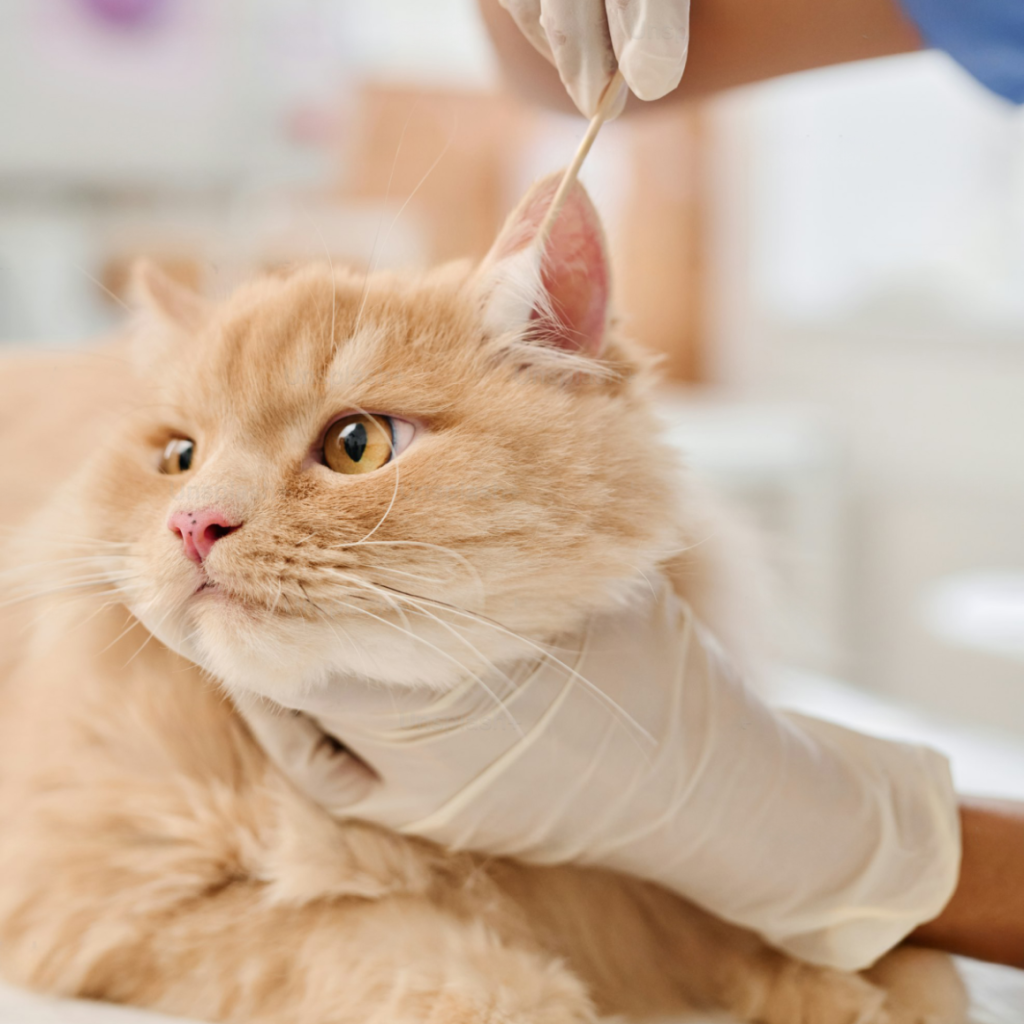
- Grooming: Regular grooming is more than just maintaining a pet’s appearance; it is integral to their health. Brushing helps to prevent matting and skin issues, while nail trimming ensures comfort and mobility. Additionally, regular ear and eye checks can detect problems early on, allowing for swift intervention.
- Behavioral Health: An overlooked component in pet health is their emotional well-being. Socialization and mental stimulation are crucial for pets to feel secure and reduce anxiety. Anxiety can lead to destructive behaviors, so activities such as training classes or interactive play can be beneficial to both mental health and bonding with your pet.
Paying attention to these components of preventive care will contribute significantly to your pet’s longevity and happiness. Each aspect serves to bolster not only physical health but emotional wellness as well, creating a balanced life for your furry companion. Moreover, working with a trusted veterinarian to regularly assess these areas will enable you to stay ahead of potential health issues, ensuring that your pet not only lives longer but thrives during their lifetime.
It is important to remember that every pet is unique. As you develop a preventive veterinary care plan, acknowledge that factors such as age, breed, and existing health conditions will influence your approach. Tailoring your strategy to fit your pet’s individual needs can be the difference between a life plagued by avoidable illnesses and a happy, vigorous existence.
| Category | Benefits |
|---|---|
| Regular Check-Ups | These appointments allow for early detection of health issues, which can lead to better outcomes. |
| Vaccination Programs | Keeping your pet current on vaccinations is key to preventing serious diseases. |
| Dental Care | Routine dental check-ups and cleanings are essential for preventing painful dental diseases. |
| Nutritional Guidance | Proper nutrition helps strengthen your pet’s immune system, supporting a longer, healthier life. |
| Parasite Prevention | Regular deworming and flea/tick prevention measures significantly reduce health risks. |
The aforementioned categories emphasize the critical elements of preventive veterinary care and how they contribute to keeping your pet healthy throughout their life. Each check-up is not merely an appointment; it is a crucial step in proactive health management. By focusing on vaccinations and preventive treatments, pet owners enhance their companions’ quality of life while mitigating the risk of serious diseases. Moreover, paying close attention to dental health and nutrition can greatly influence your pet’s longevity and vitality.Furthermore, an understanding of parasite control not only protects your pet but also contributes to public health. These holistic approaches make preventive veterinary care an essential pillar for every pet owner’s responsibility. Explore these avenues further to ensure a lifetime of wellness for your beloved pet.
LEARN MORE: Click here to discover the significance of socialization for your pet’s wellbeing
Vaccinations: A Pillar of Preventive Care
One of the cornerstones of preventive veterinary care is ensuring that your pet is up-to-date with their vaccinations. Vaccines play a crucial role in protecting pets from serious diseases such as kennel cough, parvovirus, rabies, and leptospirosis. Depending on your pet’s age, health status, and lifestyle, your veterinarian can recommend a tailored vaccination schedule.
For example, puppies and kittens typically receive a series of core vaccines in the first year, which provides immunity during their critical development stages. In adult pets, certain vaccines require booster shots, often on a yearly or triennial basis. Keeping vaccination records organized will help you stay compliant with local regulations, particularly with diseases like rabies, which can pose health risks to both pets and humans alike.
Regular Health Screenings: Detecting Issues Early
Another significant aspect of preventive veterinary care is regular health screenings. Veterinary professionals recommend annual check-ups for adult pets and bi-annual visits for senior pets. During these visits, your veterinarian will perform comprehensive examinations that include checking the heart, lungs, teeth, and overall physical condition. Blood tests can also evaluate organ function and help identify underlying health issues that may not yet be apparent.
According to the American Animal Hospital Association, early detection of conditions like diabetes, kidney disease, or thyroid dysfunction can make a remarkable difference in treatment outcomes and long-term quality of life. Moreover, many veterinary clinics now offer feline-specific and canine-specific health assessments that are finely tuned to the distinctive health risks faced by these species.
Parasite Prevention: Safeguarding Your Pet’s Health
Parasites can pose a serious threat to your pet’s health and overall well-being, which is why parasite prevention is an indispensable part of a comprehensive preventive care plan. Fleas, ticks, and heartworms can lead to various health issues, including skin irritations, allergic reactions, and life-threatening conditions like heartworm disease.
Consult with your veterinarian to determine the best preventive treatments suitable for your pet. Monthly flea and tick preventives, along with an annual heartworm test and medication, can substantially reduce the chances of infestation. It’s particularly important in the United States, where the warm climate can extend the seasons for these parasites, making prevention a year-round commitment.
Dental Care: A Window to Overall Health
Dental health often flies under the radar in discussions about preventive care, yet it is vital for your pet’s overall well-being. Poor dental hygiene can lead to gum disease, tooth loss, and even influence vital organs like the heart and kidneys. To keep your pet’s mouth healthy, consider incorporating a dental care routine that includes regular brushing, dental chews, and professional cleanings.
According to the American Veterinary Medical Association, about 80% of dogs and 70% of cats show signs of oral disease by the age of three. This statistic emphasizes why proactive measures like routine dental check-ups and home care are essential for maintaining oral health and preventing secondary health issues.
Incorporating these components into your pet’s preventive care routine not only safeguards their health but also provides peace of mind as a responsible pet owner. Being proactive today can lead to a longer, healthier tomorrow for your beloved furry companion.
DIVE DEEPER: Click here to learn about clicker training
Conclusion: The Essential Role of Preventive Veterinary Care
In summary, preventive veterinary care is not just a one-time effort but a lifelong commitment that significantly enhances the well-being of your pet. From ensuring they are up-to-date with their vaccinations to scheduling regular health screenings, caring for your furry friend involves a proactive approach to health management. Preventing diseases before they occur, recognizing warning signs early, and maintaining a complete health regimen—including parasite prevention and dental care—can make all the difference in your pet’s life.
The benefits of preventive care extend beyond physical health; they also foster stronger bonds between you and your pet, reducing anxiety around unexpected illnesses or emergencies. As pet owners in the United States, staying informed and collaborating closely with your veterinary professional is essential for crafting an individualized care plan that addresses your pet’s unique needs.
For those seeking reliable resources and guidance on preventive veterinary practices, the American Veterinary Medical Association and local veterinary clinics provide valuable support and knowledge. By prioritizing preventive care, you not only secure your pet’s health today but also lay the groundwork for a better quality of life as they age. Remember, investing in preventive care now can lead to countless joyful moments with your beloved companion in the future.
Related posts:
The Importance of Socialization in the Lives of Pets
How Sensory Enrichment Can Benefit Pets' Lives
The Importance of Parasite Control in Pet Health
Strategies to Increase Physical Activity in Pets During Winter
The Influence of Exercise Routine on the Mental Health of Pets
Signs of Stress in Pets: How to Recognize and Act

Linda Carter is a writer and pet care expert specializing in pet health, grooming, and wellness. With extensive experience helping pet owners create safe, loving, and enriching environments for their animals, Linda shares her knowledge on our platform. Her goal is to empower readers with practical advice and strategies to ensure their pets thrive and lead joyful, healthy lives.