Natural Pet Food Benefits Challenges for Animal Well-Being
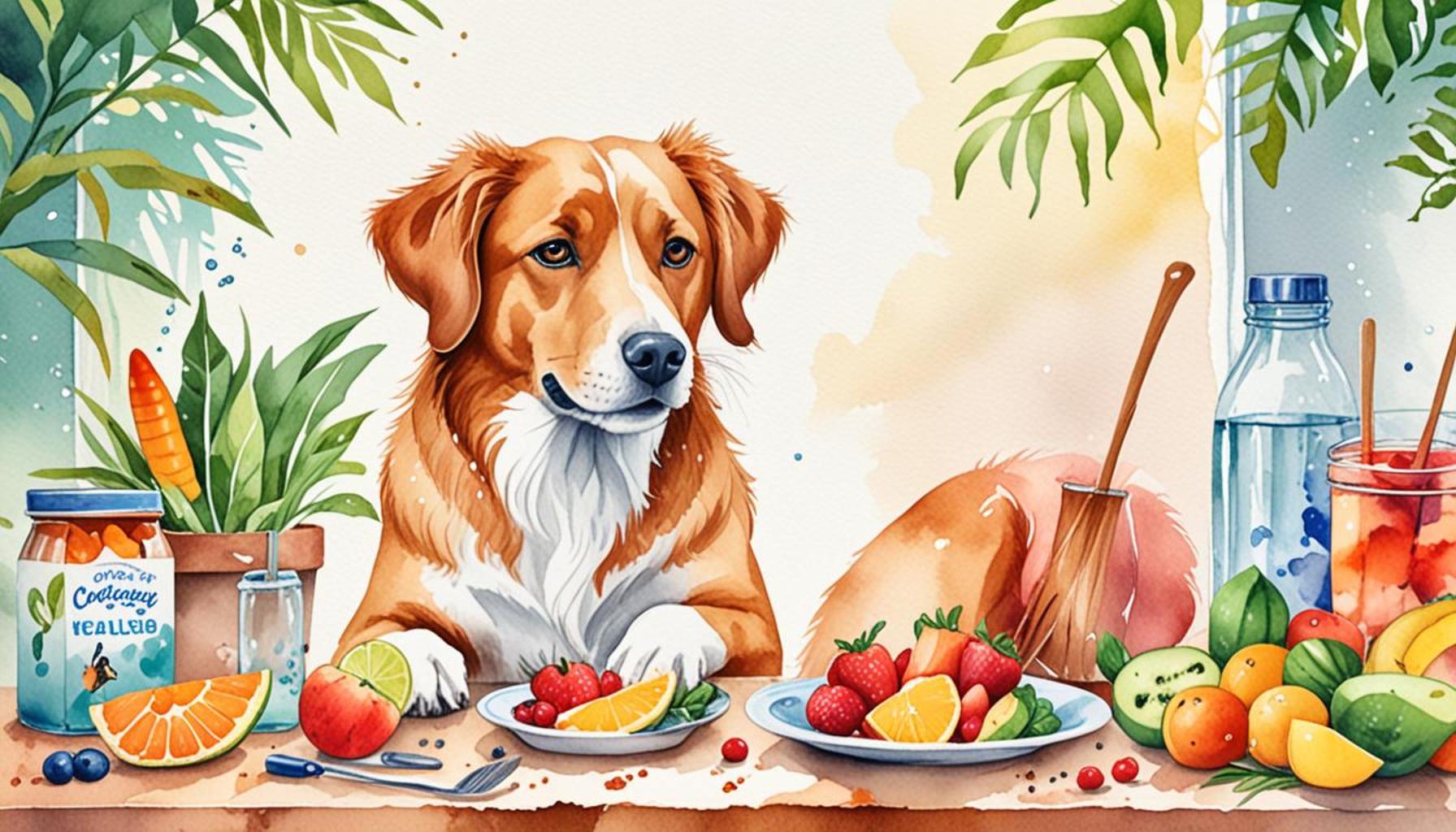
Exploring Natural Pet Food
The shift towards natural pet food has gained significant traction among pet owners seeking to improve the health and well-being of their furry companions. As more individuals become aware of the ingredients in commercial pet food, a profound interest in whole, unprocessed foods has emerged. This transition aims to address rising concerns about pet nutrition while also enhancing the overall lifestyle of our beloved animals.
Importance of Natural Diets
Incorporating natural diets into pet care holds several potential benefits:
- Improved Digestive Health: Natural foods can lead to better gut health.
- Shiny Coat and Healthy Skin: Nutrient-rich diets often result in a noticeable difference in fur condition.
- Better Weight Management: Many natural options cater to specific dietary needs.
While the advantages are compelling, these diets also come with their own set of challenges. Pet owners may struggle to find balanced meals that meet all nutritional requirements, leading to potential risks if not done correctly. Additionally, cost and availability can be significant factors hindering widespread adoption.
A Look Ahead
In this article, we’ll dive deeper into the benefits and challenges of natural pet food, wrapping up with a Top 5 list of foods that are not only nutritious but also well-received by pets. This exploration aims to empower pet owners with knowledge to make informed choices for their animal’s health.
Top 5: Natural Feeding – Benefits and Challenges for Pet Well-Being
In recent years, the concept of natural feeding for pets has gained significant traction among pet owners. With an increasing awareness of how diet impacts health and behavior, many are engaging in this nutritional approach. However, while the benefits of natural feeding can be quite compelling, there are also challenges associated with it. In this article, we will explore the five key aspects of natural feeding for pets, ranking them from fifth to first based on their significance for animal well-being.
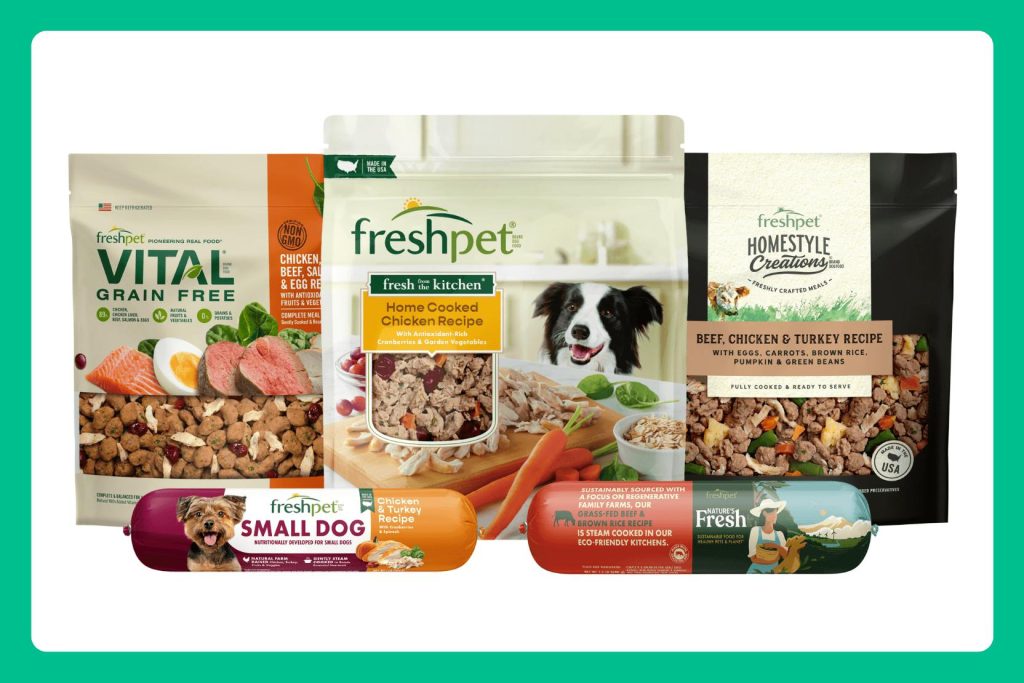
5. Understanding Nutritional Balance
The foundation of proper animal nutrition lies in the concept of a balanced diet. When transitioning to natural feeding, pet owners must grasp the delicate balance between proteins, fats, carbohydrates, vitamins, and minerals. Many pets require specific nutrient profiles that may vary widely and are not intuitively obvious. This aspect can be particularly challenging for certain breeds with unique dietary needs or medical conditions.
For instance, felines often require diets higher in protein and fat but lower in carbohydrates due to their carnivorous nature. Dogs, on the other hand, may thrive with a broader spectrum of nutrients. Proteins are critical for muscle development and repair, fats support healthy skin and coat maintenance, carbohydrates provide energy and aid in gut health, while vitamins and minerals support various bodily functions, including immune response and bone health.
Owners are encouraged to consult veterinary nutritionists or utilize reputable online resources when crafting a natural diet plan. This preventive step minimizes potential dietary deficiencies and ensures pets receive the nutritional balance they require for optimal health and longevity.
4. Quality of Ingredients
The quality of ingredients is a critical factor that can greatly influence the effectiveness of a natural diet. Not all natural foods are created equal; hence, understanding where the ingredients come from and their quality can significantly affect your pet’s health. High-quality, organic ingredients are often preferred, as they offer better health outcomes compared to those that are heavily processed or laden with preservatives.
Sourcing these ingredients from organic or trusted local farms not only provides benefits like fresher and more nutrient-dense options but also supports sustainable agricultural practices. Pet owners should be diligent in checking ingredient labels for potential contaminants, chemicals, or fillers that could negate the positive aspects of a natural diet. Choosing organic options can mitigate these risks and promote better health outcomes over time.
3. Potential Health Benefits
The appeal of natural feeding often lies in its potential health benefits, which can make a noticeable difference in a pet’s quality of life. Many pet owners have observed visible improvements in several key areas:
- Improved Coat Quality – Pets often exhibit shinier and healthier fur, indicating better skin health.
- Enhanced Digestion – Natural diets have been linked to reduced gastrointestinal issues, leading to less bloating and smoother bowel movements.
- Increased Energy Levels – Pets consuming a balanced, natural diet often show increased stamina and engage more actively in play and exercise.
- Lower Allergies – Some pets experience fewer skin irritations and allergy symptoms when switched over to diets without artificial additives or common allergens.
These health benefits not only improve the life quality of pets but can also extend their lifespan. However, it is essential to monitor each pet closely during dietary transitions, as individual responses can vary. Regular consultations with a veterinarian can help ensure adjustments are made as needed.
2. Challenges of Implementation
Despite its benefits, natural feeding presents several challenges that may discourage some pet owners from making the switch. Understanding these challenges is crucial for a successful transition and sustainable implementation. Some significant hurdles include:
- Time-Intensive – Preparing fresh meals requires substantial time and effort compared to simply filling a bowl with store-bought kibble.
- Cost – Quality organic ingredients are often more expensive, which can strain a pet owner’s budget over time.
- Knowledge Required – Owners need to acquire a fair amount of knowledge about pet nutrition to ensure that meals are balanced and nutritionally complete.
These challenges necessitate strategic planning. Many owners find meal prep schedules, bulk purchasing, and nutrient-calculator tools helpful in managing the practical aspects of natural feeding.
1. Promoting Overall Pet Well-Being
The ultimate goal of natural feeding is to enhance the overall well-being of pets. Beyond just physical health, this practice encompasses the emotional and psychological health of pets. The process of preparing meals from scratch can foster a deeper bond between pets and their owners, often leading to improved behavioral outcomes.
Pets that feel nurtured through personal care and attention may show reduced behavioral issues and develop a stronger emotional connection with their owners, enhancing the companionship dynamic. Enhanced nutrition, coupled with enriched human-pet interactions, can lead to happier and more harmonious households.
Owners who embark on the natural feeding journey often discover that despite the challenges, the rewards are invaluable. They observe a holistic improvement in their pets that transcends conventional dietary solutions, affecting behavior, health, and lifespan. In doing so, pet owners can cultivate an enriching dietary routine that nurtures their beloved companions, enhancing their health and happiness.
So why not consider embarking on this journey for the well-being of your pet? With dedication, proper knowledge, and a willingness to invest the necessary time, natural feeding can provide your pet with a healthy, fulfilling, and vibrant life.
| Category | Details |
|---|---|
| Nutritional Quality | Natural diets often contain fresh ingredients, leading to improved digestion and overall health for pets. Whole foods provide essential nutrients and can enhance the pets’ immune system. |
| Behavioral Benefits | A natural diet can positively influence behavior by reducing hyperactivity and anxiety in pets. The balance of proper nutrients tends to stabilize energy levels, promoting more calm and focused behavior. |
| Quality of Life | Providing a natural diet has shown improvements in coat health, dental hygiene, and skin conditions. Pets on these diets often exhibit signs of vitality and longevity, contributing to a higher quality of life. |
| Environmental Impact | Utilizing natural and sustainable sourcing for pet food can greatly reduce carbon footprints. Local farming and organic practices contribute to environmental wellness while providing healthy options for pets. |
The shift towards a natural feeding regimen for pets has stirred discussions about the varying advantages it brings to both animals and their surroundings. Exploring these benefits not only reveals how they enhance the well-being of pets but also underscores the interconnectedness of dietary choices and environmental consciousness. By addressing the nutritional quality, natural diets highlight the importance of fresh, whole ingredients which can lead to significant improvements in pets’ health. Research suggests that a diet rich in natural foods not only promotes better digestion but also fortifies pets’ immune systems, leaving them less susceptible to diseases.Moreover, the impact of such feeding on pets’ behavior is noteworthy. Owners often report a reduction in aggressive or anxious tendencies post-transition to natural diets. This adjustment is attributed to the balance of nutrients that can help stabilize energy levels, fostering calmness and focus in pets.The overarching influence on pets’ quality of life cannot be overlooked; a wholesome diet is closely associated with improved coat quality, vibrant skin, and overall vitality. Studies submitted to animal health journals have shown correlations between diet changes and prolonged lifespans, suggesting an enhanced emotional and physical wellness in pets that consume natural foods.Lastly, understanding the environmental implications is crucial in today’s context where sustainability is at the forefront of consumer choices. By opting for natural diets sourced from local and organic producers, pet owners contribute to ecological balance while ensuring their companions receive nourishing meals. This duality emphasizes the role of informed dietary choices, which cater not only to the health of pets but also to the health of our planet. Delving deeper into these aspects encourages further investigation into how natural pet diets can evolve and shape the future of animal health, inviting pet owners to become advocates for both their pets’ well-being and the sustainability of their environment.
Frequently Asked Questions About Natural Feeding for Pet Well-Being
What exactly is natural feeding for pets, and how is it different from commercial pet food?
Natural feeding involves providing pets with meals made from fresh, whole ingredients, often prepared at home. Unlike commercial pet food, which may contain preservatives, artificial additives, and fillers, natural feeding emphasizes the use of quality meats, vegetables, fruits, and grains. This approach is believed to be more aligned with a pet’s ancestral diet. However, it’s important to note that not all commercial foods are negative; some high-quality options offer balanced nutrition with fewer additives.
What are the primary benefits of switching my pet to a natural diet?
A natural diet can potentially lead to a range of benefits, including improved digestive health, shinier coats, increase in energy levels, and better weight management. Owners often observe a reduction in allergies and minimize risks of developing chronic diseases. Moreover, by having control over the ingredients, pet owners can tailor meals to meet the specific needs and preferences of their animal.
What are some challenges I might face when transitioning my pet to a natural diet?
Transitioning to a natural diet can present several challenges. One of the main concerns is ensuring that the diet is nutritionally complete and balanced. Pets require a specific balance of proteins, fats, carbohydrates, vitamins, and minerals, which can sometimes be tricky to achieve without expert guidance. Additionally, preparing fresh meals can be time-consuming and sometimes more expensive than purchasing commercial options. It’s advisable to consult with a veterinarian or a pet nutritionist to ensure all dietary needs are met.
How do I know if a natural diet is suitable for my pet?
Determining if a natural diet is suitable for your pet involves understanding their individual health needs, breed-specific dietary requirements, and any existing medical conditions. It’s crucial to consult with a veterinarian who can provide insights based on your pet’s health history. Some pets may thrive on a natural diet, while others with particular conditions might require special considerations or dietary adjustments. Keeping a close eye on your pet’s response to diet changes is key to evaluating its suitability.
Conclusion
In the exploration of natural feeding for pets, numerous insights unfold that illuminate both its potential and challenges. As we have assessed, natural pet diets offer a rewarding path to enhanced vitality, encompassing benefits such as improved digestion, shinier coats, and more robust immune systems. Advocates insist that such diets are a closer reflection of the ancestral nutrition of pets, providing a foundation for optimal health.
Conversely, the transition to a natural diet presents its own set of hurdles. The necessity of maintaining a balanced nutritional profile cannot be overstated, requiring careful planning and often the consultation of a professional. There’s also the logistical challenge of sourcing high-quality ingredients consistently. Another critical consideration is the economic factor; a natural diet can be costly and demands a significant time investment from pet owners.
Nonetheless, the commitment to a natural diet underscores a broader commitment to the well-being of pets, encouraging owners to engage more deeply with the intricacies of animal nutrition. While some may find synthetic diets more convenient or affordable, the growing body of evidence about the long-term benefits of natural feeding presents a compelling argument.
Ultimately, the decision lies in balancing fascination with practicalities. Meanwhile, ongoing research and dialogue in veterinary science continue to expand what we know about the impact of natural diets. Pet owners are reminded to stay informed, seek expert advice, and tailor dietary choices to the specific needs and lifestyles of their pets. Through learning and adaptation, the quest for the best possible nutrition paves the way for happier and healthier pets.
Related posts:
How Pets Contribute to an Active and Healthy Lifestyle
How Pet Presence Can Reduce Stress and Anxiety
The Relationship between Physical Exercise for Pets and the Emotional Health of Owners
The Role of Pets in Improving Their Owners' Sleep Quality
The Connection between the Presence of Animals and the Reduction of Depression Symptoms in Adults
The Impact of Pet Adoption on the Emotional Health of Adults

Linda Carter is a writer and pet care expert specializing in pet health, grooming, and wellness. With extensive experience helping pet owners create safe, loving, and enriching environments for their animals, Linda shares her knowledge on our platform. Her goal is to empower readers with practical advice and strategies to ensure their pets thrive and lead joyful, healthy lives.