Essential Tips to Prepare Your Home for a New Pet Arrival
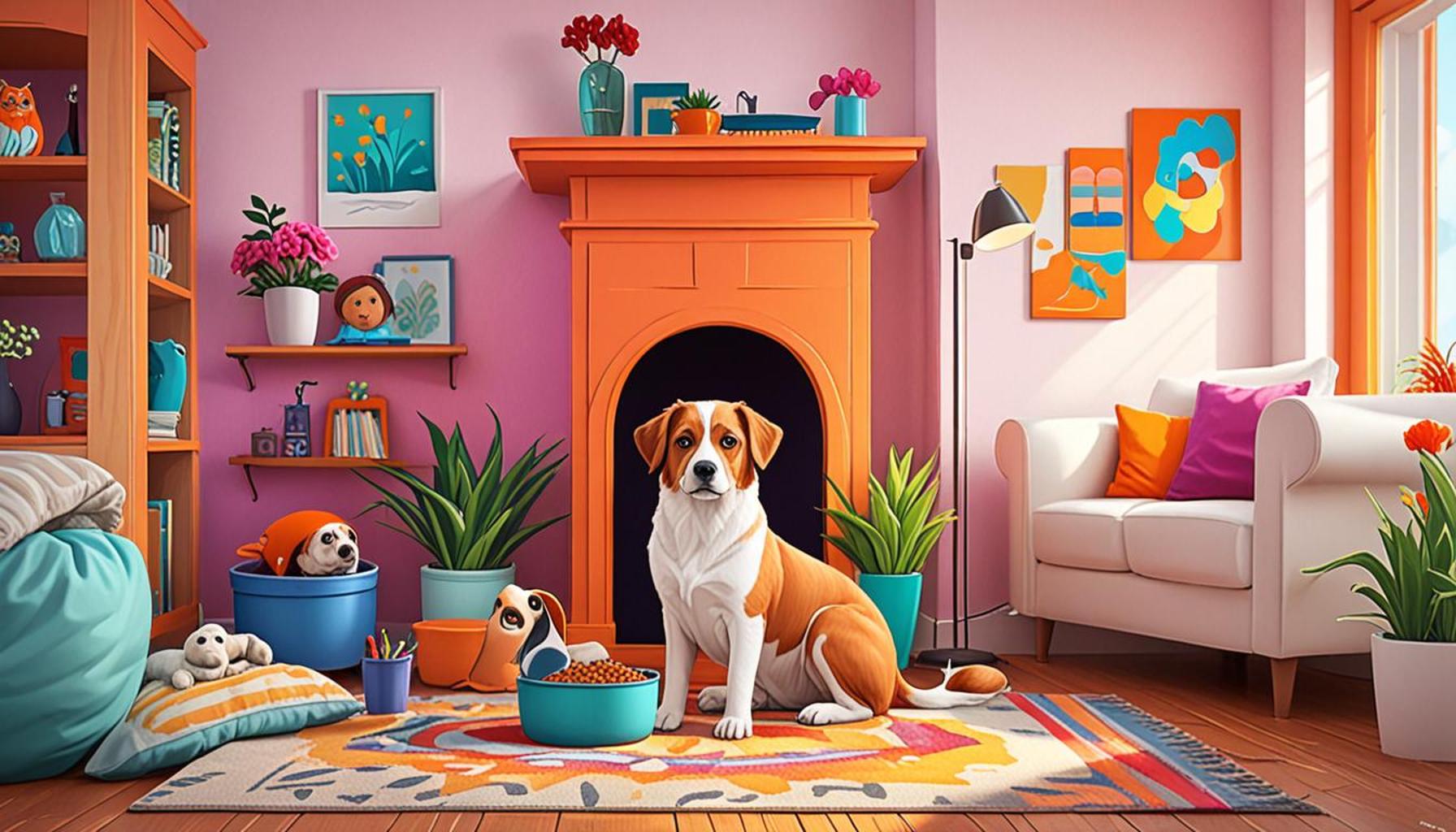
Welcoming a new pet into your life is a joyful occasion, but it also requires careful preparation to ensure a smooth transition. This is especially true as pets bring both love and a unique set of challenges that can affect your home. Understanding how to properly prepare your living space is vital to creating a safe and welcoming environment for your future furry companion.
Consider the following reasons for making your home pet-ready:
- Safety: Eliminating hazards and setting boundaries will protect both your pet and your belongings.
- Comfort: Your pet should feel secure in their new environment, making it essential to provide cozy spaces and familiar items.
- Behavior Management: Preparing ahead helps to align your pet’s behaviors with household routines, ensuring a harmonious coexistence.
In the following sections, we will explore the Top 5 Essential Tips to help you make your home a pet-friendly haven. Each tip is designed to enhance your pet’s comfort and well-being while easing the integration process. Let’s dive into these essential preparations!
Top 5 Essential Tips for Preparing Your Home for a New Pet
Welcoming a new pet into your home is an exhilarating journey filled with joy, responsibility, and numerous rewarding moments. As thrilling as it may be, this transition requires careful arrangement and thoughtful consideration to ensure your living space is suitably prepared for your incoming furry family member. From devising a serene sanctuary for them to stocking up on necessary items, each step you take will make your home a more welcoming and secure environment. Let’s delve deeper into these tips to facilitate a smooth integration for both you and your pet.
5. Secure Your Home Environment
The primary step in making your home pet-friendly is ensuring it is devoid of potential hazards. Our homes, although seemingly harmless to us, can hold several risks for animals, particularly curious ones. Pets are naturally inquisitive, and their newfound surroundings will trigger their exploration instincts quickly. It is crucial to identify and eliminate dangers that might jeopardize their safety.
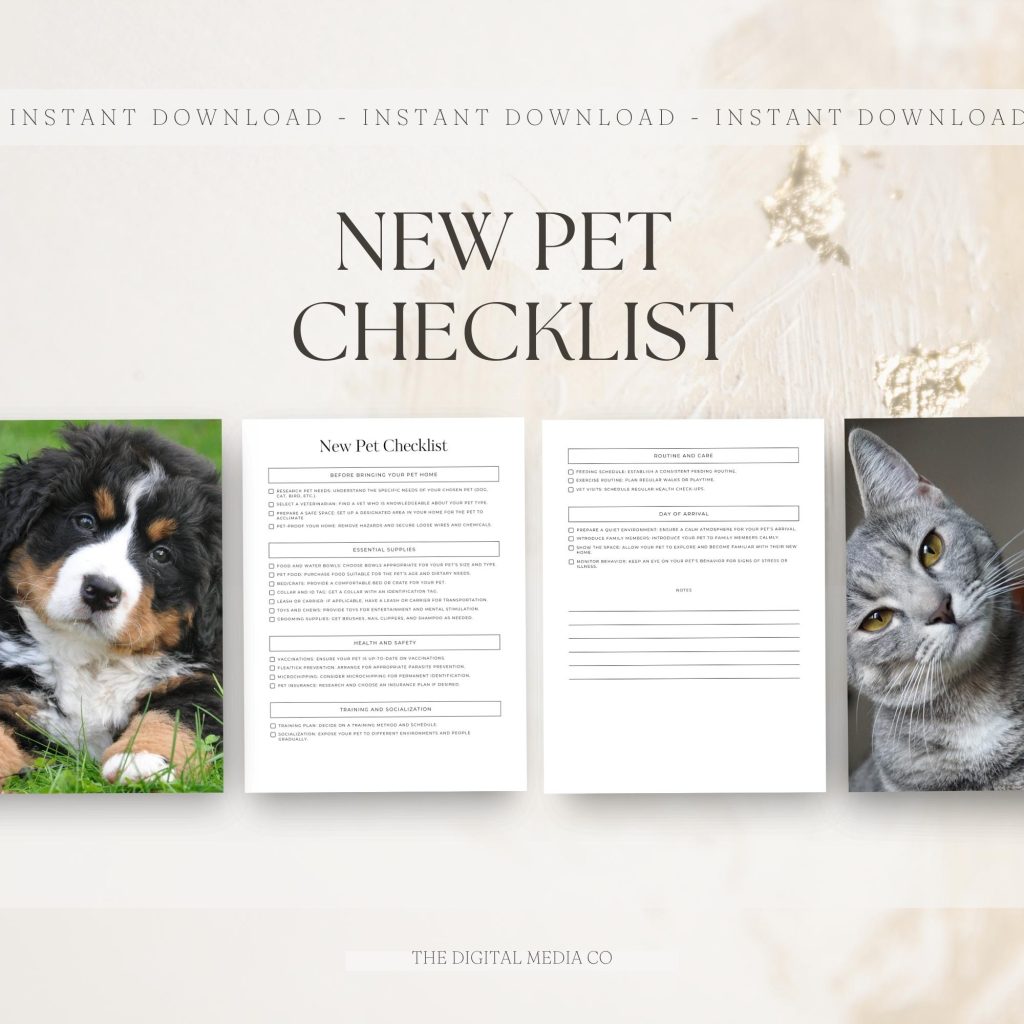
- Electrical cords: These resemble fun chew toys to many pets. By taping them down or concealing them with cord protectors, you mitigate the risk of electric shock and injury. Moreover, for tech-heavy households, investing in pet-safe cable boxes can help manage clusters of wires.
- Small objects: Seemingly innocuous items like coins, paperclips, and toys parts can turn into choking hazards. Regularly inspect floors and accessible surfaces, especially in areas your pet can explore.
- Medications and cleaning supplies: Many household products are toxic if ingested. Positions such as under the sink or atop counters are unsuitable. Use locked cabinets or high shelves to keep such substances out of reach. Opt for pet-safe cleaning supplies whenever possible to further reduce risks.
Thoroughly pet-proofing your home is not only crucial for their safety but also helps foster an adaptable environment where pets can thrive without fear of injury or illness.
4. Designate a Pet Area
Pets, much like humans, need a space to call their own. By offering a dedicated zone, you’re giving your new pet a sanctuary where they can relax and feel secure. This area acts as a refuge for them to retreat whenever the new environment feels overwhelming.
While crafting the ideal pet space, keep in mind the following:
- Minimal foot traffic: Choose a location where household members seldom congregate. This minimizes stress and allows them to sleep or rest easily.
- Size-appropriate bedding: Invest in a bed that suits their size comfortably. A well-chosen bed provides physical support, promoting good health, especially for older pets or those with joint issues.
- Toys: Incorporate toys that stimulate both their body and mind. Rotating toys periodically can keep their environment dynamic and engaging.
Creating a personalized area not only gives your pet a sense of stability but also assists in establishing boundaries within their new home. It contributes significantly to their mental and emotional well-being.
3. Stock Up on Essential Supplies
Before your pet steps foot—or paw—into their new domain, equipping yourself with the right tools is crucial. Being well-prepared with essential supplies ensures that basic needs are taken care of, paving the way for a smoother acclimatization process.
- Food and water bowls: Opt for durable and easy-to-clean materials. Stainless steel or ceramic bowls are preferred over plastic, which can harbor bacteria and cause allergies.
- Pet food: Understanding the nutritional requirements specific to your pet’s breed, age, and health is vital. Consult with a vet to select the most suitable diet to ensure they receive a balanced range of nutrients.
- Comfortable bedding: Choose hypoallergenic materials to keep unwanted allergies at bay. A good bed also helps in managing their temperature regulation.
- Leash and collar or harness: Ensure that these items fit properly to avoid discomfort and ensure safety during outdoor excursions.
- Toys: Toys help in mental stimulation, ensuring pets do not become bored or disruptive. They can also aid in behavioral training and bonding.
- Grooming tools: Depending on your pet’s breed, their grooming needs will vary. Research and invest in the necessary combs, brushes, or shampoos.
- Identification tags: Tags are crucial in case your pet gets lost. Include updated contact information to facilitate a swift reunion.
Acquiring these items beforehand means you’re less likely to encounter unexpected frustrations or delays, ensuring a seamless transition for all.
2. Prepare for Training and Socialization
A pivotal aspect of pet ownership involves integrating them into your daily routine. Training is an investment in your pet’s long-term happiness and safety, establishing expected behavior and boundaries.
Effective training consists of:
- Formal training classes: Seeking professional guidance can be beneficial, especially for first-time pet owners or when encountering stubborn behavioral issues.
- Gradual socialization: Introduce them to new experiences and other pets or children slowly. Overwhelming them with too many stimuli at once can engender fear or anxiety.
- Positive reinforcement: Rewarding desired behaviors with treats, affection, or playtime encourages them to repeat these behaviors and strengthens your bond with them.
Tailoring a training strategy to their unique character traits and needs is essential. This approach not only facilitates a harmonious household but also enriches your pet’s life.
1. Consult a Veterinarian Before Arrival
Your pet’s health is paramount. Before officially introducing them into your home, arranging a veterinary visit ensures you commence this journey with a comprehensive understanding of their health requirements.
During this consultation, delve into topics such as:
- Dietary needs: The veterinarian can recommend an optimal diet plan, taking into account any breed-specific or individual health considerations your pet may have.
- Preventative care: Discuss necessary vaccines, flea and tick prevention, and spaying or neutering. These steps not only protect your pet but also contribute to population control and animal welfare.
- Recognizing signs of illness: Being able to identify early symptoms of illness can save your pet’s life. Your vet can provide details on what to watch out for and when to seek immediate help.
Initiating a relationship with a trusted veterinarian allows you to access resources and advice critical for your pet’s well-being, establishing a lasting health care plan.
In embracing these comprehensive steps, you align yourself with ensuring not just your pet’s comfort, but their holistic health and happiness. This approach fosters an environment where both your family and your new pet can create cherished memories together. The commitment you extend now sets a foundation for a fulfilling lifelong companionship.
| Category | Description |
|---|---|
| Safety Measures | Ensure that sharp objects, chemicals, or toxic plants are out of reach. A pet-proof home not only protects your new furry friend but also prevents potential accidents. |
| Designated Spaces | Create a comfortable and inviting area for your pet with a cozy bed, toys, and personal items. This will help establish a sense of belonging and security in their new environment. |
| Hygiene Preparations | Invest in cleaning supplies such as pet-friendly shampoo and cleaning solutions. Maintaining hygiene is crucial to keeping your home fresh and healthy for both you and your new pet. |
| Socialization Opportunities | Prepare your home by welcoming visitors and other pets, giving your new companion the chance to socialize. This can enhance their temperament and lead to a more balanced behavior. |
When preparing your home for a new pet, ensuring safety comes first. It’s essential to thoroughly check for any hazards that could endanger your new companion. Consider removing any unsecured cords, electrical outlets, or harmful substances that could pique the curiosity of your pet. By implementing safety measures like securing cabinets and using childproof locks, you can create a secure environment where your pet can explore freely without putting themselves at risk.Establishing designated spaces for your pet significantly impacts their transition. This area should provide comfort, safety, and a sense of ownership. Incorporating familiar items such as blankets or toys can further ease the adjustment process. Additionally, staying attentive to their reactions and preferences can help in tailoring their space to meet their needs.Hygiene is another critical component for pet care. By arming yourself with appropriate hygiene preparations, such as suitable cleaning products and grooming tools, you can create a clean living environment. Regular cleaning routines will not only ensure that the air remains fresh but also contribute to your pet’s well-being. Remember that a clean space positively influences their behavior and health.Lastly, consider the socialization aspect. By preparing for socialization opportunities, you facilitate a smoother adjustment for your new pet. Organizing playdates with friendly animals or inviting family and friends over allows your pet to acclimate to new experiences and build confidence. The more they interact with people and other pets, the more adaptable they will become in various social settings. Taking these steps ensures your new family member feels welcomed and cherished as they settle into their new home.
Frequently Asked Questions: Preparing Your Home for a New Pet
What should I do first when preparing my home for a new pet?
Before bringing a new pet home, it is essential to create a welcoming and safe environment. Start by assessing the spaces in your house where the pet will spend most of its time. Remove any hazardous items, such as small objects, toxic plants, or wires that could be chewed on. Additionally, set up a designated area for your pet with necessary supplies like food, water, toys, and a comfortable sleeping space.
How can I ensure my home is safe for a pet?
Safety is paramount when introducing a new pet to your home. Secure loose wires, keep cleaning products and medications out of reach, and consider using baby gates to block off restricted areas. For pet-proofing, use cabinet locks where needed, and check for escape routes. Remember, curiosity can lead to mischief, so regular checks will help maintain a secure environment.
Are there specific items I should have ready before bringing a pet home?
Yes, having a few essential items will make the transition smoother for both you and your pet. Essentials include a suitable diet and feeding bowls, a bed, grooming tools, and a pet-specific first aid kit. Depending on the type of pet, you may also need litter supplies or a leash. Being well-prepared helps your pet feel at home right from the start.
How can I introduce my pet to its new environment effectively?
Give your new pet ample time to explore their new surroundings at their own pace. Avoid overwhelming them by introducing the home gradually and limiting initial exposure to a few rooms. Encourage positive interactions with family members and provide plenty of love and attention. Praise and rewards can help foster a sense of security and happiness in their new environment.
What if I already have other pets at home?
Introducing a new pet to existing pets requires careful planning. Initially, keep them separated and allow them to become familiar with each other’s scent. Use a neutral space for their first meeting and monitor their interactions closely. Remember, patience and positive reinforcement are key to building harmonious relationships between your pets.
Conclusion
In anticipation of welcoming a new pet into your home, taking steps to prepare adequately can make the transition smoother and more enjoyable for both you and your new companion. By covering essential aspects such as safety, comfort, cleanliness, educational tools, and ensuring a supportive environment, you’re setting a solid foundation for a healthy and enriching relationship with your pet.
Safety is paramount, as pets are naturally curious and prone to explore. Safeguarding your home by removing hazardous items and securing loose cables can prevent potential accidents. Providing a comforting space equipped with cozy bedding and toys is crucial for making your pet feel at home. In addition, maintaining cleanliness with regular grooming and designated areas for meals and waste will help manage hygiene and establish a routine.
Moreover, incorporating educational tools such as training aids or interactive toys can stimulate your pet mentally and physically, fostering a well-behaved and happy animal. Finally, building a supportive environment that includes family involvement and possibly other pets can ease the newcomer into their surroundings, promoting a sense of belonging and reducing stress.
By following these guidelines, you not only ensure the well-being of your new pet but also enrich your own experience as a pet owner. The preparation process is as much about educating yourself as it is about transforming your space, and it serves as the first step in a rewarding journey with your pet. This investment of time and attention underscores its importance in nurturing a loving and joyful companionship. As you embark on this exciting chapter, you’ll discover that every effort made today sets the stage for countless cherished memories tomorrow.
Related posts:
How to Deal with Separation Anxiety in Adopted Pets
How to Establish Effective Communication with Your Adopted Pet
How to Understand the Behavior of Your Adopted Pet: Signs and Needs
How to Create an Exercise Routine for Adopted Pets: Maintaining Health and Energy
Integrating an Adopted Pet into Your Family: Strategies for a Smooth Adjustment
How to Create a Safe and Welcoming Environment for Adopted Pets

Linda Carter is a writer and pet care expert specializing in pet health, grooming, and wellness. With extensive experience helping pet owners create safe, loving, and enriching environments for their animals, Linda shares her knowledge on our platform. Her goal is to empower readers with practical advice and strategies to ensure their pets thrive and lead joyful, healthy lives.