Growth Mindset and Resilience: Learning from Mistakes to Strengthen Character

Understanding the Growth Mindset
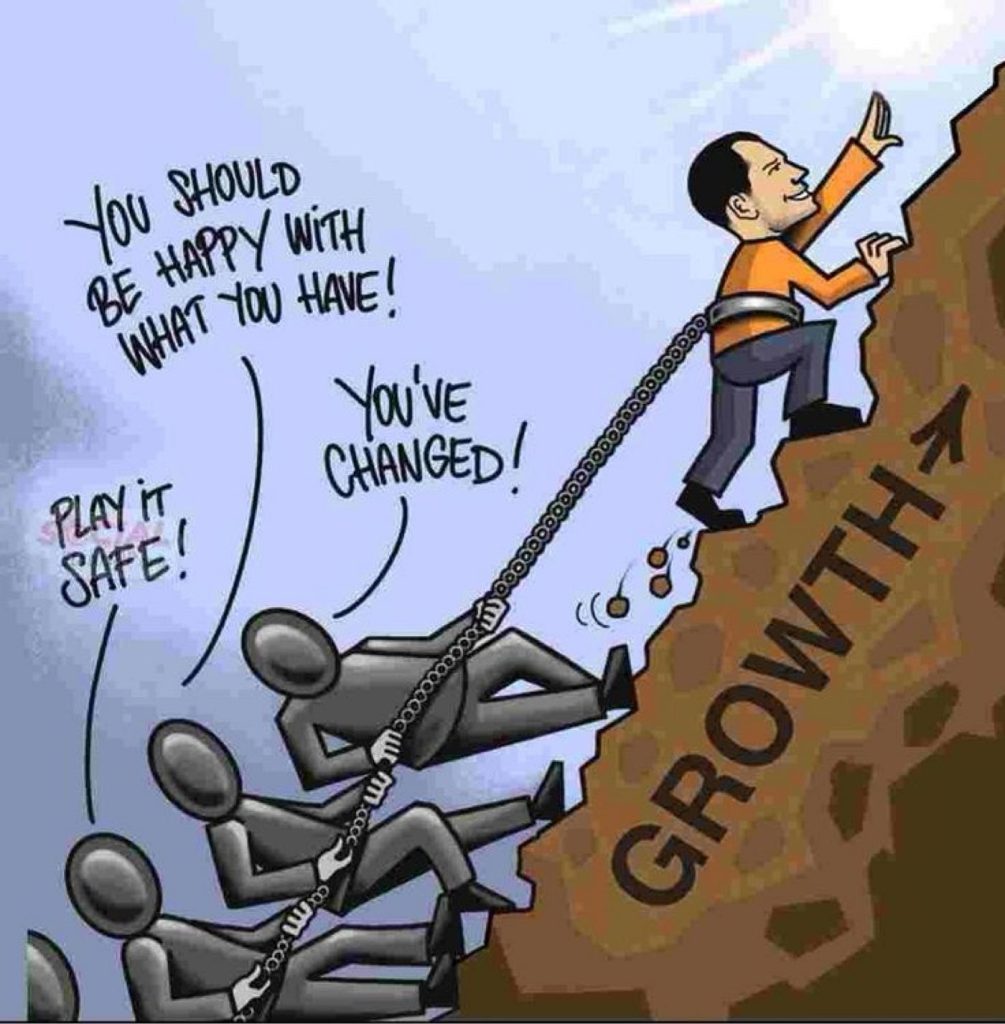
In life, many individuals often find themselves grappling with a mix of successes and failures. Our perception of these experiences often delineates the path of our personal and professional development. One powerful concept that has gained traction in recent years is the notion of having a growth mindset. Coined by psychologist Carol Dweck, this term encapsulates the belief that our abilities and intelligence can be developed through dedication, effort, and, importantly, experience. This mindset positions challenges as a bridge to self-improvement rather than as obstacles to avoid.
Embracing Challenges
The first key feature of a growth mindset is the willingness to embrace challenges. For instance, consider the story of J.K. Rowling, who experienced numerous rejections before her manuscript for “Harry Potter and the Philosopher’s Stone” was finally accepted. Instead of giving in to despair, she used the setbacks to refine her writing skills and ultimately forged a legacy that resonates with millions. This highlights how facing challenges head-on can yield incredible outcomes.
Learning from Failures
Another aspect of this mindset involves viewing failures as opportunities for learning and improvement. When athletes lose a match, for example, the best often analyze their performance, identifying weaknesses and areas for growth. This proactive approach not only enhances their skills but builds a resilient mentality, setting the stage for future successes. The overwhelming consensus is that failures, rather than defining us, serve as stepping stones to reach our potential.
The Importance of Resilience
If the growth mindset propels us forward, then resilience fortifies our journey, acting as a critical buffer against the inevitable adversities we encounter. Resilience manifests itself in various ways. Individuals exhibiting a strong sense of optimism can maintain a positive outlook even when circumstances appear dire. For example, healthcare workers during the COVID-19 pandemic displayed remarkable resilience, adapting to unprecedented challenges while continuing to support their communities.
Setting Realistic Goals
Resilience also requires the ability to set realistic goals and take actionable steps toward achieving them. Many successful entrepreneurs, such as Howard Schultz of Starbucks, faced numerous hurdles before achieving their vision. By breaking their journeys into manageable milestones, they were able to gauge progress, celebrate small victories, and maintain motivation, even amidst setbacks.
Building Social Connections
Lastly, enduring social connections are integral to fostering resilience. Communities provide a support system that enriches personal growth, especially during times of difficulty. Engaging with mentors, friends, or family can lead to shared experiences and insights that empower individuals to tackle challenges more effectively.
In summary, nurturing a growth mindset accompanied by resilience is crucial in navigating the complexities of life. This journey of self-discovery not only fosters individual development but cultivates a culture of perseverance and bravery within communities. So, as you reflect on your own experiences, consider how a shift in perspective could unlock new possibilities and define your path toward personal growth.
DISCOVER MORE: Click here to delve deeper
How Growth Mindset Fuels Resilience
Understanding the growth mindset is only part of the equation; the real magic happens when individuals harness this perspective to build resilience. Resilience, in simple terms, is the capacity to recover quickly from difficulties. It is this tenacity that allows individuals to transform their mistakes into valuable lessons that can enhance character and foster a more fulfilling life. As we dive deeper, it becomes evident that resilience is not just a trait but a skill that can be cultivated through practice and intention.
The Role of Positive Self-Talk
One of the most effective strategies in developing a resilient mindset is the practice of positive self-talk. This technique involves consciously challenging negative thoughts and replacing them with affirming statements. For example, instead of thinking “I failed at that task,” one might reframe the thought to “I learned something valuable from this experience.” Research has shown that this simple shift can significantly enhance an individual’s outlook, helping them to perceive setbacks as opportunities for growth.
Overcoming Adversity: Real-Life Examples
The presence of resilience is often best illustrated through real-life narratives. Consider the story of Oprah Winfrey, who faced numerous challenges throughout her life, including a tumultuous childhood and professional setbacks. Each adversity she encountered only fueled her determination to succeed, allowing her to create an empire. By learning from her mistakes and leveraging her experiences, she exemplifies how a growth mindset, paired with resilience, can yield extraordinary results.
Key Strategies for Building Resilience
Developing resilience goes beyond mere positive thinking; it encompasses various strategies aimed at enhancing one’s ability to recover from setbacks. Here are a few powerful methods:
- Practicing mindfulness: Embracing mindfulness techniques, such as meditation and deep-breathing exercises, helps individuals stay grounded, reducing anxiety and promoting emotional clarity.
- Maintaining a growth-oriented perspective: Actively focusing on growth can encourage individuals to view challenges as catalysts for improvement rather than threats.
- Seeking feedback: Embracing constructive criticism stimulates personal development, encouraging individuals to reevaluate their approaches and adapt accordingly.
- Building a support network: Forming connections with others who share similar goals creates a sense of community that can nurture resilience and foster motivation.
In conclusion, the intertwining concepts of growth mindset and resilience offer a powerful framework for personal and character development. By adopting a proactive approach to facing challenges, individuals can significantly enhance their ability to bounce back from setbacks. This transformative journey ultimately empowers individuals to embrace mistakes as stepping stones for growth, reinforcing the belief that our potential is not fixed but continuously evolving.
Building Resilience Through a Growth Mindset
A growth mindset is essential in fostering resilience, as it encourages individuals to view challenges as opportunities for learning rather than insurmountable obstacles. When people embrace the idea that their abilities and intelligence can be developed with effort and persistence, they are more likely to tackle difficulties head-on. This perspective enables them to bounce back with greater strength after experiencing setbacks. To illustrate this, consider renowned figures like Thomas Edison, who famously stated, “I have not failed. I’ve just found 10,000 ways that won’t work.” Such mindset transforms mistakes into stepping stones toward eventual success. By analyzing failures, individuals gain valuable insights that make them more adept in future endeavors, inherently strengthening their character.Moreover, cultivating resilience requires developing emotional regulation—an understanding of one’s emotions when facing challenges. Training oneself to maintain a positive outlook during tough times can significantly impact one’s ability to recover. The practice of mindfulness and reflection are potent tools here; they help clear mental clutter, enabling a more focused approach when learning from past experiences.
The Role of Support Systems
Another critical element in combining a growth mindset with resilience is the presence of supportive relationships. Friends, family, mentors, and colleagues can provide encouragement and constructive feedback that reinforce an individual’s belief in their capacity to grow. This support system not only offers emotional aid but also exposes individuals to different perspectives on handling failure, broadening their toolkit for resilience.In educational settings, teachers who foster a growth mindset in their classrooms can have a profound impact on students’ ability to face challenges. By praising effort over innate ability and framing mistakes as learning opportunities, educators can help students develop greater perseverance.Having a robust support network and a growth-oriented environment prepares individuals to confront adversity with confidence and flexibility. In this regard, the interplay between a growth mindset and resilience can shape an individual’s character, making them more robust in the face of life’s inevitable challenges.
DIVE DEEPER: Click here to uncover the power of challenges
Cultivating a Culture of Growth and Resilience
A critical element in fostering both a growth mindset and resilience lies within the environments we create—be it in families, schools, or workplaces. Cultivating a culture that embraces learning from mistakes not only strengthens individual character but can also elevate collective resilience. Institutions that prioritize growth-oriented practices often witness greater innovation, collaboration, and satisfaction among their members.
The Power of Failure in Education
In the American education system, traditional approaches often view failure as something to be avoided at all costs. However, progressive educational models advocate for the integration of failure as a vital component of the learning process. For instance, schools implementing project-based learning encourage students to test hypotheses and embrace missteps, viewing them as essential to understanding complex concepts. Research from the University of Pennsylvania has demonstrated that students who engage in this kind of experiential learning develop not only academic skills but also resilience, as they learn to adapt and persevere through challenges rather than shy away from them.
Workplace Dynamics and Resilience
Similarly, in the corporate world, companies that adopt a growth mindset approach create environments where employees feel safe to share ideas, take risks, and make mistakes without fear of punitive repercussions. A study conducted by The Harvard Business Review found that organizations promoting a culture of psychological safety—not only tolerate but actively encourage failure—see higher engagement levels among employees. Workplaces that celebrate resilience through practices like regular feedback sessions and collective problem-solving foster a sense of camaraderie that aids individuals in overcoming obstacles together.
Resilience Training Programs
Many organizations are recognizing the necessity of resilience training in their professional development programs. These tailored workshops teach individuals cognitive-behavioral techniques to help reframe negative thought patterns and build mental toughness. Training sessions that include role-playing scenarios and stress management techniques equip participants with effective tools to handle adversity. Furthermore, according to the American Psychological Association, such training not only helps individuals to better cope with stress but also enhances overall job performance and satisfaction.
The Intersection of Growth Mindset and Emotional Intelligence
The relationship between a growth mindset and emotional intelligence adds another layer to resilience. People who are emotionally intelligent understand their emotions and can manage them effectively, especially during challenging times. By cultivating emotional intelligence, individuals become better equipped to navigate setbacks and develop a more resilient outlook. Skills such as empathy, self-regulation, and social awareness are essential for interpreting feedback and adapting behaviors—critical components for transforming failures into lessons learned.
Moreover, valuable connections formed through empathy and understanding can lead to robust networks of support. By leaning on these networks in difficult times, individuals not only bolster their resilience but also strengthen the character of their communities, further reinforcing the importance of learning from mistakes.
Ultimately, the evolving interplay between a growth mindset, resilience, and the environment we create influences how effectively individuals learn from their mistakes and emerge stronger, more capable, and ready for future challenges.
DISCOVER MORE: Click here to learn how to set effective goals
Conclusion
In a rapidly evolving world, the concepts of growth mindset and resilience serve as powerful tools for personal and collective development. As we’ve explored, the embrace of mistakes as learning opportunities fosters not only individual character but also enhances the resilience of entire communities. Social structures—be it in education systems, workplaces, or families—play a pivotal role in shaping attitudes towards failure, and those that cultivate a nurturing atmosphere are better equipped for innovation and collaboration.
The intersection of emotional intelligence and resilience underscores the importance of awareness in navigating setbacks. Individuals who develop emotional competencies are more likely to perceive challenges positively, enabling them to convert potential downfalls into stepping stones for growth. Moreover, the initiation of resilience training programs within organizations highlights a commitment to mental well-being—a crucial investment as work environments continually shift.
Ultimately, understanding and applying the principles of a growth mindset not only promote sustained personal growth but also create a ripple effect, uplifting the collective resilience of communities. As we reflect on the lessons drawn from our mistakes, we must recognize that these experiences are not merely obstacles to overcome; rather, they provide invaluable insights that can shape our character and fortify our resolve for future challenges. In embracing this philosophy, we empower ourselves and those around us to face life’s uncertainties with confidence and determination.
Related posts:
Resilience Strategies in Times of Crisis: How a Growth Mindset Facilitates Adaptation and Overcoming
The impact of a growth mindset on building resilient support networks
Daily Practices to Strengthen Resilience: Growth Mindset Techniques That Can Be Incorporated into Ro...
Developing Resilience Through Empathy: Interpersonal Connections and Growth Mindset
How the practice of gratitude can strengthen resilience in individuals with a growth mindset
The Role of Self-Efficacy in Building Resilience: Applying Growth Mindset Techniques

Linda Carter is a writer and growth mindset specialist with expertise in cognitive development and resilience training. With extensive experience helping individuals transform limiting beliefs and unlock their potential, she shares practical mindset strategies on our platform. Her goal is to empower readers with science-backed techniques to cultivate adaptability, embrace challenges, and achieve continuous personal and professional growth.