Learning Goals: Strategies to Enrich the Educational Experience and Promote a Growth Mindset
Transforming Educational Experiences
Education is not just about acquiring knowledge; it is about fostering a mindset that embraces growth and resilience. Implementing learning goals effectively can shape this transformative journey for students. By strategically outlining clear objectives, educators can motivate learners to strive for improvement and navigate challenges with greater ease.
Why Focus on Learning Goals?
Learning goals play a pivotal role in the educational landscape, providing myriad benefits that enhance the learning experience. For instance, these goals offer:
- Clarity: They define what students need to achieve, creating a roadmap for success. When students are aware of what is expected, it dispels ambiguity and allows for focused effort.
- Ownership: By encouraging students to take responsibility for their learning, they become active participants rather than passive recipients. This ownership instills a sense of pride and accountability.
- Growth Mindset: Learning goals promote perseverance and adaptability when faced with setbacks. For example, students who encounter challenges in mathematics are more likely to approach problem-solving with resilience if they understand that mastery takes time and effort.
When students grasp the objectives set before them, they can concentrate their efforts on achieving specific outcomes. This clarity cultivates a sense of purpose, significantly enhancing engagement and inspiring a continuous quest for knowledge. Studies show that when students are clear about their learning goals, their motivation increases, which can lead to higher academic performance.
Strategies to Enrich Learning
Implementing various strategies can significantly enhance educational experiences and support the achievement of learning goals. Some compelling methods include:
- Collaborative Learning: This method encourages peer support and the sharing of diverse perspectives. For instance, group projects allow students to learn from each other’s strengths and viewpoints, fostering team spirit and collective problem-solving skills.
- Goal Setting Workshops: These workshops guide students in defining personal academic targets, making the process of setting and achieving goals a shared responsibility. For example, high school students can be taught to create SMART (Specific, Measurable, Achievable, Relevant, Time-bound) goals, which can be powerful motivators.
- Regular Feedback: Providing constructive insights helps students track their progress. Timely feedback can serve as a catalyst for improvement and encourage students to reflect on their learning process.
As we explore these strategies, the potential for enriched educational experiences and the promotion of a growth mindset becomes evident. By creating environments where students are empowered to take charge of their learning, educators can revolutionize teaching and learning in classrooms across the United States. This transformation not only benefits students academically but also equips them with essential life skills, preparing them to face future challenges with confidence and resilience.
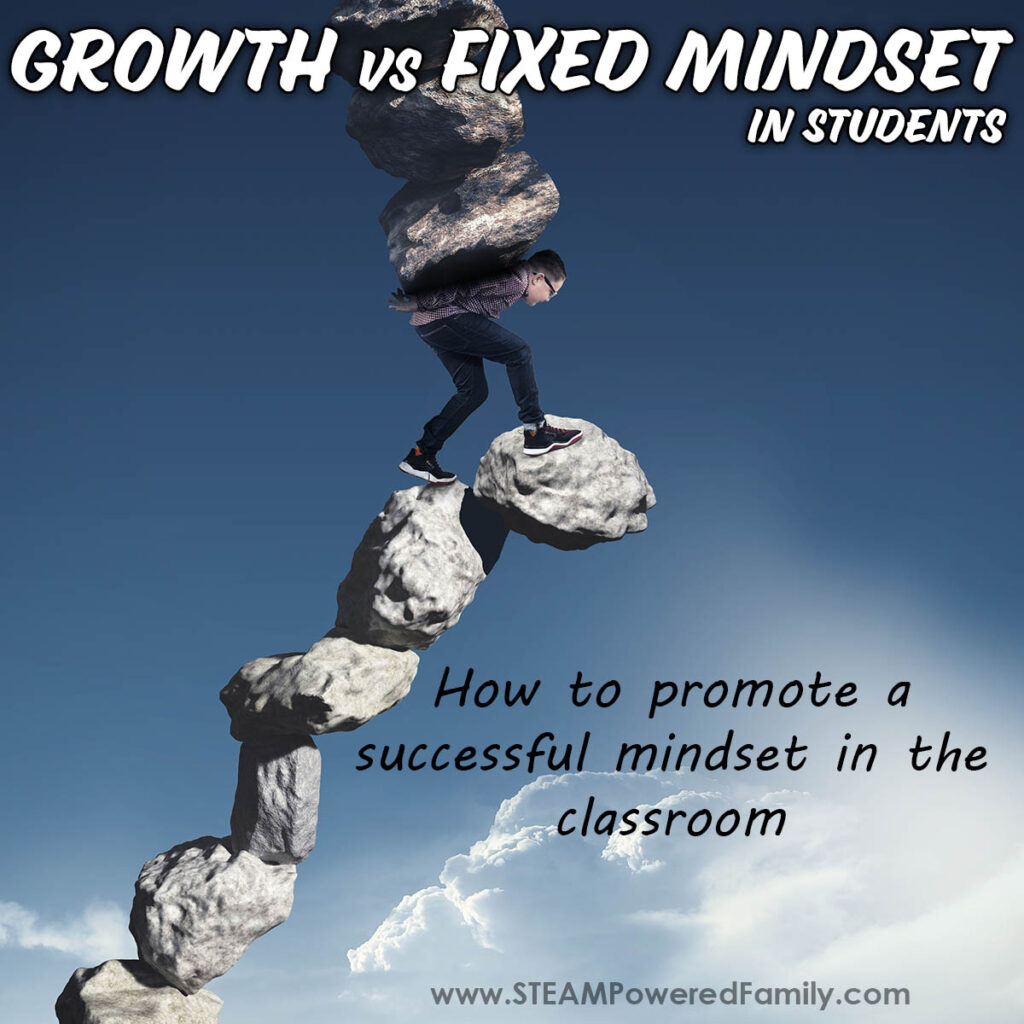
In conclusion, the strategic implementation of learning goals paired with robust teaching methodologies paves the way for a transformative educational experience. By highlighting clarity, ownership, and a growth mindset, we can create classrooms that not only educate but also inspire the leaders of tomorrow.
DISCOVER MORE: Click here to learn about building resilience
Empowering Students Through Clear Objectives
The foundation of an enriching educational experience lies in the establishment of solid learning goals. These goals serve as guiding stars, illuminating the path that students must navigate during their academic journey. They create an environment where learners not only absorb information but also cultivate critical thinking and problem-solving skills. This foundational aspect of education fosters a profound sense of purpose and clarity. For educators, it is essential to understand how aligning their teaching strategies with clearly defined learning goals can significantly enhance student engagement and success.
Creating a Framework for Success
To effectively implement learning goals, educators must develop a framework that encompasses several key components. Here are some strategies that have been proven to enrich the educational experience and promote a growth mindset:
- Alignment with Standards: Aligning classroom learning objectives with state and national standards ensures that students are not only meeting the expectations of their curriculum but are also being prepared for assessments and future educational endeavors. By grounding their goals in established guidelines, teachers can instill a sense of structure and purpose.
- Student Collaboration: Engaging students in collaborative goal-setting activities enhances their sense of ownership over their learning journey. When students work together to set goals, they share responsibility and leverage each other’s strengths. This social dynamic fosters a supportive environment where students feel encouraged to overcome obstacles together.
- Incorporating Technology: Utilizing digital tools and platforms to track and visualize goals can greatly enhance engagement. For instance, apps that allow students to set, monitor and reflect on their academic targets can create a more dynamic learning experience. Technology can bridge gaps in communication and help students remain accountable.
The implementation of these strategies enables educators to create a robust learning environment where students can thrive. For instance, by using collaborative projects, teachers can enhance students’ communication skills and critical thinking abilities. Projects that require teamwork can lead to innovative solutions and a deeper understanding of the subject matter.
Encouraging a Reflective Practice
In addition to goal setting, it is crucial for students to engage in reflective practices. An ongoing dialogue about what they are learning, how they are progressing toward their goals, and what challenges they face can greatly benefit their educational journey. Encouraging students to regularly assess their understanding and skills helps them become more aware of their growth and areas needing improvement. Research indicates that reflective practices lead to deeper learning and a likelihood of adopting a growth mindset.
As students cultivate this reflective habit, they learn to appreciate the process of learning itself rather than merely focusing on the final outcome. This shift in perspective empowers them to approach challenges with a sense of curiosity and tenacity. The road to mastery becomes less daunting as they recognize that every setback is a stepping stone toward achievement.
In summary, the establishment of clear learning goals accompanied by responsive teaching strategies creates a fertile ground for educational enrichment. By focusing on alignment, collaboration, and reflection, educators can inspire a growth mindset that prepares students for lifelong learning and resilience in the face of challenges.
In the pursuit of enriching the educational experience, it is crucial to explore innovative strategies that effectively foster a growth mindset among learners. This approach not only enhances academic performance but also instills a lifelong love for learning. One notable strategy is the incorporation of project-based learning, which encourages students to engage in real-world challenges. By aligning learning objectives with practical applications, students develop critical thinking and problem-solving skills that are essential for success beyond the classroom.
Another vital strategy is the use of formative assessments that guide and inform both teaching and learning. Unlike traditional assessments, formative assessments provide timely feedback, allowing students to identify their strengths and areas for improvement. This ongoing feedback loop encourages learners to persist when faced with difficulties, thereby cultivating a resilient mindset. Teachers can utilize tools like peer assessments and reflective journals to promote self-awareness and self-regulation in their students.
Furthermore, integrating technology in education can significantly enhance the learning experience. Utilizing educational platforms and applications enables personalized learning, where students can progress at their own pace. This flexibility caters to diverse learning styles and fosters independence, making students more invested in their education. With these strategies, educators can create a dynamic learning environment that not only promotes academic success but also encourages students to embrace challenges as opportunities for growth.
| Educational Approach | Key Features |
|---|---|
| Project-Based Learning | Engages students in real-world problems. |
| Formative Assessments | Provides timely feedback and promotes resilience. |
| Technology Integration | Supports personalized learning and fosters independence. |
These strategies are not merely theoretical; they have demonstrated significant impacts in various educational settings. As we delve deeper into the topic of learning goals and strategies, it becomes clear that fostering a growth mindset is essential for preparing students for the complexities of the modern world. Schools that innovate and adapt to these strategies will likely see a transformation in their students, nurturing not only academic excellence but also well-rounded individuals equipped for future challenges.
DISCOVER MORE: Click here to learn about the benefits of positive reinforcement
Fostering Engagement Through Diverse Learning Strategies
To further enrich the educational experience and promote a growth mindset, educators must explore a variety of teaching methodologies tailored to different learning styles. Utilizing diverse instructional strategies not only keeps students engaged but also addresses the unique needs of each learner in the classroom. By differentiating their approach, teachers can inspire students to take ownership of their learning, setting the stage for deeper understanding and sustained motivation.
Incorporating Real-World Applications
One effective way to make learning goals resonate with students is to incorporate real-world applications into classroom discussions. This ties theoretical knowledge to practical experiences, enhancing relevancy. For example, in a mathematics class, teachers can present problems rooted in everyday scenarios, such as budgeting for a school event or calculating the distance for a planned field trip. This bridging of theory to practice allows students to see the value of their education beyond the classroom.
Differentiated Instruction
Differentiated instruction is another vital strategy that actively engages students by tailoring learning experiences to their individual needs, strengths, and interests. This approach could include offering various assignments based on students’ learning preferences, or it could involve flexible group work where peers support one another’s learning. For instance, auditory learners might benefit from podcasts related to the subject matter while visual learners may prefer infographics or videos. By diversifying instructional methods, educators support a broader range of learning pathways, thus reinforcing students’ confidence and ability to succeed.
Gamification and Interactive Learning
Integrating gamification into lesson planning can also serve to enhance engagement. Incorporating elements of play—like rewards, challenges, and game-like scenarios—makes learning appealing and immersive. Research has shown that gamified approaches can significantly increase motivation and engagement levels. For example, teachers can utilize educational games that align with learning goals, allowing students to earn points or badges as they progress. An interactive classroom environment encourages a sense of fun in learning, which can lead to a stronger connection with the material being studied.
Feedback and Assessment as Learning Tools
Continuous feedback is crucial in nurturing a growth mindset. When assessments are framed as opportunities for learning rather than mere judgments of performance, students are more likely to embrace and act upon critique. Educators can use formative assessments, such as quizzes or reflective journals, to gauge understanding progressively. These assessments provide valuable insights into student progress, allowing both teachers and students to pinpoint areas for improvement. Furthermore, encouraging students to give and receive peer feedback fosters a sense of community and shared responsibility for learning.
Moreover, incorporating self-assessment practices allows students to take charge of their educational journey. By reflecting on their goals and performance, they develop a heightened sense of awareness about their learning processes. Students can set new goals based on their progress, leading to greater motivation and responsibility in their pursuit of knowledge.
By harnessing these varied instructional strategies, educators can create a dynamic and enriching learning environment. This multifaceted approach not only addresses diverse learning styles but also ignites a passion for learning, encouraging students to embrace challenges, develop resilience, and ultimately adopt a growth mindset as a lifelong learner.
LEARN MORE: Click here to discover the significance of resilience
Conclusion: Embracing a Holistic Approach to Learning
In conclusion, establishing learning goals that enrich the educational experience while promoting a growth mindset requires a multifaceted approach that caters to the diverse needs of students. By employing varied instructional strategies such as real-world applications, differentiated instruction, gamification, and continuous feedback, educators can not only engage their students but also empower them to take ownership of their learning journey. This empowerment fosters resilience and encourages students to view challenges as opportunities for growth.
Furthermore, embracing a culture of self-assessment and peer feedback cultivates a collaborative environment where students support one another and actively participate in their educational development. Implementing these strategies can lead to a lasting impact, as students develop critical thinking skills and a deeper connection to the material, ultimately reinforcing the idea that learning is a lifelong pursuit. As we move forward, it is essential for educators to remain open to adapting their teaching techniques and to continuously seek innovative ways to inspire and motivate learners.
In a rapidly changing world, the ability to nurture a growth mindset in students is more crucial than ever. As such, educators and stakeholders must commit to creating engaging, relevant, and inclusive learning environments that uphold the principle of lifelong learning. By investing in strategies that enhance educational experiences, we can ensure that students are not only academically equipped but also mentally prepared to navigate future challenges with confidence and creativity.
Related posts:
The Connection Between Short-Term Goals and the Development of a Sustainable Growth Mindset
Boost Resilience Adaptation with Short-Term Goal Setting in Learning
How Setting Goals Can Boost Resilience and Persistence in Challenges
The Role of Goals in Building Positive Habits and Developing a Sustainable Growth Mindset
The Importance of Setting SMART Goals to Foster a Growth Mindset
How Goal Setting Can Stimulate Self-Discipline and Focus in Young Adults

Linda Carter is a writer and growth mindset specialist with expertise in cognitive development and resilience training. With extensive experience helping individuals transform limiting beliefs and unlock their potential, she shares practical mindset strategies on our platform. Her goal is to empower readers with science-backed techniques to cultivate adaptability, embrace challenges, and achieve continuous personal and professional growth.