The Role of Goals in Building Positive Habits and Developing a Sustainable Growth Mindset

Setting the Stage for Success
In today’s fast-paced world, the pursuit of personal and professional success often hinges on the ability to create and maintain positive habits. One significant factor that fuels this process is the establishment of clear, actionable goals. By setting goals, individuals can not only track their progress but also cultivate a growth mindset that allows for continuous development.
Why Goals Matter
Goals play a pivotal role in shaping habits and fostering a resilient mentality. Here’s how:
- Direction: Goals provide a clear sense of direction, helping individuals know what steps to take next. For instance, a high school student aiming for a scholarship may set academic performance targets, guiding their study habits and extracurricular involvement.
- Motivation: Setting specific goals fuels intrinsic motivation, pushing people to stay committed to their plans. Athletes often embody this principle; a marathon runner might aim to finish a race in under four hours. This objective not only inspires rigorous training but also strengthens mental resolve as they pursue the goal.
- Measurable Progress: Goals enable individuals to measure progress, reinforcing positive behaviors and encouraging growth. In a workplace setting, sales professionals might set monthly targets, allowing them to assess their performance and refine their strategies accordingly.
Across the United States, individuals frequently set goals related to various facets of their lives, including career aspirations, educational achievements, and personal wellness. According to a study by the Dominican University of California, people who write down their goals are 42% more likely to achieve them compared to those who merely think about their aspirations. This striking statistic underscores the importance of transforming nebulous ambitions into concrete plans that lead to action.
The link between goal-setting and the development of positive habits is vital in navigating today’s challenges. For instance, a person aiming to adopt a healthier lifestyle might set a goal to exercise three times a week, leading to a routine that ultimately fosters better physical and mental health. Setting realistic and attainable goals ensures that individuals are not overwhelmed, helping them build confidence as they succeed.
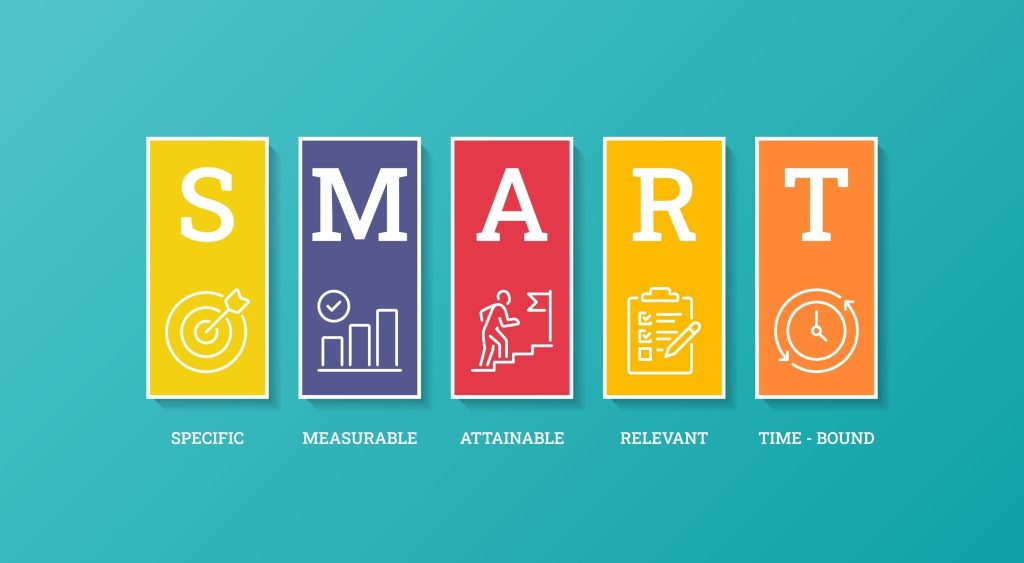
As we delve deeper into the nuances of effective goal-setting, we will uncover how aligning goals with daily actions can lead to sustainable growth and a robust mental framework. By examining strategies such as the SMART criteria (Specific, Measurable, Achievable, Relevant, Time-bound) and the practice of regular reflection, individuals can enhance their goal-setting prowess and subsequently improve their overall life satisfaction.
DIVE DEEPER: Click here to learn how short-term goals can enhance resilience
The Importance of Goal Alignment
To truly harness the power of goals in cultivating positive habits, individuals must focus on goal alignment. This concept refers to the idea that goals should not exist in isolation; they need to resonate with a person’s core values, aspirations, and day-to-day actions. When goals align with personal values, individuals are more likely to find motivation and satisfaction in pursuing them, which is essential for developing a sustainable growth mindset.
Research shows that a strong correlation exists between goal clarity and the formation of positive habits. In fact, a study published in the Journal of Applied Psychology highlighted that individual commitment to their goals significantly enhances the likelihood of following through with new habits. Here are some key principles of goal alignment:
- Personal Relevance: Setting goals that reflect personal values ensures that individuals remain passionate about their pursuits. For instance, someone who values creativity may set a goal to complete a painting each month, blending personal interests with their aspirations.
- Incremental Milestones: Establishing smaller, incremental goals allows individuals to experience frequent wins. For example, a recent college graduate seeking a promotion might first aim for additional responsibilities at work, which can build momentum and confidence leading to the desired job advancement.
- Flexibility: While it is important to remain committed to goals, flexibility in adjusting them is equally crucial as circumstances change. An entrepreneur facing unexpected market shifts might recalibrate their targets or strategies to adapt and ensure continued growth.
The integration of these principles creates an environment where individuals can thrive by pursuing goals, reinforcing positive habits, and maintaining a resilient mindset. This holistic approach encourages constant reflection; individuals learn to value the journey as much as the end goals themselves. Rather than focusing solely on the outcomes, individuals who embrace this process find joy in everyday actions that lead them closer to their aspirations.
Moreover, it is essential to recognize that external factors often impact personal goal-setting. In the United States, the fluctuating economy poses challenges for numerous professionals. However, by maintaining a goal-oriented approach, individuals can circumvent obstacles by adapting their goals or exploring new opportunities. A software developer, for example, may pivot their aspirations to include learning data science, catering to the increased demand for tech skills in a competitive job market.
As we continue to explore the role of goals in shaping positive habits and a growth mindset, it becomes evident that intentionality and adaptability are vital elements in this process. By understanding and applying effective principles of goal alignment, individuals position themselves favorably to cultivate a mindset conducive to long-term success and fulfillment.
The Role of Goals in Cultivating Positive Habits
Setting goals is a pivotal strategy in fostering positive habits. When individuals establish clear objectives, they create a roadmap to success, which is essential in maintaining motivation and direction. Goals serve as a motivational beacon that guides individuals through their daily routines, reinforcing their commitment to achieving desired outcomes. As people consistently work towards their goals, they develop strong habits associated with those pursuits. For instance, someone who sets a goal to exercise regularly will likely establish a routine, gradually integrating physical activity into their lifestyle. This process demonstrates how targeted aspirations lead to transformative lifestyle changes.Moreover, research indicates that specific and challenging goals lead to higher performance when compared to easy or vague goals. When individuals encounter challenges on their path, these defined goals enable them to persist, adapting their approaches while remaining focused on the end result. This adaptability is crucial in developing resilience, a key component of a sustainable growth mindset. Through the practice of consistently setting and revisiting goals, individuals reinforce their beliefs in their capabilities, ultimately improving self-efficacy.
The Link Between Growth Mindset and Achieving Goals
A growth mindset, characterized by the belief that abilities can be developed through dedication and hard work, aligns seamlessly with the concept of goal setting. Individuals with a growth mindset view challenges as opportunities for growth, which complements the goal-achieving process. They are more likely to set ambitious goals and approach obstacles with a learning attitude. Studies show that those who adopt a growth mindset persist longer in the face of difficulties, further demonstrating how such a mindset can enhance goal accomplishment.In this context, it becomes evident that goals not only act as catalysts for habit formation but also cultivate a growth-oriented framework. This interdependence fosters an environment where individuals can thrive, embracing setbacks as integral learning experiences rather than failures. As they achieve small milestones toward their goals, it solidifies their belief in progress, thereby perpetuating a cycle of positive habit formation and a robust growth mindset.
| Goal Types | Impact on Mindset |
|---|---|
| Performance Goals | Drive individuals to improve skills, enhancing resilience. |
| Learning Goals | Encourage exploration and adaptability, promoting a growth mindset. |
This dual approach of harnessing the power of goals alongside fostering a growth mindset empowers individuals on their journey towards self-improvement. Engaging with these concepts nurtures a holistic development process, laying the foundation for sustained success and fulfillment.
DIVE DEEPER: Click here to discover more
Strategies for Effective Goal Setting
When it comes to shaping positive habits and fostering a sustainable growth mindset, employing effective goal-setting strategies can make all the difference. These strategies not only help in defining clear objectives but also enable individuals to recognize their progress, thereby reinforcing positive behaviors and mindsets. Here are some robust strategies that can guide individuals in setting and achieving their goals:
- S.M.A.R.T. Goals: One of the most well-known frameworks for effective goal setting is the S.M.A.R.T. criteria—Specific, Measurable, Achievable, Relevant, and Time-bound. For instance, instead of setting a vague goal such as “I want to get fit,” an individual might articulate their goal as “I will run a 5K in under 30 minutes by October.” This specificity helps in maintaining focus and tracking progress, fostering a sense of accomplishment as milestones are reached.
- Visual Progress Tracking: Visual aids play a powerful role in reinforcing positive habits. Using tools like habit trackers, vision boards, or apps tailored for goal supervision can enhance motivation and accountability. Research indicates that individuals who visualize their progress tend to stay more committed to their goals, as they can see tangible evidence of their effort.
- Accountability Partners: Sharing goals with trusted friends or mentors can amplify motivation and encourage consistency. An accountability partner can provide feedback, celebrate achievements, and offer words of encouragement during challenging times. The social aspect of goal achievement can foster a sense of community, contributing to a more resilient mindset.
Furthermore, the role of reflections and reviews cannot be understated. Taking time to assess progress regularly allows individuals to identify what strategies are working and where adjustments may be necessary. Engaging in periodic self-assessment can help individuals stay aligned with their core values, ensuring that their goals remain relevant and inspiring.
The Impact of Mindfulness on Goal Achievement
In the quest to achieve goals and nurture a growth mindset, the incorporation of mindfulness practices can yield significant benefits. Mindfulness promotes awareness of one’s thoughts, feelings, and impulses, equipping individuals with the tools necessary to manage setbacks and remain focused on their goals. A study from the University of California found that individuals who practiced mindfulness exhibited greater resilience in the face of challenges, demonstrating that mindfulness can enhance goal achievement.
For example, an individual attempting to build a daily writing habit might integrate mindfulness techniques such as setting aside quiet time to reflect on their motivations and progress. By becoming aware of distractions or negative self-talk that could derail their ambitions, they can address these challenges head-on, thereby reinforcing their commitment to growth.
Moreover, aligning mindfulness with goal-setting encourages individuals to cultivate patience and compassion for themselves. This mindset shift allows for a more forgiving approach when encountering difficulties, fostering a sense of continuity rather than an intermittent push towards completion. In essence, as individuals learn to navigate the unpredictability of their journey, they may find that their goals transform into sustainable pursuits rather than fleeting aspirations.
Through the combination of effective goal-setting strategies and mindfulness practices, individuals can pave the way toward a fulfilling growth journey. As they embody the principles of alignment, resilience, and intentionality, they become not only active participants in their own development but also advocates for a broader culture of positivity and continuous improvement.
DISCOVER MORE: Click here to deepen your understanding
Conclusion
In summary, the relationship between goal-setting, positive habits, and a sustainable growth mindset is profound and multidimensional. As we navigate the complexities of personal and professional development, the importance of setting clear, actionable goals cannot be overstated. S.M.A.R.T. criteria serve as a powerful framework that not only clarifies one’s aspirations but also transforms vague intentions into specific, manageable actions. By employing tools such as visual progress tracking and accountability partners, individuals reinforce their commitment while enhancing their motivation and resilience.
Moreover, the integration of mindfulness practices elevates this journey, equipping individuals to better manage setbacks and embrace the learning process. By cultivating awareness and compassion towards oneself, the potential for growth becomes not just an abstract concept but a lived experience. Mindfulness encourages a deeper connection with the trajectory of one’s goals, allowing for a more forgiving attitude toward challenges that may arise along the way.
Ultimately, as individuals commit to their growth journeys with intentionality and reflection, they transform their goals into sustainable pursuits that foster an ongoing cycle of improvement and fulfillment. This evolution shapes not only personal trajectories but also contributes to a collective culture of positivity and resilience. By recognizing the role of goals in building effective habits and promoting a growth-oriented mindset, we take significant steps towards living our most authentic and impactful lives.
Related posts:
How to Turn Failures into Learning: The Definition of Goals as a Growth Tool
Goal-Setting Strategies to Overcome Procrastination and Foster a Growth Mindset
How Clear Goal Setting Fuels Personal Growth in a Growth Mindset
The Relationship between Long-Term Goals and Intrinsic Motivation in a Growth Mindset
The Importance of Setting SMART Goals to Foster a Growth Mindset
How Goal Setting Can Increase Self-Efficacy in Competitive Environments

Linda Carter is a writer and growth mindset specialist with expertise in cognitive development and resilience training. With extensive experience helping individuals transform limiting beliefs and unlock their potential, she shares practical mindset strategies on our platform. Her goal is to empower readers with science-backed techniques to cultivate adaptability, embrace challenges, and achieve continuous personal and professional growth.