Positive Reinforcement and Its Role in Promoting Self-Confidence in Students with a Growth Mindset

The Importance of Positive Reinforcement in Education
In an educational landscape where student success is paramount, positive reinforcement has emerged as a crucial strategy. This approach not only acknowledges achievements but also actively fosters a sense of self-worth in students. Particularly for those embracing a growth mindset, understanding how positive reinforcement can elevate their confidence is essential.
What exactly is positive reinforcement? At its core, it involves various techniques that encourage desired behaviors by providing supportive feedback. It includes:
- Verbal praise: Encouraging words about a student’s effort serve as powerful motivators. For example, a teacher might say, “I’m really proud of how hard you worked on that project,” emphasizing the value of effort over innate ability.
- Reward systems: Many classrooms implement structured reward systems, where students earn points or tokens for achieving specific goals or completing assignments. This not only tracks progress but also sparks a friendly competition among students, making learning more engaging.
- Constructive feedback: Guidance should focus on improvement and progress rather than merely pointing out errors. For instance, instead of saying, “This is wrong,” a teacher could say, “This response shows a good understanding; here’s how you might build on it.” This method reinforces the idea that mistakes are stepping stones to success.
Research consistently indicates that when students receive recognition for their efforts, especially during challenging tasks, their motivation increases significantly. In fact, studies have shown that classrooms implementing positive reinforcement strategies see a notable reduction in behavioral issues and an increase in academic performance. This combination of recognition and a growth mindset creates a powerful environment where:
- Resilience: Students learn to bounce back from setbacks. They come to understand that encountering difficulties is a natural part of the learning process, thus leading to a more robust approach to challenges.
- Risk-taking: With increased confidence, students become more willing to try new approaches. They venture out of their comfort zones, whether by participating in class discussions or taking on complex assignments.
- Long-term success: Ultimately, confidence nurtured through positive reinforcement leads to continued academic and personal growth. Students who feel appreciated are more likely to pursue higher education and become lifelong learners.
Understanding the dynamic between positive reinforcement and self-confidence offers valuable insights for educators and parents alike. It becomes evident that creating a nurturing atmosphere not only benefits students academically but also prepares them for future social interactions and career opportunities. As we delve deeper into this article, we will explore practical strategies and real-life examples that showcase how educators and parents can create an environment that truly champions student potential. Through implementing positive reinforcement, we can pave the way for a more encouraging and effective educational experience for all students.
DISCOVER MORE: Click here to uncover valuable insights
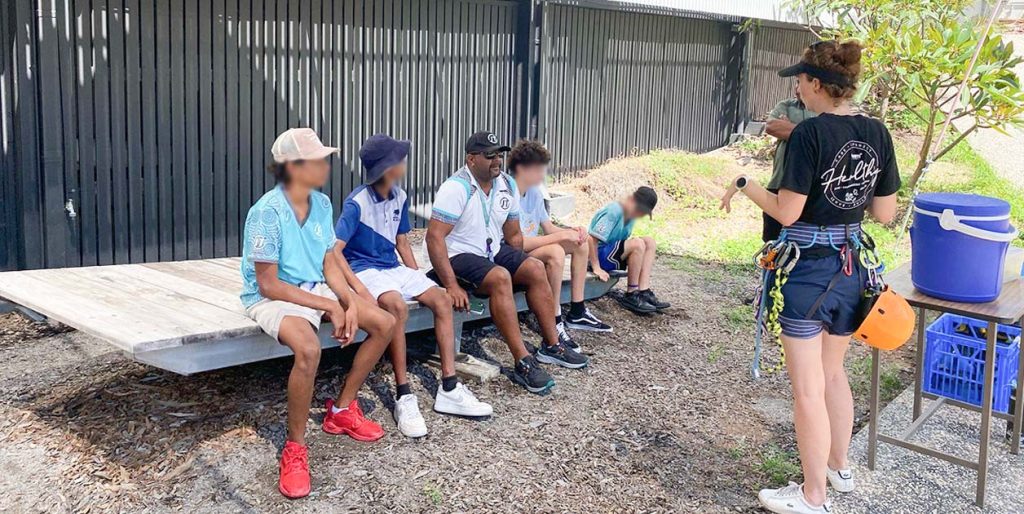
Creating a Supportive Environment through Positive Reinforcement
To understand the transformative power of positive reinforcement, it is vital to delve into its influence on cultivating a healthy learning environment. Such environments are characterized by mutual respect, encouragement, and the belief that every student can improve through effort and perseverance. A central pillar in this process is the promotion of a growth mindset, a term popularized by psychologist Carol Dweck. This mindset emphasizes the importance of viewing challenges as opportunities for growth rather than as insurmountable obstacles.
The application of positive reinforcement strategies allows educators to shape an atmosphere conducive to self-confidence and resilience. When students receive consistent encouragement and praise for their progress, they learn to view their abilities as malleable. Here are several key areas where positive reinforcement plays a significant role:
- Encouragement of Effort Over Ability: By focusing on the process rather than the outcome, teachers can help students appreciate the value of hard work. For instance, when a student struggles with a math problem but persists, a teacher might comment, “I admire your determination; this is how we learn!” This type of acknowledgment reinforces the notion that effort leads to improvement.
- Celebration of Small Wins: Recognizing and celebrating even minor achievements can significantly enhance a student’s confidence. For example, a teacher could set short-term goals for a reading assignment and reward students who meet those goals with praise or tokens. This not only acknowledges their success but also maintains motivation.
- Fostering a Safe Space for Mistakes: Making errors is an integral part of the learning process. Positive reinforcement helps to frame mistakes as valuable lessons. An educator can effectively communicate this by saying, “That’s a great mistake was and now we know how to tackle it next time!” This approach encourages students to take risks and learn without the fear of judgment.
Data from educational research highlights that students who experience frequent positive reinforcement are more likely to exhibit confidence in their abilities. A study conducted by the National Center for Education Statistics found that classrooms that implemented positive feedback mechanisms reported higher student engagement and lower dropout rates. Interestingly, these findings reinforce the idea that when students feel supported, they are not only motivated academically but also develop vital interpersonal skills.
Additionally, the correlation between self-confidence and academic success cannot be overstated. When students believe in their capabilities, they actively seek challenges that further their learning. In environments rich in positive reinforcement, students often display improved problem-solving skills and enhanced critical-thinking abilities. This ripple effect highlights the broader implications of fostering self-confidence in students, extending beyond academics into their social and emotional development.
As we further explore the nuances of positive reinforcement in education, it becomes essential to consider strategies that parents and educators can implement to nurture self-confidence in students. By creating a structured approach to praise and recognition, we can cultivate a generation of learners who not only excel academically but also embrace personal growth.
| Advantages | Impacts on Self-Confidence |
|---|---|
| Increased Motivation | Positive reinforcement leads to higher levels of engagement as students are more likely to participate actively in their learning. |
| Enhanced Resilience | When students experience positive feedback, they build resilience, learning to overcome obstacles and view challenges as opportunities for growth. |
In addition to fostering an environment where students feel supported, positive reinforcement is pivotal in developing a growth mindset. For instance, praising effort rather than just achievement encourages students to embrace challenges, enhancing their perception of intelligence as something that can be developed. This shift in perspective ignites curiosity and persistence, making students more likely to tackle new subjects or difficult problems.Moreover, the implementation of formal strategies like reward systems can also significantly amplify self-confidence. By focusing on progress and growth, students begin to recognize their capacities, which could further inspire them to engage in what could be deemed as ‘risky’ academic endeavors. Additionally, teachers or mentors who consistently highlight improvements bolster the students’ belief in their capabilities, creating a positive cycle of engagement and achievement.The relationship between positive reinforcement and a growth mindset underscores the importance of creating supportive educational environments. As we delve deeper into this subject, we see how these elements intertwine, significantly influencing the educational framework and student outcomes.
DISCOVER MORE: Click here to enhance your resilience
Implementing Positive Reinforcement Strategies in the Classroom
To effectively utilize positive reinforcement in the classroom, educators must adopt specific strategies that resonate with their students. The goal is to create an atmosphere where self-confidence flourishes through a consistent, structured approach to feedback and recognition. Several practical methods can be applied to amplify the impact of positive reinforcement while maintaining a focus on cultivating a growth mindset.
- Personalized Feedback: Providing individualized feedback tailored to each student’s strengths and areas for improvement can significantly enhance their self-esteem. For instance, rather than generic praise, teachers can make specific comments like, “You’ve really improved your writing skills; your last essay had great structure and clarity.” This specificity not only boosts confidence but also helps students understand what they did well and how to build on it.
- Peer Recognition Programs: Implementing peer-led initiatives such as “shout-out boards” can foster a culture of positive reinforcement among students. These boards allow classmates to acknowledge each other’s efforts and successes, promoting a sense of community and collective growth. When students hear positive feedback from their peers, it can be even more impactful than from adults, contributing to enhanced self-confidence.
- Incorporating Technology: With the rise of educational technology, digital platforms can serve as excellent tools for positive reinforcement. Programs that track progress and allow for instant feedback, such as online quizzes and learning games, help students visualize their growth in real-time. This immediate recognition reinforces the idea that learning is a journey marked by incremental achievements.
Furthermore, consistent application of these strategies can yield measurable benefits. A study from the Journal of Educational Psychology found that students who received prompt positive feedback showed a 25% increase in engagement during learning activities. Such data highlights the transformative effect of positive reinforcement not only on individual performance but also on the overall classroom environment.
It is also critical to acknowledge the role of parent involvement in the reinforcement process. Educators can engage parents in discussions about the benefits of acknowledging effort at home. For example, parents can be encouraged to praise their children for setbacks handled with resilience, such as reattempting a challenging task or studying diligently for a difficult exam. When parents actively participate in reinforcing a growth mindset, students are more likely to internalize these values across various contexts.
The interplay between positive reinforcement and a growth mindset extends beyond academic subjects. It can also significantly affect students’ social interactions and emotional well-being. For instance, students who are consistently affirmed for their efforts tend to form healthier relationships with their peers. They are more likely to collaborate, offer help, and create a nurturing learning community, all of which are essential components of social learning.
In the era of standardized testing and heightened academic pressures, implementing strong positive reinforcement strategies is essential. Research by the American Psychological Association emphasizes that emotional support in the classroom can mitigate the stress associated with high-stakes assessments, thereby fostering resilience and maintaining a healthy perspective on learning as a lifelong journey.
By embedding the principles of positive reinforcement across all facets of education—from personalized feedback to engaging parents—schools can cultivate self-confidence in students that aligns with their academic and personal growth. As the educational landscape continues to evolve, identifying and implementing these strategies will be crucial for nurturing the leaders of tomorrow.
DISCOVER MORE: Click here to enhance your understanding
Conclusion
In the realm of education, the significance of positive reinforcement in cultivating self-confidence among students with a growth mindset cannot be overstated. As we have explored, embedding principles of positive reinforcement into everyday classroom practices not only fosters academic achievement but also enhances emotional well-being and peer relationships. When educators utilize tailored feedback, encourage peer recognition, and leverage technology, they create an environment ripe for personal development where students feel valued and motivated to embrace challenges.
The integration of these strategies facilitates a shift in perspective, helping students understand that setbacks are merely stepping stones on their journey to mastery. As research highlights, such consistent affirmation can lead to increased engagement and resilience, especially in today’s high-pressure educational landscape. By prioritizing emotional support and constructive feedback, educators can guide students toward not just academic excellence but also the formation of healthy interpersonal dynamics and self-esteem.
Moreover, involvement from parents extends this impact, reinforcing the values of perseverance and effort at home. Encouragement from both teachers and parents fosters a holistic approach to growth, allowing students to internalize these lessons across their lives. Moving forward, educational institutions must recognize the transformative power of positive reinforcement. It is essential for nurturing well-rounded individuals equipped to face an ever-evolving world with confidence and tenacity.
As we continue to redefine educational practices, let us commit to championing positive reinforcement as a foundational element in shaping the leaders of tomorrow, encouraging resilience and a lifelong love of learning.
Related posts:
Positive Reinforcement Strategies for Adults: Overcoming Challenges and Promoting Personal Developme...
How to Incorporate Positive Reinforcement in Distance Education to Foster Motivation
Positive Reinforcement Strategies for Adults Cultivating Growth Mindset at Work
The Relationship between Positive Reinforcement and Emotional Resilience in Adolescents
The Impact of Positive Reinforcement on Youth Leadership Skills Learning
Positive Reinforcement in Promoting Empathy in Educational Settings

Linda Carter is a writer and growth mindset specialist with expertise in cognitive development and resilience training. With extensive experience helping individuals transform limiting beliefs and unlock their potential, she shares practical mindset strategies on our platform. Her goal is to empower readers with science-backed techniques to cultivate adaptability, embrace challenges, and achieve continuous personal and professional growth.