Practical Strategies for Building Resilience When Facing Challenges

Understanding Resilience
Resilience is not merely a trait but rather a process that involves the ability to adapt and bounce back from stress, adversity, trauma, or tragedy. It plays a critical role in everyone’s life, influencing how we manage challenges and recover from hardships. To fully harness resilience means to recognize its multifaceted nature and actively engage in developing it through various strategies.
Understanding Your Emotions
Acknowledging feelings is the first step toward resilience. For instance, many individuals may experience an array of emotions such as fear, anxiety, or sadness when faced with job loss or personal crises. Rather than suppressing these feelings, embracing them can set the groundwork for healing. Techniques such as journaling or talking with a trusted friend can help articulate these feelings, leading to greater clarity and acceptance of one’s emotional state.
Maintaining Connections
We are inherently social creatures, and the power of supportive relationships cannot be overstated. Friends, family, and mentors provide not only emotional support but also vital perspectives during difficult times. Studies suggest that people who cultivate strong connections tend to recover from setbacks more quickly than those who isolate themselves. For example, community support during natural disasters, such as Hurricane Katrina or the California wildfires, has shown how collective resilience can lead to more effective recovery.
Setting Realistic Goals
Another cornerstone of resilience is setting achievable goals. Goals provide direction and a sense of purpose, helping individuals focus their energy constructively. For example, if someone is recovering from a health issue, setting small milestones—like regular attendance at physical therapy sessions—can create a roadmap to recovery, instilling a sense of accomplishment with each step forward.
Strategies for Enhancing Resilience
Practicing Self-Care
Resilience is closely linked to self-care. Physical health directly impacts mental well-being; thus, prioritizing exercise, balanced nutrition, and adequate sleep is crucial. Simple actions, such as taking a walk or engaging in hobbies that promote relaxation, can enhance overall health and resilience. In the American context, with increasing awareness about mental health, activities like yoga and meditation have surged in popularity, proving effective in managing stress.
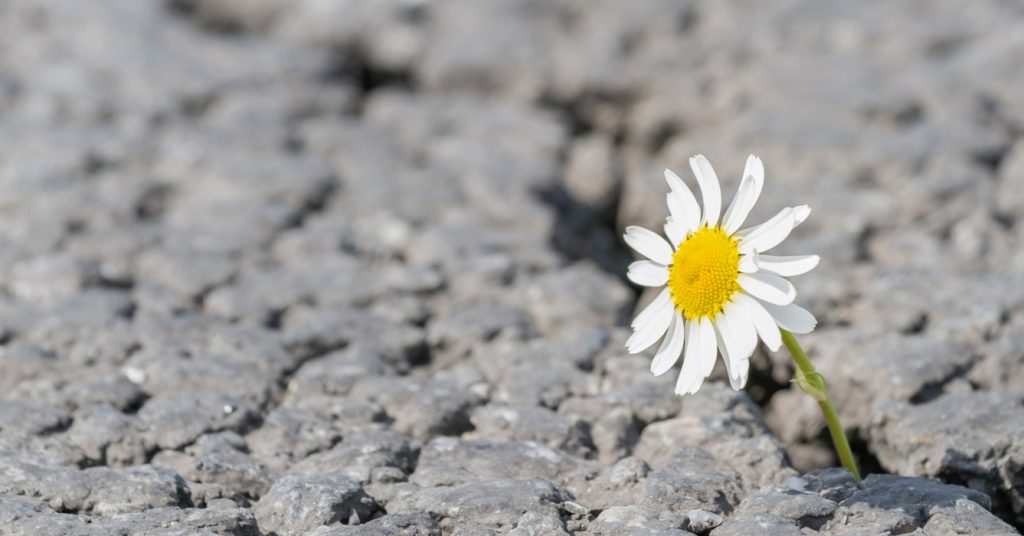
Embracing Adaptability
The ability to embrace adaptability is essential in today’s fast-paced world. Those who can shift their mindset and approach problems flexibly tend to navigate challenges more successfully. Consider the technology sector, where professionals often face rapidly changing environments; those who thrive are usually those who can pivot and find new solutions instead of resisting change.
Developing Problem-Solving Skills
Lastly, developing problem-solving skills empowers individuals to tackle difficulties proactively. Engaging in critical thinking exercises or participating in group discussions can improve one’s ability to find effective solutions. For instance, a local business owner faced with the challenges posed by the pandemic might need to pivot operations online, highlighting the necessity for innovation and strategic thinking in overcoming obstacles.
As we engage with these strategies, we liberate ourselves to turn adversities into catalysts for growth. The journey to building resilience is not simply about coping; it is about thriving and enriching our lives, ensuring that we emerge stronger and more equipped for whatever lies ahead.
DISCOVER MORE: Click here to learn about the impact of positive reinforcement
Practical Strategies to Cultivate Resilience
Building a Support Network
One of the most effective practical strategies for building resilience is the establishment of a robust support network. The people we surround ourselves with can significantly influence our ability to cope with challenges. Research shows that individuals with strong social ties have a greater resilience level. This network can consist of family, friends, colleagues, or even online communities that share similar interests.
Here are some ways to strengthen your support network:
- Stay Connected: Make a conscious effort to reach out and maintain regular contact with loved ones.
- Join Groups: Engage in local clubs, support groups, or volunteer organizations that foster community and connection.
- Offer and Seek Help: Be open to both giving and receiving support. This reciprocal relationship enriches connections.
- Use Technology: In today’s digital age, leverage social media and messaging apps to stay in touch, especially with those who may not live nearby.
Cultivating a Growth Mindset
A growth mindset—the belief that abilities and intelligence can be developed through dedication and hard work—plays a fundamental role in fostering resilience. When facing challenges, individuals with a growth mindset view setbacks as opportunities for learning rather than insurmountable obstacles. This perspective encourages a proactive approach to life’s difficulties.
To cultivate a growth mindset, consider the following tactics:
- Embrace Challenges: Rather than avoiding difficult tasks, tackle them head-on. Each challenge conquered reinforces your capability.
- Learn from Criticism: Use feedback to fuel your growth. Constructive criticism can be a powerful tool for improvement.
- Celebrate Effort, Not Just Outcome: Acknowledge the effort you put into tasks, regardless of the result. This reinforces perseverance.
- Stay Curious: Adopt an attitude of curiosity and exploration. Asking questions and seeking new experiences enriches your understanding and adaptability.
Developing Stress-Reduction Techniques
Effective stress-reduction techniques are vital to building resilience. High-stress levels can undermine our ability to think clearly and respond effectively to challenges. By implementing strategies to manage stress, we not only enhance our resilience but also improve our overall well-being.
Consider incorporating the following techniques into your daily routine:
- Mindfulness and Meditation: Practicing mindfulness can help you stay grounded and manage anxiety. Even a few minutes of meditation can have a substantial impact on your mental state.
- Physical Activity: Regular exercise releases endorphins, which improve mood and lower stress levels. Whether it’s a morning jog or yoga, find an activity that resonates with you.
- Deep Breathing Exercises: Taking deep, intentional breaths can help calm the mind and reduce immediate stress, allowing for more clarity in decision-making.
- Limit Media Consumption: In times of crisis, excessive exposure to news can heighten anxiety. Balance your news consumption with positive or uplifting content.
Implementing these strategies offers concrete pathways to strengthen resilience in the face of life’s inevitable challenges. By fostering a supportive environment, adopting a growth mindset, and engaging in effective stress management, individuals can navigate hardships with greater confidence and determination.
Practical Strategies for Building Resilience When Facing Challenges
Resilience is not just an innate trait; it can be developed through actionable strategies. Understanding these strategies is essential for anyone looking to enhance their ability to cope with life’s obstacles. Regardless of the nature of the challenges we face, having a robust approach can lead to effective outcomes. Here are critical strategies that contribute to fostering resilience:
- Develop Strong Connections: Building relationships with supportive friends, family, and peers plays a pivotal role in resilience. These connections offer emotional support and practical assistance during tough times, reinforcing your ability to cope.
- Practice Self-Care: Prioritizing physical, mental, and emotional well-being is crucial. Engaging in regular exercise, healthy eating, and mindfulness practices can boost resilience, providing a strong foundation for facing difficulties.
- Set Realistic Goals: Establishing clear, achievable goals helps focus efforts and provides direction. Break larger challenges into smaller, manageable tasks, and celebrate the progress along the way to maintain motivation.
- Embrace Change: Learning to adapt to change rather than resisting it is an essential aspect of resilience. Accept that change is part of life and view challenges as opportunities for growth and learning.
- Maintain a Positive Outlook: Cultivating optimism can significantly impact resilience. Focus on what you can control and practice gratitude to shift your mindset toward positive outcomes.
These strategies, when integrated into daily life, enhance one’s ability to navigate through hardships effectively. Implementing these approaches not only builds resilience but also empowers individuals to emerge stronger from their experiences. For those looking to deepen their understanding of resilience and armed with practical tools, exploring the full spectrum of strategies available can be profoundly beneficial.
| Category | Details |
|---|---|
| Social Support | Connections that provide emotional strength and guidance. |
| Adaptability | Ability to embrace and adjust to changes in circumstances. |
| Self-Management | Practices that enhance personal well-being, such as stress management techniques. |
DISCOVER MORE: Click here to delve deeper
Adopting Healthy Lifestyle Choices
Nourishing the Body and Mind
Building resilience is not solely a matter of mental fortitude; it also involves nourishing the body and mind through healthy lifestyle choices. A balanced diet contributes to improved mood and cognitive function, both essential when navigating life’s obstacles. Research indicates that diets rich in fruits, vegetables, whole grains, and lean proteins can effectively impact mental health and resilience.
Incorporate the following dietary strategies to enhance your resilience:
- Prioritize Whole Foods: Limit processed foods and sugars, focusing instead on whole, nutrient-dense foods that support brain health.
- Stay Hydrated: Dehydration can lead to fatigue and cognitive impairments. Aim to drink adequate water throughout the day.
- Mindful Eating: Pay attention to what you eat and how it affects your body. Mindful eating can prevent overeating and enhance the enjoyment of food.
- Plan Meals: Preparing healthy meals in advance can help ensure nutritious choices when life gets hectic, reducing the temptation for quick, unhealthy options.
Setting Realistic Goals
Another critical aspect of resilience is the ability to set realistic and achievable goals. When encountering challenges, having clear objectives helps provide direction and purpose, boosting motivation and commitment. Breaking down larger goals into smaller, manageable tasks makes them less overwhelming and fosters a sense of accomplishment.
To apply effective goal-setting techniques, consider the following:
- SMART Goals: Utilize the SMART framework—Specific, Measurable, Achievable, Relevant, and Time-bound—to create effective goals that are easier to track and evaluate.
- Visualize Success: Imagine the positive outcomes of achieving your goals. Visualization can boost confidence and clarify your motivation.
- Reflect and Adjust: Regularly assess your progress and be open to adjusting your goals. Flexibility in your approach reinforces your resilience.
- Establish Accountability: Share your goals with a trusted friend or family member who can support you and hold you accountable, thus enhancing commitment.
Practicing Gratitude
In the face of challenges, practicing gratitude can shift our focus from what is lacking to what is abundant in our lives. Grateful individuals tend to have a more positive outlook and are better equipped to handle stress and adversity. Incorporating gratitude practices can enhance resilience and overall satisfaction.
Here are some effective ways to cultivate gratitude:
- Gratitude Journaling: Dedicate a few minutes each day to write down things you are thankful for. This exercise can shift your mindset and enhance your perspective.
- Express Gratitude: Make it a habit to express appreciation to others, whether verbally or through notes. Sharing gratitude fosters connection and strengthens relationships.
- Reflections on Challenges: When facing difficulties, take time to reflect on lessons learned and the growth that comes from resilience.
- Create Gratitude Rituals: Incorporate gratitude into your daily routine, such as sharing what you are thankful for during meals with family or friends.
By adopting healthy lifestyle choices, setting realistic goals, and practicing gratitude, individuals can significantly enhance their resilience. These strategies provide a foundation for better coping with life’s challenges, allowing for growth and personal development.
DISCOVER MORE: Click here
Conclusion
In conclusion, resilience is a vital skill that can be cultivated through practical strategies designed to help individuals navigate the complexities of life. By focusing on healthy lifestyle choices, such as balanced nutrition and hydration, we can create a strong foundation for not only our physical health but also our mental well-being. When we nourish our bodies effectively, we empower our minds to handle adversity with greater clarity and strength.
Furthermore, the art of setting realistic goals is crucial. Employing frameworks like SMART goals facilitates clear direction and provides a sense of accomplishment, making the process of overcoming challenges less daunting. Small, manageable tasks foster a feeling of progress, fueling motivation in the face of adversity.
Equally important is the practice of gratitude, which shifts our perspectives from scarcity to abundance. Cultivating a gratitude mindset enriches our emotional resilience and fortifies our ability to tackle stress with a more positive outlook. Whether through journaling or expressing appreciation to others, incorporating gratitude into our daily practices promotes a stronger connection to ourselves and those around us.
By embracing these strategies, individuals can build not only their resilience but also a more fulfilling life, equipped to face challenges head-on. In a world full of uncertainties, fostering resilience equips us not just to survive but to thrive, transforming challenges into opportunities for growth and learning. The journey of resilience is ongoing, and each step taken towards enhancement is a step towards a more empowered self.
Related posts:
Turning Failures into Opportunities Mastering Growth Mindset Challenges
How Overcoming Challenges Drives Personal Development
Building Trust Through Overcoming: How Facing Challenges Can Strengthen Your Self-Esteem
The Role of Resilience in Adopting a Growth Mindset
Strategies to Turn Challenges into Learning Opportunities
The Importance of Resilience in Overcoming Challenges

Linda Carter is a writer and growth mindset specialist with expertise in cognitive development and resilience training. With extensive experience helping individuals transform limiting beliefs and unlock their potential, she shares practical mindset strategies on our platform. Her goal is to empower readers with science-backed techniques to cultivate adaptability, embrace challenges, and achieve continuous personal and professional growth.