Using Positive Reinforcement Strategies to Enhance Adult Learning and Growth Mindset

Unlocking Potential Through Positive Reinforcement
In the realm of adult education, traditional methods are being overshadowed by innovative approaches that prioritize emotional intelligence and interpersonal connections. Positive reinforcement strategies have emerged as a vital means of engaging learners and cultivating a growth mindset. When educators take the time to appreciate and celebrate achievements, it profoundly influences learners’ motivation and overall development, creating an environment conducive to learning.
- Boosts confidence: Recognizing small successes plays a crucial role in building self-esteem. For example, an adult learner who masters a complex concept in a workshop may initially feel intimidated. However, when an instructor then acknowledges this accomplishment publicly, it can ignite a spark of confidence, encouraging the learner to tackle even more challenging subjects with courage.
- Encourages persistence: Consistent acknowledgment of efforts motivates learners to confront obstacles head-on. For instance, in a community college setting, students who receive regular feedback on their progress are more likely to persevere through difficult coursework, ultimately leading to higher completion rates. This recognition reinforces the idea that effort leads to improvement, which is a cornerstone of a growth mindset.
- Enhances retention: When learners receive positive feedback, they are more likely to internalize and retain new knowledge and skills. Research shows that when adults feel valued and supported, they are more engaged, which significantly impacts their ability to remember what they have learned. This connection between positive experiences and retention underscores the importance of fostering a supportive educational atmosphere.
In today’s fast-paced world, where lifelong learning is not just an option but a necessity, applying positive reinforcement effectively becomes increasingly vital. Studies indicate that adults thrive in environments filled with positivity and encouragement. This approach not only nurtures a supportive culture but also highlights the importance of adopting a growth mindset, where failures are viewed as opportunities for learning rather than setbacks.
- Personal connection: Tailoring reinforcement strategies to individual preferences enhances their effectiveness. For example, some learners may respond better to verbal praise, while others may appreciate written feedback or even small incentives such as gift cards. Understanding these preferences can lead to a more personalized learning experience.
- Variety of methods: The methods of positive reinforcement can span a wide spectrum, from simple verbal acknowledgments to physical rewards and public recognition. Diverse approaches enable educators to cater to various learners and create a dynamic learning environment that keeps enthusiasm high.
- Community building: A positive and encouraging atmosphere promotes collaboration and shared learning experiences. When learners feel supported and acknowledged, they are more likely to engage with their peers, leading to powerful collaborative projects and discussions that can enrich the educational experience.
As educators and facilitators embrace these positive reinforcement strategies, they lay the groundwork for frameworks that empower adult learners. In their quest for knowledge and personal growth, understanding and utilizing positive reinforcement can lead to transformational results, not only for individual learners but also for the educational institutions that seek to cultivate a dynamic and inclusive learning environment.
DISCOVER MORE: Click here to deepen your resilience
Empowering Adult Learners with Affirmation and Support
Positive reinforcement is a powerful tool that can significantly impact adult learning outcomes. By creating an atmosphere where recognition and encouragement are central, educators can effectively help learners to unlock their potential and embrace a growth mindset. This approach not only contributes to individual success but also fosters a collaborative and enriching learning environment.
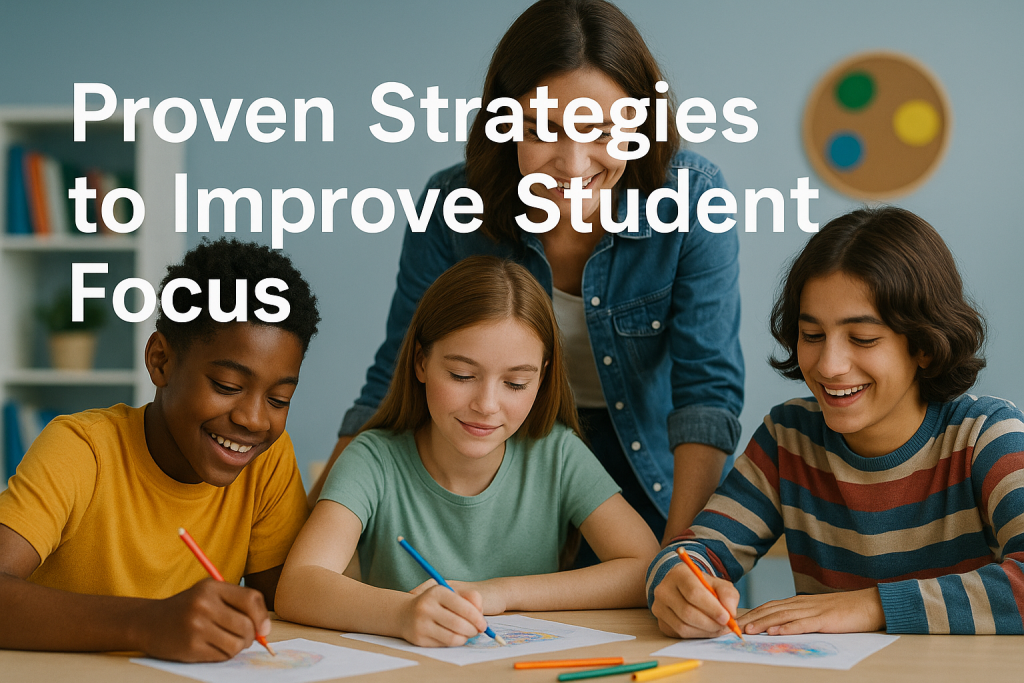
One of the primary benefits of using positive reinforcement strategies is their ability to foster increased motivation. Adult learners often juggle multiple responsibilities, making motivation a critical component of their educational journey. For instance, when a project is well-executed, a simple acknowledgment from an instructor can resonate deeply, affirming the learner’s hard work and encouraging further effort. This reaffirms the correlation between effort and success, motivating the learner to push their boundaries and take on more complex challenges.
Creating Meaningful Feedback Loops
In the context of adult education, the effectiveness of feedback is paramount. Unlike traditional classroom settings where rote memorization may be emphasized, adult learners thrive on constructive feedback that highlights their progress and areas for improvement. A well-structured feedback loop can serve to reinforce a learner’s commitment to their goals, allowing them to track their progress over time.
- Timeliness: Providing feedback promptly after an assignment or during class discussions can help learners make immediate connections to their performance, fostering an understanding of what they did well and what they can improve.
- Constructive Critique: While positive reinforcement often focuses on highlighting what students do right, it can also serve to uplift learners when improvements are needed. Constructive feedback should blend positive reinforcement with a growth perspective, illustrating how to navigate obstacles.
- Personal Reflections: Encouraging learners to reflect on their experiences and self-acknowledge their own achievements is another avenue for reinforcing positive behaviors. This empowers adults to take ownership of their learning process.
Moreover, the impact of positive reinforcement is not limited to academic achievements alone. It extends into the realm of interpersonal skills and collaboration, vital components of adult education. In a scenario where adults may be hesitant to share their ideas in group settings, the act of positively reinforcing contributions, regardless of how small, can promote greater participation and group cohesion. Over time, this sense of belonging and acceptance can significantly enhance learners’ overall resilience and confidence.
As we delve deeper into the transformative power of positive reinforcement strategies, it becomes evident that such approaches are not merely optional tactics but essential methods for shaping a conducive learning environment. When adults learn that their efforts are recognized and celebrated, they can cultivate a resilient and proactive mindset that not only drives academic success but also enriches their personal and professional lives.
| Advantage | Details |
|---|---|
| Enhanced Engagement | Utilizing positive reinforcement fosters a deeper connection to learning, motivating adults to engage actively. |
| Fostering Resilience | Encouraging a growth mindset through positive feedback helps adults to view challenges as opportunities for growth, enhancing their resilience and adaptability. |
The approach of using positive reinforcement strategies in adult learning presents myriad advantages that extend beyond mere participation. Firstly, by creating an environment where successes—no matter how small—are recognized, learning becomes an enjoyable experience rather than a frustrating endeavor. This not only increases retention rates but also sparks curiosity, encouraging learners to seek knowledge eagerly. Furthermore, when adults experience consistent encouragement, they develop a strong sense of agency regarding their learning journeys.Moreover, the integration of positive reinforcement nurtures a robust growth mindset, enabling adults to confidently tackle new challenges. The act of associating effort with success prompts a shift in perspective, allowing individuals to embrace failures as stepping stones rather than setbacks. This transformative view fosters resilience, ultimately leading to enhanced learning outcomes and personal satisfaction. Such strategies not only enrich individual experiences but also cultivate a more dynamic and supportive learning community.
DISCOVER MORE: Click here to learn how to set effective goals
Strategies for Implementing Positive Reinforcement in Adult Learning
To maximize the benefits of positive reinforcement in adult education, it is crucial to integrate specific strategies that resonate with the unique learning preferences of adult students. Since many adults return to education with diverse backgrounds and experiences, employing tailored approaches can cultivate a supportive and engaging environment that encourages continuous improvement.
Utilizing Technology for Real-Time Recognition
In today’s digital landscape, technology offers an array of tools to facilitate immediate feedback and recognition of achievements. Learning management systems (LMS) and collaborative platforms can be leveraged to create dynamic feedback environments. For example, instructors can use tools like discussion boards or social media groups to publicly acknowledge individual contributions, thus creating a culture of recognition that motivates learners to engage fully. Research indicates that adults are more likely to participate when they see peers receiving accolades, making this method a compelling element of adult education.
Incentives and Gamification Techniques
Incorporating gamification elements into the learning process can significantly enhance motivation among adult learners. By integrating points, badges, or leaderboards, educators can introduce a playful yet disciplined structure that stimulates healthy competition and recognizes effort. For instance, a training program for employees may reward participants with digital badges for accomplishments like completing modules, displaying teamwork, or improving skills. This not only highlights individual success but also reinforces the importance of collaboration and collective achievement within adult learning contexts.
Peer-to-Peer Recognition Programs
Establishing peer-to-peer recognition programs can further bolster a culture of support and camaraderie among adult learners. Adults often value the opinions of their peers, making it essential to foster an environment where students can celebrate each other’s successes. By creating systems in which students can nominate their classmates for recognition based on specific criteria—such as perseverance in overcoming obstacles—educators can empower learners to take an active role in uplifting one another. Such programs not only instill a sense of community but also encourage a growth mindset by demonstrating that success is achievable through collective support and encouragement.
The Role of Mindset in Positive Reinforcement
A vital aspect of integrating positive reinforcement strategies is recognizing the impact of mindset on adult learning. When educators emphasize that abilities and intelligence can be developed through dedication and hard work, it fosters a sense of belonging and resilience among learners. For instance, sharing stories of individuals who faced setbacks yet ultimately succeeded reinforces the message that challenges are merely opportunities for growth. By consistently communicating this philosophy, educators can cultivate an atmosphere where students feel motivated to engage in lifelong learning beyond the classroom.
Additionally, creating personal learning goals can aid in reinforcing this mindset. Encouraging adults to set achievable yet challenging objectives allows them to witness firsthand how their efforts lead to tangible improvements. This process can be reinforced through progress tracking, group discussions, and celebratory milestones at various stages of their learning journey, ultimately solidifying the connection between effort and success.
As educators strive to harness the power of positive reinforcement in adult learning, these strategies pave the way for deeper engagement, collaboration, and growth. Promoting a robust environment that recognizes achievements—both big and small—is not just beneficial for individual development but also for the collective success of the entire learning community. The impact of such an approach transcends academic boundaries, influencing various aspects of adult learners’ lives as they navigate their educational and professional pathways.
DISCOVER MORE: Click here to learn about the power of positive reinforcement
Conclusion: Empowering Adult Learners Through Positive Reinforcement
In conclusion, using positive reinforcement strategies is pivotal in enhancing adult learning and fostering a robust growth mindset. By recognizing individual accomplishments, employing technology for immediate feedback, and integrating gamification techniques, educators can create a stimulating educational environment that motivates adult learners to transcend their limits. Furthermore, implementing peer-to-peer recognition programs cultivates a community spirit, where learners support one another, thereby reinforcing the belief that success can be achieved collectively.
The emphasis on mindset plays a fundamental role in this process. By instilling the idea that abilities can be developed through effort and perseverance, educators empower adult learners to embrace challenges as opportunities for growth, transforming their approach to learning both within and outside the classroom. Consequently, the combination of tailored strategies and a supportive framework not only enhances educational engagement but also equips learners with the resilience necessary for navigating various life challenges.
As the landscape of adult education continues to evolve, embracing positive reinforcement and a growth mindset will be key drivers of success. Educators are encouraged to harness these strategies, drawing upon both innovative technological tools and community-oriented practices. In so doing, they not only enhance the learning experience but also inspire a lifelong journey of personal and professional growth among adult students. The ripple effect of these methods is profound, affecting not just individual learners, but also the broader communities they are part of—forging pathways toward collaborative success and continuous improvement.
Related posts:
The Effectiveness of Positive Reinforcement in Promoting Problem-Solving Skills in Adults
Positive Reinforcement Strategies for Adults: Overcoming Challenges and Promoting Personal Developme...
Positive Reinforcement Strategies in the Workplace to Foster a Growth Mindset among Employees
Positive Reinforcement Strategies for Adults Cultivating Growth Mindset at Work
The Importance of Positive Reinforcement in Building a Growth Mindset
Positive Reinforcement and Its Role in Promoting Self-Confidence in Students with a Growth Mindset

Linda Carter is a writer and growth mindset specialist with expertise in cognitive development and resilience training. With extensive experience helping individuals transform limiting beliefs and unlock their potential, she shares practical mindset strategies on our platform. Her goal is to empower readers with science-backed techniques to cultivate adaptability, embrace challenges, and achieve continuous personal and professional growth.