Continuous Learning Key to Cultivating a Growth Mindset

Unlocking Potential Through Continuous Learning
In today’s fast-paced world, the ability to adapt and grow is more crucial than ever. A growth mindset fosters resilience and a desire for lifelong learning, helping individuals overcome challenges and view failures as opportunities. As we navigate through various stages of life, understanding the significance of continuous learning becomes paramount.
Embracing a mindset focused on growth empowers people to actively seek knowledge and improve their skills. This not only enhances personal development but also opens doors to new possibilities, catalyzing professional success. To illustrate the power of continuous learning, we will delve into the Top 5 techniques that can effectively cultivate a growth mindset.
- Engaging in lifelong education through courses and workshops
- Practicing self-reflection to identify areas for improvement
- Utilizing feedback as a tool for growth
- Setting challenging yet achievable goals
- Surrounding oneself with a supportive and growth-oriented community
In this article, we explore how these techniques can transform your approach to learning and lead to a more fulfilled life.
Top 5: The Importance of Continuous Learning in Developing a Growth Mindset
The concept of a growth mindset, introduced by psychologist Carol Dweck, has transformed how individuals view their capabilities and intelligence. According to Dweck, a growth mindset embodies the belief that abilities and intelligence can be developed through dedication, hard work, and persistence. At the core of this mindset lies a commitment to continuous learning. This article delves into the top five reasons why ongoing education is not just beneficial but essential for cultivating a growth mindset, and how it profoundly impacts various facets of our personal and professional lives.
5. Fostering Adaptability
In our fast-paced world where technological advancements and societal changes occur with dizzying speed, the need for adaptability is more crucial than ever. Individuals who commit to continuous learning are better equipped to stay current with emerging trends and technologies. This adaptability is a signature characteristic of those with a growth mindset. Unlike those who view obstacles as insurmountable, growth-minded individuals perceive challenges as golden opportunities for advancement and learning. By continuously acquiring new knowledge and skills, individuals can pivot nimbly, applying fresh insights in innovative ways to navigate changes and seize new opportunities.
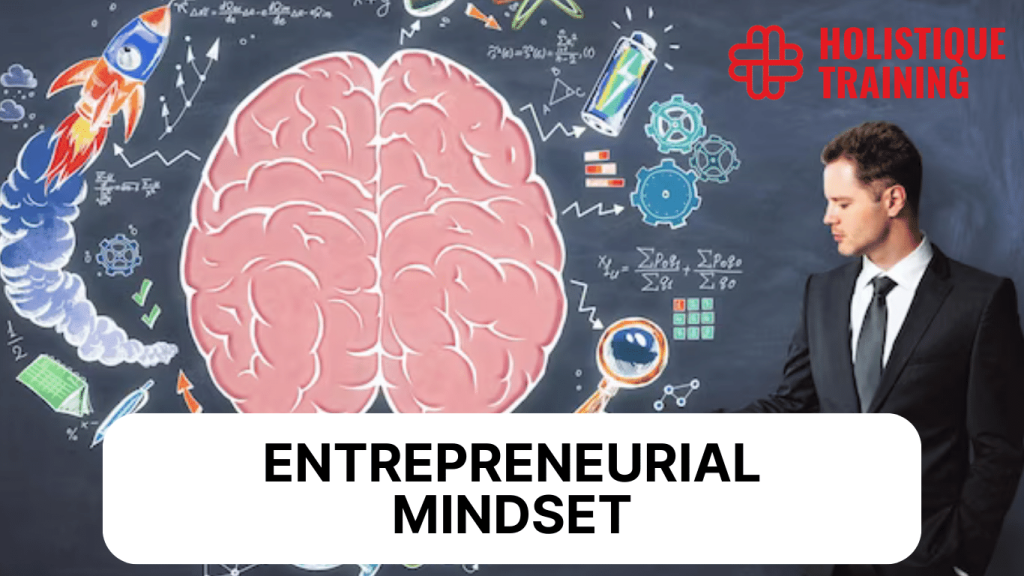
Consider, for instance, the rapid evolution of digital marketing. Professionals in this field must regularly update their skills to remain effective, from understanding shifts in search engine algorithms to mastering emerging social media platforms. Those who engage in continuous learning are better prepared to not only keep pace but to lead and innovate.
4. Enhancing Problem-Solving Skills
Critical thinking and problem-solving skills are vital in every walk of life. Engaging in continuous learning enhances these abilities by deepening one’s understanding and perspective. When individuals expand their reservoir of knowledge, they find themselves more adept at analyzing scenarios from multiple angles and crafting creative, effective solutions. Research has consistently shown that exposure to diverse ideas and learning contexts enables individuals to make novel connections, leading to innovative problem-solving approaches.
For example, in healthcare, continuous education empowers medical professionals to integrate new research findings into patient care practices. This not only improves patient outcomes but also nurtures a culture of innovation within the industry, as professionals collaboratively explore novel solutions to complex medical challenges.
3. Building Resilience
Another cornerstone of a growth mindset is resilience—the ability to recover quickly from setbacks and failures. Continuous learning plays a pivotal role in cultivating this trait. Each new learning experience, whether successful or not, imparts crucial lessons. Individuals who prioritize learning do not avoid failure; rather, they see it as a valuable teacher. By analyzing missteps, they glean insights that pave the way for future success.
- Resilient learners actively embrace challenges and approach them as learning experiences.
- They meticulously examine failures with an eye toward understanding and growth.
- They celebrate small victories along their educational journey to sustain motivation.
This practice of reflection and self-assessment solidifies a growth-oriented mindset that is prepared to tackle challenges head-on. Over time, learners develop a stronger belief in their ability to improve, reinforcing the idea that effort is directly linked to growth and improvement.
2. Increasing Confidence and Self-Efficacy
Continuous learning has a profound impact on an individual’s confidence and self-efficacy—the belief in one’s ability to succeed in specific situations. As individuals acquire new skills and expertise, their competency grows, leading to enhanced self-belief. Albert Bandura’s theory of self-efficacy suggests that increased knowledge and practice bolster one’s confidence to face challenges and persist despite difficulties.
Consider the journey of learning a musical instrument. With dedication to practice, learners gradually master techniques, leading to increased confidence in their musical abilities. This confidence is contagious, often spilling over into other areas of life, encouraging further pursuit of learning and growth.
1. Cultivating Passion for Learning
The ultimate achievement of embracing continuous learning is fostering a genuine passion for learning itself. This enthusiasm becomes a driving force behind personal and professional growth. Individuals with a growth mindset perceive learning not as a task with an endpoint but as a lifelong adventure. They are inherently curious, always in search of new knowledge, skills, and experiences that enrich their lives and open up new pathways.
This intrinsic motivation is critical; it not only enhances an individual’s capabilities but also creates a self-sustaining cycle of growth. By immersing themselves in learning, they feed their curiosity and fuel their creativity, leading to greater achievements and satisfaction in life.
In conclusion, the significance of continuous learning in shaping a growth mindset cannot be overstated. Ongoing education serves as the catalyst for adaptability, enhances problem-solving skills, builds resilience, increases confidence and self-efficacy, and ultimately cultivates a deep-seated passion for learning. By committing to this educational journey, individuals unlock their potential, fostering a mindset that thrives on growth and positive change. Whether navigating the complexities of a rapidly changing work environment or pursuing personal ambitions, the benefits of a growth mindset empowered by continuous learning are boundless.
| Category | Details |
|---|---|
| Adaptability | In a rapidly changing world, continuous learning fosters the ability to adapt to new challenges and technologies, essential for success. |
| Problem Solving | Cultivating an environment of learning enhances critical thinking, leading to improved problem-solving skills in various situations. |
| Self-Confidence | Engagement in continual educational pursuits can boost self-confidence as individuals realize their potential and abilities. |
| Career Advancement | Investing in learning opens doors for career opportunities and advancement, often leading to promotions and increased job satisfaction. |
As more organizations recognize the significance of a growth mindset, they increasingly integrate learning strategies into their corporate cultures. Companies encourage their employees to pursue courses, workshops, and seminars that equip them with the latest skills and methodologies relevant to their fields. This forward-thinking approach not only enhances the efficiency and productivity of the workforce but also creates a culture where innovation thrives, leading to groundbreaking ideas and methodologies.
Moreover, the importance of networking cannot be overlooked. Engaging in continuous education often leads to connections with like-minded individuals and experts in various fields. Such networks foster a community of practice, where shared experiences and knowledge exchange contribute to personal and professional development. This synergy inspires ongoing learning, creating a virtuous cycle where individuals are motivated to seek further knowledge and expertise.
In addition, self-directed learning is becoming increasingly popular, with resources like online courses, webinars, and podcasts at everyone’s disposal. This democratization of education allows individuals to tailor their learning experiences to their personal and professional goals. As learners assume control of their education, they cultivate a sense of ownership and responsibility that is integral to a growth mindset.
Frequently Asked Questions About the Importance of Continuous Learning in Developing a Growth Mindset
1. What is the connection between continuous learning and a growth mindset?
The concept of a growth mindset, popularized by psychologist Carol Dweck, is the belief that abilities and intelligence can be developed through dedication and hard work. Continuous learning emphasizes the need for perpetual education and exploration of new ideas. This ongoing process of acquiring knowledge and skills enables individuals to embrace challenges, persevere in the face of failures, and see setbacks as opportunities for improvement. Essentially, continuous learning feeds the growth mindset, driving personal and professional development.
2. How does continuous learning impact professional success?
In today’s rapidly changing world, industries are evolving at an unprecedented pace. Professionals who engage in continuous learning are better equipped to adapt to new technologies and methodologies. This ability to stay current with industry trends and innovations makes them valuable assets in their fields. Companies are increasingly recognizing that skilled employees who strive for continual improvement and innovation are the key to competitive advantage. Moreover, studies have shown that lifelong learners often have greater job satisfaction, career advancement, and economic benefits.
3. Are there effective strategies to foster continuous learning?
Indeed, there are several strategies one can employ to sustain continuous learning. Setting clear goals and regularly assessing progress helps maintain focus. Engaging in a variety of learning experiences, from online courses and workshops to reading and networking, enriches one’s perspective and knowledge base. Emphasizing growth over perfection allows for experimentation and learning from mistakes. Additionally, seeking feedback and peer support creates a supportive environment that encourages development. The key is to remain curious and open to new ideas and experiences.
4. How can organizations support a culture of continuous learning?
Organizations can play a crucial role in fostering a culture of continuous learning by providing opportunities and incentives for professional development. This could include offering training programs, covering costs for further education, or dedicating time within the work schedule for learning activities. Encouraging mentorship and collaboration among employees can also drive shared knowledge and growth. Moreover, cultivating an environment where questioning and innovation are encouraged can dramatically empower employees to engage in lifelong learning.
5. Can continuous learning contribute to personal growth as well?
Absolutely. Continuous learning extends beyond professional boundaries, significantly contributing to personal growth. It can enhance critical thinking, problem-solving skills, and adaptability. Learning about diverse cultures, philosophies, or languages enriches perspectives and strengthens interpersonal relationships. A commitment to personal development also cultivates self-confidence and resilience, as individuals continuously assess and refine their understanding of themselves and the world around them. Thus, continuous learning is a holistic approach supporting both personal and professional spheres of life.
Conclusion: Driving Growth Through Continuous Learning
As we’ve explored throughout this article, the journey of continuous learning is a cornerstone in cultivating a mindset of growth. This transformative approach not only empowers individuals to embrace challenges but also to persevere in the face of adversity, fostering an environment where potential can fully flourish. At the heart of this philosophy lies the notion that skills and intelligence are not static, but rather developable through dedication and effort.
The significance of adopting a growth mindset cannot be overstated. It encourages individuals to pursue lifelong learning, perpetually expanding their knowledge and capabilities. The benefits of this mindset extend beyond personal development, influencing professional growth and organizational success. When people practice continuous learning, they are better equipped to innovate, adapt to rapidly changing environments, and tackle complex problems effectively.
Ultimately, the importance of integrating continuous learning into our lives is underscored by the increasing pace of change in today’s world. Individuals who commit to a journey of lifelong learning not only stay relevant but also thrive in dynamic contexts. The cultivation of a growth mindset encourages resilience, adaptability, and a relentless quest for improvement.
In conclusion, the pursuit of constant learning acts as a powerful engine driving personal and collective achievement. It transforms challenges into opportunities, and possibilities into realities. For those willing to embrace this mindset, the rewards are profound. By committing to a path of continuous education and growth, anyone can rewrite the narrative of their potential, unlocking new heights of personal and professional success.
Related posts:
The Impact of Continuous Learning on Career Advancement and Professional Growth
The importance of Continuous Learning in adapting to new technologies in work environments
Practical Strategies for Continuous Learning in Daily Life Success
How Continuous Learning Enhances Resilience and Adaptability in Personal Development
Cultivating a Culture of Continuous Learning in Teams for Enhanced Collaboration
Strategies for Continuous Learning to Foster Creativity and Innovation in Teams

Linda Carter is a writer and growth mindset specialist with expertise in cognitive development and resilience training. With extensive experience helping individuals transform limiting beliefs and unlock their potential, she shares practical mindset strategies on our platform. Her goal is to empower readers with science-backed techniques to cultivate adaptability, embrace challenges, and achieve continuous personal and professional growth.