The influence of nutrition on the longevity of pets
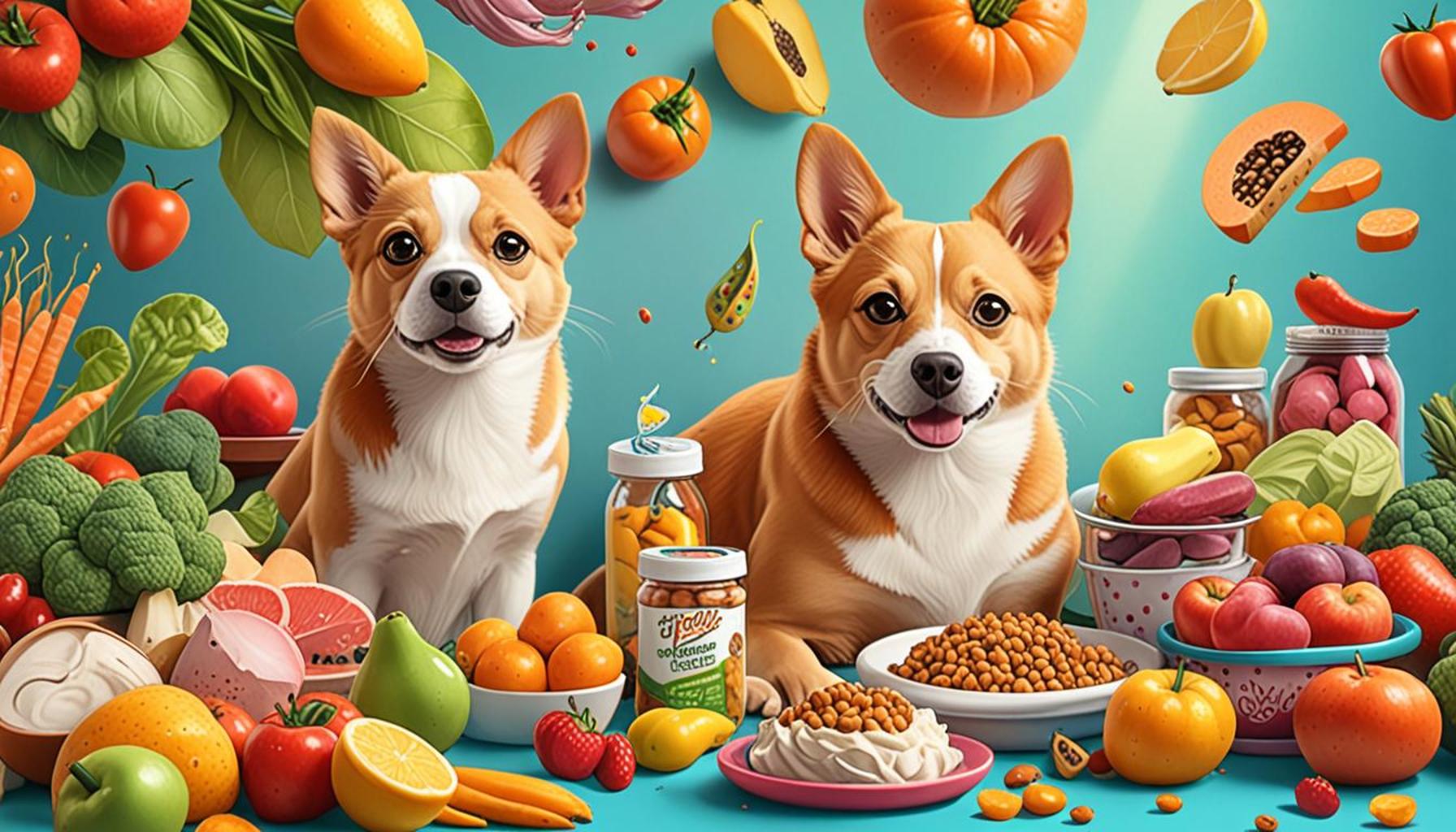
The Crucial Role of Nutrition in Enhancing Pet Longevity
The way we nourish our pets plays a critical role in their overall health and lifespan. With pets being cherished members of many households, it’s essential to recognize the impact of nutrition on their longevity. A balanced diet not only supports their physical well-being but also contributes to a vibrant, active life, filled with joy and companionship for both pets and their owners.
To foster a comprehensive understanding, let us delve into several vital components that significantly influence the diets of our pets:
- Types of Nutrients: Proteins, fats, carbohydrates, vitamins, and minerals are crucial for a well-rounded diet. For example, proteins are critical for muscle repair and growth, while healthy fats provide energy and support a shiny coat. Carbohydrates serve as an important energy source, often overlooked in pet diets, and essential vitamins and minerals play key roles in bone health and immune function.
- Age-Appropriate Diets: Puppies and kittens have different nutritional needs compared to older pets. For instance, puppies require higher protein levels to support their rapid growth, while senior dogs may benefit from diets lower in calories and enriched with joint-supporting nutrients like glucosamine. Choosing the right food for a pet’s life stage can significantly influence their overall health outcomes.
- Weight Management: Obesity can lead to serious health issues such as diabetes, heart disease, and certain types of cancer, all of which can shorten lifespan. Regular monitoring of a pet’s weight and adjusting food portions or types accordingly is crucial, as many pet owners may not realize the impact of overfeeding and lack of exercise. A balanced diet complemented by regular physical activity can lead to healthier, more vibrant pets.
The relationship between what our pets eat and how long they live is supported by emerging research that continues to provide insights into the benefits of good nutrition. Studies suggest that pets consuming high-quality, nutrient-rich foods generally experience:
- Improved Immune Function: A strong immune system helps prevent diseases, keeping pets healthier for longer periods. Foods rich in antioxidants, for example, can enhance immune responses and fend off harmful free radicals.
- Better Digestion: Healthy digestion is crucial for nutrient absorption and overall health. Beneficial ingredients such as prebiotics and probiotics in pet food can support digestive health, leading to improved nutrient utilization and overall vitality.
- Enhanced Energy Levels: Proper nutrition can lead to a more active lifestyle. A well-fed pet tends to be more engaged and playful, enhancing their quality of life and strengthening the bond with their owners through shared activities and adventures.
Examining the relationship between nutrition and pet longevity prompts pet owners to critically evaluate their pets’ diets. Understanding the profound influence of nutrition can lead to informed decisions about food, supplements, and feeding practices, enriching the pet-owner experience for years to come. With so much at stake, it’s worthwhile for pet owners to explore different dietary options, consult with veterinarians, and stay informed about the latest nutritional research to give their furry companions the best chance at a long, healthy life.
DISCOVER MORE: Click here for additional insights

Understanding Nutrients: The Building Blocks of Lifelong Wellness
When it comes to feeding our beloved pets, it’s essential to recognize that not all pet foods are created equal. The importance of understanding the types of nutrients found in pet food cannot be overstated, as these nutrients are the building blocks that can influence their health and longevity. An ideal diet for pets is defined by a harmonious balance of proteins, fats, carbohydrates, vitamins, and minerals.
Proteins, for instance, are fundamental to maintaining healthy muscles and tissues. They are the agents of repair that help pets recover from injuries and illnesses. The ability of pets to thrive in their daily activities, be it chasing a ball or jumping to greet their owners, hinges on the availability of high-quality protein sources in their diet, such as chicken, fish, or legumes.
Fats, while sometimes considered a less favorable nutrient, are not only crucial for providing energy but also play an essential role in promoting healthy skin and coats. Omega-3 and Omega-6 fatty acids, in particular, have been shown to aid in reducing inflammation and improving heart health, which can significantly impact a pet’s overall quality of life as they age.
In addition to proteins and fats, carbohydrates serve as an important source of energy that fuels daily activities and metabolic processes. Foods rich in fibers, like brown rice and sweet potatoes, can improve digestive health and help maintain a healthy weight, a factor closely linked to longevity.
The role of essential vitamins and minerals cannot be overlooked, as they are vital for several bodily functions. For instance, calcium and phosphorus contribute to strong bone health, while antioxidant-rich vitamins like E and C bolster the immune system. Ensuring that pets receive all the necessary micro and macro-nutrients helps create a solid foundation for a longer, healthier life.
Age Matters: Tailoring Nutrition to Life Stages
As pets age, their dietary requirements naturally change. Understanding age-appropriate diets is crucial for owners seeking to enhance the longevity of their pets. Younger pets, like kittens and puppies, require nutrient-dense food that supports their rapid growth and energy needs. In contrast, senior pets often experience a decrease in metabolism, requiring formulations that are lower in calories yet rich in joint-supporting nutrients.
- Puppies thrive on high-protein diets to accommodate their energetic lifestyles and growth spurts.
- Adult dogs generally benefit from a balanced diet that maintains their weight and health.
- Senior pets may require specialized diets that include joint supplements or reduced calorie counts to prevent obesity and maintain overall health.
By tailoring nutritional choices based on the specific life stage of a pet, owners can significantly enhance their pets’ chances of living longer, healthier lives. It becomes clear that taking the time to understand a pet’s nutritional needs can yield substantial benefits in terms of health and longevity, making this an essential area of focus for pet owners dedicated to their companions’ well-being.
| Nutritional Elements | Impact on Longevity |
|---|---|
| High-quality proteins | Maintains muscle mass and supports tissue repair, crucial for senior pets. |
| Omega-3 fatty acids | Help combat inflammation and promote heart health, thereby enhancing overall lifespan. |
| Antioxidants | Combat oxidative stress, may reduce the risk of chronic diseases, thus prolonging life. |
| Balanced vitamins and minerals | Support immune function and prevent deficiencies that may lead to health complications. |
The right balance of essential nutrients plays a critical role in maximizing pet longevity. For example, a diet rich in high-quality proteins not only preserves a pet’s muscle mass but also aids in faster recovery from injuries or illnesses. Furthermore, incorporating Omega-3 fatty acids can provide anti-inflammatory benefits, which is particularly important for older pets who may suffer from joint issues or heart ailments. Antioxidants are another vital component, working to neutralize free radicals and potentially decreasing the incidence of age-related diseases. Lastly, a comprehensive blend of vitamins and minerals ensures that pets receive all necessary nutrients, helping them to thrive throughout their lives. By understanding these nutritional influences, pet owners can make informed dietary choices that promote the health and longevity of their beloved companions. The significance of nutrition cannot be overstated; it is a fundamental aspect that directly impacts the quality and length of a pet’s life.
DISCOVER MORE: Click here for essential adoption tips
The Impact of Specific Diets on Health and Lifespan
Delving deeper into the components of a pet’s diet, it is crucial to recognize that not only the nutritional profile but also the specific types of diets can profoundly impact the longevity and quality of life of our furry companions. The prevalence of conditions such as obesity, diabetes, and digestive disorders sharply illustrates the need for thoughtful dietary choices tailored to individual pets’ needs.
One prominent dietary approach gaining traction among pet owners is the incorporation of whole foods. Unlike commercially produced kibble, which often contains fillers and artificial additives, whole food diets comprise less processed ingredients, such as fresh meats, vegetables, and grains. Nutritional studies suggest that this type of diet can boost immune function and improve overall health. For instance, a study from the Journal of Animal Science highlighted that dogs consuming diets rich in antioxidants demonstrated enhanced immune responses, which could prolong their lifespan and enhance their vitality.
Moreover, the growing interest in grain-free diets has sparked debate within the pet nutrition community. While some owners opt for these alternatives to avoid gluten-related issues, research published in veterinary journals has urged caution, as certain grain-free diets have been linked to increased risks of dilated cardiomyopathy (DCM) in some dog breeds. A pet owner’s diligence in understanding these diets can be the difference between robust health and potential health risks.
Functional Ingredients: A Secret Weapon for Longevity
Consumers now often seek functional ingredients that support specific health concerns. Probiotics, for example, are becoming a staple in many pet foods, as they promote digestive health and enhance immune function. Similarly, omega fatty acids, especially Omega-3, have been heralded for their substantial anti-inflammatory properties, benefiting pets suffering from joint issues and skin irritations. Products containing glucosamine and chondroitin sulfate are booming in popularity, targeting age-related joint health—conditions that can drastically affect a pet’s mobility as they age.
Additionally, incorporating specialized diets for pets with chronic conditions can play a pivotal role in enhancing their lifespan. For instance, pets suffering from kidney disease often thrive on lower-protein diets crafted to minimize stress on the kidneys, whereas diabetic pets may benefit from high-fiber, low-carbohydrate formulations to maintain stable blood sugar levels. Consulting a veterinarian for tailored advice can be essential in determining the most suitable dietary approach based on individual health needs.
The Role of Supplements: Enhancing Naturally Occurring Nutrition
As we gain insight into the significance of nutrition on pet longevity, the role of dietary supplements cannot be ignored. There is a burgeoning market for pet supplements that strive to fill nutritional gaps in diets. Supplements such as vitamin E, probiotics, and omega-3 fatty acids can fortify an otherwise balanced diet and offer additional support for optimal health. However, it’s imperative that pet owners conduct thorough research and speak to professionals before introducing any supplements, as the American Association of Feed Control Officials (AAFCO) provides specific guidelines on optimum pet nutrition.
- Veterinary consultation can ensure well-managed nutritional plans tailored to specific needs.
- Current trends suggest that owning a pet on a tailored diet could lower overall healthcare costs associated with chronic illness.
- Continuously studying various feeding modalities and their implications can foster a longer, healthier pet lifespan.
Understanding that nutrition exemplifies a significant influence on the longevity of pets serves as a catalyst for continuous exploration and education. As pets age, evolving dietary patterns and specialized nutrition emerge as paramount factors in sustaining optimal health, ultimately allowing pets to enjoy their golden years with vigor and joy.
DISCOVER MORE: Click here for essential tips
Conclusion: Nurturing Longevity Through Optimal Nutrition
In the journey of pet ownership, understanding the profound impact of nutrition on the longevity of our beloved companions is crucial. The evidence increasingly points to a direct correlation between a well-balanced diet and a pet’s quality of life, health, and lifespan. Tailored nutrition that considers age, breed, and health conditions is not just a trend but a necessity. As our furry friends mature, their dietary needs evolve, further emphasizing the importance of continuous education and adaptation in their feeding practices.
Whole food diets, rich in essential nutrients, can significantly enhance immune response and overall vitality. However, the key lies in moderation and responsible choices, particularly regarding trending diets like grain-free formulations, which may carry unforeseen risks. Moreover, incorporating functional ingredients and seeking veterinary advice to establish individualized diets are steps that responsible pet owners should embrace. Supplementation, when approached thoughtfully, can also play a pivotal role in filling dietary gaps and supporting long-term health.
As we delve deeper into the intricate relationship between pet nutrition and longevity, it becomes evident that informed dietary decisions can cut healthcare costs associated with chronic illnesses and foster a healthier, happier pet. With ongoing research, the potential to enhance the lifespan of our pets continues to expand. By prioritizing optimal nutrition, we not only enrich their lives but also deepen the bond we share with them, allowing our furry companions to thrive well into their golden years.
Related posts:
The importance of fiber in pets' diet: how it contributes to digestive health
The impact of nutrition on the dental health of dogs and cats
The effects of nutrition on the coat and skin of pets
The benefits of high-protein diets for the muscle health of elderly dogs
Balanced Nutrition for Long-Term Dog Cat Health Why It Matters
Specific diets for pets with food allergies: options and necessary care

Linda Carter is a writer and pet care expert specializing in pet health, grooming, and wellness. With extensive experience helping pet owners create safe, loving, and enriching environments for their animals, Linda shares her knowledge on our platform. Her goal is to empower readers with practical advice and strategies to ensure their pets thrive and lead joyful, healthy lives.