The impact of nutrition on the dental health of dogs and cats
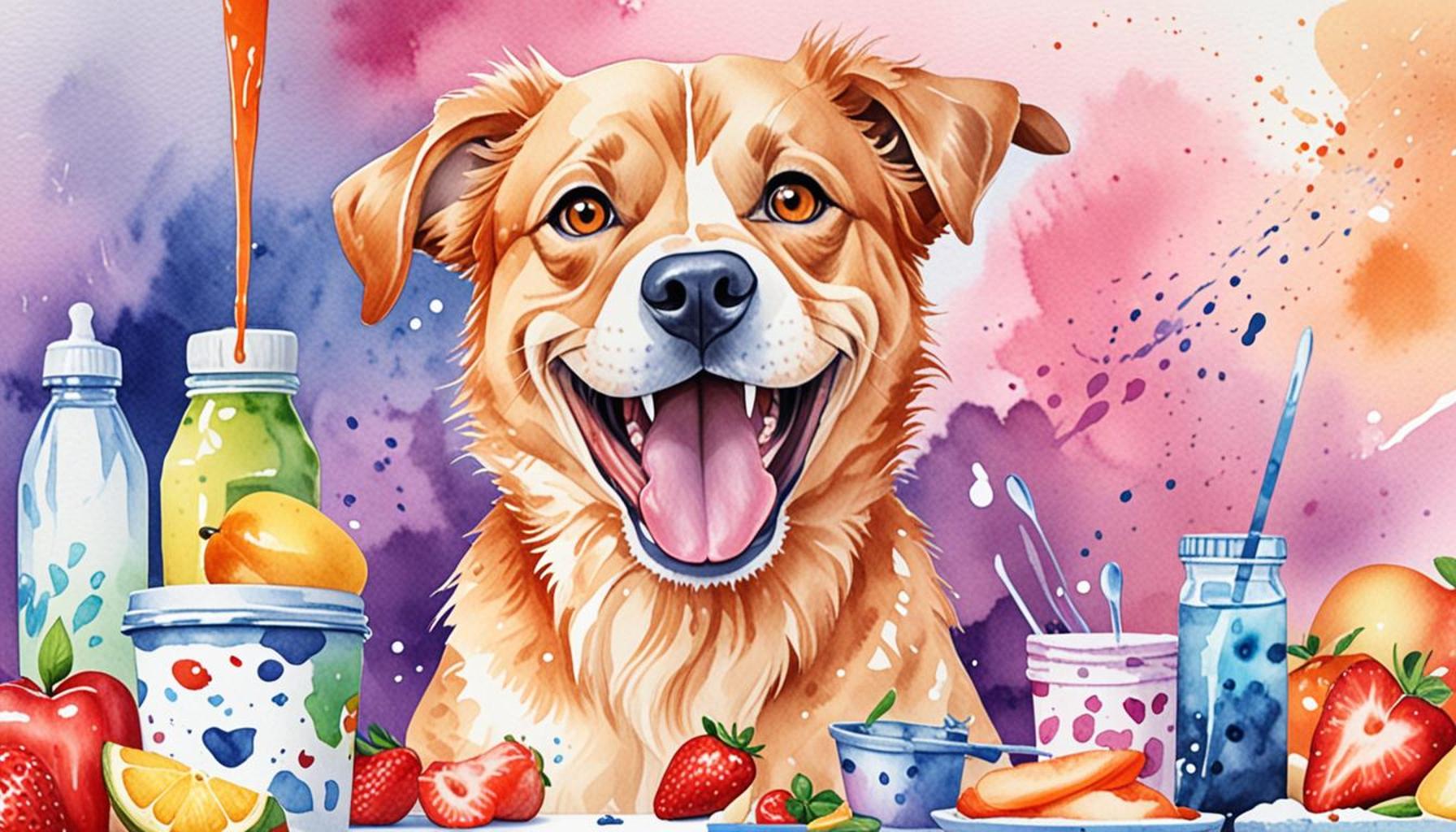
The Role of Diet in Promoting Pet Dental Wellness
The health of our beloved pets, including dogs and cats, extends beyond regular veterinary checkups and proper grooming. A critical yet often overlooked aspect is their nutrition, which plays a significant role in maintaining optimal dental health. Understanding this connection can lead to healthier, happier pets.
Did you know that poor dental hygiene in pets can lead to severe health issues? Research indicates that issues originating in the mouth can have cascading effects throughout the body. Here are some common problems linked to inadequate nutrition and poor dental care:
- Periodontal disease: This is a leading cause of tooth loss among pets, affecting nearly 80% of dogs and 70% of cats by the age of three. This progressive disease can cause pain, discomfort, and difficulty in eating, leading to a negative impact on your pet’s quality of life.
- Bad breath: While it might seem like a minor issue, persistent bad breath, or halitosis, is often a significant indicator of underlying dental problems, including tartar buildup or gum disease.
- Systemic infections: Bacteria from dental issues can enter the bloodstream, leading to serious health complications affecting vital organs such as the heart, liver, and kidneys. This condition is preventable with proper dental care and nutrition.
So, what are the key nutrients that contribute to strong teeth and gums in pets? Here are a few crucial components to consider when selecting food:
- Calcium and phosphorus: These minerals are essential for strong tooth structure and bone health. They help maintain the integrity of your pet’s teeth and jaws.
- Omega fatty acids: Found in various fish oils, these nutrients help reduce inflammation in the gums, promoting better overall oral health. They also support skin health, making them doubly beneficial.
- Antioxidants: Nutrients like vitamins C and E can protect against cellular damage in oral tissues. Foods rich in antioxidants help bolster your pet’s immune system, promoting effective healing and maintaining gum health.
Incorporating a balanced and targeted diet into your pet’s routine can significantly aid in preventing dental diseases, thereby enhancing their overall quality of life. Consider dog and cat foods specifically formulated for dental health, which often have kibble shapes designed to help reduce tartar buildup. Additionally, dental treats specifically designed for oral care can also support dental hygiene.
Stay proactive in your pet’s nutrition by seeking out high-quality food sources and keeping an eye on their dental habits. Regular veterinary dental cleanings and routine brushing can aid in maintaining their oral health, complementing a nutritious diet. By prioritizing your pet’s nutrition and dental care, you significantly reduce the risk of dental diseases while enhancing their well-being. Join us as we delve deeper into how making informed dietary choices can lead to better dental health for your furry friends.

DISCOVER MORE: Click here to learn about the importance of exercise for your pet’s mental health
Understanding the Nutritional Needs for Optimal Dental Health
To comprehend the impact of nutrition on the dental health of dogs and cats, we first need to appreciate their unique dietary requirements. Just as humans benefit from a varied diet rich in essential vitamins and minerals, our furry companions also rely on specific nutrients to maintain healthy teeth and gums. The right balance of these nutrients can not only promote superior dental health but can also help in preventing common oral diseases that often go unnoticed.
One of the first things to consider is the role of protein in your pet’s diet. High-quality protein sources, such as meat, poultry, and fish, are pivotal in building strong tissues, including gums. Foods rich in high-quality protein can support your pet’s dental health by providing the necessary building blocks for tissue repair and growth. Moreover, chewing through protein-rich kibbles can have a mechanical cleaning effect on teeth, somewhat similar to a natural toothbrush.
Additionally, including fiber in your pet’s diet is essential. Fiber acts as a natural scrubber, helping to remove food particles and plaque from the teeth as pets chew. Fruits and vegetables, such as carrots and apples, can be excellent additions to your pet’s meals or as treats. However, be cautious about the quantity, as some fruits may be high in sugar.
The Importance of Hydration
Hydration is another critical aspect that often gets overlooked in discussions about pet dental health. Water is vital for saliva production, which is essential for neutralizing acids in the mouth and washing away food debris. A dry mouth can lead to an increase in harmful bacteria and increase the risk of dental issues. Always ensure your pets have access to fresh, clean water, as proper hydration supports overall health, including oral health.
Daily Nutritional Strategies for Dental Care
To effectively support your pet’s dental health through nutrition, consider implementing the following strategies:
- Choose Quality Pet Foods: Select high-quality dog and cat foods that are thoughtfully formulated with optimal ratios of protein, fiber, and essential vitamins.
- Introduce Dental-Specific Products: Look for products specifically designed for oral care. These may include dental kibble or treats with added enzymes that help reduce plaque and tartar.
- Regular Dental Checkups: Pair a wholesome diet with regular veterinary dental visits. During these checkups, your veterinarian can provide professional assessments and cleanings that complement your pet’s nutrition.
- Routine at-Home Care: Engage in routine dental care at home, such as brushing your pet’s teeth with pet-safe toothpaste and offering chew toys designed for dental health.
As we navigate the complexities of pet nutrition, it becomes clear that the right diet contributes tremendously to their overall well-being, particularly in fostering good dental health. By emphasizing the importance of balanced nutrition, pet owners take a proactive step towards preventing dental diseases and enhancing their furry friends’ quality of life.
The Importance of Nutrition for Dental Health in Pets
Proper nutrition plays a pivotal role in maintaining the dental health of dogs and cats. Just as in humans, dietary choices significantly influence oral hygiene and the overall well-being of our furry companions. A balanced diet rich in essential nutrients not only supports their immune system but also contributes to healthier teeth and gums.
The Role of Dental Treats and Formulated Diets
Dental health products, including specialized treats and formulated diets, are specifically designed to aid in the prevention of dental issues. These products often incorporate ingredients that promote mechanical cleaning of teeth through chewing, which helps reduce plaque and tartar buildup. Selecting kibble that promotes dental health can encourage pets to chew more, thus enhancing their oral hygiene naturally. <h3.Nutrients that Promote Strong Teeth
Key nutrients such as calcium, phosphorus, and vitamins A and D are crucial for maintaining healthy teeth. Calcium and phosphorus support the structural integrity of teeth, while vitamins A and D play significant roles in the maintenance of gum tissue. A deficiency in these nutrients can lead to weakened teeth and an increased risk of periodontal disease.<h3.The Link Between Obesity and Oral Health
Overweight pets are more prone to a variety of health issues, including dental problems. Obesity can exacerbate existing dental conditions and lead to increased difficulty in performing routine care. Feeding pets appropriate portions based on their age, size, and activity level can help prevent obesity and, consequently, less strain on their dental health.<h3.Strategies to Enhance Pet Nutrition
Incorporating raw fruits and vegetables into your pet’s diet can offer both nutritional benefits and natural cleaning actions. Crunchy veggies like carrots and cukes can help reduce plaque buildup, while also providing snacks that pets enjoy. Additionally, regular veterinary check-ups can help monitor dental health and offer professional cleaning when necessary.As pet owners, understanding the profound impact of nutrition on dental health is vital. Making informed dietary choices can lead to a longer, healthier life for our beloved pets, ultimately ensuring that their smiles are as bright as their spirits.
LEARN MORE: Click here for essential pet nutrition tips
Key Nutritional Components for Enhanced Dental Health
While protein and fiber play a vital role in promoting dental health, it is essential to delve deeper into specific nutritional components that can significantly impact the dental health of dogs and cats. Among these, the importance of vitamins and minerals cannot be overstated. Vitamin D, for instance, aids in the absorption of calcium, a mineral crucial for maintaining strong teeth. A diet insufficient in these elements can predispose pets to dental diseases, tooth decay, and gum issues.
Calcium and phosphorus are two fundamental minerals that should be consistently present in your pet’s diet. They contribute to the development and maintenance of robust teeth. Veterinary nutritionists often recommend specific ratios of calcium to phosphorus to maximize their benefits. A balanced ratio is critical; too much of one can inhibit the absorption of the other. In commercially available pet foods, manufacturers closely monitor these ratios to ensure optimal absorption and benefits for your pet’s overall health.
The Role of Specific Additives
In recent years, there has been a surge in innovative dental care products that incorporate functional ingredients specifically designed to address oral health. Ingredients such as chlorophyll and probiotics are gaining recognition for their positive effects on mouth bacteria, which can help reduce plaque buildup and control bad breath. Probiotics, in particular, can help maintain a healthier balance of oral microbiota, which is crucial for preventing periodontal disease.
Additionally, many pet food brands now include omega fatty acids—especially omega-3 and omega-6—known for their anti-inflammatory properties. By reducing inflammation in the gums, these fatty acids can help pets maintain healthier, less painful mouths, resulting in improved dental health over time.
The Influence of Diet on Oral Microbiome
Recent studies have uncovered that the oral microbiome, much like the gut microbiome, plays a significant role in overall health, including dental health. The composition of what your pet eats influences this microbiome. Diets high in sugars and carbohydrates can trigger the growth of harmful bacteria responsible for plaque formation and gum disease.
One promising approach in veterinary nutrition is feeding pets a diet that promotes a beneficial oral microbiome. Foods that are high in prebiotic fibers can encourage the growth of healthy bacteria, thus helping to keep harmful bacteria at bay. This shift toward incorporating microbiome-friendly ingredients may pave the way for future breakthroughs in enhancing the dental health of dogs and cats.
Thinking Beyond the Bowl
It is also vital to remember that nutrition is not limited to just what’s in the food bowl. Many pet owners are exploring homemade diets that take into account the specific nutritional needs of their pets. While this trend can be beneficial, it’s important to work with a veterinarian or a pet nutritionist to ensure the diet meets all necessary guidelines, including those impactful on dental health.
Incorporating a variety of wholesome, nutrient-dense ingredients ensures that your pet receives not only heart-healthy nutrients but also those essential for strong teeth and gums. Attention to overall dietary habits, as well as regular consultations with veterinary professionals, can lead to prolonged dental health and an enriched quality of life for our beloved pets.
DISCOVER MORE: Click here to learn about the impact of pets on elderly mental health
Conclusion: The Pillars of Pet Dental Health
In conclusion, the connection between nutrition and dental health in dogs and cats cannot be overlooked. A well-balanced diet enriched with essential vitamins and minerals, particularly calcium and phosphorus, plays a pivotal role in maintaining strong teeth and healthy gums. The incorporation of functional ingredients such as probiotics and omega fatty acids further enhances pets’ oral health by fostering a balanced oral microbiome and reducing inflammation.
As pet owners become increasingly aware of the influences that diet has on overall well-being, recognizing the importance of oral care in nutrition becomes paramount. Grain-heavy and sugar-laden diets can adversely affect your pet’s dental health, leading to plaque buildup and gum disease. Therefore, selecting pet foods with low carbohydrate content and high in beneficial nutrients ensures better dental hygiene and prevents future health problems.
Moreover, embracing a holistic approach that includes routine veterinary checkups, regular dental cleanings, and perhaps even exploring homemade diets tailored to your pet’s unique needs, lays the groundwork for optimal dental health. Continuous research in veterinary nutrition may reveal even more innovative solutions for improving the dental health of dogs and cats.
In essence, prioritizing nutrition as a fundamental aspect of your pet’s daily routine leads not only to healthier mouths but also to a longer, happier life for your furry companions. By nurturing their diet, we enhance their overall quality of life and safeguard their well-being for years to come.
Related posts:
Balanced Nutrition for Long-Term Dog Cat Health Why It Matters
The role of hydration in pet nutrition: how to ensure your pet drinks enough water
The relationship between diet and behavior in pets
Superfoods for Pets: What They Are and How to Incorporate Them into Animals' Diets
How Natural Nutrition Can Benefit Pets' Longevity
The relationship between nutrition and mental health in pets

Linda Carter is a writer and pet care expert specializing in pet health, grooming, and wellness. With extensive experience helping pet owners create safe, loving, and enriching environments for their animals, Linda shares her knowledge on our platform. Her goal is to empower readers with practical advice and strategies to ensure their pets thrive and lead joyful, healthy lives.