Vegetarian Diet for Dogs and Cats: Benefits, Challenges, and Guidelines
The Rising Trend of Vegetarian Diets for Pets
In recent years, many pet owners have begun exploring the concept of a vegetarian diet for their furry companions, driven by motivations that encompass not just personal values, but also health and environmental considerations. The decision to consider plant-based nutrition for pets stems largely from concerns regarding animal welfare and the ecological footprint of meat production.
One of the most touted benefits of feeding vegetarian diets to pets is improved digestion. Foods high in fiber, such as vegetables and grains, can foster better gut health and regularity for animals. For instance, incorporating ingredients like sweet potatoes, peas, and brown rice can help keep your dog’s digestive system functioning smoothly. This is particularly beneficial for pets who may experience gastrointestinal issues from traditional meat-based diets.
Additionally, a vegetarian diet can lower the risk of certain health conditions, including obesity and diabetes. A diet rich in whole vegetables, fruits, and legumes—provided in proper proportions—can help maintain a healthy weight. For example, research shows that a controlled calorie intake combined with balanced plant nutrition can mitigate obesity risks prevalent in pets less active due to lifestyle shifts.
The environmental impact is another compelling reason for considering a vegetarian diet for pets. The production of animal protein is resource-intensive, both in terms of land use and greenhouse gas emissions. By reducing reliance on animal agriculture for pet food, pets may play a role in decreasing humanity’s overall ecological footprint. Transitioning to a vegetarian diet for your pet can symbolize a commitment to sustainability, aligning pet ownership with broader environmental goals.
However, significant challenges accompany this lifestyle change. One key concern is achieving a proper nutritional balance. Unlike humans, dogs and cats have specific dietary needs, often requiring nutrients that might be less available in plant-based forms. For example, essential amino acids like taurine for cats primarily come from meat, and lack of these nutrients could result in serious health issues if not addressed adequately. Thus, it’s important to choose high-quality, commercially prepared vegetarian pet foods or consult with a veterinarian to create a balanced homemade diet.
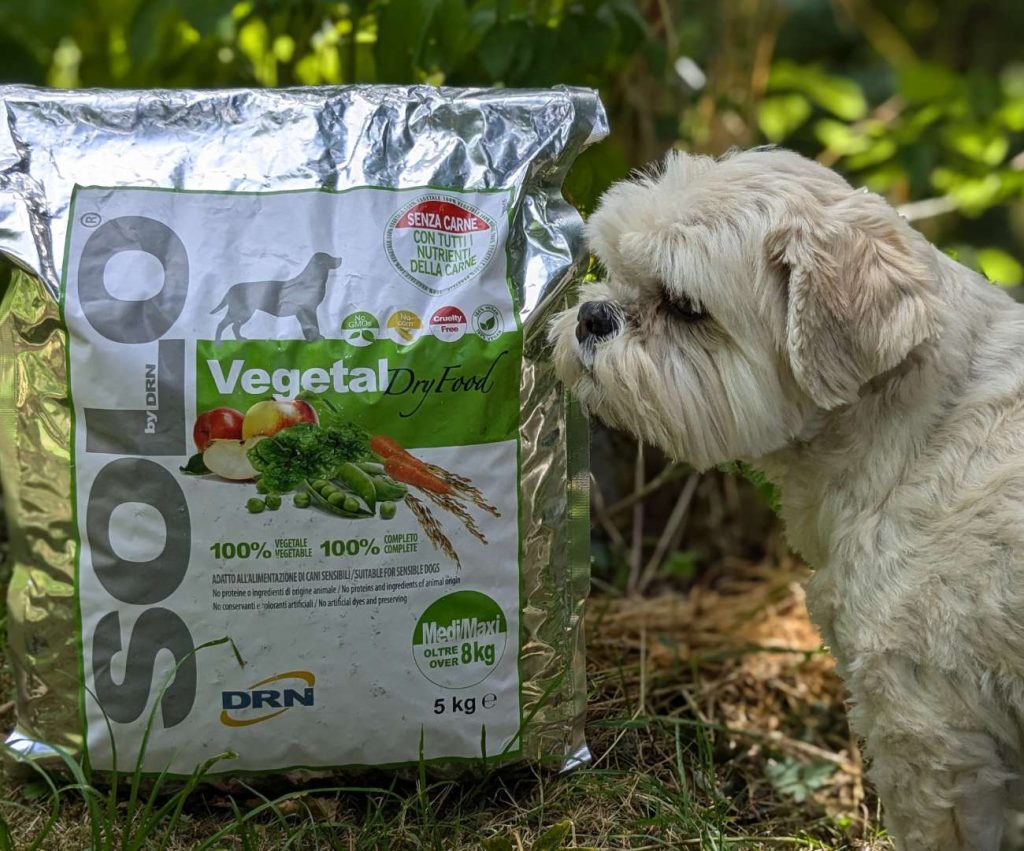
Moreover, some pets may experience potential allergic reactions to different plant-based ingredients. For instance, a dog might show sensitivity to grains, while another could have a reaction to soy or certain vegetables. Before making any significant dietary changes, consulting with a veterinarian can help mitigate any adverse effects and help in selecting specific formulations suited to your pet’s unique needs.
As you consider making the transition, it is essential to seek veterinary guidance. A professional can provide valuable insight, helping to navigate the dietary shift and ensure your pet thrives on a vegetarian regimen. Furthermore, proper education on nutritional requirements—such as vitamins, minerals, and protein content—is crucial for ensuring a wholesome diet tailored to your pet’s individual needs. Understanding these factors empowers pet owners to make informed decisions that can help enhance the overall well-being and longevity of their companions.
Transitioning a pet to a vegetarian diet could pose challenges, but with the right knowledge and resources, it can also lead to beneficial outcomes, both for your pet and the planet. By delving deeper into this topic, pet owners can seize the opportunity to enrich their pets’ lives while making responsible choices.
DON’T MISS: Click here for essential tips to welcome your new pet
Exploring the Benefits of a Vegetarian Diet for Dogs and Cats
The concept of a vegetarian diet for pets raises an intriguing array of benefits that can have profound effects on your dog’s or cat’s health as well as the environment. As pet owners systematically evaluate the implications of their pets’ nutrition, they are increasingly finding that plant-based diets can provide several advantages. Understanding these benefits can help you make informed dietary choices for your beloved companions.
Enhanced Digestive Health
One of the primary benefits of a vegetarian diet for pets is improved digestive health. As mentioned earlier, plant-based foods tend to be rich in fiber. High-fiber diets can aid in promoting regular bowel movements and reducing incidences of constipation. In dogs, for instance, easy-to-digest carbohydrates from vegetables like sweet potatoes and lentils can support a healthy gut flora, thereby enhancing their overall digestive functionality.
Weight Management
A vegetarian diet can also contribute to better weight management. In an age where pet obesity is rampant in the United States—affecting approximately 56% of dogs and 60% of cats—a carefully balanced vegetarian diet may help pet owners maintain ideal body weights for their animals. Implementing low-calorie, nutrient-dense foods such as fruits and vegetables can provide essential nutrients without excess calories. Utilizing portion control and healthy fats can help prevent overfeeding, which is crucial in addressing the modern sedentary lifestyle many pets lead.
Potential Reduction of Allergies
Vegetarian diets may reduce some dietary-related allergies in both dogs and cats. Many pets suffer from allergies triggered by common proteins found in traditional pet foods. By shifting to vegetarian options, owners can potentially minimize allergic reactions and conditions such as itchy skin or gastrointestinal distress. Novel protein sources, like peas and quinoa, might provide alternatives that are less likely to provoke reactions.
Environmental Sustainability
In alignment with the growing trend of eco-conscious living, adopting a vegetarian diet for pets closely mirrors efforts to reduce ecological footprints. The meat industry is notorious for its environmental impact. Transitioning to vegetarian pet food can lessen the demand for animal-derived products, ultimately resulting in a reduction in land use, deforestation, and greenhouse gas emissions associated with livestock farming. A survey by the World Animal Protection suggests that a significant reduction in meat consumption could lead to a substantial decrease in environmental resource depletion.
Caveats and Considerations
While the benefits are compelling, it’s vital to approach the switch to a vegetarian diet with caution. The unique dietary requirements of dogs and cats cannot be understated, and consultations with a veterinarian are highly recommended to navigate potential nutritional deficiencies. Here are some key areas to watch out for when pondering a vegetarian diet:
- Amino Acids: Ensure that pets receive adequate levels of necessary amino acids, particularly taurine for cats.
- Vitamins and Minerals: Confirm proper intake of vitamins such as B12, which are less prevalent in plant foods.
- Protein Sources: Choose high-quality, plant-based protein sources that can substitute meat effectively.
In conclusion, while a vegetarian diet can offer many benefits, it requires an informed approach to ensure that dietary needs are met without compromising health. As we explore the guidelines for a balanced vegetarian regimen for dogs and cats, keep in mind the importance of understanding both the advantages and challenges that this lifestyle entails.
Understanding the Vegetarian Diet for Pets
The choice to adopt a vegetarian diet for dogs and cats often stems from concern for pet health and environmental sustainability. While pets are traditionally considered carnivorous, some pet owners are exploring plant-based options to ensure their furry friends receive adequate nutrition without compromising their values. However, it is imperative to understand both the benefits and challenges associated with this dietary approach.
Benefits of a Vegetarian Diet
A well-structured vegetarian diet can offer several advantages for pets. For instance, a diet rich in vegetables and legumes can reduce the risk of obesity, promote healthier skin and coat, and contribute to a lower incidence of chronic diseases such as heart issues and diabetes. Moreover, a plant-based diet aligns with a holistic approach to pet care, emphasizing natural ingredients that are less processed and free from harmful additives.
Nutrition Considerations
That said, transitioning to a vegetarian diet requires careful planning. Pet owners must ensure that all essential nutrients—including protein, vitamins, and amino acids—are adequately provided through the diet. Specific ingredients such as lentils, chickpeas, and certain types of grains should be carefully incorporated to meet these nutritional needs. Consulting with a veterinarian or a pet nutritionist is crucial to avoid deficiencies that might arise from a poorly formulated vegetarian diet.
Challenges to Consider
One significant challenge is the potential for allergies and sensitivities. Some pets might react negatively to certain plant ingredients, leading to gastrointestinal upset or skin irritations. Moreover, not all pets are predisposed to thrive on a vegetarian diet, as certain breeds or individual animals may require specific nutrients obtainable only through animal-based sources. Ultimately, owners must be vigilant, ensuring their pets adapt well and receive a balanced intake of all necessary nutrients. As interest in vegetarian diets for pets grows, ongoing research and individualized approaches will be key in navigating this evolving aspect of pet nutrition.
| Category | Details |
|---|---|
| Nutritional Balance | Ensure a complete balance of essential nutrients is maintained for optimum health. |
| Health Benefits | Can lead to reduced risk of obesity, improved coat health, and lower chronic disease risk. |
In summary, while a vegetarian diet can provide many benefits for dogs and cats, it requires careful execution and a commitment to ongoing learning about proper nutrition.
LEARN MORE: Click here to discover the benefits of socialization for your pet’s mental health
Navigating the Challenges of a Vegetarian Diet for Pets
As we dive deeper into the notion of a vegetarian diet for dogs and cats, it becomes increasingly evident that while there are advantages, there are also significant challenges that pet owners must consider. Selecting a vegetarian lifestyle for your furry friends entails more than just changing their food; it requires a conscientious commitment to understanding their nutritional needs and making informed choices.
Understanding Nutritional Requirements
A primary challenge in transitioning to a vegetarian diet is ensuring that the dietary requirements specific to dogs and cats are adequately met. Unlike humans, both dogs and cats have distinct nutritional needs that must be carefully balanced. For instance, cats are obligate carnivores, meaning that their bodies are uniquely designed to derive essential nutrients from animal proteins. This includes crucial substances like taurine, which is pivotal for heart health and reproductive function, and arachidonic acid, an essential fatty acid that is found in animal fats. Plant-based diets often lack these components, which may necessitate supplementation.
Quality of Ingredients
Another challenge lies in the quality of the vegetarian ingredients that owners choose. Not all plant-based pet foods are created equal, and many products on the market may offer low-quality proteins or fillers that do not provide the necessary nutrients. It is vital to scrutinize labels for ingredients and opt for brand formulations designed by veterinary nutritionists. Foods containing rich sources of protein such as soy, chickpeas, lentils, and quinoa can serve as alternatives to meat, but they must be included in appropriate proportions and combinations to ensure that your pet receives complete nutrition.
Adapting to Taste Preferences
Transitioning pets from a meat-based diet to a vegetarian one can also be met with reluctance, particularly in cats, who may not readily accept new flavors and textures. Gradual introduction of vegetarian meals, coupled with a variety of tempting options, can help pets acclimate. Mixing vegetarian food with their usual diet or using enticing aromas from cooked grains can pique their interest. Additionally, pet owners should remain aware of signs of disinterest or digestive upset, as monitoring the pet’s response to transition is crucial.
Potential Health Risks
Some pets may experience health issues attributed to a sudden dietary change, manifesting in symptoms like lethargy, gastrointestinal disturbances, or allergies. These conditions may be exacerbated if meals aren’t nutritionally sound. For pet owners considering a lifelong vegetarian approach, it’s paramount to consult with a veterinarian who can provide tailored recommendations and conduct regular health checks. Blood tests can help assess nutrient levels to ensure that your pet is thriving on their new diet.
Legal and Regulatory Considerations
The legal landscape surrounding pet nutrition can also introduce challenges. The Association of American Feed Control Officials (AAFCO) establishes nutritional standards for pet food in the U.S., yet vegetarian diets may not have undergone rigorous testing to substantiate their claims. Pet owners should look for products that meet AAFCO’s nutrient profiles to guarantee that their chosen foods are nutritionally adequate and complete. Being aware of the regulations governing pet food can better inform your decisions regarding vegetarian options.
All these challenges necessitate a thoughtful approach to integrating a vegetarian diet for both dogs and cats. While the journey towards plant-based nutrition can be rewarding, it is crucial to undertake it with knowledge and advisement from professionals to secure your pet’s health and happiness.
LEARN MORE: Click here to discover the benefits of pets for mental health
Conclusion: Embracing Plant-Based Nutrition for Pets
As pet owners increasingly consider a vegetarian diet for their dogs and cats, it is important to understand that this dietary choice presents a complex tapestry of benefits, challenges, and specific guidelines to navigate. While a plant-based diet can promote sustainability and offer health advantages for pets, such as improved digestion and reduced risk of certain diseases, it requires careful planning and vigilance to ensure that pets receive all necessary nutrients.
Understanding the distinct nutritional needs of dogs and cats is fundamental. This involves ensuring key nutrients, like taurine and arachidonic acid, are sufficiently provided through supplements or high-quality plant sources. A focus on ingredient quality cannot be overstated; choosing reputable brands that adhere to AAFCO standards guarantees a balanced diet free from harmful fillers.
Moreover, the transition to vegetarian diets must be approached with sensitivity to pets’ taste preferences and potential health risks. Gradual dietary changes and close monitoring can help ease pets into their new diet, minimizing digestive disturbances and maintaining vitality.
Ultimately, a vegetarian diet for dogs and cats can be a fulfilling endeavor when undertaken responsibly. Consulting with a veterinarian is essential for any pet owner contemplating this switch, ensuring that health assessments and tailored dietary advice accompany this journey. By equipping ourselves with knowledge and compassion, we can pave the way for healthier pets and a greener planet, fostering well-being at both ends of the leash.
Related posts:
The role of hydration in pet nutrition: how to ensure your pet drinks enough water
The effects of nutrition on the coat and skin of pets
Essential Nutrients for the Healthy Development of Puppies
How Nutrition Can Help Prevent Chronic Diseases in Cats
Natural Food vs Commercial Pet Food Best Nutrition for Your Pets
Nutritional Supplements for Pets: When and How to Use Them Safely

Linda Carter is a writer and pet care expert specializing in pet health, grooming, and wellness. With extensive experience helping pet owners create safe, loving, and enriching environments for their animals, Linda shares her knowledge on our platform. Her goal is to empower readers with practical advice and strategies to ensure their pets thrive and lead joyful, healthy lives.