Superfoods for Pets: What They Are and How to Incorporate Them into Animals’ Diets
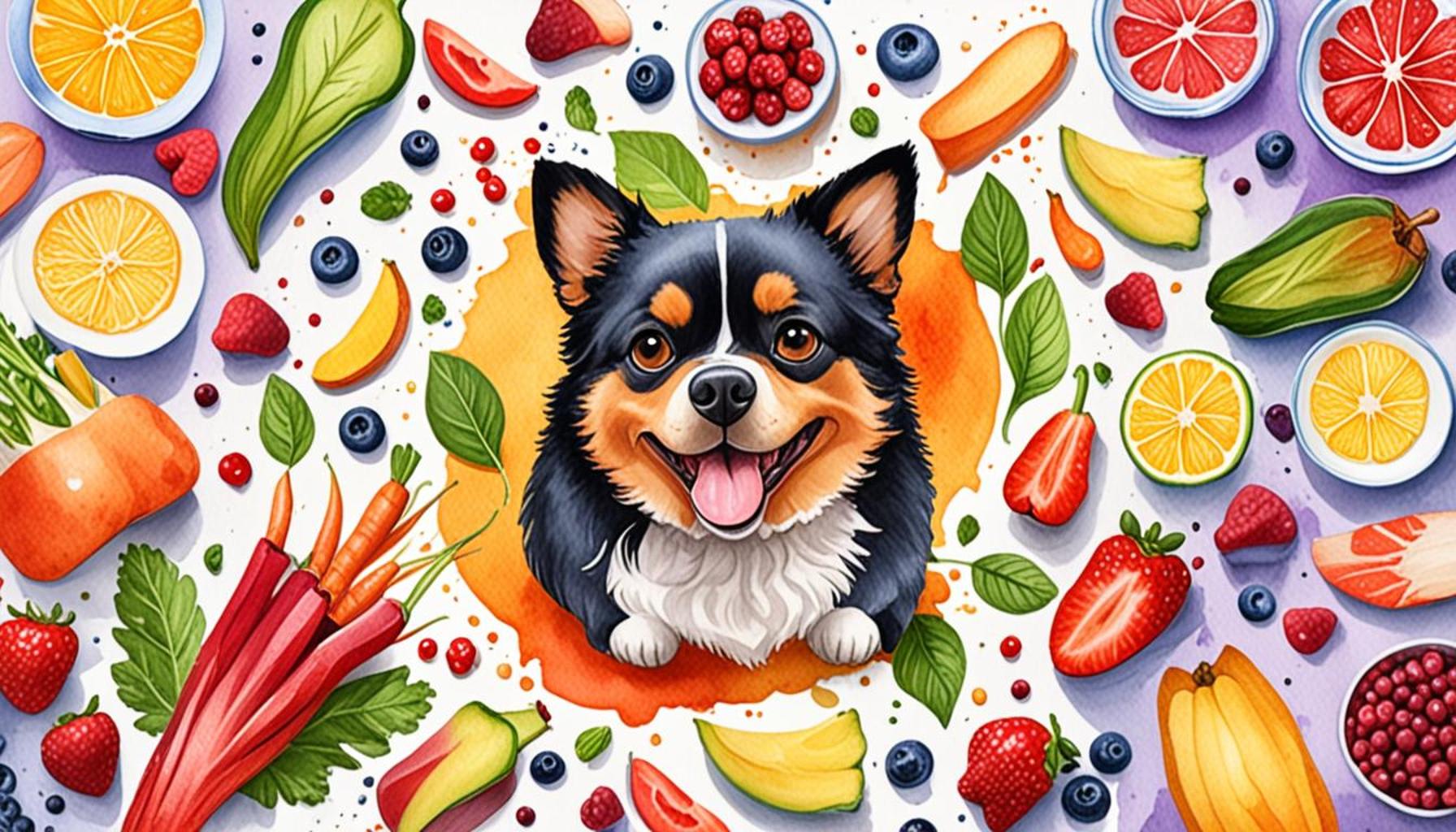
Exploring Superfoods for Your Pets
In the pursuit of optimal health, pet owners are increasingly turning to superfoods to enhance the nutritional quality of their furry friends’ diets. Rich in essential nutrients and beneficial compounds, these foods not only offer health advantages but also provide exciting flavors and textures that can entice even the pickiest eaters. But what exactly defines a superfood for pets?
A superfood can generally be understood as a food that is exceptionally high in nutrients and beneficial health compounds. For pets, this often translates into foods that support various aspects of their well-being, including:
- Immune function – Foods that bolster your pet’s defenses against disease.
- Digestive health – Ingredients promoting a balanced gut and effective digestion.
- Skin and coat quality – Nutrients that contribute to healthy skin and shiny fur.
- Energy levels – Foods that provide sustained energy for active lifestyles.
However, incorporating superfoods into your pet’s diet may seem daunting at first. Fortunately, it can be quite straightforward. Here are some popular superfoods recommended for both dogs and cats, along with their health benefits:
- Blueberries – Known for their high levels of antioxidants, these tiny fruits help combat the effects of aging and support cognitive function. They can be served fresh or mixed into meals as a tasty treat.
- Spinach – A leafy green powerhouse brimming with vitamins A, C, and K, spinach can promote healthy eyesight and aid in maintaining optimal bone health. Just be sure to serve it in moderation.
- Salmon – Rich in omega-3 fatty acids, salmon not only enhances coat health but also contributes to heart health and can even reduce inflammation. Feeding your pet cooked salmon or incorporating salmon oil into their meals could reap substantial benefits.
- Sweet potatoes – An excellent source of fiber and nutrients like beta-carotene, sweet potatoes can aid in digestion and provide a healthy energy source. They can be baked, mashed, or cooked to add a delicious element to your pet’s food.
By integrating these superfoods into your pet’s diet, you may not only enhance their health but also foster a more enjoyable eating experience. Moreover, shifting towards a diet rich in these nutrients could contribute to improved longevity and a happier, more active life for your beloved companions.
In the following sections, we will further explore the specific benefits of these superfoods, along with practical tips for incorporating them into your pet’s meals. Understanding how to effectively enrich your pet’s diet could lead to healthier and more vibrant lives for your furry friends.
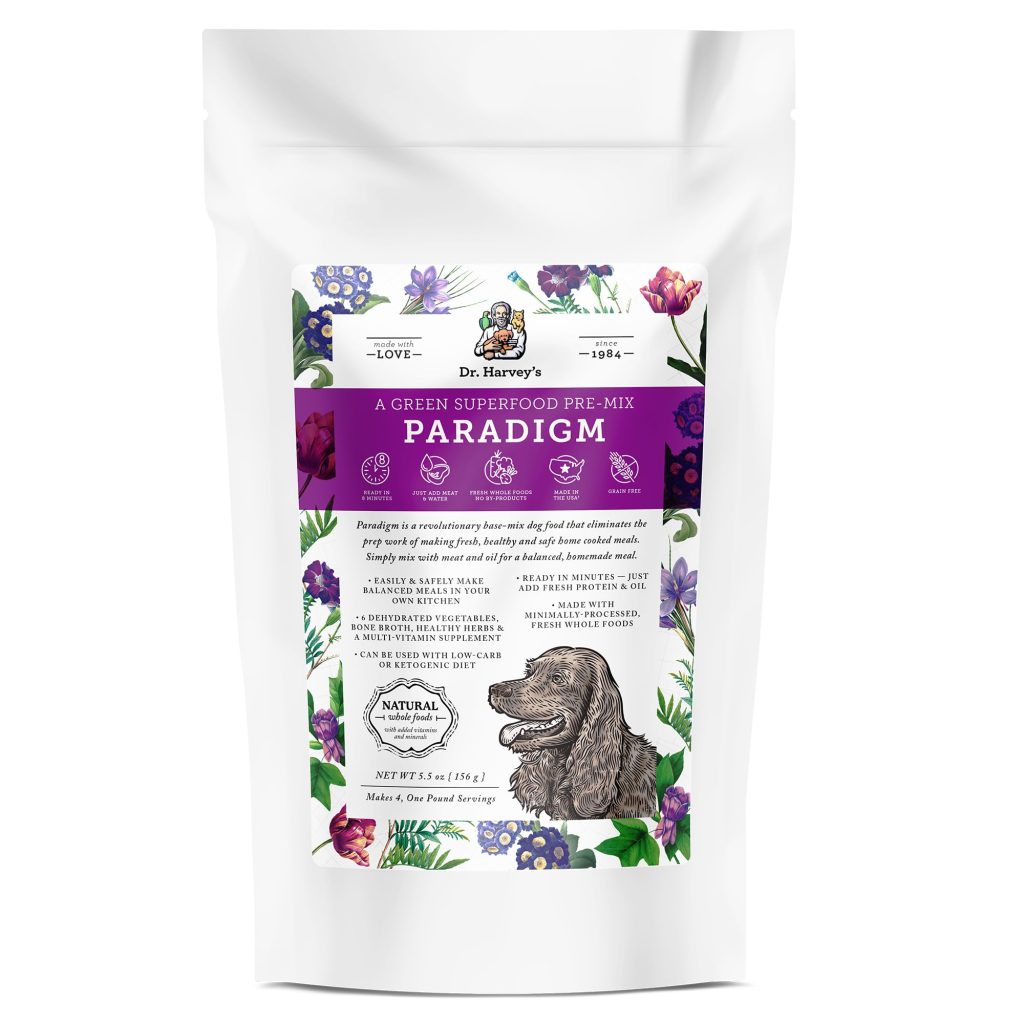
DIVE DEEPER: Click here to learn how natural nutrition can enhance your pet’s lifespan
Benefits of Superfoods for Pets
As more pet owners seek to provide comprehensive nutritional support for their four-legged companions, understanding the benefits of superfoods becomes essential. These nutrient-dense options offer a variety of health-promoting advantages that can elevate your pet’s well-being and overall quality of life. Recognizing the significance of these powerful foods is key to making informed dietary choices.
1. Enhanced Immune Function: One of the primary advantages of incorporating superfoods into your pet’s diet is the potential boost in their immune system. Ingredients such as blueberries and sweet potatoes are rich in antioxidants, which help protect against cellular damage and support a robust immune response. For example, foods high in vitamins A, C, and E can assist in warding off illnesses, ensuring that your pet remains active and healthy.
2. Improved Digestive Health: Digestive issues can significantly impact your pet’s quality of life. Superfoods such as pumpkin and spinach are excellent sources of fiber, aiding in digestion and promoting gut health. These ingredients can help prevent issues like constipation or diarrhea, allowing your pet to absorb more nutrients from their diet efficiently. Incorporating pumpkin puree into your dog’s meals can have beneficial effects on their digestive system.
3. Healthier Skin and Coat: The appearance and health of your pet’s skin and coat are often indicators of their overall well-being. Foods like salmon and flaxseed are packed with omega-3 fatty acids, which support skin hydration and reduce inflammation. A high-quality fish oil supplement, for instance, can provide a sheen to your pet’s coat while minimizing discomfort from dry or flaky skin.
4. Increased Energy Levels: Every pet owner knows the joy of a playful companion, and certain superfoods can provide the necessary energy to keep your pet lively. Ingredients like quinoa and sweet potatoes offer complex carbohydrates that release energy steadily, allowing for sustained activity levels. These foods not only help maintain a healthy weight but also enable your pet to enjoy and engage in physical activities.
By understanding these benefits, you can make informed decisions about how to enrich your pet’s meals with the right superfoods, ensuring they receive a balanced diet tailored to their specific needs. The right superfoods can transform your pet’s health, leading to a happier, more active lifestyle.
Incorporating these nutrient-packed foods into your pet’s diet may seem simple, but timing and preparation are critical. Below, we will delve into practical strategies for seamlessly integrating these superfoods into meals while ensuring that they remain appealing to your furry friends.
Here is the second part of the body on the topic “Superfoods for Pets: What They Are and How to Incorporate Them into Animals’ Diets”.As pet owners increasingly seek ways to enhance their animals’ health, the incorporation of superfoods into diets has gained remarkable popularity. These nutrient-dense foods are packed with vitamins, minerals, and antioxidants that can significantly contribute to a pet’s overall well-being. Some of the most recognized superfoods for pets include blueberries, spinach, chia seeds, and salmon. Each of these superfoods offers unique health benefits that merit attention and understanding.For instance, blueberries are not only delicious but also rich in antioxidants, promoting cognitive function and supporting a healthy immune system. When added to your pet’s meals or served as treats, they can improve vitality. Similarly, spinach is an excellent source of iron and vitamins, helping maintain healthy blood and contributing to shiny coats.To incorporate these superfoods effectively, pet owners can start by gradually introducing small amounts into their animals’ meals. A gentle transition is key to avoiding digestive disturbances. For example, you can mix a few chopped blueberries into your pet’s usual kibble or offer chia seeds soaked in water as a nutritious addition to their dishes. Also, it’s vital to consult with a veterinarian to tailor the dietary plan according to individual health needs and preferences.More diverse choices like pumpkin or sweet potatoes also present fiber-rich options that can promote digestive health. Their palatable flavors are likely to be enjoyed by pets, making the dietary transition smoother. When utilizing superfoods, it is essential to monitor your pet’s response and adjust their diet according to their unique preferences and tolerances.In summary, the introduction of superfoods into pets’ diets is a beneficial practice that can contribute to enhanced health, vitality, and overall happiness. The journey towards a healthier pet not only provides nutritional benefits but also fosters a stronger bond between pets and their owners, as culinary exploration leads to shared experiences and discoveries in the realm of pet nutrition. As you navigate through these options, remember that the goal is to optimize your pet’s health while ensuring that dietary changes are met with enthusiasm and enjoyment.
DISCOVER MORE: Click here to learn why exercise is essential for your pet’s happiness
How to Incorporate Superfoods into Your Pet’s Diet
Understanding the incredible benefits of superfoods is only part of the journey; the real task lies in successfully incorporating them into your pet’s diet. With a range of options available, pet owners can experiment with these nutrient-rich foods in several creative ways.
1. Gradual Introduction: Transitioning to a new diet should always be a gradual process. Start by adding small amounts of superfoods to your pet’s regular food. For example, if you are introducing blueberries, mix a few into their existing kibble. Monitor your pet’s response to these new foods closely. Gradually increasing the proportion of superfoods will help your pet adjust without experiencing digestive upset.
2. Homemade Treats: Another effective approach is to incorporate superfoods into homemade treats. There are numerous recipes available that utilize ingredients like pumpkin, sweet potatoes, and peanut butter, ensuring that treats remain both healthy and delicious. Baking pumpkin biscuits or preparing sweet potato chews can be not only fun but also a rewarding way to bond with your pet while providing them with nutritional benefits.
3. Mix with Existing Food: If your pet is particularly picky, consider mixing superfoods with their existing food for a nutrition boost without making drastic changes to their diet. For instance, adding a spoonful of Greek yogurt can enhance the flavor and introduce probiotics, which further support digestive health. You can also sprinkle some ground flaxseed over their meals to enrich them with essential fatty acids.
4. Choose Quality Products: When selecting superfood options, quality is paramount. For instance, if you choose to add fish oil to your pet’s diet for omega-3 fatty acids, ensure it is sourced from reputable companies that prioritize sustainability and purity. Look for products that explicitly list their ingredients and are free from fillers or additives, as these elements can detract from the health benefits you aim to provide.
5. Creativity Goes a Long Way: Keeping your pet engaged and excited about meal times can be accomplished through creativity. Experiment with various cooking methods such as steaming, roasting, or blending superfoods to discover different flavors and textures that your pet may prefer. For example, lightly steaming leafy greens like spinach can enhance their palatability while preserving their nutrients.
6. Consultation with a Veterinarian: If you’re unsure about how to integrate superfoods into your pet’s diet or are concerned about potential allergies, it’s always best to consult with a veterinarian. They can provide tailored advice based on your pet’s unique health concerns and dietary needs. A vet can help determine appropriate portion sizes and suggest additional food combinations that complement superfoods effectively.
Through these methods, pet owners can seamlessly integrate superfoods into their pets’ diets, capitalizing on their numerous health benefits. Whether through creative recipes or simple additions to existing meals, the path to a healthier, happier pet is paved with nutritious choices that promote vitality and longevity.
DISCOVER MORE: Click here to learn about positive reinforcement
Conclusion
Incorporating superfoods into your pet’s diet can significantly enhance their overall health, providing essential nutrients and promoting longevity. As we’ve explored, these nutrient-dense foods, such as blueberries, pumpkin, and salmon, offer a treasure trove of health benefits, from improved digestion to boosted immunity. The key to successfully integrating superfoods lies in a thoughtful approach, ensuring a gradual transition, and paying attention to your pet’s preferences and dietary needs.
Experimenting with different preparation methods, like steaming or baking, can make these additions exciting and varied for your furry friend, while homemade treats infused with superfoods can turn into delightful bonding experiences. Moreover, consulting a veterinarian will provide personalized advice to cater to your pet’s unique health requirements, allowing you to navigate potential allergies and portion sizes effectively.
As pet owners, it is our responsibility to explore diverse avenues that promote a nutritious lifestyle for our companions. By embracing the plethora of available superfoods and remaining vigilant about their quality, we can create a diet that not only excites our pets at mealtimes but also supports their overall well-being. The journey to optimizing your pet’s diet with superfoods is not only rewarding; it’s an investment in their health that pays off with every wag of the tail or gentle purr. So, embark on this nutritional adventure and watch as your beloved pets thrive with every wholesome bite.
Related posts:
Vegetarian Diet for Dogs and Cats: Benefits, Challenges, and Guidelines
Natural Food vs Commercial Pet Food Best Nutrition for Your Pets
How to Read Pet Food Labels: Deciphering Ingredients and Essential Nutrients
The relationship between diet and behavior in pets
The effects of nutrition on the coat and skin of pets
The role of hydration in pet nutrition: how to ensure your pet drinks enough water

Linda Carter is a writer and pet care expert specializing in pet health, grooming, and wellness. With extensive experience helping pet owners create safe, loving, and enriching environments for their animals, Linda shares her knowledge on our platform. Her goal is to empower readers with practical advice and strategies to ensure their pets thrive and lead joyful, healthy lives.