Benefits of Animal Therapy for Children with Special Needs
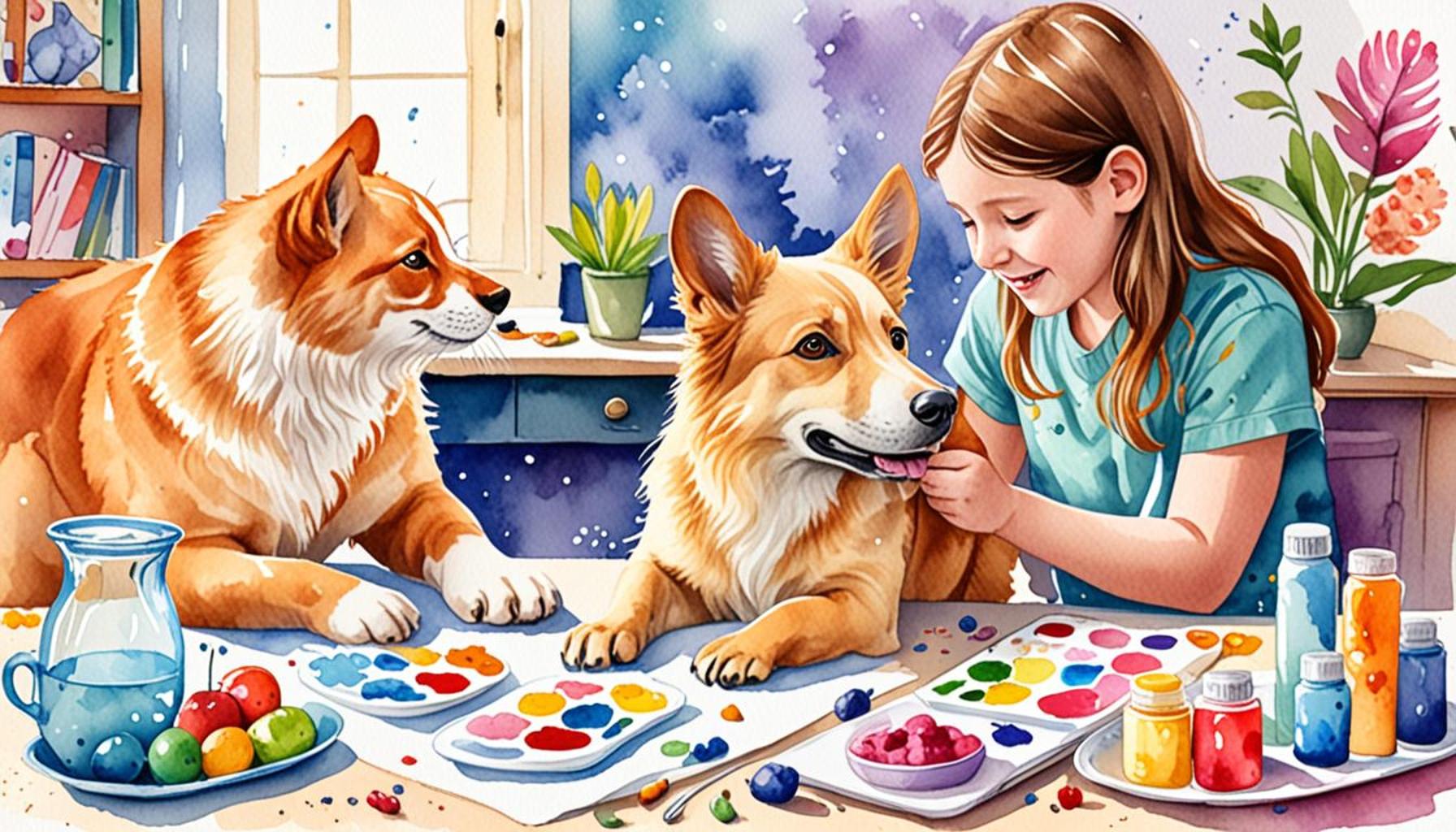
The Transformative Role of Animal Therapy in Special Needs Care
Animal therapy offers a distinct and vibrant pathway to enrich the lives of children with special needs. By engaging with trained therapy animals, these children experience unique therapeutic benefits that span emotional, social, and cognitive realms. This innovative approach not only captivates the interest of young participants but also provides caregivers with a powerful tool to support development.
Key Benefits of Animal Therapy
- Emotional Support: The presence of animals can significantly diminish feelings of anxiety and depression. For instance, children often find solace in the company of therapy dogs, who offer a nonjudgmental and affectionate space to process their emotions. This comforting bond can lead to increased self-esteem, which is crucial for children who may feel marginalized due to their disabilities.
- Social Interaction: Interaction with therapy animals encourages children to communicate and engage socially, vital skills for any child. Programs such as “Paws for Reading,” where children read to dogs, foster an inviting atmosphere that enhances literacy while alleviating fears of performance. The uncritical presence of animals can motivate shy children to express themselves more freely, promoting socialization with peers.
- Physical Benefits: Activities involving therapy animals, such as grooming or walking, can enhance gross and fine motor skills while fostering a sense of responsibility. For example, equine therapy involves riding horses, which requires coordination and balance, while also providing an exhilarating experience that can help improve physical fitness.
- Enhanced Learning: Incorporating animals into education can revolutionize traditional teaching methods. For instance, children learning about empathy and caring can engage in hands-on activities with animals, allowing lessons to transform from theoretical to profoundly experiential. This pragmatic approach to learning captivates children’s imaginations and solidifies their understanding.
Extensive research substantiates the positive effects of these animal-assisted interventions. Across the United States, therapy modalities that involve dogs and horses have gained prominence due to their gentle demeanor and uncanny ability to connect emotionally with children. Studies published in academic journals demonstrate that children who partake in animal therapy exhibit greater emotional resilience, improved behavioral outcomes, and enhanced social skills compared to their peers who don’t participate in such programs.
As we explore the multifaceted benefits of animal therapy, it becomes clear that these furry allies are not mere companions; they are integral partners in the therapeutic journey. The nurturing bond formed between children and animals cultivates an environment rooted in trust, empathy, and learning, further enhancing the therapeutic experience. This compelling intersection of animal companionship and personal growth invites further exploration into how these approaches can be optimized for broader applications within the field of special needs care.
LEARN MORE: Click here to discover effective prevention techniques
Unlocking Potential Through Animal Interaction
The benefits of animal therapy extend far beyond the sheer joy it brings to children with special needs. This therapeutic approach sets the stage for emotional, social, and cognitive breakthroughs that can greatly improve the quality of life for young participants. Understanding how these connections work can empower caregivers to harness the full potential of animal therapy in special needs care.

Building Emotional Resilience
One of the standout advantages of animal therapy is its profound emotional support capabilities. Research consistently shows that the presence of animals can help to alleviate feelings of anxiety and depression in children. For instance, therapy dogs provide a comforting and non-threatening presence, making it easier for children to express and manage their emotions. The unconditional love of an animal can serve as a transformative experience, nurturing self-esteem and allowing children to feel valued in a world where they may often feel sidelined.
Encouraging Social Skills Development
Animal therapy is also instrumental in social interaction. Programs designed around therapy animals, such as reading initiatives where children read aloud to dogs, create a judgment-free space that encourages communication. The mere presence of an animal can spark interest and encourage interaction, providing an ideal backdrop for children to develop important social skills. Many shy individuals discover a newfound confidence when encouraged by their furry companions, fostering connections not only with the animals but also with peers.
Promoting Physical Health and Coordination
The physical benefits of working with therapy animals are just as compelling. Activities like grooming, walking, or riding are excellent means for children to enhance their gross and fine motor skills. In equine therapy, for example, children learn to ride horses, which demands balance and coordination. Engaging in such activities does not just contribute to physical fitness; it also instills a sense of responsibility and accountability. Caring for an animal encourages children to think beyond themselves, nurturing a connection to another living being.
Revolutionizing Learning Opportunities
Incorporating animals into educational settings presents a unique learning experience that can re-engage children who struggle in traditional classrooms. It transforms theoretical concepts into actionable lessons. For example, experiencing empathy firsthand through caring for an animal allows children to understand these lessons on a deeper level. This hands-on interaction captivates their imagination and reinforces learning more effectively than standard teaching methods can achieve.
These multifaceted benefits of animal therapy highlight its transformative potential in the lives of children with special needs. As studies demonstrate positive correlations between animal-assisted interventions and various improvements in emotional resilience, skills development, and physical coordination, the impact of animal therapy is increasingly hard to overlook. For many children, therapy animals are not just companions; they are pivotal players on the road to personal development and emotional healing.
Animal therapy, often referred to as pet therapy or animal-assisted therapy, can significantly benefit children with special needs. This humane approach harnesses the natural bond between humans and animals to enhance emotional, social, and psychological well-being. Research has shown that interactions with animals can lead to improved communication skills and reduced feelings of anxiety in children.
In many cases, children who struggle to express themselves verbally find comfort in animal companionship, enabling them to open up in a safe space. Moreover, the presence of animals can help in developing crucial life skills, such as empathy, compassion, and responsibility. The engaging nature of animal therapy captivates children and encourages them to participate actively, resulting in heightened motivation and focus.
| Category | Benefits |
|---|---|
| Emotional Support | Animals provide unconditional love, helping to reduce stress and enhance emotional stability. |
| Social Interaction | Facilitates peer relationships and improves communication skills through shared activities involving animals. |
Furthermore, animal therapy can be a structured form of learning that helps children grasp abstract concepts through tangible experiences with their furry friends. This hands-on approach not only fosters cognitive development but also aids in maintaining focus for those who may struggle in traditional learning environments.
Parents and therapists alike are witnessing transformation in children’s lives when animal therapy is integrated into their routines. The positive effects are evident, paving the way for more innovative approaches in addressing the unique challenges children with special needs face.
DIVE DEEPER: Click here to learn more
Enhancing Communication and Cognitive Skills
A primary challenge faced by many children with special needs is maintaining effective communication. Animal therapy can serve as a bridge to overcome these barriers, providing a unique platform for children to practice and enhance their communication skills. The friendly presence of a therapy animal can stimulate verbal interaction, encouraging children to engage in conversations that they might otherwise avoid. For example, children may find it easier to share stories or express feelings when interacting with a soothing dog or cat, fostering language development and verbal expression.
Improving Attention and Focus
Children with special needs often grapple with attention deficits and difficulty concentrating. In animal therapy sessions, the presence of an animal can significantly capture attention and keep children engaged. Activities such as training a therapy dog or participating in animal care routines can help children develop greater focus and attention skills. According to studies, children who engage with animals during therapy often exhibit longer attention spans and improved concentration levels, translating to better performance in other areas of life, including academic settings.
Nurturing Empathy and Compassion
Animal therapy also plays a vital role in teaching empathy and compassion—skills that are fundamental for social success and personal development. Through the acts of caring for and interacting with animals, children can develop a broader understanding of emotions. They learn how to recognize feelings in both themselves and others, fostering a heightened sense of awareness and sensitivity. Programs focused on therapy animals have demonstrated that children who engage with animals are more likely to exhibit altruistic behaviors, such as helping peers or joining community efforts, as they gain insights into the emotional experiences of others.
Creating Routines and Stability
For many children, having a stable routine is crucial for reducing anxiety and improving overall behavior. Animal therapy introduces structure through regular sessions, which can be particularly beneficial for children who thrive on consistency. Activities like walking, feeding, or training an animal can establish a sense of predictability and security. The routine of caring for an animal not only calms the mind but also instills responsibility and accountability, as children learn to attend to the needs of their furry companions.
Facilitating Family Bonding
Beyond its therapeutic benefits, animal therapy can enrich family dynamics. Families often engage in animal therapy sessions together, fostering unity as they bond over shared experiences. This can be particularly transformative for siblings, who may feel overlooked in the context of special needs care. Participating in animal therapy enables families to connect in a positive environment, creating lasting memories and enhancing the overall emotional health of the household. The presence of an animal acts as a catalyst, sparking conversations and interactions that may have otherwise been difficult to achieve.
As these multifaceted benefits demonstrate, animal therapy emerges as a powerful tool in supporting children with special needs. By addressing emotional, cognitive, and familial dimensions, this therapeutic approach holds the promise of unlocking new avenues for connection, understanding, and growth. The transformative impact of harnessing the bond between children and animals continues to gain recognition, encouraging more families to explore this enriching experience.
DISCOVER MORE: Click here to find the perfect pet for your family
Conclusion
The numerous benefits of animal therapy for children with special needs underscore its critical role in enhancing the quality of life for these children and their families. By fostering communication, attention, empathy, and stability, animal therapy serves as a holistic approach to support emotional and developmental growth. The interaction with therapy animals not only aids in addressing behavioral challenges but also nurtures valuable skills such as responsibility and social awareness, promoting an enriched learning environment.
Moreover, family dynamics can greatly improve through shared experiences in therapy sessions. The bonding that occurs during these activities can transform perspectives, as siblings and parents engage in meaningful interactions that strengthen their relationships. This aspect of animal therapy opens up gateways for love, understanding, and communication that might have been previously hindered.
As research continues to support the efficacy of animal therapy, it is essential for families to consider this enriching option as a complement to traditional therapies. The profound impact of the human-animal bond can yield substantial benefits for children, serving as both an emotional support and a catalyst for personal growth. By exploring the various programs available and engaging with trained professionals, families can pave the way for not only improved individual outcomes but also enhanced family unity. For more information, resources, and success stories, prospective participants can seek out local therapy animal programs, allowing them to embark on this transformative journey towards healing and connection.
Related posts:
Natural Pet Food Benefits Challenges for Animal Well-Being
The Importance of Animal-Assisted Therapy in Mental Health
The Benefits of Meditation with Pets for Mental Well-Being
The Impact of Pet Adoption on the Emotional Health of Adults
How Pet Presence Can Reduce Stress and Anxiety
The Importance of Outdoor Activities with Pets for the Mental and Physical Health of Owners

Linda Carter is a writer and pet care expert specializing in pet health, grooming, and wellness. With extensive experience helping pet owners create safe, loving, and enriching environments for their animals, Linda shares her knowledge on our platform. Her goal is to empower readers with practical advice and strategies to ensure their pets thrive and lead joyful, healthy lives.